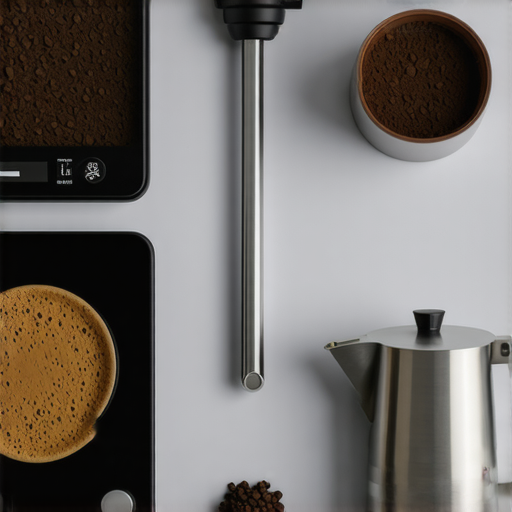

It was a hectic morning, and as I tried to pour silky milk into my latte, I watched helplessly as it splattered all over my countertop. Frustration bubbled up—how could I be so inexperienced? That lightbulb moment hit me: my old, rounded-bottom pitcher just wasn’t made for smooth pouring anymore. I’ve been there, battling with splashy milk and uneven latte art, feeling like I was fighting a losing battle every time I made coffee. But what if I told you that upgrading to a deep-V pitcher could revolutionize your milk flow and elevate your barista game?
Mastering Milk Pouring with the Right Pitcher Since 2024, I’ve dedicated myself to refining every aspect of my coffee routine—to the point where I realized that the tools I used could make or break my results. One overlooked yet game-changing piece of equipment is the milk pitcher. It’s easy to get stuck with traditional round-bottom pitchers, thinking that more expensive or larger pitchers automatically mean better pours. But I discovered that deep-V spouts and specific pitcher shapes can drastically improve your control over milk flow and reduce the splattering that sabotages your latte art.Is the Hype About Deep-V Pitchers Really Just Marketing? Early on, I made the mistake of dismissing fancy pitchers as unnecessary. I believed that my regular metal pitcher was enough—after all, it’s the standard in most cafes. However, I ignored the subtle, yet crucial, differences in spout design. When I finally tried a deep-V pitcher, I noticed an immediate difference. The narrow spout allowed for more precise and controlled pouring, which translated into cleaner latte art and less mess. This simple switch was so impactful that I began exploring more about how equipment affects skill, not just technique. For more insights on this, check out the comprehensive [ultimate guide to milk pitchers and barista accessories](https://coffeeaccessories.espressotechguide.com/ultimate-guide-to-milk-pitchers-espresso-tamper-for-coffee-art).
Having experimented with various pitcher styles, I’ve learned that the shape of the spout and the angle of pour are critical. The deep-V design helps in channeling milk more accurately, enabling consistency even during busy rushes. If splashing has been your bane, I suggest trying out some of the top deep-V pitchers for 2026—your workflow and results might thank you. Now, let’s dive into how exactly these pitchers transform your pouring process and how to choose the best one for your needs.
Set Up Your Workspace for Precision
Begin by organizing your tools. Place your milk pitcher within easy reach, along with your espresso shot and a clean cloth. Ensure your coffee scale is calibrated for accurate measurement, which helps in perfecting milk froth ratios. Position your knock box nearby for quick discarding of used puck, streamlining your workflow.
Many aspiring baristas fall for the misconception that all milk pitchers are created equal, or that investing in top-tier accessories guarantees perfect results. In truth, the nuances of tool design—like the spout angle or handle ergonomics—can significantly impact your pour quality. For example, a deep-V pitcher isn’t just a flashy feature; its narrower spout enables more precise milk control, especially for intricate latte art, which is backed by studies in professional espresso technique. Understanding these subtle differences helps prevent common mistakes, such as overfilling your pitcher or choosing a size incompatible with your frothing style, leading to less consistent pours.
Are cheaper accessories truly a false economy for serious baristas?
The answer is yes if you overlook quality details. A low-cost espresso tamper might seem attractive but often lacks the precision balance or calibration needed to avoid uneven puck compression, which can cause channeling and under-extraction. According to coffee science expert Scott Rao, proper tamping technique and tools calibrated to your basket size are essential for extraction consistency. This means that choosing a cheap tamper without checking its base material and weight balance might save money but cost your espresso quality in the long run.
Similarly, relying on generic coffee scales with poor calibration can introduce measurement errors, hampering your ability to reproduce perfect shots consistently. The tiny Details Matter: In my experience, investing in a high-quality precision scale with real-time feedback has the biggest impact on refining extraction times and milk frothing accuracy.
Are there hidden pitfalls in seemingly simple tools like knock boxes or tampers?
Absolutely. For example, many overlook the importance of knock box design. Cheaper models often emit loud noises or retain odors due to inferior materials, which can irritate early-morning routines or create lingering smells in your workspace. Upgrading to a model with rubber bottoms or antimicrobial coatings can enhance durability and cleanliness, preserving the freshness of your coffee. The same goes for tamping tools. A false belief is that any tamper will do, but an ergonomic, calibrated tamping device encourages consistent pressure, leading to better extraction profiles. Remember, it’s often these overlooked details that separate a good home setup from a professional-grade operation.
Are you truly leveraging your tools to their full potential? Avoid falling into common traps by paying attention to the nuances that matter. Check out the ultimate guides and reviews to ensure your accessories support your skill development. Have you ever fallen into this trap? Let me know in the comments.Keeping your coffee tools in top shape is crucial for consistent, professional results. I personally rely on specific maintenance routines, especially for my milk pitcher and espresso tamper, to ensure they perform flawlessly every session. Regular cleaning after each use prevents buildup of milk residues and oils that can compromise flavor and technique. For deeper maintenance, I recommend occasional soaking in a specialized descaling solution, especially for coffee scales to sustain precision.
Investing in quality scales with firmware updates extends their lifespan and accuracy, a crucial point highlighted by industry experts like Scott Rao. Diagnosing and calibrating your equipment periodically ensures your measurements remain trustworthy, adapting to wear and environmental changes.
Tools like the knock box also benefit from regular cleaning and checking for any damage. A well-maintained knock box prevents odors and keeps your workspace hygienic, which is essential for maintaining high standards.
So, how do I maintain my equipment to ensure long-term performance? It starts with establishing a routine: after each use, rinse and wipe down your tools; weekly, give your scales a calibration check; and monthly, perform a thorough inspection for any signs of wear or damage. Remember, the longevity of your barista tools directly correlates with the quality of your coffee—and your experience.
For instance, I strongly recommend following expert advice on descaling your scales — as detailed in the best practices guide. Don’t wait until equipment failure causes inconsistency; proactive maintenance keeps your setup reliable.
Try implementing a weekly calibration of your coffee scale using this tip, and watch your espresso shots become more consistent. It might seem small, but over time, such meticulous care maximizes your tools’ lifespan and your coffee quality. Ready to boost your routine? Dive into the detailed guides and give your tools the attention they deserve!
Lessons That Changed My Coffee Game
One of the most surprising insights I gained was how the shape of my milk pitcher dramatically affected my latte art. Switching to a deep-V spout transformed my control over milk flow and reduced splattering. Additionally, I realized that even small details like the handle ergonomics or the material of my tamper could influence shot extraction and puck consistency. These lightbulb moments taught me that precision tools, balanced and maintained properly, unlock the true potential of your barista skills. Sometimes, it’s the overlooked nuances—like calibration or material quality—that make all the difference and elevate your coffee experience.
My Top Tools for Mastering Coffee Creativity
For those serious about honing their craft, I recommend investing in carefully selected tools. The best milk pitchers with narrow spouts help in achieving precise latte art and control. A high-quality professional-grade coffee scale ensures consistent measurements, critical for perfect shots. Don’t underestimate the impact of a calibrated espresso tamper; the right weight and design help in even puck compression. Finally, a sturdy knock box with a rubber bottom keeps your workspace clean and odor-free, maintaining that professional environment. These tools, when maintained and chosen wisely, significantly improve your brewing process and results.
Step Up Your Coffee Routine Today
Your journey toward barista mastery involves more than just skill—it hinges on the tools you choose and how well you care for them. Embrace the subtle differences, like spout shapes or calibration routines, and see your coffee transform. Don’t wait to refine your setup—make each element work in harmony, and enjoy the satisfaction of consistently excellent brews. Start small: regular cleaning, periodic calibration, and investing in quality accessories will pay rewards in flavor, texture, and efficiency. What’s the first upgrade you’ll tackle in your coffee toolkit today? Let me know below!