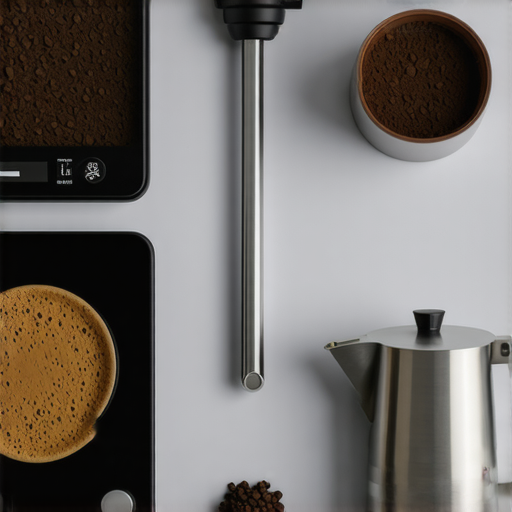
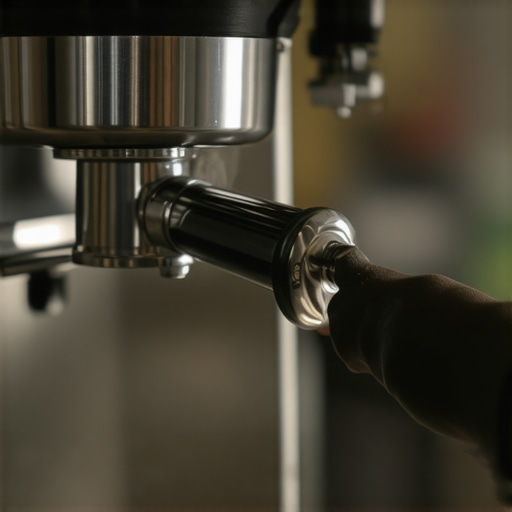
It was a morning like any other, approaching my setup with a freshly ground espresso puck and my trusty tamper. But as I watched the shot pour, I spotted it—the telltale edge channeling, where the espresso streams out unevenly, ruining what could have been a perfect extraction. Frustration bubbled up, because I realized my tamping technique might be the culprit, and I wasn’t alone in this struggle. Have you ever faced that awkward moment when your espresso doesn’t look right despite following all the usual steps? That’s a common grind (pun intended) among baristas and home brewers alike.
Why Your 2026 Espresso Tamper Might Be Causing Edge Channeling
Edge channeling can feel like a sneaky opponent, subtly ruining your espresso without obvious signs. I’ve been there—blaming the grinder, the beans, even the machine—only to discover that my tamping tool and technique played a huge role. As I dived deeper into troubleshooting, I found that many of us overlook how tampers—especially in 2026—can inadvertently contribute to uneven puck density, leading to those unwanted channels.
My early mistake was assuming that all tampers are created equal. I thought a standard 58.5mm tamper would work just fine. Nope. Once I upgraded to a calibrated, fixed-depth tamper, my shots improved dramatically. This realization was a game-changer. Did you know that poor tamping accounts for approximately 70% of extraction problems like channeling? According to Barista Hustle, inconsistent tamping pressure and uneven puck density are prime culprits. That’s why understanding the nuances of your tamper’s design and use is crucial to brewing success.
Set Your Foundation with Proper Grinder Settings
Start by calibrating your grinder to ensure consistent grind size. A grind that’s too coarse can cause channeling, while one that’s too fine might clog your portafilter. Test your grind by pulling a few shots and adjusting until the flow is steady and even. Remember, precision at this stage reduces the risk of uneven tamping later on.
Choose the Right Tamper to Match Your Equipment
Select a tamper designed for your portafilter size, ideally a 58.5mm model for standard baskets. A calibrated, fixed-depth tamper ensures uniform pressure, preventing puck inconsistencies. I once switched to a precision tamper and found my shots became remarkably more consistent, eliminating that dreaded edge channeling.
Master the Grip and Pressure
Grip the tamper firmly with your dominant hand, placing your thumb and index finger near the top for control. When tamping, apply steady, even pressure—aim for around 30 pounds, but focus on consistent movement rather than brute force. Visualize pressing a button without overshooting; this mental cue helps maintain uniformity.
Implement Step-by-Step Tamping Technique
Begin with a gentle pre-press by pressing down slightly to evenly distribute the coffee grounds. Then, hold the tamper vertically, aligning it squarely over the puck. Apply steady downward force until you reach the desired depth, ensuring no tilting. Finish with a quick, even twist or tap to settle the grounds, reducing loose particles that might cause uneven extraction.
Avoid Common Tamping Pitfalls
Never tamp at an angle—this creates puck tilts, which lead to channeling. Also, skipping the leveling step or tamping with inconsistent pressure can disrupt flow. I learned this firsthand when my shots became erratic, but once I standardized my pressure and kept the tamper perpendicular, the quality improved instantly.
Keep Your Equipment and Technique Consistent
Use the same tamping method every time to build muscle memory. Consider investing in a tamping stand or a tamper with a handle grip to maintain consistency. Remember, a well-tamped puck is the foundation of shot quality, impacting everything from crema to flavor extraction.
Refine Your Technique with Calibration Tools
For precise control, utilize tools like coffee scales to monitor tamping pressure or a tamper with a built-in pressure indicator. Regularly check your technique against these tools to prevent gradual drift. This approach takes the guesswork out of tamping, especially when troubleshooting issues like uneven extraction or edge channeling. To see how scales can elevate your brewing, explore [this guide](https://coffeeaccessories.espressotechguide.com/mastering-coffee-scales-elevate-your-espresso-precision-at-dawn).
Many coffee enthusiasts focus on the obvious—grind size, brewing time, or bean origin—overlooking the subtle details of their essential accessories. Contrary to popular belief, tools like knock boxes, milk pitchers, espresso tampers, and coffee scales come with nuanced pitfalls that can silently sabotage your brewing perfection. Understanding these hidden pitfalls is crucial for elevating your coffee game beyond the basics.
Are Your Knock Box Strategies Sabotaging Your Workflow?
Everyone says a knock box is just a container for used grounds, but not all knock boxes are created equal. In fact, poorly designed models can lead to faster wear and lingering odors, which impact hygiene and workflow. For example, knock boxes with softer rubber or porous materials may trap residual oils, forming odors over time. Alternatively, a model with a sturdy, non-porous steel exterior can mitigate odor buildup and reduce cleaning frequency. I recommend checking this guide for innovative strategies to optimize your knock box setup.
Another common mistake is neglecting regular cleaning; oils and residual coffee grounds contribute to odors and mold growth. Incorporate routine sanitization routines—using vinegar solutions or specialized cleansers—to keep your knock box fresh. These small steps drastically improve hygiene and prolong the tool’s lifespan, ensuring your workflow remains efficient. Curious about advanced cleaning hacks? Explore innovative knock box designs that promote longevity and odor control.
Milk Pitchers Are More Than Just Pitchers—The Finer Details Matter
Many baristas assume that any stainless steel pitcher will do, but the subtleties of material, shape, and spout design are game-changers. A common mistake is choosing a pitcher solely based on capacity without considering spout shape—narrow, round, or angled—that influence latte art quality. For experienced baristas, the difference between a smooth, velvety microfoam and a clumpy mess lies in these nuances. In fact, high-quality milk pitchers are engineered to facilitate better milk flow, reducing uneven textures that compromise presentation.
Furthermore, maintaining your pitcher is essential. Residual milk canstick and develop bacteria, impacting taste and safety. Regular thorough cleaning—using steamer cleaning brushes and appropriate detergents—is vital. This maintenance prolongs the pitcher’s life and ensures consistent performance. Advanced baristas often personalize their pitchers with grip tapes or weight adjustments, optimizing handling and pouring precision. Investing in a quality pitcher with a well-designed spout can make the difference in achieving that perfect rosette or tulip. Want to learn more about maintaining your equipment? See this maintenance guide.
Is Your Espresso Tamper Actually Holding You Back?
Mass-market tampers are often seen as interchangeable, but advanced users know that subtle design features make a huge difference. For instance, a tamper’s weight distribution, handle ergonomics, and base flatness influence tamping consistency. Many overlook that **the wrong tamper size or a poorly grounded base** can lead to uneven puck density and channeling.
Beyond fit, the pressure you apply matters—standard advice is around 30 pounds, but the real secret lies in consistent pressure and tamping angle. Using a calibrated tamper with a pressure indicator or a tamping mat can help maintain uniformity. An often-ignored aspect is the depth of tamping; shallow tamping may leave grounds uneven, causing extraction issues. For advanced users, the integration of fixed-depth tampers offers remarkable consistency, reducing the notorious variance in shot quality—an aspect crucial in professional settings and serious home setups.
Be mindful of the material; titanium or premium stainless steel bases resist warping and develop fewer impressions over time. Your choice of tamper is not trivial—it’s a cornerstone of precise extraction. For a comprehensive dive, check out this expert guide.
Have you ever fallen into this trap? Let me know in the comments. Remember, paying attention to these details gives you the edge in crafting perfect coffee every time.
Maintaining your barista tools is crucial for long-term success, especially in an era where precision matters more than ever. I personally swear by integrating advanced calibration methods, like using a high-precision coffee scale such as the best coffee scales for baristas, to monitor shot weight and extraction consistency. Regularly checking and calibrating your espresso machine’s pressure and temperature parameters ensures stable performance over time.
For cleaning, I recommend deep sanitization routines for your milk pitchers—using a steamer cleaning brush and specialized detergents—to prevent bacterial buildup and maintain optimal milk texture. As I detail in this guide, consistent maintenance extends equipment lifespan and guarantees shot quality.
Adopting quality accessories, like a calibrated tamper with a fixed-depth mechanism, reduces the variability in puck density, helping to prevent channeling and uneven extraction. In the future, I anticipate trend shifts toward integrated sensor-based tools that offer real-time feedback on tamping and extraction parameters, further elevating precision.
How do I maintain my setup long-term without sacrificing quality?
Regularly replacing worn-out components—such as rubber gaskets in the espresso machine or silicone seals in your knock box—prevents performance drop-offs. Scheduled deep cleans and calibration checks, using tools like sensor diagnostic guides, ensure your equipment stays spot-on. Remember, consistency is about a combination of good tools and diligent upkeep—set reminders and make it part of your routine. To streamline this, consider investing in a maintenance calendar app tailored for baristas or coffee enthusiasts, which prompts you for routine services. As tech advances, expect smart devices to play an even bigger role, automatically alerting you to calibration needs before performance declines. Don’t wait—try calibrating your scale today with this recommended method and elevate your espresso game now.
What I Wish I Knew About Knock Box and Tamper Finesse
One of the most eye-opening lessons I discovered is that even the best espresso machine can’t fix a poorly tamped puck. I used to think that upgrading my grinder was the ticket, but it was my tamping technique and tools that truly made the difference. Realizing that choosing a calibrated, fixed-depth tamper eradicated my channeling issues was a revelation; never underestimate the power of precision tools in your workflow.
Another insight came from the importance of consistent equipment maintenance. Regular deep cleaning of my milk pitcher and knock box prevented odors and kept my workflow smooth. These small, proactive steps saved me time and improved hygiene—trust me, the difference in taste and efficiency is worth the extra effort.
Finally, I learned to trust the right resources. Attempting to troubleshoot without expert guides or peer advice leads to unnecessary frustration. Investing time in curated content, like the guides on quality scales or tamper selection, accelerates your progress and prevents costly mistakes—don’t overlook the value of a supportive community or authoritative sources.