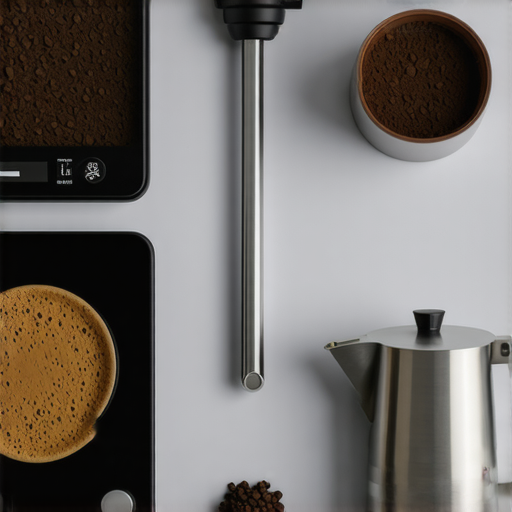

Have you ever pulled a shot of espresso only to find your latte art looks more like a scribble than a heart? I’ve been there, frustrated, pouring shot after shot, trying to get that perfect crema and smooth milk microfoam. It wasn’t until I realized that my tools—specifically my tamper and milk pitcher—were holding me back that things changed. The lightbulb moment? When I finally understood that investing in the right equipment and knowing how to use it makes all the difference in creating stunning coffee art.
Why Your Tools Matter More Than You Think
If your coffee isn’t coming together the way you envisioned, it’s time to look beyond just the beans or the grinder. Your espresso tamper and milk pitcher are your best allies in crafting that barista-quality cup. When I first started, I underestimated the importance of a proper tamper—thinking any flat-bottomed device would do. Big mistake. A good tamper ensures even pressure, leading to better extraction. Similarly, a well-designed milk pitcher helps you control milk frothing and pouring, which is critical for latte art. Want to avoid the same rookie mistakes I made? Keep reading, because I’ll guide you through picking and using these essential tools with confidence.
Have You Faced This Problem Before?
Maybe you’ve spent ages trying to perfect your latte art, only to realize that your milk isn’t frothed right or your tamping isn’t even enough. Trust me, early on I thought I could make it work with whatever I had—until I learned that the right tools, combined with proper technique, are the secret to consistency. If that sounds familiar, you’re in the right place. I’ll share practical tips and resources, like how to maintain your milk pitcher for flawless latte art, or how to select the perfect espresso tamper for your needs. Did you know that using the wrong tamper size can lead to uneven extraction and bitter flavors? It’s a surprisingly common mistake among beginners, but one easily corrected.
So, are you ready to upgrade your coffee game? We’ll dive into the specifics of choosing the best tamper and milk pitcher, plus some expert tricks to master their use. By the end, you’ll be pouring beautiful, professional-quality coffee art that will impress anyone—yourself included. Let’s get started!
Select and Prepare Your Tools for Success
Start by choosing a tamper that fits your portafilter snugly. I remember my first attempt—using a generic tamper that was too small—and it caused uneven tamping, resulting in bitter, under-extracted espresso. To avoid this, measure your portafilter’s diameter and pick a tamper with a matching size. When you first get your tamper, clean and dry it thoroughly, then practice pressing evenly with moderate pressure, aiming for a firm, flat tamp. This consistency lays the foundation for a balanced extraction.
Perfect Your Tamping Technique
Apply steady, even pressure as if you’re trying to flatten a pancake—no sudden pushes. Imagine pressing down a stamp evenly onto dough; this analogy helps maintain uniform pressure across the coffee bed. During my first week, I watched a barista demonstrate, and I realized my inconsistent pressure was causing channeling. To refine this, set your tamper flat on the coffee, grip it firmly, and press straight down with a consistent force—around 30 pounds of pressure. Use a scale, like [coffee scales](https://coffeeaccessories.espressotechguide.com/essential-coffee-scale-barista-accessories-for-perfect-espresso-shots), to measure your pressure if needed. Once tamped, give the portafilter a gentle twist to settle the coffee evenly before brewing.
Froth Milk Like a Pro
Use a high-quality milk pitcher that feels comfortable in your hand. I recommend one with a pointed spout for better control. Start with cold milk; fill the pitcher only up to the spout—about one-third full. Position the steam wand just below the surface of the milk, creating a gentle whirlpool. As you froth, tilt the pitcher slightly to guide the microfoam toward the spout. I once rushed my initial attempts, resulting in flat, bubbly milk. Patience is key—aim for velvety microfoam with tiny, uniform bubbles. For consistent results, maintain a steady steam pressure and avoid overheating the milk beyond 150°F. When ready, clean your pitcher thoroughly to prevent milk residue, which can affect milk texture. For more detailed maintenance tips, check out [how to maintain your milk pitcher](https://coffeeaccessories.espressotechguide.com/how-to-maintain-your-milk-pitcher-for-flawless-latte-art-midday).
Pour with Precision and Style
Hold the pitcher at a comfortable angle—around 45 degrees—and start pouring from a height of about 2-3 inches above the cup. Then, move closer to the surface as the cup fills, creating a symmetrical heart or rosette. Practice makes perfect; I spent an entire morning pouring slow, controlled circles, observing how the milk and espresso interact. For better control, keep your wrist steady and pour in a consistent, thin stream. When your milk begins to rise and the pattern emerges, subtly lower the pitcher to guide the design. If the pour isn’t smooth or the pattern is messy, adjust your pouring speed or angle. Mastering this requires patience, but it’s rewarding to see your latte art improve. For more advanced pouring techniques, explore [top milk frothing accessories](https://coffeeaccessories.espressotechguide.com/top-milk-frothing-knock-box-accessories-for-superior-coffee-art).
Maintain and Refine Your Equipment
Regularly cleaning your tamper and milk pitcher ensures consistent performance. Residue or oil buildup can alter tamping pressure and milk texture. I recommend rinsing your pitcher immediately after use and giving it a thorough clean weekly. Similarly, inspect your tamper for dents or uneven surfaces that could cause inconsistent tamping. Proper maintenance not only extends the lifespan of your tools but also guarantees better shots and latte art. For detailed cleaning routines, visit [how to maintain your milk pitcher](https://coffeeaccessories.espressotechguide.com/how-to-maintain-your-milk-pitcher-for-flawless-latte-art-midday) and [essential barista accessories](https://coffeeaccessories.espressotechguide.com/essential-coffee-scale-barista-accessories-for-perfect-espresso-shots).
While many aspiring baristas focus on mastering tamping pressure or milk frothing techniques, they often overlook the subtle intricacies that can significantly impact their results. One prevalent misconception is that the quality of your tools alone guarantees perfect coffee art. In reality, even the best tamper or milk pitcher can underperform if not used correctly or maintained properly. For example, a frequently underestimated factor is the importance of consistent tamping pressure. Many believe that applying more force will yield better extraction, but excessive pressure can cause channeling and bitterness. Instead, mastering a steady, even tamp—around 30 pounds of force—is crucial. This nuance is backed by studies from the Specialty Coffee Association, showing that consistency in tamping directly correlates with shot quality.
Another myth is that all milk pitchers are created equal. While a good pitcher with a pointed spout offers better control, the key lies in how you handle it. Poor cleaning routines, for instance, can lead to milk residue buildup, affecting microfoam quality and the final pour. Regular maintenance, such as rinsing immediately after use and thorough weekly cleaning, preserves your tools’ performance. For detailed maintenance tips, check out this guide.
A common pitfall is neglecting the importance of measuring your tamping pressure. Using a scale, like coffee scales, to apply uniform force can drastically improve consistency. Many beginners assume that visual cues alone suffice, but precise measurement ensures each shot is on point, reducing waste and improving taste.
Now, for advanced enthusiasts, a question often asked is: How much does the quality of your tamping technique outweigh the choice of tools? The answer is nuanced—while premium equipment helps, technique and consistency are paramount. Even the most expensive tamper won’t improve your shot if you apply uneven pressure or don’t clean the tools regularly. The secret is to combine good tools with disciplined technique and maintenance routines.
So, have you ever fallen into this trap? Let me know in the comments. Remember, understanding these hidden nuances can elevate your coffee game from amateur to professional. For more insights, explore top barista accessories and keep refining your craft.
Keep Your Coffee Equipment in Top Shape
Investing in quality coffee tools is just the beginning; maintaining them is crucial for long-term success. For instance, I personally swear by the regular maintenance of my milk pitcher. Rinsing immediately after use and deep cleaning weekly prevents residue buildup that can compromise microfoam quality. A well-maintained pitcher consistently produces velvety milk, making those intricate latte art designs possible over months of regular use.
Tools I Recommend for Coffee Precision and Durability
When selecting tools, durability and precision matter most. I prefer the digital coffee scales from reputable brands like Hario or Acaia. These scales offer consistent readings, crucial for replicating perfect shots. I personally use the Acaia Lunar, which connects via Bluetooth to my phone, allowing me to log and analyze extraction times easily.
For tamping, I rely on a calibrated tamper with adjustable pressure settings, ensuring I apply consistent force every time. The Espresso Gear Tamper has been my go-to, thanks to its ergonomic design and precise weight calibration.
How do I maintain my tools over time?
Keep your tools performing at their best by establishing a routine. Regularly check your tamper for dents or uneven surfaces, which can cause inconsistent tamping. Clean your scales carefully, avoiding harsh chemicals that might damage sensitive electronics. For your milk pitcher, as mentioned earlier, frequent rinsing and weekly deep cleaning are essential. Remember, a little effort goes a long way in preserving the precision and longevity of your equipment.
Looking to streamline your setup? Consider investing in a knock box to quickly dispose of used grounds or a set of barista accessories for efficiency. These small upgrades can significantly reduce your workflow time, especially during busy mornings.
Looking ahead, the trend is shifting towards smart, IoT-enabled espresso tools that sync with your devices. Predictive maintenance, for example, can alert you when your grinder burrs need replacing or your scales need recalibration, ensuring your setup remains consistently top-tier. Stay tuned, because integrating these smart tools could revolutionize home barista techniques in the near future.
Don’t forget—keeping your tools in top shape is an ongoing process. Try implementing a weekly check-up routine, and you’ll find your coffee quality improves drastically over time. For more expert tips, visit our contact page for personalized advice. Happy brewing!
The Hardest Lesson I Learned About Coffee Tools
One of the biggest revelations in my coffee journey was realizing that even the best beans and grinder can’t save a shot if your tamper or milk pitcher isn’t up to par. I used to believe that technique alone could overcome subpar equipment, but I learned that investing in quality tools and knowing how to use them correctly makes all the difference. That lightbulb moment transformed my approach to brewing and milk frothing, leading to more consistent and stunning coffee art.
3 Myths About Coffee Tools That Held Me Back
For a long time, I thought all tampers were created equal—until I discovered that a properly fitting tamper ensures even pressure, which is crucial for extraction. Similarly, I believed any milk pitcher would do, but a pointed spout and good material significantly improve control for latte art. Busting these myths was key to elevating my coffee game and achieving the professional quality I craved.
What Experts Won’t Tell You About Coffee Maintenance
Regular cleaning and maintenance of your tools are often overlooked, yet they play a vital role in your coffee’s consistency. I learned that rinsing my milk pitcher immediately after use and deep cleaning weekly prevented residue buildup, ensuring velvety microfoam every time. Staying disciplined with maintenance routines has kept my tools performing at their best, and my coffee tasting consistently excellent.
Curated Recommendations for Coffee Enthusiasts
My essential toolkit includes the Acaia Lunar scales, trusted for their accuracy and Bluetooth connectivity. For tamping, I rely on a calibrated tamper with adjustable pressure that ensures consistent force. When it comes to milk frothing, a high-quality milk pitcher with a pointed spout has revolutionized my pouring control. These tools have been game-changers in my pursuit of perfect coffee art.
Your Turn to Try
Now that you know the importance of choosing and maintaining your coffee tools, I encourage you to experiment with different equipment and techniques. Remember, mastery comes from consistency and attention to detail. Don’t be afraid to invest in quality tools—they’ll reward your efforts with better shots and stunning latte art. Ready to elevate your coffee craft? Share your experiences or ask questions below, and let’s grow together in this delicious journey!
Reading this detailed guide really resonated with me, especially because I used to overlook how critical the right tamping technique and the quality of my milk pitcher truly are. I used a generic tamper for a long time, thinking it was just a small accessory, but my espresso shots suffered from uneven extraction and bitterness. Upgrading to a properly fitting tamper and focusing on applying consistent pressure, about 30 pounds as suggested, made a huge difference in my shot quality. Similarly, I used to rush my frothing process, which led to flat milk. Once I started using a higher-quality pitcher with a pointed spout and practiced microfoam techniques patiently, my latte art improved dramatically. It’s interesting how much the maintenance routine of these tools matters, too — cleaning my milk pitcher immediately after use and deep cleaning weekly has kept the microfoam velvety and consistent. Does anyone have recommendations for budget-friendly tampers or pitchers that still deliver professional results? I’d love to hear about how others have optimized their setup without breaking the bank.
This post really hits home for me, especially the part about tamping pressure and tool maintenance. I used to think that as long as I tamped firmly, I was good to go, but I realized that a consistent tamp—using a scale to measure about 30 pounds—really improves shot quality and flavor. I also found that investing in a quality milk pitcher with a pointed spout made my latte art much cleaner and easier to control. One challenge I faced was maintaining these tools. I now make it a point to rinse my pitcher immediately after frothing and do a deep clean weekly to keep the microfoam velvety. For those just starting out or on a budget, have you found any affordable tampers or pitchers that still deliver solid results? I’d be curious to hear about your best finds that don’t break the bank. Also, I wonder how experimenting with different tamping techniques or pitcher shapes might influence latte art? Always eager to learn more from fellow coffee enthusiasts.
This was such an insightful post! I totally agree that the tools you use can make or break your coffee art. I used to think that as long as I tamped firmly enough, my shots would be good, but I quickly learned that the quality and fit of the tamper really influence the consistency of extraction. I recently upgraded to a calibrated tamper and a ceramic pitcher with a narrow spout, and the difference in my latte art has been remarkable. I also started paying more attention to cleaning my equipment regularly, especially the pitcher, which helps maintain that velvety microfoam. Sometimes, I wonder if beginners should also focus on the ergonomics of tools—have you found certain shapes or materials that help reduce wrist fatigue over long frothing sessions? Would love to hear what others recommend for a comfortable, yet precise setup. Keep sharing these tips, they’re invaluable for leveling up our coffee game!
I really appreciate how this post emphasizes the importance of not only having the right tools but also mastering their use. I’ve found that even a well-made tamper can be ineffective if I don’t apply consistent pressure—using a scale to measure around 30 pounds has truly helped me. It’s fascinating how small details like proper tamping and a pointed milk pitcher can elevate the entire coffee experience. I’ve also noticed that regular cleaning of my equipment prevents residue buildup, which can negatively affect both flavor and microfoam quality. For anyone on a budget, I recommend looking for basic but reliable tampers and pitchers online; sometimes, mid-range brands offer great value for both quality and affordability. Do others here usually measure their tamping pressure, or is it more about developing a feel? I’d love to hear what techniques or tools have worked best for different skill levels, especially beginners trying to improve consistency.