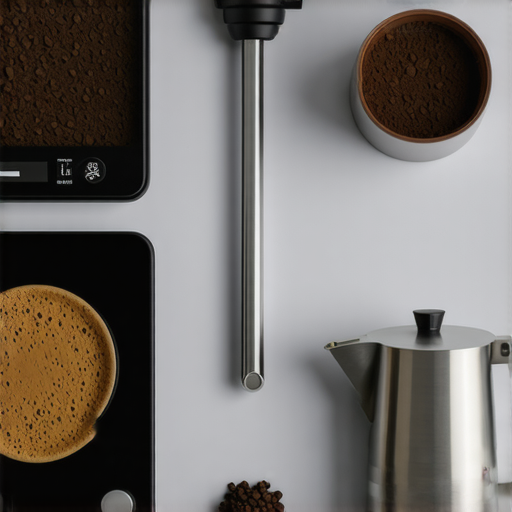
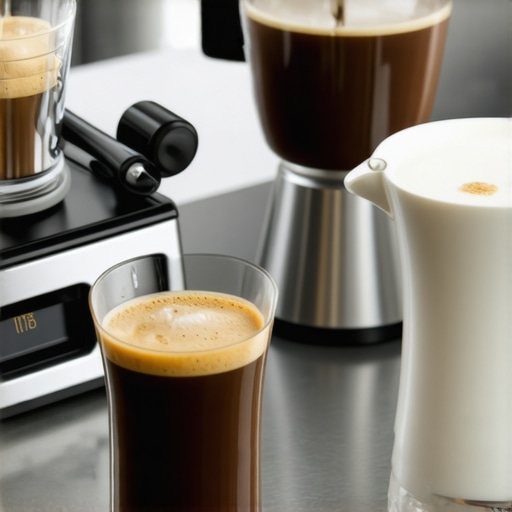
I remember the first time I tried pulling a shot of espresso that actually tasted good. I was so excited—until I realized I’d forgotten to weigh my coffee grounds and didn’t have a proper scale. That shot? It was a mess. Bitter, under-extracted, and far from the smooth, rich espresso I was dreaming of. It was a lightbulb moment for me: precision matters. Since then, I’ve learned that investing in the right coffee scales and top barista accessories isn’t just for show—it’s the secret to consistent, cafe-quality espresso at home. If you’ve ever struggled with uneven shots, missed flavor notes, or just can’t seem to get that perfect crema, this post is for you. Today, I’m going to share how the right tools can transform your coffee game, plus tips to avoid common mistakes that hold beginners back.
Why Precision Is the Key to Espresso Perfection
Espresso is a delicate dance of variables—grind size, tamp pressure, water temperature, and, most critically, weight. Early on, I made the mistake of eyeballing my coffee dose or using a cheap, unreliable scale. That’s like trying to hit a bullseye with a blindfold. Once I upgraded to a quality coffee scale designed for baristas, everything changed. My shots became more consistent, and I finally understood how minute adjustments impacted flavor. But it wasn’t just about the scale—it was also about selecting the right accessories like tamper, knock box, and milk pitcher, which all contribute to that perfect shot.
Is All the Hype Around Coffee Scales Really Worth It?
I used to think that fancy scales were just a gimmick. My early mistake was relying on guesswork—something I see many home baristas do—and it sabotaged my efforts. I’ve learned that a good scale is an investment in your craft. As a matter of fact, the precision offered by modern barista-grade coffee scales can improve your shot quality drastically. They help you dial in your grind, tamp, and extraction time to achieve that perfect balance of sweetness and bitterness. And yes, it’s absolutely worth it—once you see the difference in your espresso, you won’t want to go back to guessing.
So, have you faced this frustrating dilemma—trying to perfect your espresso without the right tools? If so, don’t worry. I’ve been there, and I’ve got some practical tips to help you elevate your coffee setup, starting with the essentials. Stay tuned, because next, I’ll show you how to choose the best accessories that will make your barista dreams come true.
Choose Your Tools Wisely and Get Precise
When I first started experimenting with my espresso machine, I quickly learned that the right accessories make all the difference. One of my first game-changers was upgrading to a barista-grade coffee scale. I remember spending a Saturday morning trying to dial in my grind size, and with that precision tool, I could measure exactly how much coffee I was using—down to the gram. It was like switching from guesswork to a science experiment. For the best results, invest in a quality tamper and a knock box, which help maintain consistency and speed up your workflow. Proper tamping pressure is crucial; aim for about 30 pounds of force, and use a tamping mat to keep things clean and steady.
Dialing In Your Dose and Extraction
Once you have your scale, start by weighing your coffee grounds before tamping. I once tried to eyeball my dose, and my shot was bitter and weak. After switching to weighing every shot, I could see the exact amount of coffee I used—say, 18 grams for a single shot. Then, tweak your grind size until your shot pulls in about 25-30 seconds. This might sound simple, but without a precision scale, it’s just guesswork. Keep notes of your settings and results; small adjustments can dramatically improve flavor. Remember, consistency in dose and tamp pressure is key to replicating your best shots.
Mastering the Art of Tamping
Tamping might seem straightforward, but the right technique requires practice. I once spent an afternoon practicing with my tamper—applying consistent pressure and ensuring the coffee bed was level. An uneven tamp leads to uneven extraction, which ruins the shot. Use a tamper with a stable handle and a tamper mat to apply even pressure. Aim for about 30 pounds of force; think of it as pressing a pancake evenly. After a few tries, I managed to develop a feel for consistent tamping that produces a beautiful, golden crema every time.
Maintaining Your Equipment for Longevity and Quality
Keep your tools in top shape to ensure long-term performance. Regularly clean your milk pitcher using warm water and a brush, which is essential for perfect latte art—check out this guide for tips. Your scale should be calibrated periodically; some models allow easy recalibration, so consult the manufacturer’s instructions or contact customer support for assistance. A clean, well-maintained setup ensures consistent results and keeps your equipment performing at its best.
Speed Up Your Workflow with the Right Accessories
Efficiency is vital, especially if you’re making multiple shots daily. Use a knock box to quickly dispose of used grounds without mess or delay. Pair it with a sturdy espresso tamper and a reliable scale to keep your process seamless. These tools aren’t just luxuries—they’re essentials for any home barista serious about quality and speed.
Keep Improving and Experimenting
The beauty of investing in the right accessories and scales is the ability to fine-tune your technique. I’ve found that small tweaks—like adjusting tamp pressure or experimenting with grind size—can elevate your espresso from good to exceptional. Bookmark this resource for ongoing tips and product recommendations. Remember, mastery comes from consistency, so keep practicing and refining your setup. Your perfect shot is just a few precise steps away.
In the world of espresso brewing, there’s a lot of advice floating around, and not all of it is accurate. Many home baristas fall into traps based on misconceptions that can sabotage their efforts without even realizing it. Let’s dig deeper into some of these hidden nuances and myths, so you can refine your craft with confidence.
Why the Focus on Scale Size Might Mislead You
One prevalent myth is that using the largest possible coffee dose automatically leads to better shots. In reality, more coffee isn’t necessarily better; it can cause over-extraction and bitterness if not balanced with other variables like grind size and tamping. The key is precision and consistency, not just quantity. A quality coffee scale helps you dial in the exact dose, but understanding how that dose interacts with your machine’s pressure and temperature is where true mastery begins.
Beware the Tamping Trap
Many beginners think that pressing down as hard as possible guarantees a good extraction. Actually, applying too much tamping force can lead to uneven water flow and channeling, which results in inconsistent shots. A better approach is to use about 30 pounds of force and ensure your tamp is level. Using a tamping mat can help maintain uniform pressure and prevent accidental uneven tamping. Remember, consistency is more important than brute force.
Get the Timing Right — But Don’t Overthink It
While aiming for a 25-30 second extraction is standard, obsessing over time without considering other factors can be a trap. For example, a shot that pulls in 20 seconds might be over-extracted if your grind is too fine, or under-extracted if your grind is too coarse, regardless of the time. The real secret is to adjust your grind and dose so your shot has a balanced flavor profile, not just to hit an arbitrary time range. Precision scales help you measure your dose accurately, but tasting and adjusting based on flavor is the ultimate guide.
Advanced Tip: The Impact of Water Temperature and Pressure
Many focus solely on grind and dose, but water temperature and pressure are equally critical. Slight deviations can cause big flavor differences. For instance, a temperature that’s too high can lead to over-extraction, while too low results in under-extraction. Professional baristas often fine-tune their espresso machines to maintain ideal parameters, something that’s often overlooked at home. Investing in a machine with precise temperature control or a pressure gauge can be a game-changer. Understanding and controlling these variables elevates your brewing from good to exceptional.
Have you ever fallen into this trap? Let me know in the comments. Mastering these nuanced details will help you avoid common pitfalls and bring out the full potential of your espresso setup, making every shot a true work of art.
Maintaining your coffee equipment is essential for consistently great espresso shots and long-term durability. Over time, even the best tools can lose precision or become less reliable if neglected. That’s why I prioritize regular upkeep and use specific techniques to keep my setup performing at its peak. For example, I always clean my milk pitcher thoroughly after each use, using warm water and a dedicated brush. This not only preserves the appearance but also prevents flavor contamination, ensuring my latte art remains sharp and clean. For detailed cleaning routines, check out this guide.
My espresso scale is another critical component. I calibrate it periodically, especially if I notice inconsistencies in your shots. Many high-quality scales allow easy recalibration—just follow the manufacturer’s instructions or contact customer support for assistance. Regular calibration ensures your measurements stay accurate, which is vital for dialing in your grind size and dose. Keep in mind that even small deviations can lead to over- or under-extraction, affecting flavor and crema quality.
To speed up your workflow without sacrificing quality, I recommend investing in a reliable knock box. It allows quick disposal of used grounds, minimizing mess and downtime. Pair this with a sturdy espresso tamper and your precision scale to keep your process seamless. These tools are game changers, especially as you start making multiple shots daily.
Looking ahead, I predict that smart technology will increasingly integrate with coffee tools. Imagine scales that automatically record your doses or tampers that provide feedback on pressure. Such innovations will make maintaining your setup even more intuitive. For now, though, the key is routine maintenance and using the right tools to ensure consistency. Try regularly recalibrating your scale or deep-cleaning your milk pitcher this week—you’ll notice the difference in your shots.
Remember, the secret to long-term success is not just buying the best tools but knowing how to keep them working optimally. Make it a habit to clean, calibrate, and inspect your gear regularly. Doing so will extend its lifespan and keep your coffee experience consistently excellent.
The Hardest Lesson I Learned About Espresso Making
One of my biggest lightbulb moments was realizing that consistency is everything in espresso brewing. I used to think that perfect shots depended solely on skill, but I soon discovered that the right tools—like a quality coffee scale—are game changers. They help me measure exactly, reducing guesswork and elevating my results.
Why Small Adjustments Make a Big Difference
Investing in a precise barista-grade scale transformed my approach. Even tiny tweaks in dose or tamping pressure significantly impacted flavor and crema. It’s amazing how a little consistency with the right accessories can turn a decent shot into a great one.
The Myth That Held Me Back for Too Long
I used to believe that tamping harder was always better. Turns out, applying about 30 pounds of force with a tamping tool and keeping it level is the secret. Over-tamping can cause uneven extraction, so mastering the technique was a game changer for my espresso quality.
The Unexpected Power of Routine Maintenance
Regularly cleaning my milk pitcher and calibrating my scale kept my setup performing at its best. This simple discipline prevents flavor contamination and measurement errors that can ruin even the best beans.
Where to Go Next in Your Espresso Journey
Beyond tools, I recommend exploring accessories like a knock box for efficiency or a tamping mat for consistent pressure. These small upgrades make a big difference in your workflow and shot quality. For ongoing tips, check out this resource.
Insider Wisdom for the Serious Home Barista
- Lesson 1: The biggest barrier is often overcomplicating the process. Focus on getting your dose, tamp, and extraction time consistent—tools help you do this.
- Lesson 2: Small adjustments in grind size and tamp pressure can unlock new flavor profiles. Keep notes and experiment!
- Lesson 3: Maintenance isn’t glamorous, but it’s essential. Regular cleaning and calibration save you headaches and improve results.
- Lesson 4: Don’t fall for myths—like tamping harder equals better. Instead, aim for mastery in technique and consistency with your tools.
- Lesson 5: Technology will continue to evolve. Stay curious and open to new accessories that can streamline your process and elevate your espresso game.
Fuel Your Passion and Keep Improving
Every great barista started with a simple desire to make better coffee. Your journey to espresso mastery is about consistency, learning, and investing in the right tools. Don’t be afraid to experiment and refine—your perfect shot is within reach. Remember, the right accessories and a disciplined routine will help you unlock your full potential and enjoy every sip along the way.
What’s the most surprising thing you’ve learned about making espresso? Share your insights below—I’d love to hear your story!
This article really hits home for me, especially about how crucial the right tools are for dialing in that perfect shot. I remember initially thinking that just upgrading my espresso machine would solve everything, but I quickly realized that consistent measurements and tamping techniques made all the difference. After investing in a good scale and practicing even tamping, my shots improved noticeably, and I started to notice those subtle flavor notes I’d been missing. The part about routine maintenance resonated with me because I used to neglect cleaning and calibration, which sometimes led to inconsistent results. Regular upkeep has genuinely extended my equipment’s lifespan and kept my brews tasting great.
I’m curious—what are some of your favorite accessories beyond scales and tampers that have helped elevate your coffee game? For me, a good knock box really sped up my workflow during busy mornings. Looking forward to hearing more tips from fellow coffee enthusiasts!
Reading through this post really reminded me how much patience and precision are needed to perfect espresso at home. I used to overlook the importance of consistently weighing my coffee and tamping with even pressure, thinking a good machine alone would do the trick. But I quickly found that small adjustments with a quality scale and tamper can make a huge difference in shot consistency and flavor clarity. I recently started using a tamping station to help apply uniform force, and it’s made my shots much more reliable. Plus, maintaining my grinder and cleaning my equipment regularly has definitely played a role in improving overall taste.
I believe that technological advancements, like smart scales that can sync with apps, could soon take this to the next level by providing detailed feedback and tracking improvements over time. Have any of you experimented with high-tech tools to assist in brewing? I’d love to hear how they’ve worked for you or if you prefer simplicity and manual adjustments. Finding that balance between precision equipment and basic tweaks has truly transformed my morning routine, making espresso more of a craft than ever before.
This post really emphasizes how critical precise measurements and quality tools are in making consistently good espresso. I completely agree that investing in a good scale is worth every penny. I used to rely on visual guesses, which led to a lot of inconsistent shots. Since I started weighing my coffee grounds and checking my tamping pressure systematically, my shots have become much more reliable, and I can finally appreciate the subtle flavor notes that were hidden before.
One thing I’ve found helpful beyond scales and tampers is investing in a good routine for cleaning and calibrating my grinder and espresso machine. It’s amazing how much variance can come from equipment that isn’t maintained regularly. Have you found that regular calibration makes a noticeable difference in your results? I’d be interested to hear how often others calibrate their equipment for optimal performance, especially when experimenting with different beans or grind settings.
This post really resonates with me, especially the emphasis on routine maintenance and how it can significantly improve shot consistency over time. I’ve noticed that when I forget to clean my grinder or calibrate my scale regularly, my espresso suffers, even if I have the right tools in place. A simple weekly cleaning routine and calibration after changing beans or grind settings have noticeably elevated my results.
It’s interesting how small adjustments, like tamp pressure or dose, can so dramatically affect the final flavor. I wonder, do others prioritize certain accessories or routines more than others? For example, I’ve recently started using a water quality test kit, since I found that my water had a big impact on extraction and taste. Has anyone else experimented with water filters or other modifications to improve espresso quality?