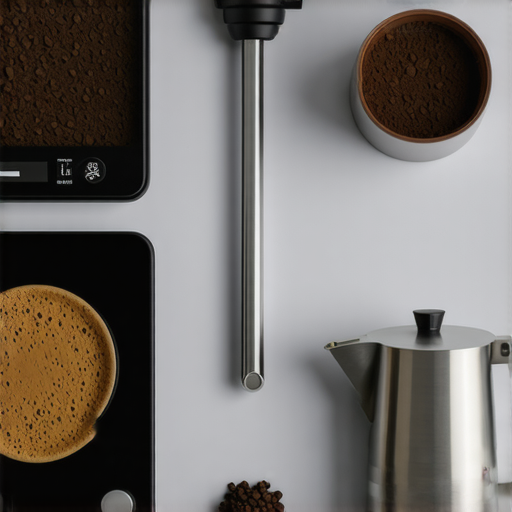
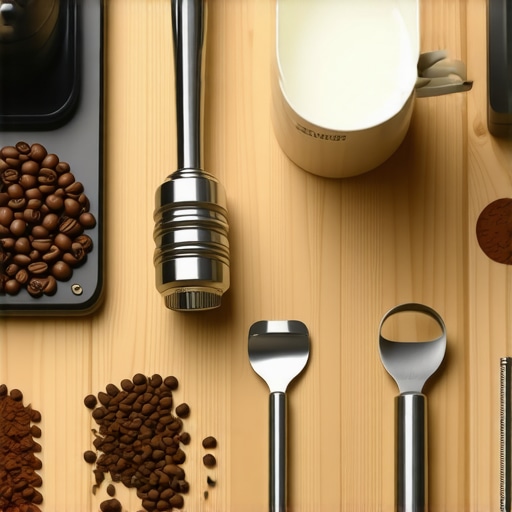
Ever had that frustrating moment where your perfectly brewed espresso turns into a watery disappointment? I remember countless mornings when I’d meticulously tamp, grind, and brew, only to be let down by inconsistent shots. It was like chasing a ghost—until I realized the missing piece was precision tools that could actually keep me on track. That lightbulb moment changed everything. Today, I want to share how investing in the right coffee scales and barista tools can transform your coffee game from average to extraordinary.
Why Precision Matters in Your Coffee Routine
When I first started my barista journey, I underestimated how much small details impacted the final flavor. I thought, “A good coffee is a good coffee,” but then I learned about the importance of weight, timing, and consistency. That’s when I discovered the power of a quality coffee scale. It’s not just about measuring; it’s about controlling every variable to achieve that perfect shot every time. Reliable tools help you dial in your grind size, tamp pressure, and extraction time, elevating your brewing from guesswork to science.
Research shows that baristas who use precise measurement tools consistently produce better-tasting coffee. According to the Specialty Coffee Association, proper dosing and extraction are key to delivering quality espresso with clarity and balance. Investing in a good coffee scale and barista accessories isn’t just a luxury—it’s a necessity for anyone serious about their craft. Want to avoid the common rookie mistake I made early on? Relying on visual cues alone often leads to uneven extraction and wasted beans. Using a scale to measure every dose ensures you get the same great taste shot after shot.
Is All the Fancy Gear Worth It?
Now, I know what you’re thinking—“Do I really need all these tools? Can’t I just wing it?” Honestly, I thought the same at first. But then I tried upgrading my equipment, and the difference was night and day. A quality knock box can speed up cleanup, while an espresso tamper that fits perfectly in your hand ensures even pressure. The right milk pitcher helps you create stunning latte art, making your coffee not just delicious but also beautiful. These tools might seem small, but they make a huge difference in consistency and quality.
Early in my journey, I kept using a cheap scale that was off by grams—trust me, it’s a mistake you’ll regret. Small inaccuracies compound quickly, ruining your shot. For a detailed look at the best tools for precision brewing, check out this guide. Over time, I built a set of reliable accessories that now feel like extensions of my hands, helping me brew with confidence every morning.
So, have you ever faced inconsistent espresso shots despite following all the tutorials? If so, stay tuned. The next sections will guide you through selecting the perfect scale and barista tools that will turn your coffee routine into an art form. Because, after all, the right tools can make all the difference between good and extraordinary coffee.
Get Your Scale Right First
When I decided to refine my espresso shots, the first step was choosing a quality coffee scale. I remember a morning when I used a cheap, off-brand scale, and my shot was off by grams—resulting in a sour flavor. I replaced it with a recommended precision coffee scale. To use it effectively, place the scale on a flat surface, turn it on, and tare it to zero. When dosing your coffee, do it directly on the scale for immediate feedback. During extraction, watch the weight decrease steadily, aiming for your target dose. This control ensures consistency and prevents wastage.
Fine-tune Grind Size and Dose
Next, adjust your grinder to match the weight you measured. A consistent dose—say, 18 grams—requires precise grind settings. I once overshot to 20 grams, which led to under-extraction and a bitter taste. Dial in your grind until the scale reads exactly your desired dose. Remember, small adjustments can have big impacts. Use your barista accessories to keep your setup organized and accurate.
Perfect Your Tamper Technique
With your dose ready, focus on tamping. Think of your tamper as a stamp that leaves an even imprint on your coffee bed. I once applied uneven pressure, which caused channeling during extraction. To avoid this, hold the tamper level and apply firm, consistent pressure—about 30 pounds—until the surface is flat and smooth. A quality tamper that fits comfortably in your hand makes this easier. Practice over a scale to ensure you’re applying the right force. Consistent tamping leads to even water flow through the coffee bed, resulting in a balanced shot.
Control Your Extraction Time
Start your shot and keep an eye on your timer or scale to monitor extraction. A typical espresso takes about 25-30 seconds. During my early days, I would guess or rely on visual cues, which resulted in inconsistent flavor. Now, I watch the scale’s reading to see the shot volume and timing. If your extraction is too fast, adjust the grind to be finer; if too slow, make it coarser. This feedback loop is crucial for dialing in the perfect shot every time.
Prepare Your Milk for Latte Art
Once your espresso is dialed in, steaming milk is the next step. Use a stainless steel milk pitcher that fits comfortably in your hand. Fill it just below the spout for better control, and steam until the milk reaches 140-150°F. Swirl and tap the pitcher to remove bubbles, then practice pouring in a steady stream. A well-frothed, glossy milk creates the perfect canvas for latte art. For more tips, see milk pitcher and frothing techniques.
Maintain Your Tools for Longevity and Consistency
Finally, keep your tools in top shape. Regularly clean your milk pitcher and scale to prevent residue buildup that affects flavor. A clean tamper ensures even pressure, and a well-maintained knock box makes cleanup quick. Proper maintenance guarantees that your tools remain accurate and reliable for every shot.
< >
>
Many coffee enthusiasts jump into upgrading their setup with high-end coffee scales, espresso tampers, and milk pitchers, hoping to instantly perfect their brews. However, even seasoned baristas often fall prey to misconceptions about these essential tools. Let’s dissect some of the most pervasive myths and reveal the hidden nuances that can make or break your coffee game.
Why Your Coffee Scale Might Be Sabotaging Your Shots
One common mistake is believing that any digital scale will do. In reality, a cheap or uncalibrated scale can introduce inaccuracies that lead to inconsistent dosing. For example, a scale with a poor load cell can fluctuate by grams, throwing off your extraction timing and flavor balance. It’s tempting to rely solely on visual cues, but studies, such as those from the Specialty Coffee Association, emphasize the importance of precise measurement for repeatability. Upgrading to a dedicated precision coffee scale ensures your doses are accurate every time, preventing the trap of inconsistent shots.
The Truth About Tamping Pressure
Many believe that pressing harder with their espresso tamper results in better extraction. This is a myth. In fact, applying excessive force can cause uneven tamping and channeling, leading to poor extraction. The key is consistency—aim for about 30 pounds of pressure and ensure your tamper fits well in your hand. A quality tamper with a comfortable grip helps achieve this. Remember, it’s not about brute strength but control and uniformity, which are often overlooked by beginners eager to push harder.
Milk Pitchers Are Just for Frothing
It’s a misconception that a milk pitcher’s only role is steaming milk. In reality, the shape and size of your milk pitcher significantly influence your latte art capabilities. A well-designed pitcher with a narrow spout allows for better control during pouring, helping you craft intricate designs. Additionally, the material affects heat retention, impacting how you pour. Using a pitcher that fits comfortably in your hand and is easy to clean is crucial. For detailed tips, check out this guide. Remember, an investment here can elevate your presentation and overall experience.
How Many Knock Boxes Are Too Many?
Another common misconception is that a larger or more expensive knock box automatically means better efficiency. In truth, the best knock box is one that fits your workflow without taking up unnecessary space. Overly large boxes can be cumbersome to clean, while cheap models may break easily. The secret lies in selecting a sturdy, easy-to-clean box that integrates seamlessly into your setup. For example, some models feature a spring-loaded mechanism that speeds up disposal, a detail often overlooked but vital for quick turnover during busy mornings. To discover the optimal choice, see this detailed guide.
Advanced Tip: Are Barista Accessories Really Worth the Investment?
For those aiming for perfection, it’s tempting to believe that the more accessories you buy, the better your coffee will be. While some specialized tools can indeed improve consistency—like calibrated tampers or precision scales—the key is understanding your specific needs. Over-investing in gadgets that don’t suit your workflow can clutter your space and create confusion. Focus on quality, essential tools, and mastering their use before expanding your arsenal. For a curated list of must-have items, visit this collection. Remember, mastery of basic techniques often outweighs the allure of fancy gear.
Have you ever fallen into this trap? Let me know in the comments and share your experiences. The real secret to great coffee isn’t just tools—it’s understanding how to use them effectively and avoiding common pitfalls.
Maintaining your barista tools isn’t just about hygiene—it’s a critical step in ensuring consistent, high-quality coffee shots every time. From your precision coffee scale to your milk pitcher, proper care extends their lifespan and keeps your brewing predictable. Today, I’ll share the exact methods I use to keep my equipment working flawlessly, along with the tools I recommend for long-term success.
How do I maintain my coffee scale over time?
Investing in a high-quality scale is just the beginning; regular calibration is essential. I personally use a calibration weight to verify my precision coffee scale every few months. Clean the surface with a soft, damp cloth after each use to prevent dust or coffee residue from affecting accuracy. If your scale begins to drift or shows inconsistent readings, it’s worth recalibrating or replacing it. Digital scales with auto-calibration features can simplify this upkeep, reducing guesswork and ensuring your doses are always precise.
Why regular cleaning is vital for your milk pitcher
My milk pitcher gets a daily rinse with hot water and a gentle brush to prevent milk residue buildup. For thorough cleaning, I use a mixture of warm water and a mild detergent, then dry it immediately to avoid rusting. Regular maintenance prevents flavor contamination and ensures a smooth pour, which is critical when creating latte art. I also inspect the spout for any buildup that could clog or disrupt the flow, and I replace my pitchers every couple of years to maintain optimal performance.
What about keeping your tamper and knock box in peak condition?
Your tamper needs to be checked for wear and tear; a warped or dented tamper can cause uneven tamping. I regularly inspect mine for any damage and store it in a dedicated holder to prevent deformation. For my knock box, cleaning is straightforward—just rinse after each use and occasionally deep clean with a mixture of baking soda and water. Proper maintenance ensures that all these tools perform consistently, helping you craft perfect espresso shots without unexpected hiccups.
Looking ahead, I believe that automation and smart cleaning tools will become more integrated into the barista routine, making maintenance even easier. For now, dedicating a few minutes daily to cleaning and regular calibration will keep your equipment reliable. I highly recommend trying out a precision scale with auto-calibration features to simplify your routine. Keep your tools in top shape, and your coffee will thank you with every shot.
The Hardest Lesson I Learned About Coffee Tools
One of my biggest regrets was ignoring the importance of calibration for my coffee scale. I thought a cheap scale was good enough until I realized that even a slight misreading could ruin my shot. Investing in a high-quality, auto-calibrating scale changed everything, making my measurements consistently accurate and my espresso shots more reliable.
Why Consistency Beats Force When Tamping
I used to think pressing harder would somehow improve my extraction. Turns out, applying about 30 pounds of pressure evenly is what really matters. The game-changer was practicing with a quality tamper that fit comfortably in my hand, which helped me develop a consistent tamp every time. It’s not about strength, but control and finesse.
Latte Art Is More Than Just Frothing Milk
I used to believe that milk pitchers were just for steaming. But I learned that the shape and spout design greatly affect my pouring control. A narrow spout and a comfortable grip made my latte art more intricate and beautiful. Choosing the right pitcher turned my coffee into a visual masterpiece that delighted both the eyes and the palate.
Small Tools Make Big Differences
My knock box, initially a simple container, became a vital part of my workflow once I picked a sturdy, easy-to-clean model. Speeding up cleanup during busy mornings saved me time and kept my station tidy. It’s amazing how tiny details like this can boost overall efficiency and mood behind the bar.
My Top Tip for Long-Term Success
Regular maintenance and cleaning of your tools are non-negotiable. I schedule weekly deep cleans for my milk pitcher and scale, ensuring they stay in top shape. This routine preserves their accuracy and longevity, preventing unexpected issues that could compromise my coffee quality. Trust me, good tools deserve good care.
Reading this post really resonated with me because I’ve seen how much a good scale can improve espresso consistency. When I first started, I relied on visual cues, which often led to uneven shots and wasted beans. Switching to a quality, calibrated coffee scale revolutionized my brewing. The precision not only helps me dial in the exact dose but also makes the entire process more enjoyable since I can track my progress clearly. I’ve also learned that tamping uniformity is vital—applying consistent pressure ensures even extraction and better flavor.
I’m curious to hear from others—what’s your biggest challenge when it comes to maintaining consistency with your tools? Are there particular maintenance routines that have helped you keep your equipment performing at its best? I’ve found that regular cleaning and calibration are small investments that pay off greatly in the quality of my brews. Mastering these basics has genuinely elevated my coffee routine and made my mornings more satisfying.
I really appreciate this detailed breakdown of barista tools and techniques. When I first started exploring precision brewing, I also underestimated how much small adjustments could influence the final flavor. A well-calibrated scale is indeed game-changing, especially when trying to replicate shots consistently. I agree that investing in a quality tamper and learning proper tamping pressure makes a huge difference—it’s all about control rather than brute force.
One thing I’ve noticed is that many beginners overlook the importance of maintaining their tools properly. I used to ignore cleaning my milk pitcher regularly, which led to build-up that affected the taste and pour quality. Now, I make it a routine to thoroughly clean all my equipment after each session. Do you or others have tips on how to streamline tool maintenance without it becoming a chore? I’d love to hear suggestions on keeping everything in top shape with minimal fuss. Sometimes, small habits can make a big difference in the overall quality of our coffee.
This post really hit home for me, especially the part about the importance of consistency with tools. I used to think that as long as my coffee tasted good, I was good to go, but I’ve found that investing in a good scale and keeping everything calibrated makes a huge difference. I remember a few weeks ago, I ignored recalibrating my scale, and it threw off my dosing by a couple of grams, resulting in a less-than-stellar shot. Since I started regularly calibrating and maintaining my tools, my espresso consistency has skyrocketed. One thing I’d love to hear from others is how they balance the routine cleaning with a busy schedule—do you have tips for quick but thorough maintenance? Also, what’s your experience with different types of tampers? I’ve been experimenting with weighted tampers, and I’d be interested to know if others find them more effective.
Reading through this comprehensive guide really made me reflect on how much small tools impact the overall brewing process. I’ve personally struggled with maintaining consistency, especially when it comes to tamping and measuring doses accurately. Since I started using a digital scale that auto-calibrates, my shots have become noticeably more consistent, and the flavor profile is richer. However, I still find cleaning my milk pitcher quickly after steaming to be a chore, which sometimes leads to residue buildup.
This post really resonates with me because I used to think tools like scales or tampers were just optional accessories. It wasn’t until I started paying closer attention to my process that I realized how much these small adjustments can elevate your coffee. I especially agree with the importance of consistent tamping pressure—I used to press too hard or unevenly, causing channeling. Practice over a scale helped me develop a more controlled, repeatable technique. Also, I’ve found that routine maintenance really helps keep my equipment in top shape; for instance, cleaning my milk pitcher daily and recalibrating my scale monthly. It’s these small habits that make a noticeable difference in flavor and consistency. What’s everyone’s favorite way to streamline tool maintenance without adding too much hassle to busy mornings?