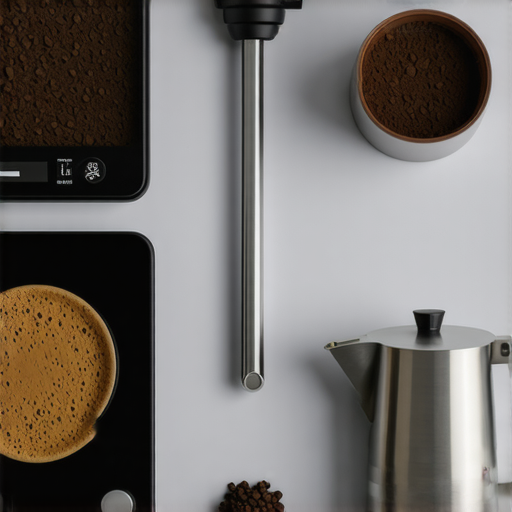
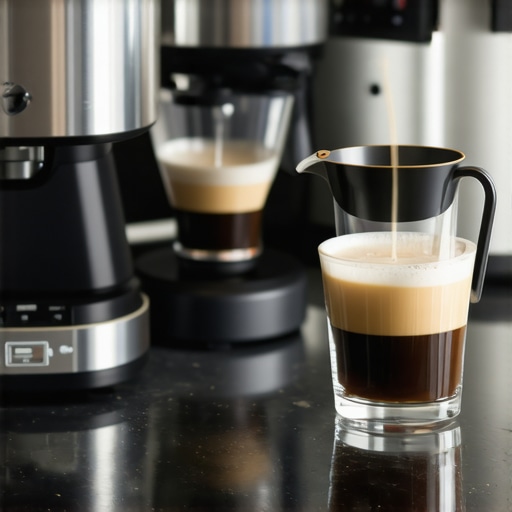
Ever had that frustrating moment when your espresso shot comes out just a tad off—either too bitter, too weak, or unevenly extracted—and you can’t quite put your finger on why? I used to think it was all about the beans or the machine, but it turns out, the real game-changer was my tools. Specifically, my coffee scale and barista accessories. It was a lightbulb moment when I realized that precision in coffee brewing isn’t just about technique; it’s about equipping yourself with the right gear.
Why getting your tools right makes all the difference
When I started, I was casually eyeballing my measurements. Sure, it worked sometimes. But more often than not, my shots were inconsistent. The breakthrough came when I invested in a quality coffee scale. Suddenly, I knew exactly how much coffee I was using, how much water was passing through, and the timing of each shot. The results? Night and day. Not only did my espresso taste better, but I also gained confidence in my brewing process. The right tools have the power to turn a decent cup into a remarkable experience.
Is investing in barista tools actually worth the hype?
Here’s where I stumbled early on—I thought that fancy tools were just for pros or for show. I was wrong. Initially, I skipped on a proper espresso tamper and a decent milk pitcher. My shots suffered because of it. The mistake? Believing that tools don’t matter as much as technique. Trust me, the right accessories elevate your brewing to a new level, making the process more consistent and enjoyable. Want to avoid my early mistakes? Let’s explore the essential gear that can make your coffee better, faster, and more fun.
Measure Precisely with Your Coffee Scale
My first step was always to weigh my coffee beans and water, but I realized that accuracy was my secret weapon. I bought a coffee scale and started measuring every gram. One morning, I prepared a shot, carefully weighed 18 grams of coffee, and timed my extraction. The result? A shot that was consistently rich and balanced. To get this right, zero your scale before adding coffee, and use the tare function to reset to zero after placing your portafilter or cup. Precision makes a huge difference in flavor and consistency.
Tamp with Authority Using a Quality Tamper
Next, I focused on tamping correctly. I used a barista tamper that fit my portafilter perfectly. I pressed down with steady, even pressure—imagine pressing a button firmly but smoothly. During my first attempt, I was inconsistent, sometimes pressing too hard or unevenly, which caused channeling. Once I practiced tamping with consistent pressure—about 30 pounds of force—I saw my shots become more uniform and flavorful. A good tamp ensures even water flow, preventing under- or over-extraction.
Perfect Your Milk Frothing with the Right Pitcher
Frothing milk is an art. I switched to a milk pitcher that felt comfortable in my hand and had the right spout for latte art. I heated the milk to about 150°F and used a swirl motion to create a smooth, glossy microfoam. I found that tilting the pitcher slightly and positioning the steam wand just below the surface helped introduce tiny bubbles. Practicing this technique resulted in silky milk that poured beautifully over my espresso, transforming a simple drink into a visual delight. For maintenance tips, check out this guide.
Speed Up with a Knock Box
After pulling shots, I used a knock box to quickly dispose of used grounds. Instead of tapping the portafilter on the sink, I gently knocked it into the box, which kept my workspace tidy and sped up my workflow. During a busy morning, this small step prevented delays and kept my machine running smoothly. Regularly cleaning your knock box also maintains hygiene and ensures it functions well over time.
Combine Your Tools for Consistency
Integrating these tools—accurate scales, proper tampers, quality pitchers, and efficient knock boxes—transformed my coffee routine. Every step, from weighing to tamping to frothing, contributes to a better shot. Remember, practice is key. Repetition trains your muscle memory and helps you develop a consistent technique. If you want to explore more accessories that elevate your coffee game, check out these premium barista tools. Mastering each piece of equipment not only improves taste but also boosts your confidence as a home barista.
Many coffee enthusiasts believe that investing in top-tier coffee scales, espresso tampers, milk pitchers, or knock boxes automatically guarantees perfect brews. However, even seasoned baristas often fall prey to nuanced mistakes that can compromise their results. Let’s dig deeper into what most people overlook and how to avoid these pitfalls.
Are your tools truly optimized for your workflow?
One common myth is that more expensive or feature-rich equipment always leads to better coffee. While quality matters, the key lies in compatibility and proper use. For instance, a coffee scale is only effective if it’s calibrated correctly and used consistently. Many users neglect to zero their scale properly or forget to tare after adding their portafilter, leading to inaccurate measurements. Remember, precision isn’t just about the tool’s specs but how you integrate it into your routine.
Similarly, with espresso tampers, the misconception is that pressing harder yields better extraction. In reality, applying the right amount of consistent pressure—around 30 pounds—is what ensures even water flow. Over-tamping or inconsistent pressure can cause channeling, which spoils the shot. The nuance is in your technique, not just the tool’s quality.
Beware of the trap: Overfocusing on gear, neglecting technique
Many believe that the latest milk pitchers or knock boxes are the secret to barista greatness. But equipment alone won’t transform your coffee. For example, a milk pitcher needs proper angle and motion during frothing. The best pitchers are just a tool—your technique determines microfoam quality and latte art.
Another common mistake is not maintaining your tools properly. A dirty milk pitcher or neglected scale can introduce inconsistencies. Regular cleaning and calibration are essential for sustained performance. For instance, a buildup of milk residues in the pitcher spout can clog the flow, affecting latte art. Similarly, uncalibrated scales can throw off your measurements, resulting in under- or over-extracted shots.
What advanced baristas know about these tools
For those looking to elevate their skills, understanding the hidden nuance is critical. For example, calibrating your scale to account for environmental factors like temperature and humidity can improve measurement accuracy. Also, mastering the tamping technique with consistent pressure prevents channeling and uneven extraction. These details, often overlooked, can make the difference between a good shot and a legendary one.
In conclusion, the secret isn’t just in having the right gear but in understanding its proper use and maintenance. The next step is to question whether your tools are truly serving your craft or just giving you a false sense of security. Have you ever fallen into this trap? Let me know in the comments. For more insights on mastering your barista tools, check out these advanced tips.
Maintaining your barista tools goes beyond simple cleaning; it’s about establishing a routine that ensures precision and longevity of your equipment. For instance, regular calibration of your coffee scale is crucial. I personally schedule calibration checks every few months using a set of certified weights. This guarantees that my measurements stay accurate, helping me replicate the perfect shot consistently. Over time, environmental factors like humidity can skew readings, so I keep a calibration kit handy to adjust if necessary. The future of this trend points toward smart scales with automatic calibration and Bluetooth connectivity, making routine maintenance even easier.
How do I maintain my espresso tamper and milk pitcher over time?
For my milk pitcher, I follow a strict cleaning regimen after each use. I rinse it thoroughly with warm water, then scrub with a soft brush to remove milk residues that can clog the spout or cause bacteria buildup. Occasionally, I deep-clean it with a mixture of baking soda and water to eliminate stubborn stains and odors. This keeps the pitcher in pristine condition, ensuring the microfoam remains silky. Similarly, I inspect my espresso tamper for any signs of wear or deformation. A slightly dented tamper can lead to uneven tamping pressure, affecting extraction. Replacing it when necessary preserves consistency and shot quality. Investing in high-quality tools and maintaining them properly is an investment in your craft’s future; it pays off with every perfect espresso shot you pull.
What advanced tip can elevate my coffee game today?
One game-changing tip is to regularly check the calibration of your coffee scale against a known standard, especially if you notice fluctuations in shot quality. Using a set of traceable calibration weights can help you fine-tune your measurements. This small step can dramatically improve consistency, especially during busy mornings when speed and precision matter most. Don’t wait for your tools to give out—routine maintenance keeps them performing at their best, helping you craft barista-quality coffee every time.
The Hardest Lesson I Learned About coffee scale, espresso tamper, milk pitcher, knock box, barista accessories
One of my biggest lightbulb moments came when I realized that even the best tools won’t make a difference unless I used them with intention and consistency. I used to rush through measurements, tamping, and steaming, thinking that the equipment was there to compensate for my technique. But I discovered that precision and routine are what truly unlock perfect espresso shots. For example, calibrating my coffee scale regularly, even when I was busy, kept my measurements accurate and my shots balanced. It’s easy to overlook the importance of routine maintenance, but this simple habit transformed my brewing process and boosted my confidence.
3 Myths About coffee scale, espresso tamper, milk pitcher, knock box, barista accessories That Held Me Back
I used to believe that more expensive equipment always meant better results. That’s not true—what matters more is how you integrate your tools into your workflow. I thought a high-end coffee scale or a fancy espresso tamper would automatically improve my shots. But I learned that proper technique—like applying about 30 pounds of tamping pressure or zeroing my scale before each shot—is what truly makes the difference. Equipment is just the foundation; technique is the magic.
What Experts Won’t Tell You About coffee scale, espresso tamper, milk pitcher, knock box, barista accessories
One secret I uncovered is the importance of maintaining your tools. For example, a milk pitcher needs regular cleaning to ensure smooth pouring and microfoam. Similarly, calibrating your scale against certified weights helps keep measurements accurate, especially in fluctuating environmental conditions. These small but crucial steps prevent inconsistencies and extend the lifespan of your tools. When I started paying attention to maintenance, my shots became more consistent and my coffee looked—and tasted—better than ever.
Make Yourself Visible: Master Your Coffee Tools for Better Shots
My final insight is that mastering your tools is about more than just buying the right gear. It’s about establishing a routine of calibration, cleaning, and consistent technique. Whether it’s tamping with the right pressure, steaming milk to silky microfoam, or measuring every gram, each detail matters. My advice? Regularly review and refine your process, and don’t be afraid to invest in quality tools like barista accessories. The results—rich, balanced, and beautiful espresso—are well worth the effort. Remember, your tools are only as good as your commitment to using and maintaining them properly.