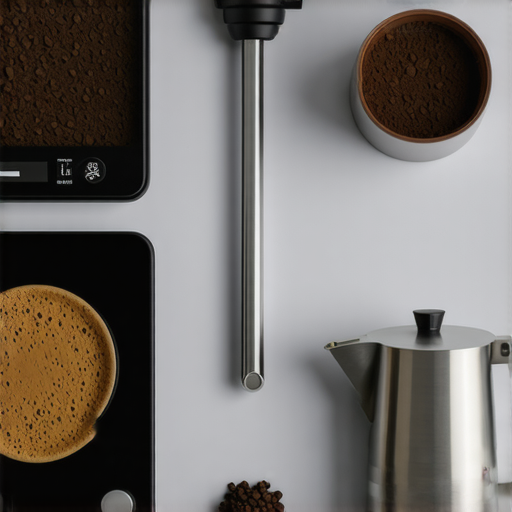
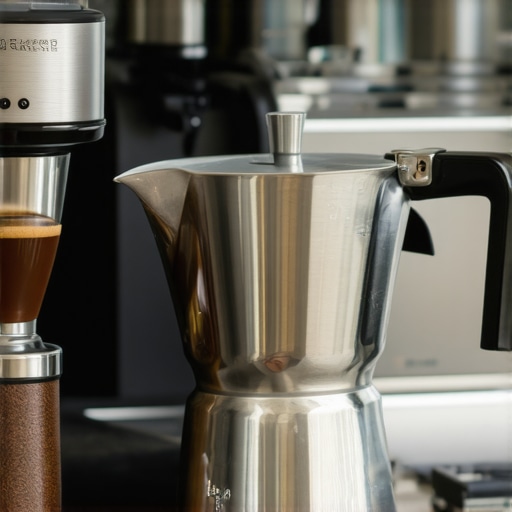
Ever had that frustrating moment when your perfectly steamed milk turns into a lumpy, uncooperative mess just as you’re about to pour that heart or rosette? I know I have. I used to think it was all about my steaming technique until I realized I was fighting against the very tools meant to elevate my coffee art. The difference between a mediocre pour and a stunning latte art masterpiece often comes down to the accessories I used — specifically, my milk pitcher and tamper. When I finally invested in the right tools, everything changed, and so did my coffee game.
Why Choosing the Right Accessories Matters More Than You Think
In the world of barista-level coffee art, the tools you use can make or break your results. A good milk pitcher isn’t just about aesthetics; it influences how you pour, the flow of milk, and ultimately, the shape of your latte art. Similarly, a proper tamper ensures your espresso shot is evenly compressed, providing the perfect base for that delicate milk design. But here’s the catch — not all accessories are created equal, and choosing the wrong ones can lead to frustration and wasted beans.
Early on, I made the mistake of assuming that any pitcher would do. I bought a cheap, lightweight pitcher that was hard to control and a basic tamper that didn’t fit my portafilter perfectly. The result? Milk that was difficult to pour smoothly and espresso shots that lacked consistency. It wasn’t until I started paying attention to quality and compatibility that I saw real progress. And trust me, it’s worth the investment. For detailed tips on maintaining your tools, check out this guide.
Will better tools instantly perfect my coffee art?
That’s what many skeptics ask, and honestly, I was one of them. I thought, “Is it really worth splurging on a fancy pitcher or a premium tamper?” My early mistake was underestimating how much the right tools can improve your technique and results. It’s not about magic; it’s about consistency and control. High-quality accessories help you pour more predictably, control milk flow, and tamp espresso evenly — all critical for beautiful coffee art.
So, if you’ve ever felt stuck at that awkward stage where your milk doesn’t pour right or your espresso doesn’t seem to cooperate, you’re not alone. But I promise, with the right tools and a little guidance, you can elevate your coffee craft. Ready to discover how to pick the best accessories for your setup? Let’s dive into the practical steps that will turn you into a latte art artist in no time.
Pick the Right Milk Pitcher for Control and Precision
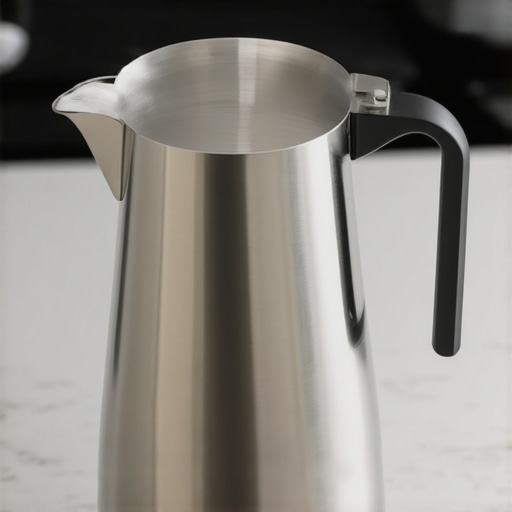
Start by selecting a milk pitcher that feels comfortable in your hand. Look for a pitcher with a well-balanced weight and a spout designed for precise pouring. A good rule of thumb is to choose a pitcher with a narrow spout, which allows for better control over milk flow—crucial for creating intricate latte art patterns. I once borrowed a lightweight, generic pitcher and struggled with pouring smooth, consistent designs; switching to a heavier, stainless-steel pitcher with a fine spout transformed my technique. For a detailed look at top options, check out this guide.
Next, maintain your pitcher regularly. Clean it thoroughly after each use to prevent milk residue buildup, which can affect pouring accuracy. For tips on upkeep, visit this maintenance guide.
Choose an Espresso Tamper That Fits Perfectly
The tamper is your secret weapon for an even espresso shot. Select a tamper with a handle that feels comfortable and a base diameter matching your portafilter. An ill-fitting tamper causes uneven pressure, leading to inconsistent extraction and compromised latte art. I learned this firsthand when I used a cheap, oversized tamper; switching to a precisely fitting, ergonomic tamper improved my shot quality immensely. For professional-grade options, explore this selection.
Apply firm, even pressure when tamping. Hold the tamper vertically and press down with steady force, ensuring the coffee is evenly compressed. This step is critical—an uneven tamp results in uneven espresso flow, ruining your latte art. Want to refine your technique? Visit this guide.
Blend Your Tools for Consistency
Pairing a high-quality pitcher with a well-fitting tamper ensures your coffee-making process is smooth and predictable. Use a digital scale during extraction to monitor shot weight, achieving consistency over time. For precision, consider top-rated scales. Remember, even the best tools won’t compensate for technique, but they can make a significant difference in your results.
Experiment with different tools to find what suits your style best. Once you settle on your perfect pitcher and tamper, practice pouring with controlled speed and steady hands. Over time, your latte art will become more refined and artistic. For more expert tips, visit this resource.
< >
>
While many beginners focus on choosing the right tools like the perfect milk pitcher or tampers, there’s a subtle trap that even experienced baristas often fall into: over-relying on equipment without mastering the nuanced techniques that make the difference in latte art. It’s a common misconception that upgrading your gear automatically elevates your coffee game. In reality, understanding the hidden nuances of tool usage and technique can be the real game-changer. Let’s dig deeper into what most people get wrong and how to avoid these pitfalls.
Why Mastering Technique Outweighs Equipment Upgrades
Many believe that investing in high-end accessories will instantly perfect their coffee art. However, studies and expert insights, such as those from coffee equipment specialists, show that technique holds more weight. For example, even the best pitcher won’t help if you don’t control your pouring speed or angle correctly. The nuanced control of milk flow, which determines the intricacy of latte art, depends heavily on your hand stability and understanding of the tool’s behavior.
One common myth is that a larger spout guarantees better pour control. In reality, the spout’s design, weight distribution, and your grip are more critical. An overly lightweight pitcher can cause inconsistent milk flow, leading to uneven latte art. Conversely, a well-balanced, heavier pitcher offers more control, especially for intricate designs. For advanced baristas, practicing with your specific tools—regardless of brand—is essential to unlock their full potential.
Beware of the ‘Set-It-and-Forget-It’ Mindset
Another mistake is neglecting the maintenance and calibration of your tools. For instance, a dirty or improperly maintained milk pitcher can harbor residual milk fats that alter pouring behavior over time. Similarly, an uncalibrated coffee scale can give misleading readings, leading to inconsistent shots. Regularly cleaning and maintenance are vital, but so is periodic calibration of your equipment to keep everything performing at its best.
Are You Tuning Your Technique for Your Unique Tools?
Advanced baristas often ask themselves whether their technique suits the specific tools they own. For example, a certain pitcher might pour better when held at a specific angle or speed, which varies from one individual to another. Experimenting with different pouring angles, speeds, and even adjusting your grip can unlock the full potential of your accessories. This personalized tuning is often overlooked but is crucial for achieving professional-quality latte art. For detailed tips, check out this resource.
Remember, the secret isn’t just in the tools you pick but how you learn to use them with finesse. Have you ever fallen into this trap? Let me know in the comments!
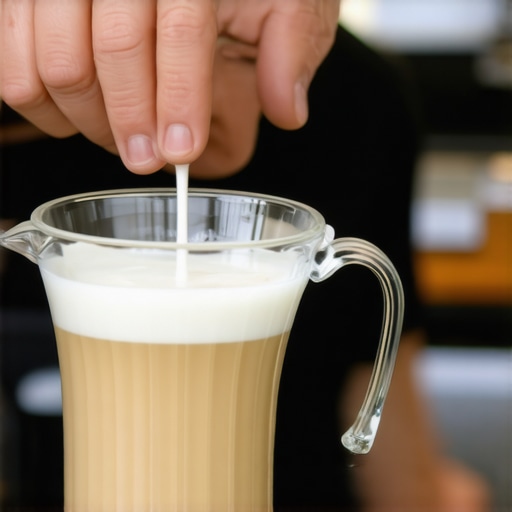
Maintaining your coffee tools is crucial for sustaining high-quality latte art over time. Even the best equipment can lose its edge if not properly cared for. One of my favorite methods to keep my milk pitcher in pristine condition is regular thorough cleaning, as detailed in this maintenance guide. Using warm water and a gentle brush ensures residual milk fats and mineral deposits are removed, preventing buildup that can affect pouring accuracy and hygiene.
Equally important is calibrating your coffee scales periodically. Even small deviations can lead to inconsistent espresso shots, making your latte art look uneven. I recommend checking your digital scale against a known weight at least once a month. For precise calibration techniques and the best models, explore this guide on coffee scales. Proper maintenance extends the lifespan of your tools and ensures every shot is as good as the first.
How do I keep my tools functioning flawlessly over time?
Consistency in maintenance routines is key. Schedule weekly cleanings for your milk pitcher and monthly calibration checks for your scales. Using appropriate cleaning solutions designed for coffee equipment helps prevent corrosion and residue buildup. Additionally, storing your tools in a dry, dust-free environment preserves their functionality and appearance. Investing in quality storage options, like padded cases or dedicated drawers, minimizes accidental damage and keeps your gear ready for every brew session.
Looking ahead, I believe the trend toward integrated smart cleaning systems will grow. Imagine having a self-cleaning milk pitcher or scales that notify you when calibration is needed—these innovations could revolutionize how we care for our coffee gear. Staying updated with new tech will keep your setup at peak performance and make maintenance hassle-free.
Don’t overlook the importance of a solid maintenance routine—try scheduling a weekly deep clean and monthly calibration check. This simple step can dramatically improve the consistency and longevity of your tools, making every cup a masterpiece. Ready to level up your coffee game? Check out this selection of essential tools for reliable performance and start your routine today.
The Hardest Lesson I Learned About Coffee Accessories
One of my biggest lightbulb moments was realizing that even the best milk pitcher or tamper can’t save a poor pouring technique. Mastery of hand movements and pouring angles beats fancy equipment every time. I used to spend hours and money upgrading my tools, only to find my latte art still lacked finesse. The breakthrough came when I focused on the skill of pouring and how my tools responded to my touches.
My Essential Toolkit for Coffee Art Success
Over the years, I’ve come to trust a few key accessories that truly elevate my coffee game. A high-quality, well-balanced milk pitcher with a narrow spout gives me better control over milk flow, making intricate designs easier to accomplish. My favorite is a stainless-steel pitcher that feels solid in my hand. For tamping, a precisely fitting, ergonomic tamper ensures my espresso shots are evenly compressed, creating a consistent base for latte art. These tools, combined with regular maintenance, are my secret weapons.
Believe in Your Progress: Your Coffee Art Journey
Remember, technique is more crucial than equipment. Every barista, beginner or pro, starts with imperfect pours, but persistence and mindful practice lead to mastery. I encourage you to experiment with your tools, refine your pouring style, and enjoy the process of learning. Your future latte art will thank you for it. Stay committed, and don’t hesitate to explore new accessories that suit your style. Your coffee art journey starts now!
Have you ever struggled with controlling your milk flow or tamping evenly? Let me know below!
Reading this post really resonated with my own experience. I used to think that investing in top-tier tools would instantly improve my latte art, but I quickly learned that technique is just as important—if not more so. I found that my control over milk pouring really improved once I switched to a heavier, well-balanced pitcher with a narrow spout, which aligns with the advice here. Consistent maintenance of my equipment, like regular cleaning and calibration, has also made a noticeable difference in shot quality and pour precision. It’s fascinating how small adjustments in technique and tool care can elevate the entire process. Have others found certain tools or maintenance routines to be game changers in their coffee craft? I’d love to hear more insights or tips for mastering the delicate art of pouring to create those perfect rosettes or hearts.
This post really highlights how much attention to detail goes into creating beautiful latte art. I wholeheartedly agree that selecting the right tools can make an enormous difference, but I also found that perfecting technique is equally, if not more, important. For example, I used to struggle with uneven pouring when I was focused solely on equipment upgrades, but once I started practicing consistent hand movements and controlled pour angles, my designs improved dramatically. It made me wonder—how do other baristas balance investing in quality tools while continually honing their pouring skills? In my experience, setting aside dedicated practice time really helps. Additionally, I’ve noticed that tweaking the temperature and frothing technique for milk can enhance flow and control, which makes a big difference in complex designs. Have others found any specific tips or drills that helped them improve their pouring finesse alongside their tool choices? Would love to hear what worked for you!
This article really hits home for me, especially regarding the importance of quality accessories. I used to think that just having a decent pitcher and tamper was enough, but I found that the control I gained from well-made tools was a game changer. I remember upgrading to a heavier, stainless-steel pitcher with a narrow spout, and suddenly pouring became so much more precise. The difference in milk flow and the ability to create more intricate latte art was noticeable right away. Additionally, I’ve learned that regular cleaning and calibration of my tools have helped maintain consistency over time. What are some of your favorite maintenance routines or tools that have helped prolong the lifespan of your equipment? From my experience, a little extra care really pays off in producing stunning latte art consistently.