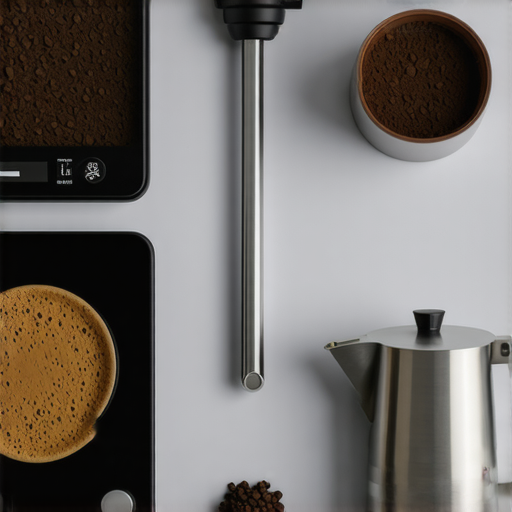
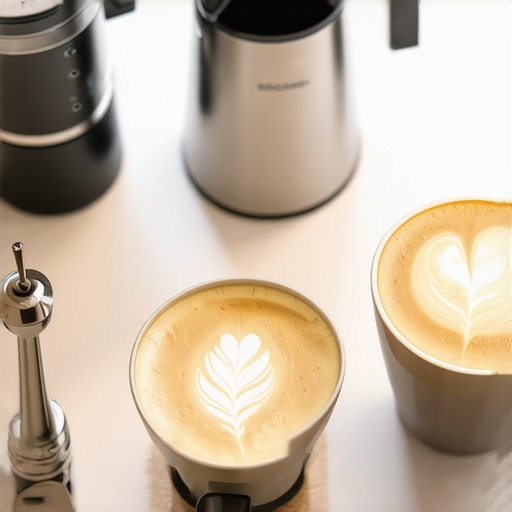
Have you ever pulled a shot of espresso only to end up with a less-than-stunning crema or a latte art design that looks more like a scribble than a picture? I’ve been there. The frustration of investing time and money into brewing the perfect cup can be overwhelming, especially when your coffee art doesn’t match your intentions. One lightbulb moment for me was realizing that the secret isn’t just in the beans or grind size, but also in the accessories I use — specifically, my tamper and milk pitcher. Small upgrades in these tools transformed my coffee game faster than any fancy roast ever could.
Why Your Coffee Art Might Be Falling Flat and How Accessories Can Help
When I first started experimenting with latte art, I thought it was all about technique and patience. Turns out, the right accessories can make or break your attempts. A well-designed tamper ensures even compression of the coffee grounds, giving you consistent extraction every time. Meanwhile, a quality milk pitcher with the right shape and spout can turn steamed milk into a silky canvas for your designs. These accessories aren’t just luxury add-ons; they’re essential tools that elevate your brewing precision and artistic potential. If you’ve ever faced uneven espresso shots or uneven foam, you’re not alone. I used to think it was just me, but the truth is, many coffee enthusiasts overlook how much these little tools can improve their craft.
Is Investing in Fancy Accessories Really Worth It?
At first, I was skeptical. Why spend extra on a tamper or a pitcher when I already had a basic set? But I quickly learned that quality makes a huge difference. Cheap tampers often don’t provide enough pressure or are inconsistent, which affects the espresso’s crema. The wrong pitcher shape can cause splattering or uneven milk textures. I made the mistake early on of sticking with generic tools, which held back my progress. Now, I swear by specific accessories designed for precision and control — they’re worth every penny. For more tips on selecting the best tools, check out my comprehensive guide on ultimate accessories for coffee art.
In the upcoming sections, I’ll walk you through the must-have accessories that can take your coffee art from amateur to pro. Whether you’re just starting out or looking to refine your skills, these tools will help you brew with confidence and craft stunning designs every time. Ready to upgrade your coffee station? Let’s dive in!
Choose the Right Tamper for Consistent Espresso Shots
Start by selecting a high-quality tamper with a flat base and ergonomic handle. I once used a cheap tamper that wobbled, leading to uneven coffee grounds and a lackluster crema. Once I switched to a precision tamper, my shots became more uniform and the crema richer. To ensure proper tamping pressure, use a calibrated tamper or a tamper with a built-in pressure indicator. Practice applying consistent pressure—think of it like pressing a stamp evenly onto wax. This consistency is crucial for even extraction, which directly impacts your latte art quality.
Master the Technique of Tamping
Place the portafilter on a level surface, hold the tamper vertically, and apply steady downward pressure until the coffee surface is level. I remember a morning where I was distracted and tamped unevenly—my shot was watery, and the milk couldn’t hold a proper design. After focusing on even tamping, my espresso shot improved dramatically, providing a smooth, velvety base for latte art.
Select a Milk Pitcher that Enhances Frothing Control
The shape and spout design of your milk pitcher matter more than you might think. I switched from a generic pitcher to a narrow, pointed spout model, and my milk frothing became much more precise. A good pitcher allows you to control the flow of steamed milk, enabling cleaner, more intricate designs. Think of the pitcher as your paintbrush—choose one that feels comfortable and gives you control for detailed art.
Perfect the Frothing Technique
Submerge the tip of the steam wand just below the milk surface, turn on steam, and create a whirlpool. I once struggled with large bubbles until I lowered the wand deeper, resulting in silky microfoam. Keep the pitcher at a slight angle, and listen for a consistent hissing sound—this indicates steady steam. Practice makes perfect; with time, you’ll develop a feel for how the milk should look and feel for ideal latte art.
Integrate Accessories into Your Routine
Use a calibrated coffee scale to weigh your coffee grounds and water, ensuring precise extraction. I started doing this and noticed my espresso shots became more reliable, which made my latte art more predictable. Check out my tips on essential coffee scales for more insights. Also, consider a knock box for quick disposal of used grounds—saving you time and keeping your workspace organized, as I learned from top barista accessories.
Practice with Purpose and Patience
Set aside dedicated practice time, focusing on each step: tamping, steaming, pouring. I dedicated mornings to just steaming milk until I could consistently produce microfoam. Remember, mastery comes from iterative practice; don’t be discouraged by initial messes. Over time, these accessory upgrades and dedicated techniques will turn your coffee art into a true form of expression.
While many coffee enthusiasts focus on upgrading their grinders or investing in high-end beans, a less obvious but equally crucial aspect often gets overlooked: the nuanced mistakes we make with accessories like tampers and milk pitchers. These small details can significantly impact your brewing consistency and artistry, yet they are frequently misunderstood or underestimated. Let’s dig deeper into what most people get wrong about coffee accessories and how avoiding these pitfalls can elevate your barista game.
Why Believing More Expensive Means Better Is a Myth
One common misconception is that purchasing the most expensive tamper or pitcher guarantees superior results. In reality, the key isn’t just price but suitability. For instance, a high-end tamper with a perfectly flat base is worthless if it doesn’t fit your portafilter size. Similarly, a fancy pitcher with a narrow spout won’t help if your steaming technique isn’t precise. It’s about matching the tool to your workflow and mastering its use. According to barista training expert Scott Rao, investing in tools that fit your hand and workflow yields better results than chasing the latest premium gear blindly.
Small Accessories Can Be Traps if Used Incorrectly
Many enthusiasts fall into the trap of assuming that their accessories will compensate for technique flaws. For example, a high-quality milk pitcher with a perfect spout won’t fix uneven steaming or poor milk texture if you don’t practice microfoam creation. Similarly, an advanced tamper won’t improve extraction if you don’t apply consistent pressure. The oops here is to rely solely on tools instead of honing your fundamental skills. Remember, accessories are enhancers, not magic fixes.
Advanced Insights for Serious Coffee Lovers
For the seasoned enthusiast, understanding the nuances of accessory maintenance and proper use can make a difference. For example, a worn-out tamper handle or a dirty pitcher spout can introduce inconsistencies. Regularly cleaning and inspecting your tools ensures optimal performance. Also, using calibrated scales in conjunction with your accessories ensures you’re applying the precise pressure and volume needed for perfect extraction, as discussed in mastering coffee scales.
Have you ever fallen into this trap? Let me know in the comments. Remember, mastering your accessories is a subtle art that complements your technical skill—so invest wisely, maintain your tools, and keep practicing for that perfect cup.
Maintaining your coffee accessories is crucial for long-term success in brewing consistently excellent espresso and latte art. From tampers to milk pitchers, each tool requires specific care routines to prevent wear and keep performance optimal. Regular maintenance not only extends the lifespan of your equipment but also ensures your brews stay flavorful and your designs sharp.
How do I maintain my coffee accessories over time?
Start by cleaning your milk pitcher daily with warm, soapy water and a soft sponge, paying special attention to the spout and handle where milk residue can accumulate. For espresso tampers, wipe down the base after each use to remove coffee oils that can cause buildup. Using a soft cloth and a mild cleaner, avoid abrasive materials that could scratch surfaces. For the more delicate parts, like pressure gauges or calibrated scales, gentle dusting and occasional calibration checks help maintain accuracy. For instance, proper maintenance tips for milk pitchers can help preserve microfoam quality over months of intensive use.
In addition to cleaning, inspect your tools regularly for signs of damage or wear. Replace worn-out silicone seals on steam wands or cracked handles on tampers to prevent malfunctions that could compromise your brewing process. Calibration is vital for scales; a miscalibrated scale can lead to inconsistent doses, affecting shot quality. To keep your scale accurate, follow manufacturer instructions and perform periodic calibrations using certified weights. For detailed guidance, see this comprehensive guide on maintaining coffee scales.
What tools do I recommend for long-term performance?
Investing in high-quality, durable tools is essential. I personally swear by a precision tamper with a flat base for uniform tamping and a well-designed milk pitcher with a narrow spout for precise pouring. My favorite is the top milk pitchers for latte art, which helps me control milk flow effortlessly. For scales, I prefer models with automatic calibration and backlit displays, like the ones discussed in best coffee scales for precision.
In the future, I predict that smart accessories with embedded sensors will become more prevalent, offering real-time feedback and maintenance alerts. These innovations will help baristas catch issues before they affect the shot, ensuring consistently perfect coffee.
Ready to elevate your routine? Try regularly inspecting and cleaning your tools with the tips above, and see how it transforms your brewing consistency. Remember, well-maintained equipment is the backbone of great coffee — so keep your tools in top shape!
The Hardest Lesson I Learned About Coffee Accessories
The most challenging realization was understanding that even the best barista skills can be undermined by subpar tools. I used to believe that technique alone would carry me, but I kept encountering inconsistent results. The lightbulb moment came when I finally invested in a calibrated tamper and a precision milk pitcher. Suddenly, my shots and latte art improved drastically. It taught me that mastery is as much about quality tools as it is about technique.
My Essential Toolkit for Coffee Art Success
After years of trial and error, I trust a high-quality, flat-base tamper for consistent tamping and a narrow spout milk pitcher for control. These tools have become my staples for crafting latte art. I also rely on a reliable scale with calibration features, which you can learn more about in my guide to perfect espresso scales. Combining these tools with regular maintenance ensures my equipment performs at its best, leading to better art and flavor.
Fuel Your Passion and Keep Practicing
Every successful barista or coffee enthusiast reaches a point where passion fuels persistence. I encourage you to dedicate time to practice, focusing on each detail—tamping, steaming, pouring. Remember, the journey to coffee mastery is ongoing, and your tools are your allies. Keep your accessories clean, calibrated, and suited to your style, and you’ll see your coffee art flourish. The future of your coffee art depends on the effort you put into maintaining your gear and refining your skills.
This post really resonated with me because I underestimated how much accessories could influence my coffee’s final look. Especially when I first started, I thought a good grinder and fresh beans were enough, but I soon learned that mismatched or low-quality tools like an uneven tamper or a poorly shaped milk pitcher can sabotage even the best techniques. I’ve recently upgraded to a precision tamper and a spouted pitcher designed for control, and the difference is astonishing. My latte art has become much cleaner and more intricate. What I find really interesting is the idea of maintenance. It’s easy to forget that regular cleaning and inspection of tools can prevent subtle issues that affect quality over time. Have others here found that proper upkeep of accessories has improved their consistency? I’d love to hear tips on maintaining equipment for the long haul—any tried-and-true routines?