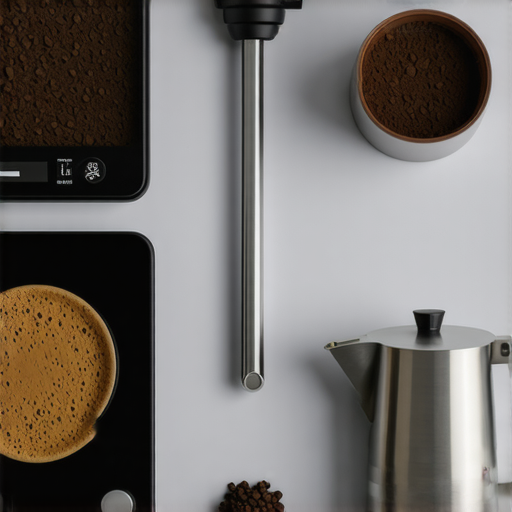
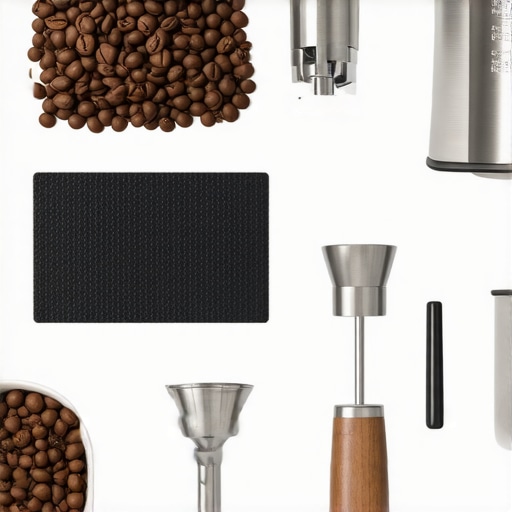
Ever had that frustrating moment in your kitchen where your espresso shot turns out uneven, or your latte art looks more like a scribble? I’ve been there. I remember dozens of mornings where my lack of proper accessories and techniques cost me that perfect cup. It’s like trying to paint without the right brushes or cook without the right tools—your coffee suffers, and so does your mood.
The Real Reason Your Coffee Doesn’t Quite Hit the Mark
It’s not just about grinding beans or pouring hot water. Often, the missing piece of the puzzle is the right barista accessories. From a quality espresso tamper to a precise coffee scale, these tools are game-changers. They might seem small, but they hold the power to elevate your coffee from mediocre to masterful. I learned this the hard way early on, making the mistake of relying on my instinct alone without considering the importance of proper equipment. That oversight cost me flavor, consistency, and even that beautiful crema I was striving for.
Is Investing in Barista Gear Really Worth It?
When I first started, I wondered if all these accessories were just hype. Would a better milk pitcher or a fancy knock box really improve my brew? Turns out, yes. A well-chosen milk pitcher helps create silky microfoam, making latte art easier. An accurate coffee scale ensures each shot is consistent. And a good espresso tamper guarantees proper tamping pressure, which is crucial for extracting the full flavor.
But here’s a secret I wish I’d known earlier: The difference isn’t just in the tools but in how you use them. Proper technique combined with top-notch accessories makes all the difference. For example, a knock box speeds up your workflow, keeping your station tidy and efficient. And maintaining your milk pitcher with the right cleaning practices ensures your milk frothing remains flawless, which you can learn more about here.
So, if you’ve ever felt that your coffee isn’t quite there yet, ask yourself—are you using the right accessories? If not, it’s time for a change. Incorporating these tools and tips will make your brewing process more consistent, enjoyable, and, most importantly, produce that perfect cup you crave.
Now, let’s get into the practical steps that will transform your coffee game. Ready to elevate your mornings? Keep reading!
Get Your Tools in Order
Start by choosing a high-quality coffee scale. It’s like a GPS for your espresso shot—precise, reliable, and essential. I once used a cheap kitchen scale for months, and my shots varied wildly. Then I invested in a dedicated barista-grade scale. The difference was night and day, with consistent shot weights and flavor profiles.
Perfect Your Tamp with the Right Tamper
Your espresso tamper is like the key to a locked treasure chest. When I first started, I thought pressing harder was better. Turns out, applying 30 pounds of pressure evenly is what unlocks full flavor extraction. Use a tamper that fits your portafilter snugly—consider a tamping mat to stabilize your arm and ensure consistent pressure every time.
Master the Milk Pitcher Technique
Choosing the right milk pitcher is just the start. The real magic happens in your hand. I once spent an afternoon practicing microfoam techniques with a cheap pitcher. After a few hours, I discovered that a well-balanced, narrow-spouted pitcher made pouring latte art much easier. Keep your pitcher clean and shiny—learn how to maintain your milk pitcher for perfect frothing every time.
Speed Up Your Workflow with a Knock Box
A knock box isn’t just for convenience; it’s a productivity booster. When I added a sturdy knock box to my station, I cut down cleanup time and kept my workspace tidy. Use a knock box that’s easy to clean and positioned within arm’s reach—your speed and consistency will improve dramatically.
Practice and Consistency Are Key
Once you have your accessories, focus on technique. Use your scale to measure every shot, tamp with consistent pressure, and pour latte art with control. I recommend recording your process with a camera or mirror to analyze your movements. Small adjustments, like changing your tamping angle or pitcher tilt, can lead to big improvements over time.
Remember, every tool is an investment in your craft. Keep your tools maintained and calibrated. The best barista is not just born with skill but builds it through deliberate practice and quality equipment.
Many coffee enthusiasts believe that investing in high-quality coffee scales, espresso tampers, or milk pitchers automatically guarantees a perfect brew. However, this is a misconception that can trap even seasoned baristas. The real secret lies not only in the tools but in understanding their nuanced use and avoiding common pitfalls.
Why Overspending on Equipment Can Backfire
It’s tempting to think that the most expensive coffee scale or the fanciest milk pitcher will instantly improve your coffee. But in my experience, the key is mastering technique with your existing tools first. An overly sensitive scale that’s poorly calibrated or a premium tamper used with inconsistent pressure can do more harm than good. Focus on proper technique—like consistent tamping pressure—and then upgrade your equipment as a secondary step.
Beware of the ‘More Is Better’ Trap
Another common myth is that having multiple barista accessories will automatically elevate your coffee game. In reality, cluttered setups often lead to confusion and inconsistent results. For example, using too many different knock boxes or multiple frothing tools can slow you down. Simplicity, combined with proper organization, usually yields better consistency.
Advanced Tip: Fine-Tuning Your Equipment for Consistency
For the seasoned barista, the real game-changer is nuanced calibration. For example, even the best coffee scale can drift over time. Regular calibration and understanding the weight distribution of your tamp and shot extraction can dramatically improve results. Similarly, milk pitchers with a specific spout shape can influence pour consistency, especially when doing latte art. Mastering these small details elevates your craft beyond the basics.
Have you ever fallen into this trap? Let me know in the comments.
Maintaining your barista tools is crucial for consistent quality and long-term performance. A well-kept milk pitcher, for example, not only ensures perfect frothing but also extends the lifespan of your investment. Regular cleaning with non-abrasive agents and occasional deep cleans prevent buildup and corrosion, especially if you’re using milk daily. For your knock box, a simple rinse after each use prevents residual coffee oils from gumming up the mechanism, maintaining smooth operation. Prioritize a dry, clean environment to avoid rusting or mold growth, particularly for metal components.
For precision tools like your coffee scale, calibration is vital. Many models require periodic recalibration to maintain accuracy, which can be easily done with calibration weights or following manufacturer instructions. Calibration ensures that each shot is measured precisely, leading to better consistency and flavor extraction. Additionally, check your scale’s battery and sensor performance regularly—subtle drifts can throw off your measurements over time.
Investing in quality espresso tampers and tamping mats isn’t just about the initial purchase. Proper storage prevents damage to delicate components and keeps your tools ready for use. For instance, a dedicated tamper should be stored in a stable position to avoid dents or warping. Similarly, your milk pitcher should be kept in a clean, dry place, free from dust and residues that could affect hygiene and performance.
Looking ahead, the trend is moving toward smart, connected equipment that can self-calibrate and provide real-time maintenance alerts. Tech advancements like Bluetooth-enabled scales or digital tampers will soon become standard, simplifying upkeep and improving precision. As these innovations become more affordable, expect a future where your barista toolkit not only performs better but also guides you through maintenance routines, ensuring you get the most out of every shot.
How do I maintain my coffee tools over time?
The key to longevity is consistency. Establish a routine—daily rinses and wipe-downs, weekly deep cleans, and monthly calibration checks. Use gentle cleaning agents compatible with your tools to avoid corrosion or damage. For example, avoid abrasive scrubbers on your milk pitcher, which can scratch surfaces and harbor bacteria. Regularly inspect parts for wear and replace any damaged components promptly. These simple practices will keep your gear performing at its best, shot after shot. Remember, well-maintained tools are an investment that pays off in flavor quality and brewing reliability. For more detailed maintenance strategies, check out our comprehensive guide to coffee scale maintenance and keep your equipment performing flawlessly.
The Hardest Lesson I Learned About Coffee Accessories
One of the most eye-opening lessons was realizing that even the best tools won’t make a perfect espresso if I didn’t learn proper technique. I used to think that upgrading my coffee scale or espresso tamper would instantly improve my shots. But I found that understanding how to tamp evenly and how to handle my milk pitcher correctly were just as critical. It’s a reminder that mastery comes from consistent practice, not just shiny tools.
3 Myths About Barista Accessories That Held Me Back
- Expensive equipment equals perfect coffee: I learned that investing in premium tools is only part of the equation. Proper technique and regular maintenance matter more.
- More tools mean better coffee: Cluttered setups lead to confusion. Simplify your workspace and focus on mastering each accessory one at a time.
- Tools fix poor technique: No matter how expensive your scale or tamper are, technique is king. Use tools to support, not replace, skill.
What Experts Won’t Tell You About Coffee Accessories
Many seasoned baristas keep their secret: the value lies in consistent use and maintenance. For example, regularly calibrating your coffee scale or deep-cleaning your milk pitcher can dramatically improve results. It’s these small, often overlooked practices that turn good equipment into great results. Remember, the best tools are only as good as the habits you build around them.
Reading through this post really resonated with me, especially the emphasis on technique over equipment. I used to think upgrading my tools would lead to instant improvement, but I soon realized that understanding how to use them effectively makes all the difference. The part about maintaining your accessories is something I’ve struggled with initially; I found that even a simple daily rinse of my milk pitcher extended its lifespan and kept my frothing consistent. It made me curious—how often do others recalibrate their coffee scales? I tend to do it every couple of months, but I’m wondering if there’s an ideal frequency. Also, mastering the tamp pressure has been a game-changer; applying even and the right amount of pressure really boosts flavor extraction. I’d love to hear more about how others refine their tamping technique and what tips they might have for consistent pressure. This post is a great reminder that investing time in practice and maintenance yields the best results in our coffee craft.
This post really emphasizes what I’ve learned through my own coffee journey—tools matter, but technique and maintenance are equally crucial. I used to think that upgrading to a professional tamper or scale would solve all my brewing issues, but I found that without consistent practice and proper cleaning, even the best equipment can fall short. For example, I started calibrating my coffee scale monthly after noticing small fluctuations, and it made a noticeable difference in shot consistency. Also, I’ve been practicing tamp pressure daily, aiming for even 30 pounds of force, which has improved my extraction and crema quality. My question is, does anyone have tips for developing a more intuitive sense of tamping pressure, especially when working with different tampers or portafilters? I believe that refining technique with the right tools creates a solid foundation for perfect coffee. I’d love to hear other experiences or routines that help keep these skills sharp and equipment well-maintained for consistently great brews.
This post really hits close to home for me. I used to believe that having the latest and most expensive barista tools would automatically improve my coffee. However, I’ve learned that consistent technique and regular maintenance are just as important, if not more so. For example, I started calibrating my coffee scale weekly after noticing small variances, and it made a noticeable difference in shot quality. Also, using a tamping station has helped me develop a more even tamp pressure, which is crucial for a consistent extraction. I’m curious, how many of you have found that regular calibration and technique adjustments have significantly impacted your brewing success? It seems like a small effort with huge payoffs, especially when trying to get that perfect crema or latte art. Any tips on maintaining these tools properly to prolong their lifespan and keep performance optimal? Would love to hear your routines or experiences—it’s all about continual learning and improvement.
This article hits home for me, especially the part about the importance of technique alongside having the right tools. I used to think that upgrading my espresso machine or tamper would instantly elevate my brewing, but I quickly learned that consistent practice and proper maintenance are key. I’ve found that calibrating my coffee scale every month keeps my shots consistent, but I’ve heard some experts recommend recalibrating even more frequently if you’re heavily using it—I’m curious what others here do. Also, I’ve struggled with tamp pressure; I try to apply around 30 pounds, but it’s hard to be precise every time. Has anyone found specific techniques or tools, like a tamping station, that help develop a more uniform tamp? I think dedicating time to technique and regular equipment upkeep has genuinely improved my espresso quality. Would love to hear if anyone has additional tips for fine-tuning these skills or maintaining equipment over time. The journey to great coffee really is all about attention to detail.
I really relate to this post, especially the emphasis on consistency and maintenance. Having upgraded my tamper and scale recently, I noticed immediate improvements, but I also learned that the real key is developing routine habits. For example, I now calibrate my coffee scale weekly to keep measurements accurate, especially since I brew daily. One thing I’ve found helpful in tamping is using a tamping station, which keeps my pressure steady. I’m curious—has anyone experimented with different tamping techniques or tools to find what works best for them? Also, I’ve noticed that maintaining my tools regularly, like cleaning my milk pitcher with non-abrasive cleaners, greatly extends their lifespan and keeps the quality high. It’s a continuous learning process, but what’s everyone’s go-to routine for keeping tools in top shape and developing better technique? Would love to exchange more tips for perfecting the craft.
I totally agree with this post. I’ve learned that even with top-tier equipment, it’s the consistent technique and proper maintenance that truly make a difference. Regularly recalibrating my coffee scale has helped me dial in the shot weight and improve flavor extraction. I do it monthly, but I wonder—what’s the ideal frequency for recalibration? I’ve also started using a tamping station to ensure even pressure, which has notably improved my latte art and shot consistency. My experience shows that investing time in these routines pays off more than just upgrading tools. I’m curious, for those who struggle with tamp pressure—do you find it instinctive, or do you use specific techniques or devices to develop a feel? Looking forward to hearing everyone’s tips, as small details really add up in perfecting our coffee craft.