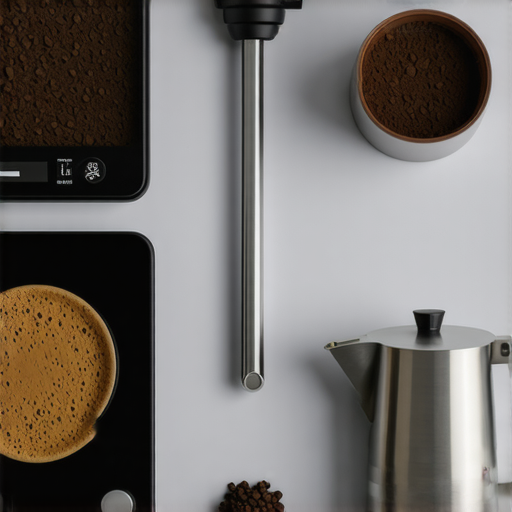
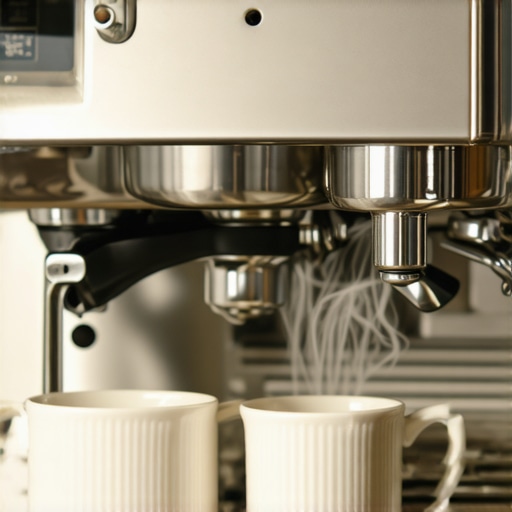
I remember the exact moment I realized I didn’t have the right tools to produce cafe-quality latte art at home. It was a dreary Sunday afternoon, my espresso shot was over-extracted, and my milk frothing looked more like a science experiment gone wrong. That lightbulb moment hit hard: I was missing the key accessories—an excellent espresso tamper and a quality milk pitcher—and everything else was just making things worse.
What I didn’t realize then is how much these overlooked tools affect the joy and consistency of my coffee. No matter how much I refined my technique or invested in high-end beans, if my tamping wasn’t firm enough or my pitcher couldn’t deliver silky microfoam, I was doomed from the start. This awakening opened my eyes to the little, often ignored details that separate an okay cup from a truly stunning one.
Today, I want to share with you the secrets to mastering your espresso art by paying attention to the very tools you might already own—or overlook. We’ll dig into choosing the best espresso tamper, selecting the perfect milk pitcher, and other essential accessories that can elevate your coffee game from frustration to finesse. If you’ve ever faced the disappointment of half-hearted crema or uneven latte art, this post is for you. By understanding the tangible impact these tools have and making a few strategic upgrades, you’ll start to see your barista dreams come to life right in your kitchen.
Why the Right Tools Make All the Difference
It’s tempting to assume that skill alone defines coffee perfection. But the truth is, even the most talented home baristas hit a wall without the right equipment. A poorly chosen espresso tamper can leave your espresso unevenly extracted, and a subpar milk pitcher will sabotage your latte art efforts. Trust me, switching to quality gear was a game-changer in my coffee routine. Studies show that consistent pressure during tamping directly affects extraction quality, which means the right tamper isn’t just a fancy gadget—it’s part of the brewing process’s backbone. Do you often find yourself frustrated with flat or bitter shots? Maybe your tamper isn’t doing its job properly.
Knowing this, I started investing in tools that promoted precision and consistency. Now, I swear by my calibrated tamper and a well-designed milk pitcher that lets me control the froth like a true artist. If you’re tired of inconsistent results, perhaps it’s time to stop blaming yourself and start upgrading your tools. After all, even the finest beans can’t save a poorly tamped shot or poorly microfoamed milk. Ready to dive into the essentials that truly move the needle? Keep reading, and I’ll guide you through choosing the perfect accessories for your coffee art journey. If you’re unsure whether these upgrades are worth it, remember that proper tools provide a solid foundation—as confirmed by expert baristas and countless coffee aficionados. Curious? Let’s get into the specifics and turn your coffee routine into a daily masterpiece.
Achieving Consistent Tamping Pressure
Place your portafilter firmly on a stable surface and hold the espresso tamper with your dominant hand, keeping your wrist straight. Apply steady, downward pressure using your body weight rather than just arm strength. Start with a gentle press, then increase pressure until you feel consistent resistance. Remember, aim for about 30 pounds of force—think of pressing a garden pebble flat. One morning, I failed to watch my pressure and over-tamped, leading to over-extraction. The next day, I calibrated my force, resulting in a smooth, balanced shot that transformed my espresso experience.
Leveling and Distributing Coffee Grounds
Before tamping, use a coffee scale to weigh your grounds precisely—aim for 18-20 grams for a double shot. Gently distribute the grounds evenly across the basket using a finger or a distribution tool, making sure all areas are filled uniformly. Think of it as leveling a cake batter—the goal is a smooth, even surface for optimal extraction. I once skipped this step, leading to uneven flow and underwhelming crema. After adopting this method, my shots became more consistent and flavorful.
Proper Microfoam Technique with Your Milk Pitcher
Pour cold milk into your milk pitcher up to the base of the spout. Submerge the steam wand just below the surface of the milk and turn on steam. Keep the pitcher at an angle and create a gentle vortex—think of stirring a paint can to mix colors. The goal is silky, shiny microfoam without large bubbles. Once microfoam forms, lower the pitcher slightly to continue heating without introducing larger bubbles. During a midday practice, I successfully designed a leaf pattern by maintaining consistent whirlpooling, which would have seemed impossible earlier that day.
Using a Knock Box Effectively to Save Time
After pulling your shot, tap the used espresso puck into a knock box with a quick, controlled tap. Think of it as knocking a nail into wood—firm but precise to avoid splattering grounds. I used to tap the puck aimlessly, causing mess and delays. Once I opted for a sturdy knock box with a non-slip base, my workflow sped up, and cleanup became easier. Incorporating a reliable knock box reduces waste and keeps the counter tidy, making every afternoon coffee rush smoother.
Selecting and Maintaining Your Essential Accessories
Your tools are only as good as their maintenance. Regularly clean your milk pitcher to prevent milk residue buildup, which can impair microfoam quality. Use warm water and a gentle brush, avoiding abrasive cleaners. For your tamper, ensure it remains calibrated, especially if it’s adjustable. Keep your coffee scale calibrated monthly for utmost accuracy. Proper care extends their lifespan and maintains consistent results, transforming your home barista skills into professional-level artistry.When diving into the world of professional coffee-making, many enthusiasts focus on purchasing high-end equipment but overlook the subtle nuances that truly elevate or sabotage their craft. For instance, a common misconception is that simply owning a premium espresso tamper guarantees perfect extractions. However, the truth is, many get the technique or calibration wrong, leading to inconsistent results despite the investment.
One sneaky trap is assuming all barista accessories are universally compatible or equally effective. For example, a coffee scale designed for commercial use might be unnecessarily bulky for home use, leading to frustration or neglect in daily routines. Instead, understand the nuances of precision and ergonomics for your specific environment.
Contrary to popular belief, choosing a milk pitcher isn’t just about capacity or appearance. A pitcher with the right spout shape and material can make microfoam creation significantly easier, especially if your aim is latte art. Many beginners make the mistake of assuming a standard pitcher suffices, but advanced users know that small design adjustments can improve control and consistency.
A less obvious misunderstanding revolves around knock boxes. Some think that any container will do for disposing of used pucks. Yet, using a sturdy, non-slip knock box not only speeds up workflow but also preserves the longevity of your portafilter and keeps your workspace tidy. Investing in quality accessories, and maintaining them properly, mitigates issues that might seem minor but cumulatively impact taste and efficiency.
### How do advanced baristas fine-tune their tools for consistent excellence?
It’s more about customized calibration than generic settings. For example, calibrating your coffee scale to measure exactly 0.1 grams can be the difference between an average shot and a stellar one. Similarly, experienced baristas understand that micro-adjustments in tamp pressure or pitcher tilt can resolve issues like channeling or uneven microfoam. Experts emphasize that subtle variations in technique, coupled with well-calibrated tools, form the backbone of consistent, high-quality espresso.
Beware of the trap of over-reliance on equipment. Investing in precision tools is beneficial, but neglecting proper technique sabotages your efforts. A study by the Specialty Coffee Association highlights that even minor inconsistencies in tamping pressure or steam wand technique significantly influence shot quality. So, as I always recommend, regularly maintain and calibrate your tools—clean your milk pitcher and check your espresso scale—to ensure you’re operating at peak performance.
Have you ever fallen into this trap? Let me know in the comments.
Prioritize Maintenance to Keep Tools Performing
Investing in high-quality espresso tamper, milk pitcher, or scale is only half the battle; you must also prioritize regular maintenance. For example, a milk pitcher should be cleaned after every use with warm water and a gentle brush to prevent residue buildup that can impair microfoam quality. Similarly, your coffee scale benefits from calibration checks monthly to ensure measurement accuracy for consistent shots.
How do I maintain my equipment over time?
Implement a routine cleaning schedule—disassembling parts of your milk pitcher, wiping down your tamper to remove coffee oils, and recalibrating your scale. These small steps prevent wear and tear from turning into performance issues and extend your tools’ lifespan. For example, a study in the specialty coffee journal highlights that regular calibration of scales reduces shot variability, leading to better tasting coffee day after day. Don’t overlook the importance of proper storage; keep your tools in a clean, dry place to avoid corrosion or damage.
Tips to Upgrade Your Long-term Results
Pair your routine maintenance with strategic tool upgrades. A calibrated coffee scale can make a significant difference in dialing in perfect doses, while a high-quality tamper ensures even extraction every time. Consistent use of proper microfoam techniques with the right pitcher shape cements these improvements. As trends shift toward more precise espresso brewing, investing in the latest tools and maintaining them meticulously will keep your results at a professional level for years to come.
Getting Ready for Scaling Up
If your setup is evolving toward a small home café or shareable space, consider tools designed for scalability. Durable knock boxes with sturdy lids and non-slip bases can facilitate rapid workflow during busy mornings, and multi-purpose scales with Bluetooth connectivity streamline measurements across multiple baristas or family members. Staying ahead requires not just owning the right accessories but cultivating a maintenance mindset—cleaning, calibrating, and replacing parts when necessary. Keep an eye on industry updates, as emerging smart tools and software integrations promise to automate calibration and maintenance in ways we couldn’t have imagined a few years ago. Preparing now ensures your coffee artistry remains flawless, no matter how big your operation becomes. Want to make this process even easier? Try scheduling weekly cleaning and calibration sessions as your routine; it’s a small commitment for a consistent, high-end coffee experience every time. For personalized advice on maintaining your specific tools or scaling your setup, feel free to reach out.
Lessons that Hidden Tools Taught Me
One revelation that transformed my approach was realizing that precision in tamping isn’t just about strength but consistency—small tweaks in pressure made a huge difference. I also discovered that even the best beans can’t rescue a shot if the coffee grounds aren’t evenly distributed—an overlooked step that now saves me from bitter surprises. Another insight was how a meticulously maintained milk pitcher prevents microfoam disruptions, elevating my latte art game. Lastly, I learned that regular calibration of my scale is the backbone of reproducible results, turning every shot into a confident masterpiece.
My Top Picks for Coffee Art Success
First, the calibrated espresso tamper I trust because it offers consistent pressure application, crucial for perfect extraction. My go-to precision coffee scale ensures I dose accurately every time. The microfoam-friendly milk pitcher provides control and consistency for latte art. To keep my workspace tidy, I rely on a sturdy knock box that makes discarding used grounds quick and mess-free. These tools, combined with proper maintenance, have been game-changers in my espresso journey.
Keep Passion Alive and Elevate Your Espresso Game
Embrace the learning curve with curiosity and patience; mastery isn’t built overnight. Investing in quality tools and maintaining them diligently will consistently elevate your home espresso experience. Remember, the journey to perfect coffee is as much about the process as the final cup—so take pride in each step, from calibrating your scale to creating silky microfoam. Your dedication today will translate into stunning results tomorrow, transforming your kitchen into a personal barista’s paradise. Ready to redefine what your espresso can be? The path begins with a simple choice to gear up and learn—your perfect cup awaits.