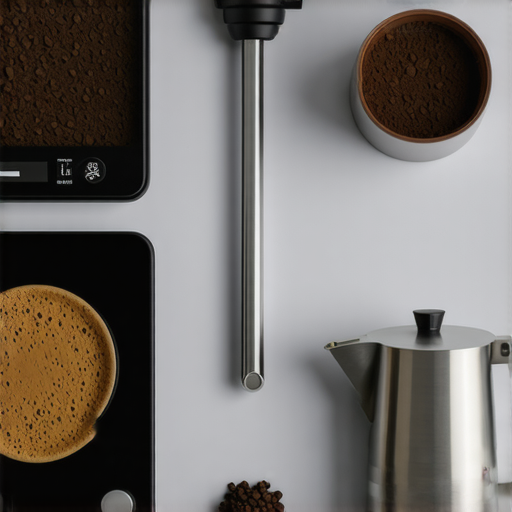

I’ll never forget the first time I tried to create latte art that actually looked like a heart or a rosette. The swirl of milk, the pressure of the tamper, the flick of my wrist—all seemed to conspire against me. After a few frustrating attempts, I realized that my equipment and accessories might be part of the problem. Knowing which tools to trust can make or break your coffee art journey, and I definitely learned this the hard way.
How the Right Accessories Transformed My Coffee Game
When I finally invested in high-quality espresso tampers and milk pitchers, my art took a huge leap forward. It’s not just about aesthetics; the precision and consistency these tools offer directly impact the flavor and texture of your espresso and milk. Since then, I’ve become more deliberate in selecting accessories that suit my style—whether it’s a beautifully balanced tamper or a perfectly shaped pitcher—because every detail matters.
But with so many options available, how do you know which accessories will truly elevate your craft? Today, I promise to share the insights I wish I had when I started, helping you avoid costly mistakes and long learning curves.
Is the hype around specialized barista gear actually worth it?
One mistake I made early on was thinking that all accessories were created equal. I dabbed in cheap tampers and generic pitchers, expecting miracle results. Spoiler: It doesn’t work that way. In fact, investing in quality gear pays off by providing better control, consistency, and ultimately, better-looking coffee art. Choosing the right barista accessories can seem daunting, but once you find the right fit, you’ll wonder how you ever worked without them.
Studies show that equipment quality directly affects the final product, influencing factors like crema thickness and milk microfoam—both crucial for superior coffee art (source: Espresso Tech Guide).
So, do you often find yourself battling inconsistent pours or uneven milk textures? If so, you’re not alone. But don’t worry — the right accessories can turn your coffee routine into a craft, and I’ll guide you through the best choices next.
.
Set Your Foundation with the Right Coffee Scale
Before you even steam your milk, ensure your espresso is dialed in with a quality coffee scale. Use it to measure your coffee grounds precisely (usually between 18-20 grams for a shot). Place your cup or portafilter directly on the scale and stop pouring once you reach your target weight. I remember the first time I did this, I was amazed at how consistent my shots became—no more guesswork or variability.
Tips for Accurate Measurement
Always tare the scale after placing your cup or portafilter. Invest in a scale with a timer or integrated shot timer to track extraction times. Proper weighing ensures fewer under or over-extracted shots, setting the stage for better latte art.
Choose the Perfect Milk Pitcher
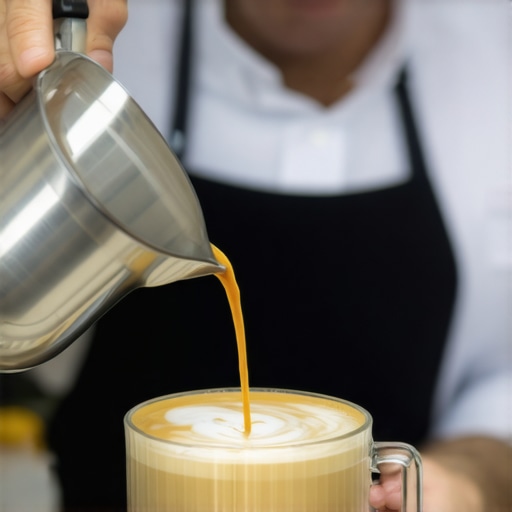
A well-designed milk pitcher is more than just a container; it’s your tool for microfoam control. Opt for a pitcher with a narrow spout for precise pouring. I once switched to a taller, conical pitcher, and my latte art improved overnight. The shape allows for better control of milk flow, essential for creating intricate rosettes or hearts.
< >
>
Keep your pitcher clean and free from milk residue, which can affect foam quality. Regularly maintain it by following these cleaning tips. Clean equipment is a secret weapon for consistent microfoam and clean pours.
Master the Frothing Technique
Start with fresh, cold milk and submerge the steam wand just below the surface to introduce air gradually. Use a slow, circular motion to create fine, silky microfoam. Practice makes perfect—my early attempts were too bubbly, but after focusing on gentle, controlled steam, my latte art became much cleaner. Aim for a glossy, paint-like texture rather than frothy bubbles.
Perfect Your Tamper Pressure
An espresso tamper is your direct link to a uniform extraction. Place the tamper flat on the coffee bed and apply firm but even pressure—imagine pressing evenly with a rolling pin. Use consistent force every time to prevent channeling or uneven extraction, which hampers latte art quality. I remember initially pressing too hard, resulting in bitter shots; dialing in the right pressure improved both taste and looks.
Check Your Tamp
Ensure the coffee grounds are distributed evenly before tamping to avoid weak spots. A consistent, level tamp ensures uniform water flow through the puck, leading to steadier, more predictable shots suited for artful pouring.
Get Ready with the Knock Box
Efficiency in your workflow matters. Use a sturdy knock box to quickly dispose of used grounds without making a mess. This prevents downtime, keeping your rhythm tight for those artistic pours. I once spent extra minutes cleaning grounds from a cup, which threw off my pouring rhythm and ruined the art; a good knock box keeps your station tidy and ready.
Keep It All in Sync
Timing is everything. Match your shot timing with your milk steaming and pouring. Use your scale and stopwatch to master extraction times—aim for around 25-30 seconds for a standard shot. When all tools come together—consistent grind, calibrated tamp, perfect microfoam—it’s easier to execute beautiful, lasting latte art that impresses every time.
Many seasoned baristas and enthusiasts believe that investing in high-end espresso tampers, precision coffee scales, and specialized knock boxes automatically resolve all common issues with brewing and latte art. However, this oversimplifies things. The real challenge lies in understanding nuanced mistakes that even experienced baristas often overlook, leading them astray despite using top-tier tools.
For example, one prevalent myth is that more expensive tools always equal better results. While quality tools offer advantages, neglecting proper technique or maintenance can nullify their benefits. An excellent coffee scale won’t improve your shots if you don’t tare correctly or monitor extraction times accurately. It’s essential to combine good tools with good habits — a common mistake many make is assuming the tool alone will do the job.
Why does precision matter even with high-end equipment?
Here’s a nuance that often escapes even pros: the alignment and calibration of your equipment. For instance, a milk pitcher might be perfectly shaped, but if it isn’t thoroughly cleaned or if its spout is slightly misaligned, your POUR will lack precision. Regular maintenance and verifying calibration ensure your tools perform at their peak — neglecting this can introduce subtle inconsistencies that affect latte art and flavor.
In the case of espresso tampers, many focus solely on applying force uniformly but overlook the importance of distribution beforehand. Even the best tamper can’t compensate for uneven coffee grounds. Distributing grounds evenly before tamping reduces channeling, leading to more consistent extractions. A small oversight here can cause the shot to taste bitter or sour—an issue that doesn’t improve with better tampers alone.
Moving onto coffee scales, there’s a trap in over-relying on them without understanding the importance of timing and flow. The number on the scale isn’t enough — you need to monitor extraction time and flow rate to truly optimize your shot. This means paying attention to how quickly the weight increases and how evenly the espresso flows out, not just the weight itself. Overlooking this nuance results in inconsistent flavor profiles and shoddy latte art.
What about the accessories we often ignore despite their impact?
The knock box is frequently underestimated. Many think it’s just a container, but the quality of the knock box affects workflow efficiency and cleanliness. A poorly designed knock box can cause grounds to spill, increase cleanup time, and even damage your porter or grinder. Investing in a sturdy, well-designed knock box simplifies disposal and maintains hygiene—a subtle but important factor for consistent pulling and pouring.
Lastly, be wary of the hidden trap of neglecting tool compatibility. Many newcomers buy complementary tools without considering how well they integrate. For example, a milk pitcher that’s not compatible with your steaming wand’s spout design can hinder microfoam control. Similarly, mismatched tampers and portafilters can cause uneven tamping. Ensuring compatibility and understanding each tool’s nuances will save you from frustration and subpar results.
Remember, none of these tools is a silver bullet. Success hinges on mastery of technique, maintenance, and understanding the subtle nuances that differentiate good from great. Want to improve your setup? Check out our must-have accessories to elevate your coffee game even further.
Have you ever fallen into this trap? Let me know in the comments and share your experience with hidden pitfalls in barista tools!”}]}#END}mainThrough careful maintenance, precise calibration, and an understanding of subtle technique, even the best tools will fall short if neglected. The devil is in the details, and recognizing these common yet overlooked pitfalls will set you apart as a veteran barista or an enthusiast serious about mastering the craft. Remember, the journey to perfect coffee is ongoing, and continuous learning and refinement are your best allies.
To keep your barista tools functioning at their best, regular maintenance is essential. High-quality milk pitchers should be cleaned thoroughly after each use, avoiding abrasive cleaners that can damage the surface. Use a soft sponge and warm water, and periodically apply a dedicated metal cleaner to restore shine and prevent corrosion. For your coffee scale, calibration is crucial. Regularly check the calibration against a known weight, and refer to the manufacturer’s instructions for recalibration procedures to maintain precision over time. A tamping station benefits from an even surface, so inspect and tighten screws or replace worn mats as needed to ensure consistent pressure.
How do I maintain my equipment over time?
Consistency is key, and proper maintenance extends the lifespan of your equipment. For knock boxes, regularly clean out residual grounds and wipe the interior with a damp cloth to prevent buildup. Lubricate moving parts if applicable, and replace worn rubber or plastic components to keep everything functioning smoothly. Remember, neglecting maintenance can lead to uneven extraction, compromised microfoam, or even equipment failure. Incorporate a scheduled cleaning and inspection routine, and keep spare parts on hand to address minor issues before they escalate. As precision is vital in espresso making, maintaining your tools guarantees consistent results and a more enjoyable brewing experience. Try setting a weekly check-up routine, cleaning your tools thoroughly, and replacing worn parts proactively. Your coffee will thank you with every shot.
3 Hidden Lessons That Changed My Coffee Game
One of the biggest surprises I discovered was how small details in equipment maintenance can punch well above their weight in influencing latte art quality. Regularly cleaning my milk pitcher and calibrating my coffee scale prevented subtle inconsistencies that used to sabotage my pours. Additionally, understanding that even top-tier espresso tamper flaws can impact extraction taught me to look beyond brand names and focus on technique. Sometimes, the smallest tweak, like distributing coffee grounds evenly before tamping, made the biggest difference in my final artwork and flavor profile.
The Road Less Traveled: Tools That Truly Make a Difference
When I started, I relied heavily on generic accessories, but I soon realized that investing in quality tools brings lasting benefits. My favorite resources include the precision coffee scale for shot consistency, which is indispensable for dialing in perfect extractions every time. The knock box streamlined my workflow, keeping my workstation tidy and efficient, especially during busy mornings. Lastly, the espresso tamper and my carefully chosen barista accessories have become extensions of my technique, elevating both the taste and presentation of my coffees. These tools, combined with proper technique, transformed my humble kitchen into a barista’s paradise.
Stay Inspired and Take the Next Step
Remember, mastery isn’t about perfection — it’s about persistence and curiosity. Keep experimenting with your equipment and refine your skills with each shot. The joy of coffee lies in this ongoing journey, and I believe that the right tools and a curious mind will always point you toward greatness. So, what’s your next move to elevate your coffee craft? Dive deeper into our curated must-have accessories or share your experiences below — I’d love to hear your stories and tips.
Reading this post really resonated with my own journey into coffee art. When I first started experimenting, I underestimated how crucial the right accessories can be. Switching from a basic tamper to a calibrated, high-quality one made a huge difference in my extraction consistency. Similarly, investing in a good milk pitcher with a narrow spout transformed my ability to pour intricate rosettes, especially once I focused on microfoam quality. What has surprised me most is how maintaining equipment—like regular cleaning of my pitcher and recalibrating my scale—continues to improve my results over time. I’ve also learned that even minor tweaks, such as distributing coffee grounds evenly before tamping, can have a significant impact on flavor and esthetics. Has anyone else experienced a consistent pattern of small maintenance tasks making a big leap in their coffee craft? I’d love to hear your routines or tips for keeping equipment at their best during busy mornings or long practice sessions.