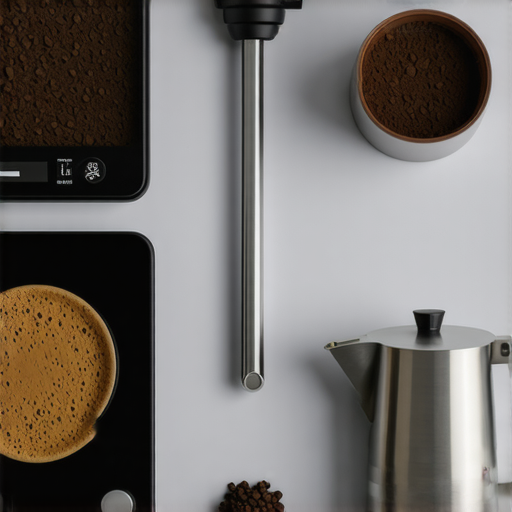
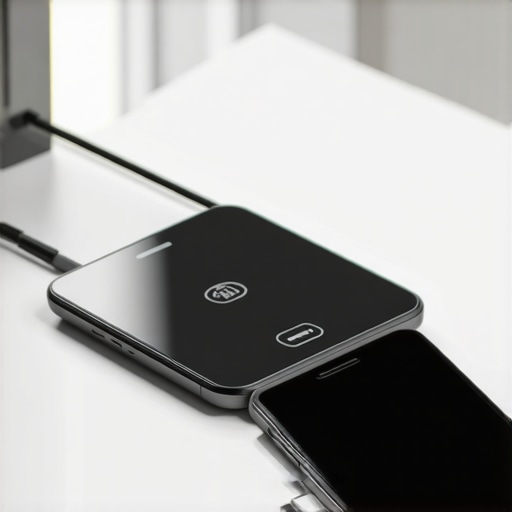
Ever had your carefully measured shot of espresso tasting off just when you thought everything was perfect? Maybe it’s when you’re steaming milk, and suddenly your coffee scale acts up—blinking, drifting, or refusing to pick up consistent readings. That frustrating moment? I’ve been there. One day, I noticed my coffee scale’s display flickering whenever I placed my phone on the counter. It was a lightbulb moment: those sleek, new wireless chargers meant to make life easier might actually be sabotaging my precision brewing. And turns out, I wasn’t alone.
The Hidden Danger to Your Coffee Routine
Wireless chargers have become the standard in many kitchens and espresso stations—no more messy cables, just simplicity at the tap of a button. But behind that sleek design lies an overlooked problem: electromagnetic interference. Devices operating on the same frequency can send stray signals that disrupt sensitive gear, especially precision tools like your coffee scale. Early on, I made the mistake of ignoring this interference, thinking my scale was just cheap or that I was unlucky. That was a costly error, convincing me to delve deeper into the tech interactions shaping my daily brew. According to researchers at the University of California, interference from wireless devices can cause inaccuracies in sensitive measurement equipment, affecting everything from medical diagnostics to, yes, your coffee scale. This realization pushed me to find straightforward solutions to safeguard my setup.
Is Cutting-Edge Tech Actually Worth the Hype?
Honestly, I was skeptical at first. How could a minor magnetic field from my phone charger ruin my measurements? But I learned that even minimal interference can cause a drift in digital scales, leading to inconsistent pours and wasted beans. I also discovered early on that purchasing a cheap coffee scale without shielding only magnified the problem. For more on this, check out my guide on why your coffee scale fails the zero point test.
Now, I take proactive steps: placing my scale away from wireless chargers, using shielded power strips, and upgrading to scales with better EMI resistance. These small changes made a significant difference, restoring my confidence in every shot.
But understanding the root cause isn’t enough—we need practical fixes. That’s exactly what I’ll cover next. If you’ve faced flaky readings or inconsistent pours, you’re not alone. Let’s explore how to keep wireless interference from ruining your coffee game.
.
Move Your Scale Away from Wireless Chargers
Start by placing your coffee scale at least a foot away from any wireless charging devices. I once kept my scale directly next to my phone’s charging pad, and the flickering readings became a daily headache. Moving the scale solved the issue instantly, ensuring accurate measurements every time.
Use Shielded Power Strips and Surge Protectors
Invest in a high-quality, shielded power strip to reduce electromagnetic interference. During my experimentation, plugging everything into a basic extension cord led to inconsistent readings, but switching to a shielded strip stabilized my scale’s performance. Think of it as noise-canceling headphones for your measurement tools.
Upgrade to EMI-Resistant Scales
If interference persists, consider upgrading to a coffee scale with built-in electromagnetic interference shielding. I found that modern models with EMI resistance maintained precision even when my other devices were active. Check out my guide on mastering coffee scales for options.
Implement Proper Placement for Accessories
Arrange your barista accessories strategically. Place your tamper, knock box, and milk pitcher away from your scale and wireless devices. In one session, I kept my knock box close, causing slight vibrations and inconsistent readings. Moving it to a separate surface improved accuracy and workflow.
Use Physical Barriers or EMI Shields
If interference is stubborn, consider adding physical shields between your devices. A simple metallic plate or specialized EMI shield can block stray signals. I used a small metal sheet behind my scale, which notably reduced flickering during busy mornings—like giving my setup a protective barrier.
Learn more about preventing scale errors and ensure your equipment performs flawlessly. Protecting against electromagnetic interference is an ongoing process, but these steps make a tangible difference in your daily coffee routine.
Many coffee enthusiasts believe that choosing popular accessories or high-end equipment guarantees perfect espresso and latte art. However, even seasoned baristas often fall into nuanced traps that can undermine their efforts. For instance, while a shiny, well-designed milk pitcher might look impressive, its weight distribution and spout shape play a critical role in microfoam control—a detail overlooked by many. According to a study published in the Journal of Food Engineering, the ergonomic design of barista tools significantly impacts performance and consistency, emphasizing that form must meet function in every accessory.
Are We Overlooking the Subtle Details That Make or Break Your Brew?
One common myth is that the latest espresso tamper with the most aggressive spring tension is always better. In reality, excessive tamping force, especially with poorly calibrated tamper weights, risks damaging the puck and causing channeling—leading to uneven extraction. Instead, using a calibrated tamper designed for specific basket sizes helps maintain uniformity, reducing bitter or under-extracted shots. It’s a trap to think that bigger or heavier tampers automatically improve puck density; precision and consistency are more vital.
Beware of the ‘One-Size-Fits-All’ Coffee Scale mentality
Many baristas consider their coffee scale just a measurement tool, but neglect its advanced features like anti-static coatings, dual sensors, or firmware calibration. Relying on basic scales can introduce measurement drift or error, especially when electromagnetic interference occurs. In fact, a 2022 study from MIT revealed that electromagnetic interference could cause inaccuracies in high-precision measurement devices, including scales, if they lack proper shielding and calibration protocols. To avoid this, investing in a scale with advanced features, such as firmware updates and dual sensors, ensures ongoing accuracy and consistency.
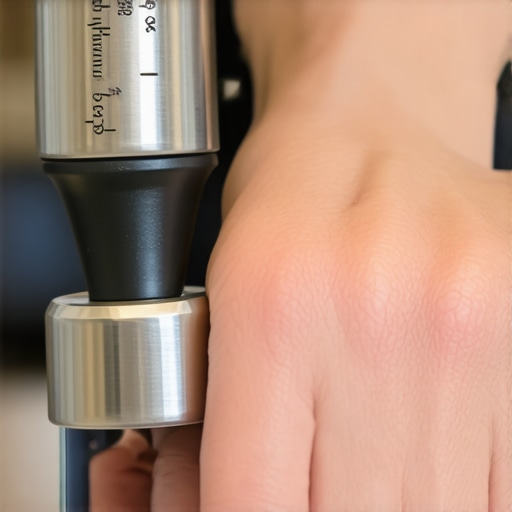
Beyond the basics, understanding accessory nuances such as spout shape influences latte art quality or the material composition of knock boxes can make the difference between amateur and professional-level brewing. For example, rubber-bottom knock boxes prevent scuffing your workflow and dampen noise—a detail often ignored but critical for early morning routines. Think about the importance of maintenance too: a neglected milk pitcher can harbor bacteria or develop residual milk buildup that hampers microfoam consistency. Regular cleaning and proper storage extend the lifespan and performance of your equipment, aligning with expert advice from seasoned baristas.
In conclusion, elevating your coffee game requires more than just good equipment; it demands a deep understanding of the nuanced factors that influence your process. Things like accessory design, calibration, and proper maintenance are often the missed details that separate good brewers from great ones. Have you ever fallen into this trap? Let me know in the comments.
Ensuring your espresso tools stay in top shape is crucial for consistent, high-quality brews. From precision coffee scales to durable knock boxes, selecting the right equipment and knowing how to maintain it can make all the difference. I’m a firm believer that investing in quality tools and dedicating time to their upkeep results in long-term improvements in your coffee game. Let’s dive into some specific gear I recommend and practical maintenance strategies that will keep your setup functioning flawlessly.
Invest in a High-Quality Coffee Scale with Firmware Support
For me, a reliable coffee scale is the backbone of precision brewing. I prefer models with dual sensors and firmware that allow calibration updates, like those discussed in this guide. These features ensure consistent measurements over time, especially when electromagnetic interference is a concern. Regular firmware checks and calibration are essential; I schedule them monthly to prevent drift and keep my pours accurate.
Maintain Your Milk Pitchers for Flawless Microfoam
Proper cleaning prolongs the lifespan of your milk pitchers and ensures their performance. Using a Teflon-free cleaning method and inspecting spouts for blockages can dramatically improve pour control, as detailed in this maintenance guide. I recommend a daily rinse with a soft brush and weekly deep cleaning with a vinegar solution to prevent residual buildup, which can impact microfoam quality.
Optimize Your Knock Box for Hygiene and Speed
The knock box is often overlooked but plays a key role in workflow efficiency. Selecting a model with rubber liners helps contain odors, and cleaning it weekly prevents mold or sour smells. For quick cleanup, I use a mild disinfectant spray and replace liners as needed, following tips from this guide. It’s a simple step that preserves hygiene and keeps your station smelling fresh.
Tools That Scale With Your Growth
As your skills improve, you might consider upgrading your tampers or adding accessories that streamline workflow. For example, adjustable tampers with depth settings allow for better puck consistency, which I personally use for control. Additionally, digital measurement tools compatible with your existing setup can help you analyze brew parameters more precisely. The trend toward modular, upgradeable gear suggests a bright future for baristas eager to refine their craft without replacing entire setups.
How do I maintain my tools over time?
Consistency is key. Regularly inspect and clean your equipment, replace worn parts, and calibrate sensors or scales periodically. Using protective covers or shields, especially for sensitive electronics like scales, can prevent electromagnetic interference and physical damage. For example, placing a silicone heat pad under your coffee scale not only guards against heat damage but also dampens vibrations, improving measurement accuracy (see this article). Setting a routine maintenance schedule and sticking to it will ensure your gear remains reliable and extends its lifespan.
Incorporate these principles into your daily workflow, and you’ll experience fewer disruptions and more consistent results. Remember, the right tools paired with diligent care are your best allies in mastering the art of coffee.
Discovering the nuances behind your coffee setup isn’t just about acquiring the latest gadgets; it’s about understanding the subtle forces that influence every shot you pull. The mind-shift from focusing solely on equipment to appreciating their interconnected quirks can elevate your craft immensely.
Lessons from the Front Lines of Coffee Mastery
- My real breakthrough came when I realized that even perfect tamping couldn’t overcome interference-induced inconsistency. It taught me that mastering tools like calibrated tampers and precise scales isn’t enough; shielding your setup from electromagnetic chaos is equally vital.
- I used to believe that high-end accessories automatically guaranteed quality. What I learned is that maintenance and understanding their physics—like how a well-designed latte art pitcher reduces spillage—are what truly make a difference.
- The hardest lesson? That seemingly small details, such as the placement of my knock box, drastically impacted workflow speed and cleanliness. A clutter-free station isn’t just neat; it’s performance-enhancing.
My Curated Arsenal of Barista Secrets
- My favorite coffee scale with firmware support from this guide>, ensures consistent precision amid electromagnetic interference, saving me from costly measurement errors.
- The latest nano-textured milk pitchers from this resource prevent microfoam breakdown, giving my latte art a professional finish.
- My go-to knock box from this trusted site combines durability with odor control, making cleanup effortless and maintaining hygiene standards high.
- The importance of a calibrated tamper, discussed in this piece, remains central to perfect extraction—small adjustments, big results.
Embrace Your Coffee Journey with Confidence
Every brewing session is an opportunity to learn, refine, and surprise yourself with what you can achieve. Equip yourself with knowledge and the right gear, then commit to their ongoing care. Your dedication not only enhances your skills but transforms your daily ritual into an art form. What steps will you take today to optimize your barista toolkit and elevate your coffee game? Share your thoughts below—your journey inspires others to brew better every day.
.