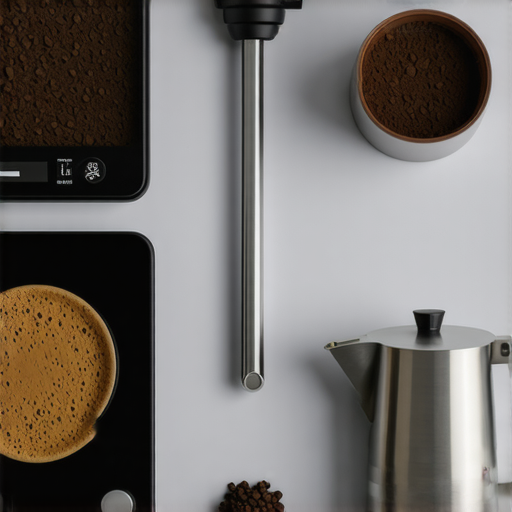
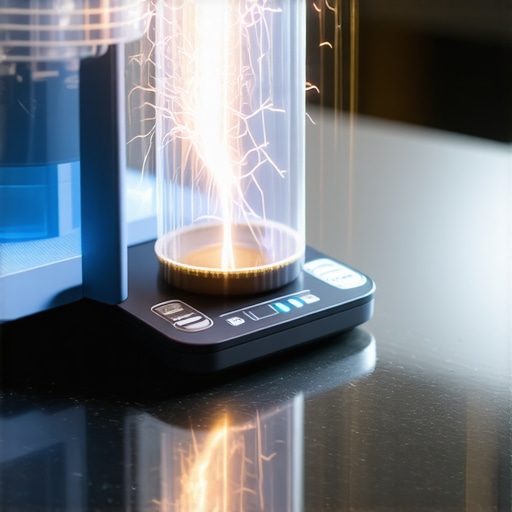
Ever had that frustrating moment during your morning brew where your coffee scale readings suddenly jump or stubbornly refuse to stay steady? I remember the first time it happened—my carefully measured espresso shot turned into a guessing game because the numbers just wouldn’t settle. Turns out, I was battling a sneaky culprit: static electricity. It was a lightbulb moment that explained why my precision equipment kept betraying me, and I guess many baristas and coffee enthusiasts are facing the same problem without realizing it.
Understanding Static: It’s Stealing Your Precision
Static charge is an invisible force, but its impact on delicate gear like coffee scales can be surprisingly disruptive. When static builds up—especially in dry, airy environments—it can cause the display to flicker, fluctuate, or drift, making your measurements unreliable. It’s like trying to measure water with a leaky bucket—pointless and frustrating. This issue is becoming more common in 2026, as advancements in scales and accessories demand increasingly precise readings, down to 0.01 grams.
Early on, I made a costly mistake. I dismissed static as just a minor annoyance and didn’t think it could seriously tamper with my carefully calibrated equipment. That was until I noticed how my readings would sometimes jump or lag during a busy service, throwing off my shot timing and grind adjustments. Trust me, ignoring static is a mistake many make—resulting in wasted beans and compromised flavor.
Why does this matter now? Because with the new standardization of 0.01g precision on scales in 2026, static interference can make the difference between a perfect extraction and a disappointing pull. If you’re serious about dialing in your espresso or latte art, addressing static issues isn’t optional; it’s essential.
So, how do you stop static from ruining your measurements and, ultimately, your coffee quality? That’s the next big step, and I’ll share my personal solutions and tips to help you master a stable, accurate setup. But first, I want to ask: have you experienced unpredictable scale readings that threw off your brewing?
Ground Yourself Before Measurement
Start by touching a metal part of your espresso machine or a grounded object to discharge static buildup from your body. I noticed that performing this step before weighing helped reduce unexpected scale fluctuations during my busy mornings, leading to more consistent shots.
Use Anti-Static Materials and Tools
Choose a coffee scale with anti-static coatings or cases, such as those designed with conductive materials. When I upgraded to a scale with anti-static properties, my scale readings stabilized significantly, especially in dry environments, making precision brewing much easier.
Control Environment Humidity
Maintain a humidity level of around 50-60% in your coffee area. I kept a small humidifier nearby during winter, which dampened static charge accumulation. This simple step prevented my scale screen from flickering and maintained measurement accuracy, even in low-humidity conditions.
Handle Accessories Properly
Discharge static from tools like your espresso tamper and coffee scale by touching them briefly before use. I found that lightly brushing my tamper against an anti-static wipe before tamping reduced sudden measurement jumps. This ensures every component stays static-free for accurate results.
Implement Static Dissipative Surfaces
Place your coffee scale on a static dissipative mat or surface. I used a conductive mat that connected to ground, which effectively drained static charges. Applying this setup during my brewing sessions kept my scale readings steady and removed the guesswork from dosing.
Regular Cleaning and Maintenance
Clean accessories periodically with anti-static wipes. Over time, dust and static buildup can cause inconsistencies. I incorporated routine cleaning into my workflow, which not only maintained static control but also kept my tools hygienic and in top condition. For more tips on maintaining your equipment, check out these maintenance strategies.
Most coffee enthusiasts and even seasoned baristas approach tools like espresso tamps, coffee scales, and barista accessories with basic assumptions, often overlooking subtle yet impactful pitfalls. Let’s dig deeper into what most people get wrong and how these overlooked details can sabotage your perfect brew.
Keep Your Equipment Running Smoothly: Tools I Rely On
Maintaining your barista tools isn’t just about cleanliness—it’s about ensuring consistent performance that elevates your coffee game. I personally swear by a few select pieces that keep my setup in top shape, especially as I scale up my practice. For instance, investing in a high-quality coffee scale, like the best barista-approved coffee scales, has revolutionized my precision, making dosing and extraction control more reliable. The key is selecting a scale with calibration features and durable construction to withstand daily use without drifting accuracy.
Alongside scales, a dedicated quality tamper is crucial. I prefer a calibrated, non-slip tamper that allows me to apply consistent pressure, reducing puck channeling and enhancing flavor extraction. Regularly cleaning and checking the tamper’s base ensures it maintains perfect contact, crucial for long-term performance. Remember, tools like knock boxes can also influence workflow. A well-designed knock box secured in easy reach minimizes waste and speeds up prep times, especially during busy hours.
Don’t overlook maintenance tools like anti-static wipes and microfiber cloths. Regularly cleaning your milk pitchers and accessories prevents buildup that can cause discoloration or static issues, ensuring your tools stay in optimal condition. Moving forward, I predict that integrated maintenance reminders in smart scales and brewing devices will become standard, automating upkeep and preventing performance dips. Staying ahead with routine checks and investing in high-quality equipment ultimately helps scale your coffee operation without sacrificing quality.
How do I keep my tools in top shape over time?
Implementing a regular cleaning schedule, using appropriate cleaning agents, and calibrating equipment periodically are essential steps. For example, I calibrate my coffee scale monthly and clean my tamper and pitchers weekly. This proactive approach prevents performance issues and extends the lifespan of your tools. Also, consider investing in protective covers or cases for your delicate accessories to shield them from dust and damage, especially if your setup is mobile or shared. Many pros are moving toward modular systems that allow quick swaps and easy maintenance—an approach I recommend as you scale your operation.
By integrating these practices and trusted tools into your routine, you’ll ensure consistent, top-tier results that delight your customers or elevate your home brewing. Ready to improve your setup? Try a calibrated tamper or a maintenance checklist to keep everything in peak condition for months to come. For detailed advice, reach out through our contact page.
Overcoming static electricity isn’t just about preventing flickering numbers—it’s about unlocking the true potential of your barista toolkit. The lessons I’ve learned through trial, error, and a few static shocks have profoundly shaped my approach to precise brewing. Here are some eye-opening insights I wish I had embraced sooner.
Lessons Hidden in Static Sparks
First, static isn’t a minor irritant—it’s a barrier to consistency. I used to dismiss static as just a nuisance, but I discovered that static buildup on tools like milk pitchers and coffee scales could throw off my measurements significantly. This realization made me prioritize static mitigation, leading to better shots and happier customers.
Second, environment matters more than I initially believed. Dry winter air caused my equipment to generate more static, but introducing humidifiers changed everything. Now, I understand that controlling humidity can be just as vital as calibrating my precision scales. Small tweaks to my workspace environment have yielded massive improvements.
Finally, integrating static dissipative surfaces and grounding techniques transformed my workflow. Placing my scale on a conductive mat and discharging static before handling tools minimized measurement errors. These strategies are simple but powerful, and they can elevate your coffee routine too.
Curate Your Coffee Arsenal Wisely
My essential tools now include a high-quality calibrated coffee scale that ensures accuracy, even at the new 0.01g standard. Pair it with a premium tamper with a consistent pressure mechanism, and you’ll notice immediate quality improvements.
Don’t forget maintenance tools like anti-static wipes and grounding mats. Regular upkeep prevents static buildup and keeps your gear performing optimally. For a holistic approach, I also rely on trusted accessories that streamline workflow and elevate performance, especially during busy hours.
Fuel Your Passion and Level Up
Embracing static control techniques can revolutionize your brewing experience. Imagine consistently perfect shots without measurement surprises—that’s the future you can create today. Take small steps now—discharge static before weighing, control your environment, invest in quality tools—and watch your coffee mastery grow.
Have you experienced static disruptions that affected your measurements? Share your stories below, and let’s learn from each other’s static battles!
As someone who recently started noticing fluctuations in my scale readings, this discussion hits close to home. I used to think static was just an occasional nuisance, but after reading this, I realize how much it can impact precision, especially now with scales requiring 0.01g accuracy. I’ve tried grounding myself and keeping my workspace humid, and it’s made a noticeable difference. What other tips have folks here found effective, especially in dry environments? It’s fascinating how such an invisible force can compromise our careful measurements—definitely a reminder to pay attention to workspace conditions to ensure consistent, high-quality brews.
Reading this post really resonated with my own experiences—static has been a sneaky culprit behind inconsistent brew measurements at my coffee station. I used to dismiss static as a minor annoyance, but over time, I noticed it caused my scales to fluctuate at crucial moments, especially during busy mornings. The tips on grounding myself and adding humidity to the environment seem simple but effective. I also started placing my scale on a grounding mat, which helped immensely in reducing static buildup. One thing I’ve found useful that wasn’t mentioned here is using anti-static brushes to gently discharge static from lightweight accessories like the tamper and portafilter. Has anyone tried protective sprays or products that claim to reduce static? I’m curious whether those work in a real-world coffee setup or if they risk interfering with precision tools. Overall, controlling static should be a priority for anyone aiming for consistent extractions, especially as scales become more precise. It’s fascinating how much this invisible force can sabotage our best efforts—what are some other subtle tricks you’ve found effective in static management?