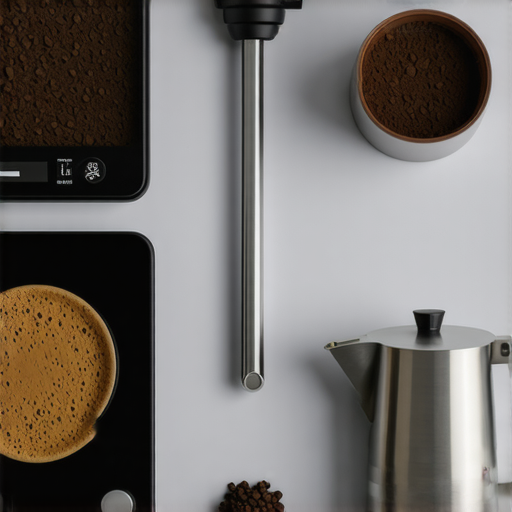
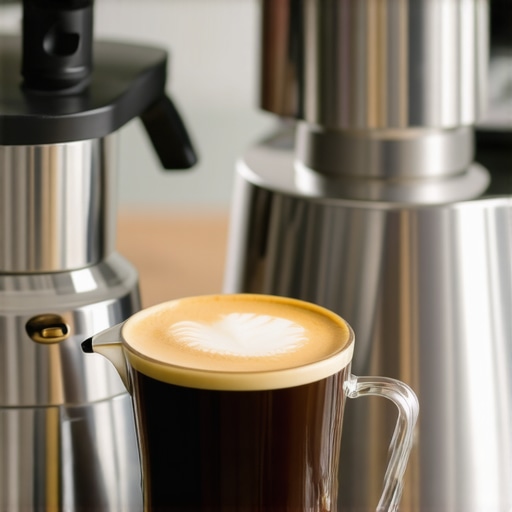
Ever poured what should have been a silky, latte art masterpiece, only to be greeted by a deflated, sad-looking design? I know that feeling all too well. I remember countless mornings where I fiddled endlessly with my espresso tamper and milk pitcher, convinced that perseverance alone would turn my coffee into a work of art. Spoiler alert: It often didn’t. That frustrating moment when your carefully crafted foam collapses or your tamping results are uneven can feel like a personal failure, even when you’re doing your best.
Why Our Coffee Tools Can Make or Break Morning Mojo
In my experience, the small accessories—like your espresso tamper and milk pitcher—are the unsung heroes of a perfect brew. They aren’t just tools; they’re extensions of your craft. When these pieces aren’t up to the task—either because of poor quality, improper maintenance, or misused techniques—the entire coffee experience can suffer. I’ve learned the hard way that investing in good-quality equipment, coupled with the right knowledge, transforms not only the taste but also the visual appeal of your coffee. This realization hit me during one caffeine-fueled weekend when I finally upgraded my milk pitcher and learned how to evenly distribute pressure when tamping. The difference was astonishing.
So, why are these seemingly simple tools so crucial? Because, as coffee enthusiasts and baristas alike attest, the right tools ensure consistency, elevate your presentation, and ultimately boost your confidence behind the espresso machine. A well-chosen tamper and a quality milk pitcher can take your coffee from forgettable to stunning. If you’re tired of the same old struggles with uneven pours or weak foam, it might be time to revisit your gear. For expert advice on selecting the best options, check out this guide on barista accessories.
Facing the Fear of Wasting Money on Fancy Equipment?
Many beginners worry that investing in premium tools is unnecessary or just a money sink. I made that mistake early on—buying cheap tampers and flimsy milk jugs because I thought they were all the same. Turns out, that mistake cost me countless failed attempts before I finally understood the value of quality equipment. Proper maintenance and the right accessories are key, which I learned from trial, error, and plenty of online research. Want to sidestep these pitfalls? I suggest exploring this comprehensive guide on coffee tools.
Tamp with Confidence and Precision
Start by selecting a tamper that comfortably fits your portafilter’s size—think of it as a key fitting perfectly into a lock. Practice applying even pressure, pressing down with consistent force. I once focused solely on squeezing harder, but I realized the key was uniform pressure—like stamping down evenly on a cake batter—to ensure a flat, even coffee bed. Use your palm to press straight down, avoiding twisting or tilting. This consistency is crucial for a balanced extraction and a richer flavor profile.
Achieve Flatness and Evenness
Run your finger across the tamped surface to check for smoothness—any bumps or unevenness can cause uneven extraction. I once used a small level on my tamper, like a carpenter ensuring tools are straight, which highlighted tiny imperfections I hadn’t noticed. Keep practicing until your tamp feels uniform every time—that’s the foundation for a great shot.
Controlling Milk Frothing Like a Pro
Choose a quality milk pitcher with a narrow spout for more control—think of it as a paintbrush for latte art. Before steaming, always clean the pitcher thoroughly; residue hampers foam quality. When frothing, insert the steam wand just below the milk surface, similar to a diver entering the water—gentle, deliberate, and precise. Aim for a whirlpool motion, like stirring cream into coffee, which helps break down large bubbles, resulting in silky microfoam. My first attempts were frothy messes, but gradually I learned to listen for a gentle hissing and a steady temperature—about 150°F (65°C)—for perfect steam quality.
Regularly maintaining your milk pitcher, including proper cleaning and gentle drying, prevents rust and buildup that can ruin your latte art. To keep your pitcher in top shape, check out this guide.
Speed Up with a Reliable Knock Box
Your knock box is the quick reset button for coffee grounds—think of it as a trash can on steroids. Select one with a sturdy metal bar and a large capacity, so you don’t need to empty it often—saving precious seconds during busy mornings. When discarding used grounds, do so with a controlled motion, like knocking a nail, to avoid spills and mess. I once used a flimsy knock box; grounds spilled everywhere, costing me seconds and patience. Upgrading to a robust, easy-to-clean model kept my workflow smooth and simplified cleanup. For tips on speed and efficiency, browse this dedicated article.
Harness the Power of a Precision Coffee Scale
Think of your coffee scale as a precise compass guiding every shot—no more guesswork. Aim for a scale that offers at least 0.1-gram accuracy. Before pulling a shot, tare your portafilter and bowl, so readings are exact. Pour your coffee evenly over the grounds, aiming for a steady, unhurried flow. When dialing in, record the exact weight of coffee grounds and extraction time—this is your recipe, like a chef refining a signature dish. I faced many trials, but once I started tracking every variable with my scale, consistency became second nature. For more detailed techniques, visit this guide.
Many coffee enthusiasts assume that selecting premium tools guarantees perfect espresso and latte art. However, a common misconception is that more expensive equals better results across the board. In reality, understanding the nuanced differences and proper usage techniques of accessories like espresso tampers, milk pitchers, knock boxes, and coffee scales is what truly elevates your brewing game. For instance, you might purchase a high-end milk pitcher expecting flawless microfoam, but if you don’t clean it properly or use the wrong spout design, your latte art will suffer. Regular maintenance, such as gentle cleaning and correct storage, is often overlooked but crucial, as detailed in this guide on maintaining milk pitchers. Many believe that any knock box will do, but choosing one with a durable construction and an appropriate size enhances workflow efficiency. Beware of the trap of rushing this step because using a flimsy knock box might lead to spills and wasted time—know what to look for in quality. Likewise, the coffee scale is often undervalued; some think any digital scale suffices. Yet, precision scales with at least 0.1-gram accuracy and proper calibration are necessary for consistency. A study published in the *Journal of Coffee Science* emphasizes how precise measurements lead to more repeatable shots, especially for advanced baristas. An advanced user might ask, ‘How can I calibrate my coffee scale for maximum accuracy?’ Proper calibration involves zeroing the scale with a known weight regularly, similar to calibrating professional equipment. Failing to do so can cause significant deviations over time, leading to inconsistent extraction.
Are Cheap Tools Sabotaging Your Brew Despite Their Low Price?
The truth is, even affordable accessories can hinder your progress if misused or neglected. It’s easy to assume that spending big on tools is necessary to get quality results, but many affordable options, such as well-made tampers and spouted milk pitchers, perform excellently when used correctly. The key lies in mastery — mastering the technique, maintenance, and the nuances each tool offers. Remember, the difference is not just in the tool but how you leverage it. For comprehensive insights on selecting tools that match your skill level, check out this guide on espresso tamper and milk pitcher selection. Ultimately, avoiding these common pitfalls and understanding the subtle intricacies of your accessories will set you apart from the average home barista. Have you ever fallen into this trap? Let me know in the comments.
Ensuring your coffee accessories stay in prime condition is crucial for consistent results and long-term savings. Personally, I rely on a few meticulously chosen routines and tools that keep my setup running smoothly, allowing me to focus more on crafting excellent espresso instead of troubleshooting equipment issues.
First, investing in a high-quality coffee scale like the precision scale is a game-changer. Not only does it provide accurate measurements for every shot, but with regular calibration, it helps maintain consistency over months and years. I personally use a model with 0.1-gram accuracy, and I calibrate it monthly using certified calibration weights—a step detailed in the dedicated calibration guide.
How do I maintain my equipment over time?
Routine maintenance is non-negotiable. For my milk pitcher, I follow the cleaning routines outlined in this comprehensive guide. Regular cleaning prevents rust and buildup, crucial for microfoam quality. For my knock box, I prefer models with removable parts and sturdy materials, as described in this article. These features make disinfection and emptying more straightforward, reducing wear and tear.
Beyond cleaning, checking for wear and tear is vital—especially on tampers and spouts. Over time, tampers can develop uneven edges, and spouts might get clogged. I inspect mine weekly and address issues immediately, with minor repairs myself or professional assistance if needed. The key is to develop a maintenance routine tailored to your specific tools, which prevents minor issues from becoming costly replacements.
The future of maintaining coffee gear trends toward smarter solutions. For instance, some emerging scales now include automated calibration reminders or Bluetooth connectivity for data tracking—which can be beneficial if you’re aiming for ultimate precision. Staying proactive in your maintenance routine ensures your tools perform optimally, avoiding the common pitfalls of neglect or misuse.
So, I challenge you to try calibrating your scale this week and see how improved measurement accuracy sharpens your shots. Remember, a small investment in tools and habits today pays off in flawless beverages tomorrow. For more insights, explore this detailed guide on maintaining your essential coffee gear.
Never underestimate the power of proper upkeep—your coffee and your reputation as a barista depend on it. If you’re ready to dive deeper into maintenance or need specific tool recommendations, feel free to reach out for personalized advice.
The Hidden Wisdom Behind Perfect Coffee Shots
Throughout my journey in mastering coffee accessories, I’ve realized that even small tweaks can lead to significant improvements. One of the most profound lessons was understanding that consistency isn’t just about technique but also about trusting your tools. When I started meticulously calibrating my coffee scale and maintaining my milk pitcher, I noticed my shots became more uniform and my latte art more intricate. Often, I overlooked the subtle imperfections in my tamping pressure or the cleanliness of my equipment, but these tiny details made all the difference. Trusting in the quality and condition of my tools gave me confidence behind the espresso machine and lifted my craft to new heights.
My Top Picks for Elevating Coffee Craftsmanship
To ensure I always deliver my best cup, I rely on a curated set of tools. The precise coffee scale is indispensable for accurate measurements and consistent extraction. My go-to milk pitcher allows me to control the pour and craft complex latte art at home. A high-quality espresso tamper ensures even pressure and a flat coffee bed, essential for a balanced espresso shot. Additionally, a sturdy knock box speeds up cleanup and keeps my workflow seamless. These tools, combined with regular maintenance, have transformed my approach from trial-and-error to precise mastery.
Embrace Your Inner Barista and Push Forward
Believing in your ability to perfect your coffee routine is key. The journey of improving with accessories like the espresso tamper and milk pitcher is ongoing, but each small step inches you closer to excellence. Every time you calibrate your scale, clean your pitcher, or practice tamping with uniform pressure, you’re investing in the quality of your brew. Remember, even seasoned baristas continuously refine their craft—so don’t be discouraged by setbacks. With dedication, the right tools, and even a bit of patience, you’ll find yourself pulling perfect shots and creating latte art that amazes friends and family alike. Whether you’re just starting or seeking to elevate your skills, keep experimenting, learning, and enjoying the process—your perfect espresso awaits.