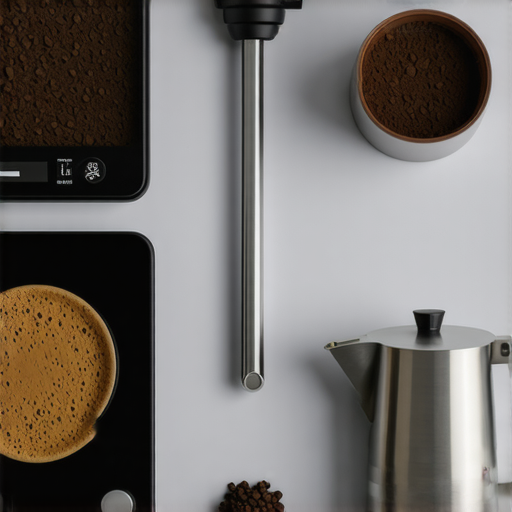
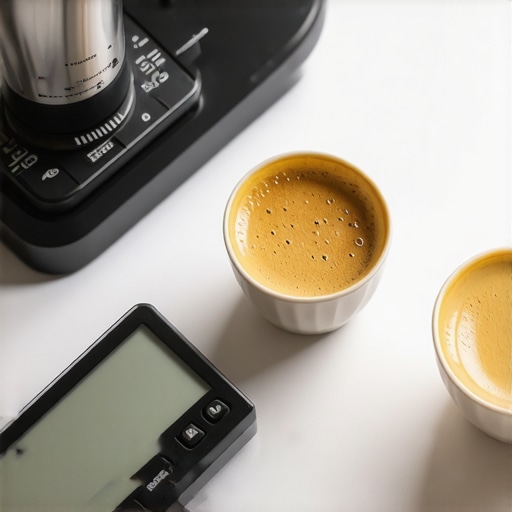
I vividly remember my first attempt at pulling a perfect espresso shot. The aroma was enchanting, but the taste? A flat, disappointing brew that left me questioning everything I knew about espresso making. It wasn’t until I realized the crucial role of proper tamping and precise measurement that I saw a dramatic transformation. That lightbulb moment—realizing that mastery over these small tools could elevate my coffee game—sparked my full-fledged journey into barista excellence.
Why Small Details Make a Big Difference in Your Espresso
As any seasoned barista or coffee enthusiast will tell you, the devil is in the details. Even a slight unevenness with your tamper or an inconsistent scale reading can turn a rich, flavorful shot into a weak, sour disappointment. It’s like baking a cake; one tiny misstep can ruin the entire batch. Recent studies even show that baristas who carefully calibrate their tools consistently produce better-tasting coffee and more consistent results. If you’ve faced the frustration of inconsistent shots despite following recipes, you’re not alone. I’ve been there, too. That’s why I want to help you refine your approach and avoid the mistakes I made early on. Whether you’re just starting or looking to polish your skills, understanding and optimizing your tools—like a high-quality espresso tamper and an accurate coffee scale—are game changers. Want to see how the pros do it? Check out the must-have [barista accessories](https://coffeeaccessories.espressotechguide.com/must-have-barista-accessories-to-take-your-coffee-game-to-the-next-level-at-midnight) that can help elevate your coffee. In the next sections, we’ll go through proven strategies to get your tamping technique just right and select the best scales that suit your brewing style. Are you tired of inconsistent espresso shots? Let’s fix that together.
Tamp with Precision and Consistency
Start by placing your portafilter on a flat, stable surface, holding your espresso tamper securely in your hand. Apply even, downward pressure—think of pressing a button with confidence—aiming for about 30 pounds of force. I remember a morning when I meticulously tamped, comparing my pressure to squeezing a soda can gently but firmly. The result? A shot with a perfect, even crema that showcased the importance of consistent tamping. Repeating this process ensures uniform resistance, which directly influences water flow and extraction quality.
Measure and Grind for the Perfect Dose
Use a high-precision coffee scale to measure your coffee dose, typically 18-20 grams for a double shot. Grind freshly, aiming for a consistency akin to fine sand or powdered sugar—too coarse, and water runs through quickly; too fine, and it causes over-extraction. I once tried grinding too fine, which led to a sluggish extraction and bitter taste. Adjust your grinder in small increments, watching the scale to hit your target weight, ensuring that every shot is repeatable. Precision here removes guesswork and sets a solid foundation for quality espresso.
Pack and Level the Coffee Bed
After dosing, use your tamper to evenly press the coffee. Apply even pressure, then gently twist or wiggle to level the bed; think of smoothing a pancake batter. In my own routine, I once skipped the leveling step, resulting in uneven extraction and a sour shot. Using a leveler or applying the tamp force with a steady, deliberate motion will ensure an even compacted puck, which is crucial for uniform water flow and optimal flavor extraction.
Clean and Prepare Your Equipment
Before each shot, ensure your portafilter, tamper, and grinder are clean and free of old coffee residue. Dirty files can introduce bitter flavors or inconsistent tamping. Regularly backflush your espresso machine, and clean your milk pitcher and other accessories. I learned this the hard way when my first few shots tasted off despite proper tamping; the culprit was leftover old coffee oils. Consistency in cleaning maintains the integrity of your tools and overall shot quality.
Use Proper Technique for Milk Frothing
Though not directly related to tamping, perfect milk texturing complements your espresso. Use a clean, well-maintained milk pitcher and a steaming wand at an appropriate angle. Submerge the tip just below the surface, creating a whirlpool, and gradually open the steam valve. I recall practicing until I could create a velvety microfoam, which enhanced my latte art and flavor profile. Precise milk steaming elevates the overall presentation and experience of your coffee, tying together the barista-quality effort from tamp to pour.
When it comes to espresso accessories, many enthusiasts think they’ve got it all figured out. But *let’s dig a little deeper*—there are nuances, misconceptions, and pitfalls that can trip up even seasoned baristas. One prevalent myth is that a high-end coffee scale guarantees perfect shots—but in reality, the calibration and proper placement of your scale matter just as much. Many assume that a fancy tamper alone will fix uneven extraction, but without consistent technique and correct pressure—around 30 pounds—you risk uneven puck density. An often-overlooked detail is the knock box. People believe it only speeds up cleanup, yet a sturdy, well-designed knock box can prevent accidental damage to your machine and reduce noise, especially if you live in shared spaces. As for milk pitchers, many suppose that all are created equal—big mistake. The shape, material, and size influence milk flow and foam quality, which is why choosing the right tool is critical for latte art. The hidden nuance here? The pitcher’s material affects heat retention, impacting microfoam consistency.
Why do many baristas underestimate the impact of tool maintenance?
Regular cleaning and calibration are vital, yet often neglected, especially with milk pitchers and scales. Failing to keep tools clean can lead to off-tasting shots, inconsistent pressure, and poor foam formation. Studies have shown that consistent maintenance improves flavor extraction and overall espresso quality. So, what’s genuinely the most overlooked accessory? Many forget about the barista tools kit, which includes smaller items such as tamp mats or levelers—key for ensuring even tamping and consistent puck formation. They’re small investments with significant returns.
Let’s call it what it is: mastering your tools isn’t just about buying the most expensive gear; it’s about understanding their nuances and caring for them properly. When you optimize every detail—from scale calibration and tamp pressure to pitcher shape—you set yourself up for coffee greatness. Do you have a go-to accessory that’s often misunderstood? Share your experience or ask questions below! Remember, continuous learning is part of the journey to becoming a true barista expert.To keep your espresso setup performing flawlessly over time, investing in proper maintenance routines is essential. High-quality tools like your espresso tamper, coffee scale, and milk pitcher can last years with proper care, but neglecting routine maintenance will degrade their precision and durability. Regular cleaning with warm water and mild detergent prevents the buildup of coffee oils and residue, which can impair taste and performance. For scales, calibration is vital; periodically check them against a certified weight to ensure accuracy, especially if they are frequently moved or dropped. Many baristas overlook the importance of keeping their tampers and knock boxes in top condition. Using a sturdy knock box that’s regularly cleaned prevents damage to your espresso machine’s portafilter and prolongs its lifespan. Additionally, inspecting and replacing worn parts like tampers’ rubber bases or scaling parts on grinders ensures consistent extraction. As the trend towards precision coffee techniques continues to grow, more baristas are investing in tools that require meticulous upkeep for optimal results. According to Baratza’s technical documentation, regular calibration of grinders not only maintains grind consistency but also preserves burr sharpness, directly impacting flavor extraction. To level up your routine, try setting a weekly maintenance schedule that includes all your tools—this small effort can significantly extend their service life and improve your espresso quality. Curious about the most overlooked maintenance tip? Many enthusiasts forget to regularly check and replace the gasket seals on their espresso machines, which can prevent leaks and maintain pressure stability. Want a practical starting point to level up? Begin with your coffee scale—calibrate it at least once a month to guarantee precise measurements. Interested in more detailed guidance? Feel free to reach out via our contact page and learn how expert baristas keep their tools in top shape.
The Hardest Lesson I Learned About Espresso Tools
One of the most profound lessons came when I realized that even the slightest inconsistency in tamping pressure could ruin an entire shot. Precision isn’t just a myth for baristas—it’s a necessity I had to internalize through repeated failed attempts. That humble realization taught me patience and the importance of deliberate technique over mere equipment quality.
My Favorite Tools for Coffee Art Excellence
Over the years, I’ve curated a toolkit that includes a high-quality milk pitcher with perfect shape and material, a robust espresso tamper with consistent pressure, and a calibrated coffee scale for exact dosing. Trust me—these tools, combined with proper care, transformed my approach to espresso-making and latte art, elevating every cup I craft.
Believe in the Power of Routine and Care
It’s tempting to think that expensive tools can do all the work, but I’ve learned that regular cleaning, calibration, and maintenance are what keep them performing at their best. For instance, a well-maintained milk pitcher and timely replacement of worn components turn good shots into extraordinary ones. Investing time in upkeep is an investment in your espresso craft, ensuring consistency and flavor profile accuracy in every shot.
Why Small Details Hold the Key to Barista Mastery
From precise tamping with a consistent 30-pound force to leveling the coffee bed meticulously, these seemingly minute steps cumulatively define your coffee’s success. I often remind myself that mastery isn’t about complexity but about refining the basics. Every detail, no matter how small, contributes to the overall harmony of flavors and presentation—making your brewing process more intuitive and your results more reliable.
Where to Elevate Your Coffee Journey Next
For those eager to deepen their skills, I recommend exploring dedicated tools and resources like our must-have barista accessories. These curated selections have helped countless enthusiasts—and myself—reach new levels of consistency and confidence behind the machine. Remember, the path to espresso excellence is continuous, filled with small improvements and mindful practices.
Your Turn to Transform Your Barista Game
Every great barista starts somewhere, and often, it’s the attention to the smallest detail that sets apart the good from the exceptional. Are you ready to evaluate your technique or tools and take your espresso to the next level? Reflect on your routine, experiment with new accessories, and embrace the journey of mastery. With each cup, you’re crafting more than just coffee—you’re creating an experience. What’s the one small adjustment you’re going to make today to elevate your espresso game? Let me know below!
,
I completely relate to the story of struggling with inconsistent espresso shots when starting out. It’s fascinating how much impact the tamping pressure and measurement precision can have on the final result. I’ve found that investing in a good scale and practicing uniform tamping pressure—targeting around 30 pounds—really made a difference in my extraction consistency. One thing I’ve noticed is that even the shape and material of your milk pitcher can influence milk flow and foam quality, which is crucial for latte art. I’ve recently switched to a stainless steel pitcher and its heat retention properties helped improve microfoam stability.
I’m curious, how do others calibrate their scales regularly? Do you have a method for ensuring continued accuracy over time? Also, what’s your preferred size and shape for a milk pitcher that helps you achieve better latte art? I’d love to hear different tips and experiences to refine my technique further.
Reading through this post really resonated with me, especially the part about small details making a big difference. I used to overlook the importance of consistent tamping pressure and accurate measurements, but once I started paying closer attention, my shots improved significantly. A helpful tip I’ve found is using a digital scale that can be easily recalibrated—some scales have a calibration mode that you can do once a month to keep readings accurate. Also, I prefer a slightly larger milk pitcher, around 18 oz, because it gives me more control over the microfoam without feeling cramped, which is crucial for latte art consistency.
Regarding scale calibration, I keep a small set of calibration weights handy, so I can verify the scale’s accuracy regularly. It’s surprisingly simple and adds confidence in every shot. How do others handle maintaining their scales or other tools to keep performance top-notch over time? I think routine maintenance often gets overlooked but is such a game changer for consistent quality. Would love to hear everyone’s tips or experiences on this—especially any creative ideas for keeping tools in prime condition!