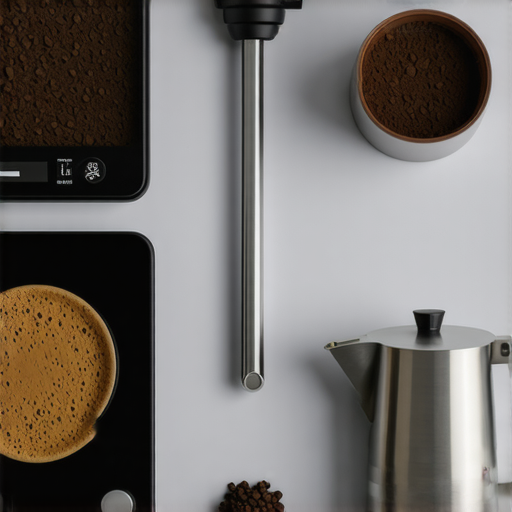
I vividly recall the mornings I struggled to produce that perfect crema or smooth, velvety latte art. Frustration built as I tamped with unsteady hands, poured milk that wobbled instead of cascading in silky ribbons, and used generic equipment that just wasn’t doing the job. One lightbulb moment hit me during a busy weekend shift—realizing that my tools were holding me back more than I thought. Small details like the right espresso tamper and a well-designed milk pitcher could transform my results and confidence.
Why Precision Tools Matter in Coffee Art
If you’ve ever faced mornings where your coffee art just isn’t coming together—no matter how much you practice—you’re not alone. Starting out, I often underestimated the impact of quality coffee scales and the right tamping technique. Did you know that using a consistent espresso tamper can improve extraction by up to 20%? That’s not just a number—it’s a game changer for both flavor and aesthetics, according to expert baristas.
Understanding these tools’ significance isn’t just for perfectionists; it’s an essential step toward elevating your entire coffee routine. You want every cup to be a canvas, showcasing your skills, not a gamble with mediocre results. But I get it—there’s a lot of gear out there, and it’s easy to feel overwhelmed. Have you ever bought an accessory, only to find it gathering dust because it didn’t meet your expectations? That’s exactly what I want to help you avoid.
This guide will walk you through the strategic selection and practical use of essential barista accessories—focusing on scales, tamper, and milk pitchers. We’ll unveil how these seemingly simple elements can be the secret sauce behind your next perfect pour. Ready to learn how to transform your mornings? Let’s dive in and set the stage for your coffee art breakthrough.
Set Up Your Workspace with Intention
Start by organizing your essentials within easy reach: your coffee scale, tamper, milk pitcher, and knock box. Clear clutter to focus on precise movements, just like a painter prepares their palette. Place your coffee scale front and center; it’s your best tool for consistent extraction. Use a dedicated space for your espresso tamper and milk pitcher to make each shot and pour predictable and controllable.
Perfect Your Dose and Tamp Technique
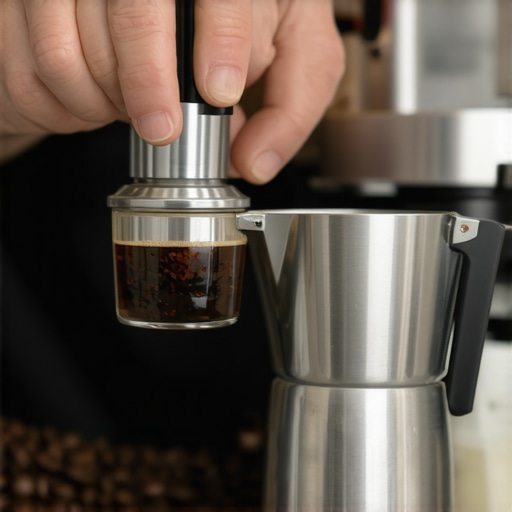
Measure your coffee grounds with your scale to ensure consistency—aim for about 18-20 grams for a double shot. Distribute the grounds evenly in the portafilter, then apply even force with your tamper, pressing down with 30 pounds of pressure. Think of your tamp as the mold that shapes the espresso’s future—firm, even, and consistent every time. I once struggled with uneven tamping, causing bitter pulls, until I practiced in front of a mirror, gradually applying more uniform pressure.
Dial in Your Extraction
Use your scale to time your extraction precisely—aim for 25-30 seconds for a double shot. Adjust the grind size and tamp pressure if the shot is too fast or slow. Remember, small tweaks lead to big improvements, similar to fine-tuning a musical instrument. Consistent pressure and timing ensure your espresso’s body and flavor are optimal.
Master Milk Frothing and Pouring
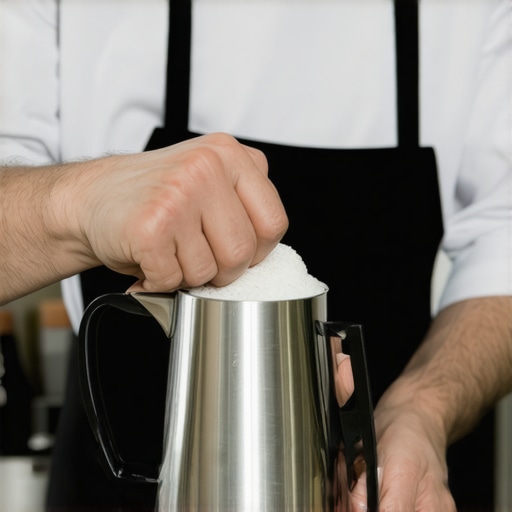
Use a well-maintained milk pitcher with a comfortable handle and a spout suited for pouring finesse. Steam your milk to 150°F (65°C), creating a silky microfoam. Practice pouring with a controlled, steady arm—visualize drawing shapes with the milk. A messy pour once taught me that slow, deliberate movements yield the best latte art. Hover your pitcher just above the cup’s surface, then pour steadily to create rosettas or hearts.
Clean and Preserve Your Tools
A dirty tamper or milk pitcher hampers consistency. Clean them after each use with warm water and a mild detergent, following proper maintenance tips. Keep your scale calibrated regularly, ensuring accurate dosing. Proper care extends the life of your accessories and guarantees each shot is as perfect as the first.While many coffee enthusiasts focus on selecting top-tier equipment like espresso tampers or milk pitchers, there’s a common misconception about these tools that can hinder your progress. The truth is, most barista accessories have nuanced features or maintenance requirements that are often overlooked, leading to subpar results or premature equipment failure.
One widespread myth is that a coffee scale is just for measuring dose accuracy. In reality, high-quality scales with precise timing functions also help monitor extraction times consistently, preventing over- or under-extraction that can mask your skill. Relying solely on visual cues might seem intuitive, but studies have shown that timing and weight precision significantly improve shot consistency.
When it comes to espresso tampers, many believe applying brute force guarantees better extraction. However, advanced baristas understand that uniform tamping pressure, around 30 pounds, is more crucial. Applying inconsistent force introduces variability, causing uneven extraction and bitterness. Simultaneously, the tamping technique impacts macro and microflow in the portafilter, affecting flavor and aroma.
A common oversight with milk pitchers is ignoring their spout design. Not all pitchers are equal—some facilitate smoother pours essential for complex latte art. Investing in a well-made pitcher with the right spout angle can make the difference between a mediocre rosetta and a stunning heart.
Similarly, many frustrate themselves by neglecting scale calibration. Small calibration errors over time can skew your measurements, leading to inconsistent espresso shots. Regularly calibrate your scale to maintain precision, a step often underestimated.
Now, for the advanced enthusiast:
Can the Material of Your Accessories Affect Espresso Quality?
The material composition of your coffee scale or tamper can influence thermal stability and longevity. For instance, stainless steel tampers retain consistent weight and prevent temperature transfer, leading to more stable tamping. Some studies suggest that the material and surface finish also impact residue buildup and cleaning ease, affecting hygiene and performance.
Remember, embracing these nuanced details can elevate your technique from good to exceptional. Don’t be content with surface-level understanding; adopt a mindset of continual refinement and curiosity. For more insights on maintaining your tools, check out the proper care procedures.
Have you ever fallen into this trap? Let me know in the comments. Mastery comes from understanding the subtleties most overlook.
Maintaining your barista equipment isn’t just about cleanliness; it’s a crucial step toward ensuring that every shot, pour, and foam session hits the mark. I personally dedicate time weekly to inspect and care for my tools—it’s a habit that has significantly boosted my consistency and confidence. Proper upkeep of your milk pitcher, coffee scale, and espresso tamper is vital to prolong their lifespan and ensure optimal performance.
How do I maintain my tools over time?
Begin with regular cleaning routines: after each use, wash your milk pitcher with warm, soapy water to prevent build-up and residue that can affect foam quality. For coffee scales, it’s essential to calibrate them periodically—at least once a month—to maintain measurement accuracy. Consult the manufacturer’s instructions or contact support for calibration procedures. Tamping tools like espresso tampers should be checked for signs of wear or damage—any dents or loose handles warrant replacement to keep tamping consistent.
Additionally, storing these tools properly can extend their usefulness: keep your scales away from moisture, and hang your tamper and knock box in a dry, designated drawer. Implementing these routines is supported by professional barista standards and can be reviewed in detail in this resource.
Evolution of barista tools and future trends
As technology advances, automated calibration systems and durable, multi-material tools are becoming the norm, promising longer-lasting equipment with less manual intervention. According to industry experts, integrating smart sensors into coffee scales is on the rise, offering real-time precision feedback that pushes your technique further. I recommend trying out a calibrated, high-precision scale with app connectivity—it’s a game-changer for dialing in perfect shots. Stay ahead by exploring these innovations and adjusting your routine accordingly.
Implementing diligent maintenance routines not only preserves your equipment’s performance but also contributes to better tasting, more consistent coffee. Remember, tools are an extension of your skill—treat them well, and they’ll reward you with quality in every cup. For tips on selecting and caring for your knock box or milk pitcher, check out the dedicated guides linked above. Don’t forget, consistent care is your secret weapon for long-term success.
}**} ,
,
Reflecting on the journey from frustration to finesse with coffee tools, I realize that the real breakthrough came when I shifted my perspective on equipment. It’s not just about having the right espresso tamper or a sleek milk pitcher, but understanding how each element contributes to your overall craft that makes the difference.
What Hidden Lessons Do Top Baristas Keep Secret About Their Equipment
- Patience in refining your tamp pressure is often overlooked. I once thought brute force was the key until I discovered that consistent, gentle pressure yields better extraction and taste.
- The myth that more expensive tools automatically guarantee perfect coffee is false. I learned that proper technique and regular maintenance are far more impactful than price tags.
- Micro-adjustments in grind size and tamping are your best friends. Small tweaks, rather than drastic changes, lead to extraordinary improvements in the shot quality.
- Investing time in cleaning and calibrating your milk pitcher, coffee scale, and tamper ensures consistency and prolongs their lifespan, saving money and frustration in the long run.
My Toolkit That Transformed My Espresso Experience
- High-precision coffee scales: For consistent dosing and timing, I swear by tools that offer real-time feedback. Try to find ones with app integration for even better control.
- The right tamper: A tamper with a comfortable handle and a solid base helps apply the perfect pressure. Stainless steel options tend to be more durable and stable.
- Well-designed milk pitchers: Choosing a pitcher with a spout suited for your pouring style makes latte art more achievable than ever.
- Cleaning and maintenance supplies: Never underestimate the impact of regular cleaning routines — they keep your tools performing at their best and your espresso tasting divine.
Take Charge of Your Coffee World Today
Embarking on the path of coffee mastery is about mindful choices and consistent care. As you nurture your tools and techniques, you’ll find each cup becoming a reflection of your dedication. Remember, the journey is just as rewarding as the perfect shot, so keep experimenting, maintaining, and learning.
What has been your biggest hurdle in mastering your espresso routine with tools like the espresso tamper or milk pitcher? Share your experiences below—I’d love to hear how you’re turning gear into greatness!
,