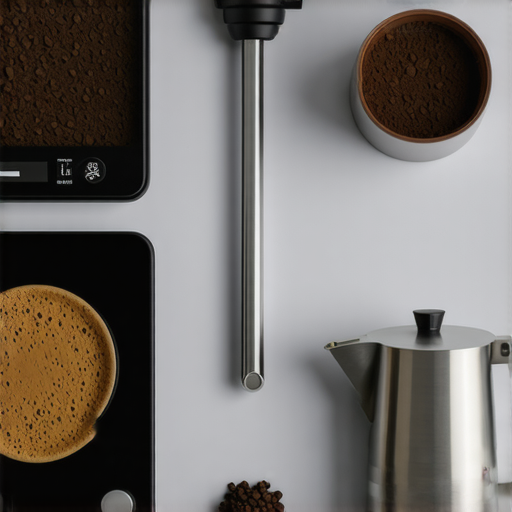
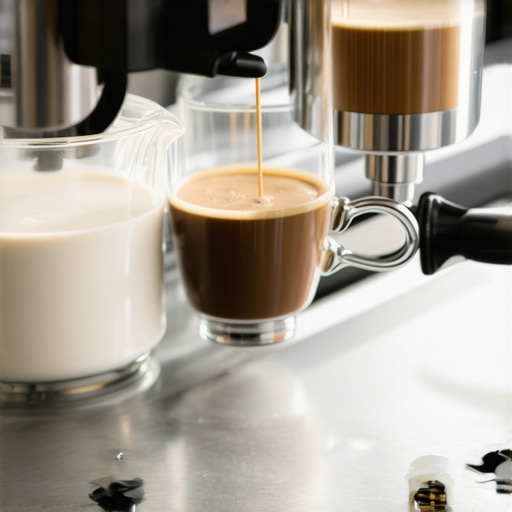
I’ll never forget the morning I spent an hour trying to perfect my latte art, only to realize my milk pitcher was warped and my tamper was uneven. It was a lightbulb moment—small equipment choices can make or break your coffee experience. If you’ve ever felt frustrated after a failed pour or inconsistent shot, you’re not alone. I’ve been there, and I want to share what I’ve learned to help you avoid the same pitfalls.
Why Your Equipment Can Make or Break Your Coffee
Ever wonder why some baristas make coffee look effortless and others struggle to get that perfect crema or silky foam? The secret isn’t just in the beans or the grind—it’s also in the tools. The right milk pitcher and tamper can elevate your brewing, giving you control, consistency, and that beautiful latte art every time. But choosing the right gear isn’t always obvious, and many of us make simple mistakes early on that hold us back. For example, I once used a cheap, thin-walled pitcher that couldn’t handle steaming high volumes without warping. That small oversight cost me time, frustration, and ultimately, better coffee.
Today, I’ll guide you through how to select and use the best milk pitchers and tampers so you can finally brew with confidence. Whether you’re a beginner or an experienced home barista, these tips will help you level up your game. And if you’re skeptical about investing in fancy equipment, I get it. I thought the same until I saw how much smoother my espresso shots and milk textures became when I made smarter choices. Believe me, the right tools are worth it—and I’ll show you how to pick them wisely.
Is Quality Equipment Worth the Hype?
Early on, I made the mistake of thinking I could get by with budget gear. I bought a cheap tamper that didn’t fit well and a flimsy pitcher that dented easily. My shots were inconsistent, and my milk was always frothy but uneven. It was only after I upgraded to a properly weighted tamper and a high-quality, stainless steel pitcher that I started to see real results. According to coffee expert James Hoffmann, investing in quality tools leads to better control and, ultimately, better coffee. So, if you’ve ever wondered whether it’s worth splurging on your equipment, the answer is a resounding yes—your taste buds will thank you.
If this sounds familiar, don’t worry. Next, I’ll share exactly what to look for when choosing your milk pitcher and tamper, so your coffee can finally match your passion. Ready to take that next step? Let’s dive in.
Choose the Right Milk Pitcher for Consistent Froth
Start with a high-quality, stainless steel pitcher that feels solid in your hand. A well-made pitcher has a thicker wall that withstands heat and won’t warp during steaming. During my first attempt to create latte art, I used a cheap, thin-walled pitcher, which warped after just a few steaming sessions. Switching to a sturdy, 12-20 oz stainless steel pitcher improved my control and allowed me to steam milk more evenly, producing a silky microfoam. When selecting a pitcher, look for a spout with a narrow tip that offers precision pour control, making it easier to create intricate latte art designs. For more insights on choosing the best milk pitchers, visit this guide.
Get the Perfect Weight and Balance
Pick a pitcher that balances comfortably in your hand. Too heavy or too light can affect your pouring accuracy. When I first used a pitcher that was too light, I struggled to control the flow, resulting in uneven latte art. A pitcher with a weighted handle or a balanced feel gives you better control over the pour speed and angle. Practice pouring from different heights and angles to develop a steady hand. Remember, consistency in weight helps produce uniform microfoam for every shot.
Selecting an Espresso Tamper that Fits and Feels Right
Invest in a high-quality, flat-bottom tamper that fits your portafilter snugly. During my early days, I used a tamper that was slightly too small, leading to uneven tamping pressure. Upgrading to a tamper with a diameter matching my portafilter (usually 58mm for commercial machines) allowed me to apply even pressure across the coffee bed. A well-fitting tamper gives you better control over tamping force, which directly impacts extraction consistency. For detailed tips on choosing the right tamper, check this resource.
Apply Consistent Pressure
Use the same amount of force each time—about 30 pounds is a good benchmark. When I first started tamping, I pressed too lightly, resulting in under-extraction. I found that practicing with a bathroom scale helped me develop a feel for the right pressure. Once consistent, your shots will be more predictable, with balanced extraction that enhances flavor and crema. Consider using a tamper with a handle that provides a comfortable grip to avoid fatigue during multiple shots.
Refining Your Technique for Better Results
Always preheat your equipment to ensure temperature stability. Use a scale like this coffee scale to measure your doses precisely. When steaming milk, insert the tip just below the surface to create microfoam, and tilt your pitcher to control flow and texture. For tamping, press evenly and firmly, then give the tamper a slight twist to settle the coffee bed. Remember, consistent equipment and technique are the backbone of great coffee. For ongoing maintenance tips, visit this guide.
Many home baristas fall into the trap of oversimplifying equipment choices, believing that a fancy espresso machine or a premium tamper alone guarantees perfect coffee. However, the real nuance lies in understanding how these tools interact with your technique and environment. For example, a common misconception is that more expensive equipment automatically produces better results. In reality, even high-end gear can underperform if not used correctly or if mismatched with other tools. Let’s dig deeper into what most people overlook and how to avoid these pitfalls.
Why the Price Tag Isn’t Everything
It’s tempting to think that the most costly coffee gear will solve all your problems. But in my experience, many expensive tools are underutilized or misused. For instance, a top-tier coffee scale is invaluable, but only if you calibrate and use it consistently. Some enthusiasts buy a high-end scale but neglect regular calibration, leading to inaccurate measurements and inconsistent shots. According to expert coffee scale guides, precision starts with proper calibration and understanding your equipment’s limits. Always remember, equipment is only as good as your knowledge and technique.
Beware of the Micro-Adjustments Trap
Advanced users often focus on tiny adjustments—like changing grind size by a fraction or adjusting tamp pressure slightly. While these nuances matter, over-reliance on micro-tuning can lead to analysis paralysis. Many get caught in the trap of endlessly tweaking their setup without addressing fundamental issues, such as inconsistent dosing or poor technique. Simplify your process first; then fine-tune. This approach prevents wasted effort and helps you identify what truly impacts your shot quality.
Another hidden nuance is equipment maintenance. Regularly cleaning and maintaining your tools ensures consistent performance. For example, a dirty tamper or scale can introduce variables that skew results, no matter how precise your technique. For detailed maintenance routines, check this guide.
Are You Matching Your Equipment to Your Environment?
Many enthusiasts overlook environmental factors such as humidity, temperature, and water quality. These can drastically affect equipment performance. For example, a humid environment can cause coffee beans to absorb moisture, leading to inconsistent grind sizes and extraction issues. Similarly, water with high mineral content can clog or damage espresso machines over time. Tailoring your equipment choices to your environment—like using water filters or dehumidifiers—can preserve your tools and improve results. Don’t assume that what works in a professional setting will automatically work at home; adjustments are often necessary.
Have you ever fallen into this trap? Let me know in the comments. Remember, mastery isn’t just about buying the best gear but understanding and maintaining it properly and adapting it to your unique setup. For more insights on advanced barista tips, visit our contact page.
Keeping your coffee setup in top shape is crucial for achieving those perfect shots consistently. From calibrating your coffee scale to maintaining your tamper and milk pitcher, a little attention to detail goes a long way. I personally rely on a high-precision coffee scale like the best barista coffee scales because they provide repeatable measurements, essential for dialing in your grind and dose. Regular calibration, at least once a month, ensures your measurements stay accurate and your shots predictable.
For your milk pitcher and tamper, routine cleaning and inspection are non-negotiable. Dirty pitchers can introduce bacteria and affect milk texture, while a worn tamper can lead to uneven extraction. I follow a simple maintenance routine: rinse all tools immediately after use, scrub with a soft brush, and periodically deep clean with a descaling solution. This practice preserves the integrity of your tools and prevents performance issues over time—check this guide for detailed steps.
As I look to the future, I believe smart, connected barista tools will become more prevalent. Imagine scales that sync with your smartphone, providing real-time feedback and calibration reminders. AI-driven maintenance alerts could notify you when your equipment needs cleaning or parts replacement, making routine upkeep effortless. Embracing these innovations will help you stay ahead and keep your coffee consistently excellent.
How do I keep my equipment performing well over time?
Establish a regular maintenance schedule—daily rinsing, weekly deep cleaning, and monthly calibration are good starting points. Always use the manufacturer-recommended cleaning solutions and avoid abrasive scrubbers that can damage your tools. Also, store your equipment in a dry, temperature-controlled environment to prevent warping or corrosion. Remember, well-maintained tools are the backbone of great coffee, and investing a few minutes daily can save you hours of troubleshooting later.
If you want to step up your game, try integrating a smart scale into your routine. These devices can provide instant feedback on your dosing and tamping pressures, helping you develop a more consistent technique. Regularly updating your maintenance routines and embracing smart tools will not only improve your coffee quality but also extend the lifespan of your equipment. Ready to give your setup a tune-up? Start with your coffee scale and see how a simple calibration can make a noticeable difference.
The Hardest Lesson I Learned About Coffee Gear
One of my biggest lightbulb moments was realizing that even the most expensive espresso machine won’t deliver great coffee if paired with poor-quality tampers or uneven milk pitchers. It taught me that equipment mastery isn’t just about buying the best tools but understanding how they interact with your technique and environment. That realization pushed me to focus on proper maintenance and calibration, which transformed my brewing process.
My Essential Tools for Coffee Excellence
Investing in a high-quality, stainless steel milk pitcher and a properly fitting, flat-bottom tamper changed my game. I trust top barista tools like these because they provide consistent results and are built to last. Regular calibration of my coffee scale and routine cleaning of my tools keep my setup performing at peak condition. These resources helped me develop a routine that ensures every shot is as good as the last.
This Is Your Moment to Elevate Your Coffee Routine
Remember, mastery in coffee brewing isn’t just about better gear; it’s about understanding, maintenance, and continuous improvement. Your perfect shot is within reach when you pay attention to your tools and environment. Are you ready to refine your setup, stay consistent, and enjoy truly exceptional coffee every day? Start now, and your taste buds will thank you.
What’s the one piece of equipment you’ve been hesitant to upgrade but know could make a difference? Let me know below!
,