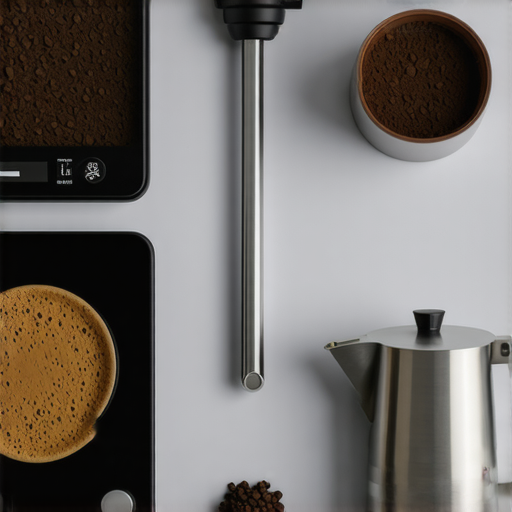
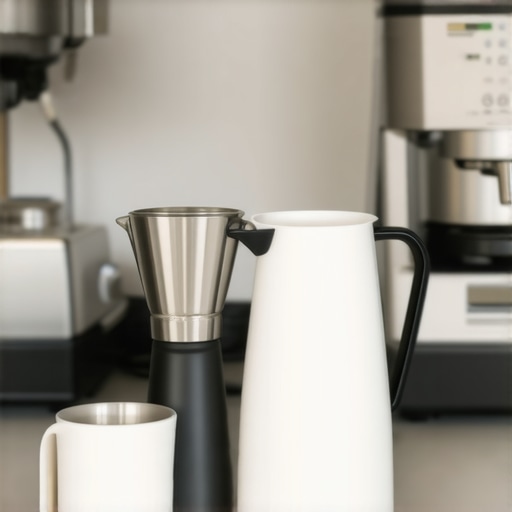
Ever poured a latte only to realize your beautiful foam art looks more like a toddler’s scribble? I’ve been there. It was a frustrating afternoon, and I finally stumbled upon a game-changer: the right accessories. Not just any accessories, but those tailored for precision and consistency. That lightbulb moment made me rethink my entire approach to making coffee at home, and I bet it can do the same for you.
Why Investing in the Right Espresso Accessories Matters
When I first started experimenting with my espresso setup, I thought a good grinder and quality beans were enough. Turns out, a lot of the magic happens in the details—like how I tamp my coffee or how I steam my milk. Small tools like a tamper and a milk pitcher aren’t just accessories; they’re the secret weapons for elevating your coffee game. A poorly tamped shot or uneven milk pour can ruin even the best beans, which is why these accessories are worth every penny. According to a study by the Specialty Coffee Association, consistency in tamping and milk steaming can significantly improve espresso quality, leading to better flavor and presentation.
Is All This Fancy Gear Really Necessary?
I used to think fancy accessories were just gimmicks. My early mistake? Using a generic tamper and a cheap pitcher. The results? Unpredictable shots and uneven latte art. It wasn’t until I invested in a quality tamper and a well-designed milk pitcher that I saw real improvement. So, if you’re skeptical, ask yourself—are you okay with inconsistent coffee or would you rather impress friends with your barista skills? I promise, the right tools make a difference. If you’re curious about how to choose the best accessories, check out my comprehensive guide on top espresso tamper & milk pitcher accessories in 2024.
Choose the Right Tamper for Consistent Shots
My first attempt to improve my espresso quality involved swapping out my old, flimsy tamper. The day I invested in a high-quality, calibrated tamper was a revelation. I pressed down with even force, feeling the precise resistance, and my shots became more uniform. To select your perfect tamper, look for one with a comfortable handle and a base that matches your portafilter size. A calibrated tamper ensures consistent pressure every time, crucial for that perfect extraction. For detailed guidance, check out my article on best coffee scales and tampers in 2024.
Nail the Milk Frothing Technique
One busy Saturday, I decided to refine my milk steaming process. I used a quality milk pitcher and focused on the angle and position of the steam wand. I found that angling the wand just right and keeping the pitcher slightly tilted created a whirlpool effect, resulting in silky, microfoam. Regularly maintaining your pitcher is essential — I clean mine meticulously after every use, which you can learn more about at how to maintain your milk pitcher. Practice pouring with a steady hand, starting from higher above and moving closer as the foam develops, to achieve beautiful latte art.
Perfect Your Technique with Coffee Scales
During one early morning session, I realized my espresso shots varied wildly in strength. I started using a digital coffee scale, weighing my coffee grounds and the water precisely. This step transformed my brewing—every shot was consistent, and I could fine-tune extraction time easily. Invest in a scale with a timer function and a tare feature to streamline your process. For expert tips and recommended models, visit ultimate guide to coffee scales.
Maintain Your Tools for Peak Performance
After acquiring top-tier accessories, I found the longevity and performance of my tools depended heavily on regular maintenance. I clean my tamper and pitcher weekly, ensuring no residual coffee oils or milk residues diminish their effectiveness. Proper maintenance not only preserves your equipment but also guarantees consistent results. For detailed cleaning routines, see how to maintain your milk pitcher. Keep your tools in tip-top shape, and your coffee will always impress.
Experiment and Refine
Every barista knows that mastering these accessories is an ongoing process. I regularly tweak tamping pressure, steaming angles, and grind settings, recording my results to find the perfect balance. Use your accessories as a foundation, but don’t be afraid to experiment. Each adjustment brings you closer to barista-level perfection. For more advanced techniques, explore knock box strategies and other essential tools. Remember, consistency is key, and the right accessories make that journey smoother.
Many coffee enthusiasts fall into the trap of believing that investing in high-end espresso accessories guarantees perfect results. While quality tools are essential, there are nuances and misconceptions that can hinder your progress. Let’s dig deeper into what most people get wrong and how to truly elevate your coffee game.
Why the Brand Isn’t Always the Best Indicator of Quality
One common myth is that expensive brands automatically deliver superior performance. In my experience, this isn’t always true. A lot depends on the specific model and your brewing style. For instance, a well-calibrated tamper from a lesser-known brand can outperform a high-priced one if it fits your portafilter perfectly and feels comfortable in your hand. The key is to test and find what works best for your setup rather than blindly following brand prestige. For precise consistency, consider tools like coffee scales and tampers in 2024.
Don’t Overlook the Power of Technique Over Tools
Many assume that buying the latest accessory will instantly improve their coffee. However, advanced baristas know that technique trumps gear. Proper tamping pressure, milk steaming angles, and pour control are skills that can’t be replaced by tools alone. Using a calibrated tamper or a high-quality milk pitcher helps, but mastering the fundamentals is what makes the real difference. Remember, even the best accessories need to be paired with consistent practice. Regularly refining your technique and maintaining your tools, as shown here, ensures steady improvement.
Advanced Questions for Serious Coffee Lovers
What subtle factors influence espresso extraction that most people overlook? The answer lies in variables like grind size, tamping pressure variability, and water temperature stability. Even slight inconsistencies in these areas can lead to under-extraction or over-extraction, spoiling your shot. Investing in a quality coffee scale with a timer and a precise grinder setup, as discussed here, can help you control these nuances. According to expert baristas, paying close attention to these details is what separates good coffee from great.
Have you ever fallen into this trap? Let me know in the comments. Remember, the path to perfect espresso is paved with continuous learning and the right tools used skillfully.
Once you’ve invested in quality accessories for your espresso setup, the next crucial step is ensuring they stay in peak condition. Regular maintenance not only prolongs the life of your tools but also guarantees that your coffee remains consistently excellent. In this article, I’ll share specific tools and routines I personally use to keep my gear working flawlessly, along with insights into where this trend is heading.
Keeping Your Barista Tools in Top Shape
The cornerstone of maintaining excellent coffee is proper cleaning. For my milk pitcher, I follow a routine that involves a thorough rinse immediately after use, then a gentle scrub with a non-abrasive brush, and finally, a weekly deep clean using a mixture of warm water and mild dish soap. I avoid harsh cleansers that can degrade the metal over time. For detailed guidance on this process, check out how to maintain your milk pitcher.
My tamper benefits from being checked monthly for calibration. I use a calibration kit to ensure consistent tamping pressure, which I believe is essential for uniform extraction. This small investment pays off by giving me confidence that each shot will be just as good as the last. Regularly verifying your tamper’s calibration can save you hours of troubleshooting later.
How do I maintain my coffee scale over time?
The secret to long-term accuracy of my digital coffee scale is keeping it clean and protected from dust and moisture. I wipe the surface with a soft cloth after each use and store it in a dedicated case. Additionally, I calibrate my scale periodically as recommended by the manufacturer. Using a high-quality scale like those discussed here ensures that my measurements remain reliable. As technology advances, I predict that future scales will incorporate smarter calibration features and even app integrations for real-time monitoring.
What about tools like knock boxes and frothing pitchers?
For my knock box, I clean the interior weekly with hot water and a mild disinfectant to prevent buildup of coffee oils that can impact flavor. My frothing pitcher is descaled monthly using a solution of vinegar and water to prevent mineral deposits that can hinder milk steaming. Regular maintenance routines like these are straightforward but vital. Learn more about proper cleaning routines at this guide.
Try This Tip for Better Long-Term Results
One advanced tip I recommend is investing in a high-precision calibration kit for your tamper and scale. Regular calibration ensures that your tools continue to provide accurate, repeatable results, which is especially important if you’re scaling your setup or brewing professionally. Incorporating this into your routine can significantly improve your consistency and elevate your coffee game. Give it a try today, and notice how your shots become more predictable and delicious!
The Hardest Lesson I Learned About Espresso Accessories
One of my biggest realizations was that even the fanciest tamper or milk pitcher won’t make a great espresso if I don’t master my technique first. Accessories are vital, but they amplify the skills you build through practice. I once bought an expensive tamper, expecting instant perfection, only to realize that inconsistent tamping pressure was my real obstacle. The lesson? Focus on technique, then use tools to refine it.
3 Myths About Espresso Accessories That Held Me Back
Many assume that high-end gear guarantees perfect shots. I believed this too, but I learned that a well-calibrated tamper from a lesser-known brand can outperform pricier options if it fits your setup. The key is to test, calibrate, and find what works best for you, rather than chasing brand prestige.
What Experts Won’t Tell You About Coffee Tools
Most professionals emphasize technique over tools, and for good reason. A skilled barista can make magic with basic gear, but the right accessories—like a precise coffee scale or a calibrated tamper—make consistency more achievable. Continuous learning and maintenance are what truly elevate your coffee game.
My Essential Toolkit for Espresso Excellence
- High-quality calibrated tamper: Ensures consistent pressure for every shot.
- Digital coffee scale: Precise measurements control extraction variables.
- Well-designed milk pitcher: Creates silky microfoam for beautiful latte art.
- Regular maintenance routines: Keep tools in top shape with thorough cleaning and calibration.
Your Turn to Try
Now that you know the importance of the right accessories and technique, it’s your move. Invest in a quality tamper or a good coffee scale, and commit to regular practice and maintenance. These small changes can transform your espresso experience and bring out the barista in you. Don’t hesitate—your perfect coffee awaits.
What’s the one accessory or technique you’re most excited to improve? Share your thoughts below!
I really appreciate this detailed guide on espresso accessories. When I first started making coffee at home, I underestimated how much the right tools could improve both taste and presentation. A high-quality tamper made a huge difference for me—I used to struggle with uneven tamping, which led to inconsistent extractions. After switching to a calibrated tamper, I finally got a lot closer to café-quality shots. The part I’m most interested in trying now is refining my milk frothing technique; I’ve found that even small adjustments in steam wand angle and pitcher tilt can really enhance microfoam quality. Does anyone have tips for beginners on achieving consistently silky milk? Also, I’d love to hear how others schedule their maintenance routines—any suggestions for making this a habit without it feeling like a chore? Thanks for sharing this comprehensive resource, it’s motivated me to elevate my home brewing setup even further.
Reading through this post, I couldn’t agree more about the importance of technique in making great espresso — tools definitely help, but mastering how you tamp, steam, and pour is what truly elevates your coffee. I’ve been experimenting with different tamping pressures, despite using a calibrated tamper, and found that consistent technique often yields better results than just switching tools. I hone my skills by recording each shot and tweaking minor variables — it’s become a rewarding process!
One thing I’ve noticed is that small details like water temperature control and grind size often get overlooked but have outsized impacts on extraction. For those just starting, I’d recommend focusing on perfecting your grind and water temperature first before investing heavily in accessories. Has anyone here experimented with temperature-controlled grinders or water filters? I’d love to hear how that affected your brew quality.
Lastly, I totally agree with the importance of tool maintenance—cleaning and calibration are easy to neglect but vital for consistent results. Do you all have certain routines or reminders to keep your gear in top shape? Sharing tips could help many of us build better habits for that perfect shot.