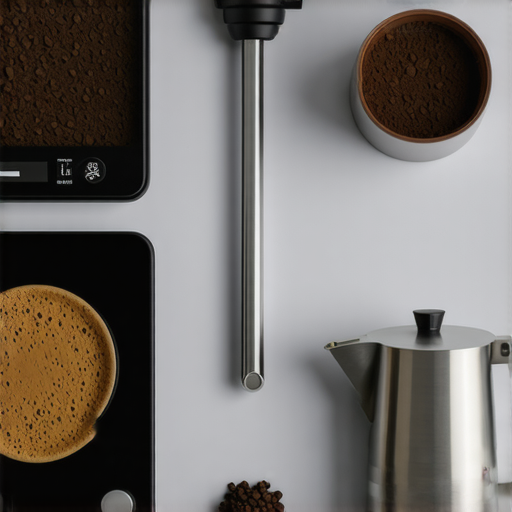
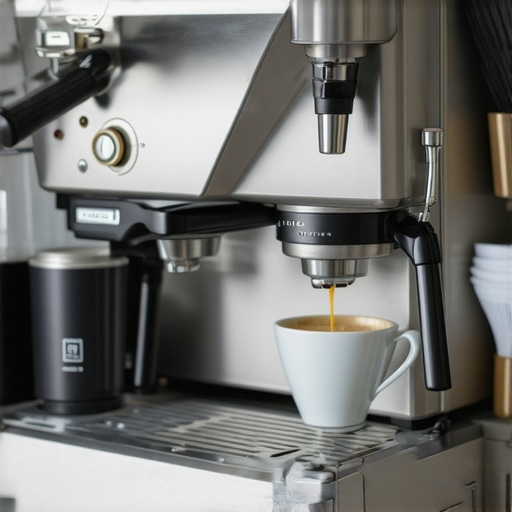
Have you ever brewed what you thought was a perfect cup of coffee, only to be disappointed by its inconsistency or lack of flavor? I’ve been there. I used to spend ages perfecting my espresso, only to realize my shots were wildly unpredictable. It was frustrating, especially after investing in fancy beans and high-end equipment. My lightbulb moment came when I finally understood that precision isn’t just a luxury — it’s the foundation of great coffee. That’s when I discovered the game-changer: essential coffee scales and barista tools.
Why Precision Matters in Coffee Brewing
As I delved deeper into the art of coffee, I learned a startling fact: even a tiny deviation in coffee-to-water ratio can dramatically affect taste. According to the Specialty Coffee Association, consistency in brewing parameters is key to achieving the perfect shot. Without the right tools, maintaining this consistency becomes a shot in the dark. I used to guess my grind size or eyeball my tamp pressure — a recipe for uneven extraction and bitter, flat flavor.
Now, I prioritize precision tools like digital scales and tampers. These aren’t just gadgets; they’re investments in your coffee journey. They help me measure every gram, control water temperature, and ensure each shot is repeatable. That consistency transforms a good cup into a great one, making every morning feel like a barista-crafted masterpiece.
Question: Is Investing in Barista Tools Actually Worth It?
Early on, I made the mistake of thinking that high-tech equipment was unnecessary or just a gimmick. But trust me — scrimping on quality tools only led to more frustration. When I finally upgraded to a proper coffee scale, I saw immediate results. My shots became more balanced, and I could finally dial in my brew with confidence. According to industry experts, the right tools not only improve taste but also save you time and money in the long run.
If you’ve faced similar struggles, you’re not alone. And the good news? There are simple, effective solutions to elevate your coffee game. In the next sections, I’ll share practical tips and recommend the best barista tools for 2024 that have transformed my brewing experience. Ready to make your mornings more flavorful and consistent? Let’s dive in.
Set Up Your Brewing Station
Begin by creating a dedicated space for your brewing essentials. Choose a flat, stable surface to place your coffee scale and accessories. This stability ensures accurate measurements and prevents slips that could ruin your shot.
Next, organize your tools: grinder, tamper, milk pitcher, and knock box. Having everything within arm’s reach minimizes distractions and streamlines your process.
Calibrate Your Coffee Scale
Step 1: Zero the Scale
Power on your digital scale and place an empty, tare-friendly container on it. Press the tare button to reset the display to zero. This step ensures you measure only the coffee and water, not the container weight.
Step 2: Confirm Accuracy
To verify calibration, weigh a known standard (like a 50g weight). If the scale doesn’t match, follow the manufacturer’s instructions for calibration or contact support through contact us.
Grind and Dose with Precision
Use your grinder to achieve a consistent grind size. Weigh your coffee beans before grinding—aim for the exact dose, typically 18-20 grams for a double shot.
During my first attempt, I mistakenly eyeballed the dose, which led to uneven extraction. When I started weighing every dose, my shots improved dramatically, becoming more balanced and flavorful.
Distribute and Tamp Properly
After dosing, use a distribution tool or your finger to evenly spread the grounds in the portafilter. This step prevents channeling, which causes uneven extraction.
Finally, tamp with consistent pressure—around 30 pounds of force. Use a calibrated tamper to ensure uniformity. I once manually tamped too lightly, resulting in weak extraction. Using a tamper with a pressure guide helped me achieve perfect tamping every time.
Extract with Precision
Place the portafilter in your espresso machine. Use your scale to monitor the extraction time and volume. Aim for about 25-30 seconds for a double shot, with a consistent water temperature and pressure.
Adjust grind size or tamp pressure if you notice over- or under-extraction. My initial shots were bitter because I used too fine a grind. Fine-tuning this parameter was key to perfecting my espresso.
Maintain and Upgrade Your Tools
Regularly clean your milk pitcher, tamper, and scale to preserve accuracy. Consider upgrading to a more advanced scale with additional features like Bluetooth connectivity for even more precise control.
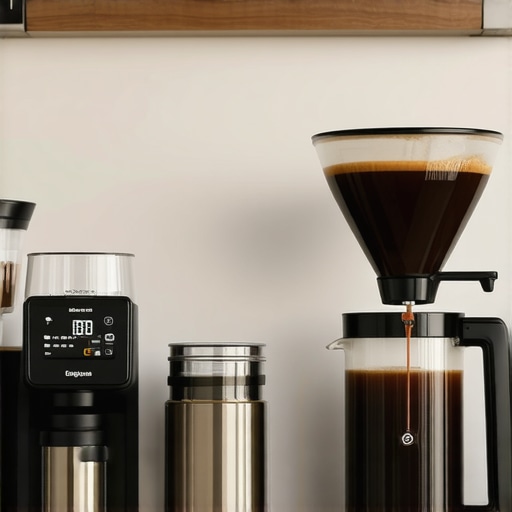
Illustration of a well-organized coffee brewing station with a scale, tamper, grinder, and espresso machine.
While it’s common to emphasize the importance of tools like coffee scales and tampers, many enthusiasts overlook the subtle complexities that can make or break their brewing consistency. Let’s dig deeper into the nuances that often get lost in beginner advice and explore what truly separates a good coffee from a great one.
Contrarian View: The Myth of Perfect Equipment
Most people believe that investing in top-tier equipment guarantees perfect coffee. However, I’ve seen countless cases where even the most expensive gear fails if you don’t understand the finer details of your process. For example, a high-precision scale won’t compensate for inconsistent tamping or uneven grind distribution. The real secret lies in mastering the small, often overlooked steps—like evenly distributing grounds or adjusting tamp pressure with a calibrated tamper.
The Oops Factor: Over-Calibration and Over-Analysis
One common trap is obsessing over perfect calibration or trying to micromanage every variable simultaneously. While precision tools are invaluable, over-reliance can lead to analysis paralysis. For instance, constantly tweaking your scale settings or grind size without considering factors like bean freshness or water quality can be counterproductive. Instead, focus on consistent application of your core techniques, then fine-tune gradually.
Advanced Mistakes: Ignoring the Impact of Environmental Variables
Many seasoned baristas know that environmental factors—like humidity, temperature, and even ambient noise—can subtly influence brewing outcomes. For example, high humidity can cause coffee grounds to clump, leading to uneven tamping and extraction issues. Recognizing these hidden factors and adjusting your setup accordingly—such as sealing beans properly or calibrating your grinder more frequently—is essential for maintaining precision. Industry experts suggest regularly recalibrating your equipment based on environmental changes, which can significantly improve consistency over time. Want to learn more? Check out how to maintain your tools for peak performance.
Have you ever fallen into this trap? Let me know in the comments.
Keeping your coffee tools in top shape is crucial for maintaining consistency and achieving professional-grade brews at home. Over time, even the best equipment can lose accuracy or become less efficient if not properly maintained. Regular upkeep not only extends the lifespan of your gear but also ensures every shot remains as precise as the first. One of the most overlooked aspects is the care of your milk pitcher, which must be cleaned meticulously to prevent milk residue build-up that can impair frothing quality.
Beyond cleaning, calibration of your coffee scale is essential for long-term accuracy. I recommend calibrating your scale monthly using certified weights to avoid drift that can subtly affect dosing precision. Additionally, inspecting and replacing worn tamper grips or cracked knock boxes can prevent mishaps that affect your workflow and shot consistency. Regularly updating your equipment with the latest accessories, such as a high-quality tamper or a durable knock box, can also streamline your process and improve the overall quality of your brew.
How do I maintain my coffee tools over time?
Implementing a routine maintenance schedule is the best way to keep your coffee tools performing at their peak. For scales, this means cleaning the surface regularly with a soft, damp cloth and avoiding submerging electronic parts. For grinders, periodic cleaning of burrs with specialized brushes prevents coffee oil buildup that can cause inconsistent grind sizes. Tamping stations should be wiped down daily, and replace worn tampers or mats to maintain a stable tamping surface. Additionally, storing your tools in a dry, dust-free environment will help prevent corrosion and damage over time.
Looking ahead, the trend is moving toward smart, connected barista tools that monitor calibration and usage patterns, alerting you when maintenance is due. For example, Bluetooth-enabled scales can log data and help you track consistency trends over weeks or months, making maintenance predictive rather than reactive. Embracing these innovations can save you time and ensure your brewing remains precise and reliable.
Don’t forget: even the most advanced tools require regular attention. By dedicating a few minutes each week to cleaning, calibrating, and inspecting your equipment, you’ll enjoy consistently excellent coffee and extend the life of your investments. Ready to elevate your routine? Try calibrating your scale with certified weights this week and see the difference it makes in your brewing precision.
The Hardest Lesson I Learned About Coffee Precision
One of the most valuable insights I gained was understanding that even a slight inconsistency in tamp pressure or grind size can ruin an entire shot. It taught me patience and the importance of precision, which transformed my brewing experience from guesswork to art.
3 Myths About Coffee Tools That Held Me Back
I used to believe that expensive equipment automatically meant better coffee. The truth is, mastery of technique and regular maintenance are equally crucial. Investing in quality tools is beneficial, but understanding their proper use makes all the difference.
What Experts Won’t Tell You About Perfecting Espresso
Most baristas focus on the obvious variables, but environmental factors like humidity and ambient temperature subtly influence your brew. Paying attention to these hidden elements and adjusting accordingly can elevate your coffee game significantly.
My Essential Toolkit for Coffee Precision
For me, a high-quality digital scale, a calibrated tamper, and a reliable grinder are indispensable. I trust these tools because they provide consistent results and have improved my brewing confidence over time. Check out the latest barista tools for 2024 for your setup.
Where to Go from Here
If you’re serious about elevating your coffee, start with mastering your current tools before investing in new ones. Practice consistent dosing, tamping, and extraction timing. Remember, even the best equipment can’t compensate for inconsistent technique.
Your Turn to Try
Now, I challenge you to calibrate your scale and refine your tamping technique this week. Small adjustments can lead to big improvements in your coffee quality. Share your progress or questions below — let’s grow together in this journey to coffee excellence!
This post really hits home for me, as I’ve recently started paying more attention to the small details in my brewing process. I used to think that good beans and a decent machine were enough, but I quickly realized that consistency in measurements and tamping makes all the difference. What struck me most was the emphasis on environmental factors—humidity, ambient noise, even temperature—that can subtly influence the outcome.
I’ve found that keeping my workspace dry and calibrated helps me repeat successful shots more often. Has anyone here experimented with ambient adjustments or special storage setups to maintain their tools’ accuracy? I’m curious about how others manage environmental variables effectively for personalized coffee perfection. Also, I’d love to hear tips on how to keep tools like scales and tampers in top shape amidst busy mornings. Consistent maintenance and calibration seem to be the key, but any proven tricks or routines would be much appreciated!
Reading this post really resonated with me, because I’ve experienced the same frustrations trying to perfect my espresso shots. I’ve learned that even tiny inconsistencies—like the tamping pressure or the exact grind size—can throw off the whole flavor profile. Investing in good tools such as a calibrated tamper and a precise scale was a game-changer for me, but I also found that environmental factors play a surprisingly big role. For instance, in the summer, humidity makes my coffee grounds clump, leading to uneven tamping and extraction.
To manage this, I store my beans in an airtight container with desiccant packs and keep my grinder in a cool, dry place. I also make it a habit to recalibrate my scale every few weeks. Do others have specific routines or storage tips to keep their tools accurate and their brew consistently great? I think paying attention to these small details, along with regular maintenance, really helps elevate the whole brewing process.