My Journey to Perfecting Latte Art with the Right Accessories
Ever since I started making coffee at home, I was obsessed with creating that perfect, velvety latte art. I remember my first attempt—an awkward heart that looked more like a blob. It was clear I needed better tools, especially a high-quality milk pitcher and a reliable tamper. Over time, I discovered that the right accessories can truly elevate your coffee game, making every cup a work of art.
Why Your Milk Pitcher is the Unsung Hero of Coffee Art
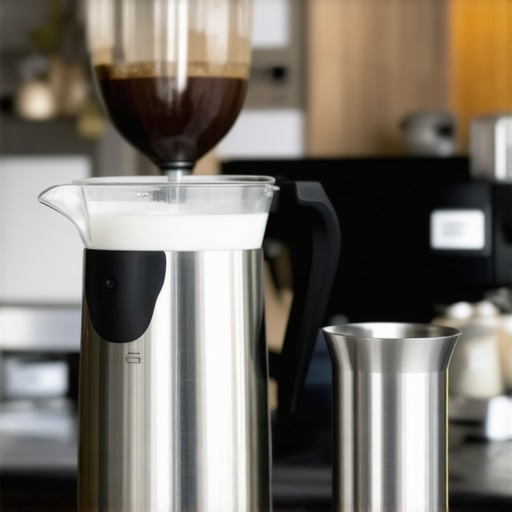
Choosing the right milk pitcher changed everything for me. A good pitcher, with its well-designed spout and sturdy build, allows for better control when pouring microfoam. I started experimenting with different sizes and materials, such as stainless steel, which maintains temperature better and is easier to clean. These accessories are essential for anyone serious about latte art. I found that a 12 oz pitcher was perfect for most single cups, giving me enough room for precise pouring without being unwieldy.
Getting the Most Out of Your Tamper for Consistent Shots
Beyond the pitcher, a tamper is equally vital. I used to just press down with whatever was available, but I quickly learned that a good tamper with the right weight and ergonomic handle makes a significant difference. Consistent tamping ensures even extraction, which is crucial for creating beautiful latte art. Once I invested in a quality tamper, my espresso shot quality improved, and so did the foam’s consistency. For more insights, I often refer to resources like this guide on barista tools.
How Do I Maintain My Milk Pitcher and Tamper for Longevity?
Proper maintenance is key. I regularly clean my milk pitcher to prevent milk residue buildup, which can ruin the microfoam. A simple soak in warm, soapy water followed by thorough drying keeps it in top shape. As for the tamper, I make sure to keep it dry and store it in a safe place to avoid damage. Maintaining these tools not only extends their lifespan but also ensures every cup is as perfect as the first.
What’s the secret to achieving barista-level latte art at home?
It’s all about patience, practice, and using the right accessories. Investing in a good milk pitcher and tamper creates a solid foundation for beautiful latte art. Remember, the quality of your tools directly impacts the quality of your coffee. I encourage you to experiment with different brands and styles to find what works best for you. If you’re looking for a comprehensive upgrade, check out the top barista accessories list.
Feel free to share your experiences or ask questions in the comments below—I love hearing about your coffee adventures! For more expert tips, explore the contact page.
Mastering Your Coffee Grinder: Calibration Techniques Every Home Barista Should Know
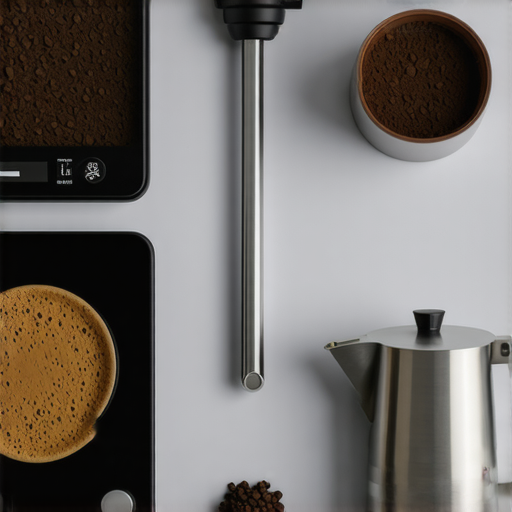
Achieving consistent, high-quality espresso at home begins with your grinder. Proper calibration ensures each grind size aligns perfectly with your brewing method, whether it’s espresso, pour-over, or French press. To fine-tune your grinder, start by referencing your machine’s recommended grind setting, then adjust incrementally. Using a precision coffee scale helps measure shot consistency, providing data to refine your grind size. Regular calibration not only improves flavor extraction but also extends your grinder’s lifespan, preventing uneven wear and tear.
For example, if your espresso shots are extracting too quickly, try a finer grind. Conversely, if the flow is sluggish, coarsen the grind. Remember, environmental factors like humidity can influence grind consistency, so periodic recalibration is essential. Keep a log of your adjustments to develop a personalized setup that delivers optimal results every time. Check out this guide on barista tools for detailed calibration tips.
Routine Maintenance: Ensuring Your Grinder Performs at Peak Level
Beyond calibration, regular maintenance is crucial to sustain grinder performance. Coffee oils and particles accumulate inside the burrs and chute, leading to inconsistent grind sizes and off-flavors. A thorough cleaning schedule involves disassembling the burrs and cleaning them with a dedicated brush, available in top barista tool collections. Avoid using water directly on the burrs; instead, opt for dry cleaning methods or specialized grinder cleaning tablets, which effectively remove residual oils without damaging components.
Proper storage and handling also prolong your grinder’s life. Always keep the hopper filled with beans, but avoid overfilling, which can strain the motor. When switching beans, clean the burrs to prevent cross-flavor contamination. Additionally, ensure the grinder is unplugged during cleaning to avoid accidents. For more detailed cleaning procedures, explore this comprehensive maintenance guide.
How Can Advanced Calibration and Maintenance Practices Transform Your Coffee Experience?
Implementing advanced calibration techniques and routine maintenance can significantly elevate your coffee’s flavor profile and consistency. Not only does this reduce waste, but it also enhances the sensory experience, bringing barista-level quality into your home kitchen. By understanding the nuances of burr wear, environmental influences, and precise grind adjustments, you develop a more intuitive relationship with your equipment. This knowledge empowers you to troubleshoot issues proactively, ensuring every shot is as good as the last. For further insights, consider exploring expert resources or joining local barista workshops to refine your skills.
If you’re eager to upgrade your coffee setup further, check out the top accessories list to find tools that complement your calibration and maintenance routines. Sharing your experiences or asking questions can be incredibly valuable—leave a comment below and join a community committed to coffee excellence.
Delving Deeper: The Nuances of Mastering Coffee Tools and Their Impact on Flavor
Every seasoned home barista knows that beyond the basics, the subtle choices in accessories can dramatically influence the final cup. When I first started experimenting, I thought that simply having a decent milk pitcher and tamper was enough. However, I quickly realized that the real art lies in understanding the intricate relationship between tools, technique, and environment. For instance, the material of your milk pitcher—stainless steel versus ceramic—can affect heat retention and microfoam consistency, ultimately shaping latte art quality. This deeper appreciation pushes me to select accessories that align with my brewing style and goals, such as professional-grade milk pitchers that offer precision pouring and durability.
Refining Your Tamping Technique: More Than Just Pressure
Initially, I believed that tamping was a straightforward process—press, and move on. But as I delved into more advanced barista techniques, I discovered that tamping involves a delicate balance of pressure, angle, and consistency. A well-designed ergonomic tamper helps maintain uniform pressure, which is crucial for even extraction. I began practicing with a calibrated tamper that provides tactile feedback, allowing me to develop a more intuitive feel for proper tamping force. This subtle mastery ensures that each shot pulls evenly, revealing the complex flavors locked within the beans. For those interested in elevating their tamping skills, exploring precision scales and tampers can make a significant difference.
Environmental Factors: The Invisible Influencers
One aspect I often underestimated was how ambient conditions—humidity, temperature, even airflow—impact my coffee quality. High humidity can cause beans to clump, leading to inconsistent grinds, while temperature fluctuations affect brewing parameters. To counteract this, I now optimize my environment by controlling room temperature and storing beans properly, using airtight containers. Additionally, I calibrate my grinder more frequently, especially during weather changes, to maintain consistent grind size. Recognizing these invisible influencers has transformed my approach from reactive to proactive, ensuring every shot is as close to perfection as possible. For more insights on environmental influences, I recommend reviewing advanced calibration techniques.
How Can Advanced Calibration and Maintenance Practices Further Enhance Your Coffee Experience?
Implementing meticulous calibration routines and maintenance schedules allows for unprecedented control over brewing variables. Regularly disassembling and cleaning burrs prevents flavor contamination and ensures uniform grind size. I keep detailed logs of my calibration adjustments, noting environmental conditions and bean types, which helps me fine-tune my setup over time. This process, while time-consuming, pays off by consistently delivering rich, balanced shots that highlight the nuanced flavors of my beans. Embracing these practices has made me more confident in troubleshooting issues, such as uneven extraction or inconsistent foam. To deepen your understanding, exploring professional calibration guides can be invaluable.
Sharing your journey with fellow enthusiasts—whether through online communities or local workshops—can accelerate your learning curve. The collective knowledge and feedback often reveal overlooked details, inspiring new techniques or tool upgrades. If you’re eager to optimize your equipment further, the curated top accessories list offers excellent options tailored for serious home baristas. I invite you to share your experiences or ask questions—your insights might spark someone else’s breakthrough in their coffee journey!
Exploring the Impact of Material Choices on Your Coffee Accessories
One of the nuanced aspects I’ve discovered in my journey toward barista-level coffee at home is the profound influence of material selection in accessories. For instance, while stainless steel milk pitchers excel in heat retention and durability, ceramic pitchers offer a different aesthetic and thermal mass that can subtly affect microfoam consistency. This choice isn’t merely about looks; it impacts how you control pouring and foam creation, ultimately shaping latte art quality. I’ve experimented extensively with various materials, and my insights suggest aligning your accessory materials with your specific brewing environment and technique enhances control and satisfaction.
Advanced Calibration Techniques for Consistent Extraction
Achieving and maintaining perfect espresso shots involves more than initial calibration. I’ve adopted advanced techniques like temperature profiling and grind size oscillation, which require precise measurements and adjustments. For example, using a specialized coffee scale allows me to monitor extraction time and shot weight meticulously. Incorporating these practices has transformed my routine, enabling me to fine-tune extraction variables that are often overlooked. This meticulous approach ensures every shot is balanced, with flavors vividly expressed, and contributes to a more refined palate over time.
How Do Environmental Conditions Shape Your Coffee Results?
Environmental factors like humidity and ambient temperature subtly influence the behavior of coffee beans and equipment. I’ve learned to adapt by adjusting grind settings and storage methods—using airtight containers and dehumidifiers when necessary. For instance, during humid seasons, I find that slightly coarser grinds prevent clumping and uneven extraction. Recognizing these invisible yet impactful variables has elevated my consistency, making my brewing process more resilient to external fluctuations. For deeper insights, I often consult specialized resources on environmental impacts on coffee quality, such as expert guides on calibration.
What Are the Benefits of Customized Tool Maintenance Routines?
Routine maintenance tailored to your specific tools extends their lifespan and optimizes performance. I’ve developed a custom cleaning regimen for my burr grinder, involving weekly disassembly and the use of dedicated cleaning tablets, which I find significantly reduces residual oils and preserves grind consistency. Similarly, I regularly inspect my tamper’s handle for wear and replace it when needed to maintain ergonomic advantages. This proactive approach minimizes downtime and ensures each component functions at peak capacity, translating into consistently excellent coffee. For detailed maintenance strategies, I recommend reviewing comprehensive maintenance tips.
Engaging with a Community of Coffee Enthusiasts for Continuous Improvement
Sharing experiences and troubleshooting with fellow enthusiasts accelerates mastery. I actively participate in online forums and local workshops, where exchanging nuanced tips—like adjusting tamping pressure based on bean origin—has broadened my understanding. Engaging with a community fosters accountability and invites diverse perspectives, which often uncover overlooked details in technique or equipment choice. If you’re eager to deepen your expertise, I encourage exploring dedicated groups or professional workshops. Your insights could inspire others and vice versa, creating a vibrant ecosystem of coffee excellence. To connect with like-minded enthusiasts, visit our contact page and share your journey.
Things I Wish I Knew Earlier (or You Might Find Surprising)
Material Matters More Than You Think
When I first started exploring coffee accessories, I underestimated how much the material of my tools could influence the final taste and texture. Switching from plastic to stainless steel milk pitchers, for instance, dramatically improved heat retention and microfoam quality, making latte art much easier and more consistent. This small change made me realize that investing in quality materials yields big results in coffee brewing.
Consistency Is King
Early on, I thought that just learning different brewing techniques was enough. But I discovered that consistent use of calibrated tools, like a good scale and tamper, creates a stable foundation for great coffee. Tracking my calibration adjustments helped me identify subtle environmental or bean-related factors affecting my shots, leading to a more refined and repeatable process.
The Environment Cannot Be Ignored
Humidity, temperature, and airflow—these invisible forces can sabotage even the best equipment. I learned to store my beans properly and calibrate my grinder more often during seasonal changes. Small environmental tweaks made a noticeable difference in shot quality, reminding me that coffee is as much about environment as it is about tools.
Tool Maintenance Extends Lifespan and Performance
Regular cleaning and proper storage of accessories like my tamper and milk pitcher not only prolong their life but also maintain optimal performance. A quick weekly routine of disassembling and cleaning burrs or wiping down my pitcher keeps everything in top shape, ensuring every shot pulls perfectly and every foam is silky smooth.
Mastering the Subtleties of Tamping and Pouring
Initially, I thought tamping was just about applying pressure. But I realized that angle, evenness, and consistency matter just as much. Using an ergonomic tamper with tactile feedback helped me develop a more intuitive feel. Similarly, learning to pour with controlled, deliberate movements transformed my latte art from blobs to beautiful patterns.
Resources I’ve Come to Trust Over Time
- Specialty Coffee Association (SCA): Their guidelines and courses are invaluable for understanding the science behind brewing and accessories.
- Home-Barista Forum: An active community sharing real-world tips and troubleshooting advice that helped me refine my techniques.
- Barista Hustle: Their professional tutorials and articles deepened my knowledge of calibration and maintenance practices.
- Espresso Vivace: A trusted blog with detailed reviews and insights on accessories and equipment upgrades that truly work.
Parting Thoughts from My Perspective
Ultimately, I believe that the secret to elevating your home coffee experience lies in understanding how each accessory contributes to the bigger picture. From choosing the right materials to maintaining consistent calibration routines, every detail counts. Investing in quality tools and caring for them properly transforms ordinary brewing into an art form. If this resonates with you, I’d love to hear your own insights or experiences—feel free to share in the comments or explore more at our contact page. Cheers to better coffee, one accessory at a time!”} ,