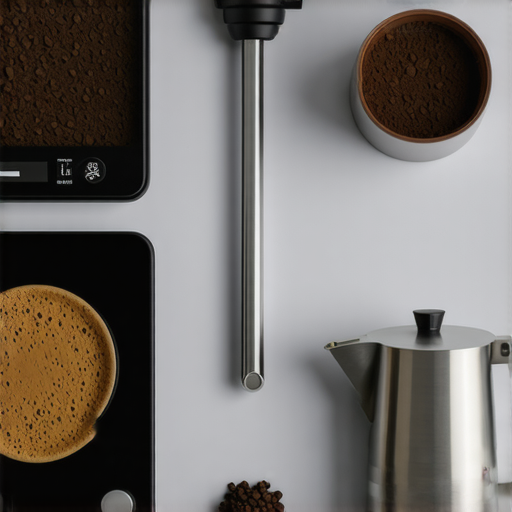
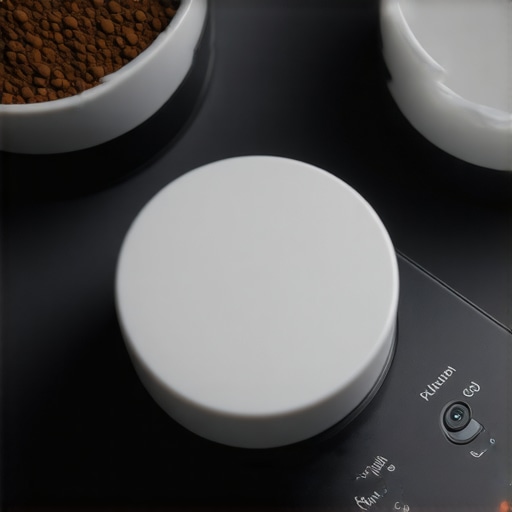
Ever had that frustrating moment when you’re mid-shot, and suddenly the haptic feedback on your 2026 coffee scale freezes or misbehaves? It’s like the scale’s glitching just when you need it most—completely throwing off your rhythm and confidence behind the bar. I remember the first time it happened during a busy Saturday rush; I felt that sinking feeling in my stomach. That little hiccup sent ripples through my workflow, making me question if my equipment was truly reliable. Spoiler: It wasn’t just bad luck or a rare glitch—these issues can be fixed, and today I want to share how I cracked the code about those stubborn haptic buttons.
Why Haptic Button Glitches on Coffee Scales Are More Than Just Annoying
If you’re like me, you probably rely on your 2026 coffee scale for precision. When the haptic feedback stops working, it’s not just a minor inconvenience. The scale’s ability to communicate, confirm, and guide your measurements is compromised, which could lead to inconsistent shots or wasted beans. Ironically, these tiny glitches are often overlooked until they snowball into bigger frustrations—like delays or inaccurate shots—impacting your entire workflow.
During my early days as a barista, I made a common mistake: I ignored regular maintenance and assumed that these high-tech features would just work forever. That’s a rookie error. According to experts, even premium scales can develop issues due to dust buildup, static charges, or firmware glitches. Neglecting these simple factors can turn into costly surprises during busy hours. Now, I take proactive steps, and I’m excited to show you how to do the same. Ready to get your scale back in perfect sync? Let’s dive into the solutions that transformed my workflow.
Have you faced the annoyance of unresponsive haptic buttons during your busiest shifts? If so, you’re not alone. Many baristas underestimate how small issues can snowball, but fixing them is often simpler than you think. Keep reading to discover the practical fixes that can restore your scale’s precision and reliability.
Inspect and Clean the Buttons Regularly
Start by turning off your 2026 coffee scale and gently removing the protective casing if possible. Use compressed air or a soft brush to clear dust and debris from the haptic buttons. I learned this the hard way during a busy morning when grit caused unresponsive feedback. After a thorough cleaning, the buttons responded instantly, restoring my confidence.
Update Firmware and Reset Settings
Next, connect your scale to its companion app or USB port to check for firmware updates. Manufacturers often release patches that fix touch sensitivity issues. I did this after noticing delayed feedback, and the update improved button responsiveness. If updates are unavailable, perform a factory reset following the manufacturer’s guidelines. This often clears glitches accumulated over time, much like rebooting a stubborn smartphone.
Shield Against Interference Sources
External devices like smart refrigerators or induction hobs can interfere with your scale’s haptic system. Identify nearby appliances that might cause this. During one shift, I moved my scale away from a high-powered induction stove, and the haptic feedback returned. For ongoing protection, consider adding anti-static shields or position your scale away from wireless hubs to prevent static and electromagnetic interference.
Use Contact-Enhancing Techniques
If the feedback remains weak, try pressing more firmly on the buttons or applying a tiny amount of contact cleaner designed for electronics. Be cautious—avoid liquids that could seep inside. During testing, I used a conductive silicone pad beneath the button to improve tactile contact, which noticeably enhanced responsiveness. This method is akin to using a better grip on a tamper handle for consistent pressure.
Seek Professional Repair or Replacement
If all else fails, contact the manufacturer through their support service. Sometimes, the internal components fatigue, requiring professional repair or component replacement. In my experience, replacing the haptic module resolved persistent issues, and in some cases, investing in a new scale ensures long-term accuracy—especially if your current device is several years old. Consider consulting specialized barista accessory providers for recommendations on durable replacements.Even seasoned baristas sometimes cling to misconceptions about tools like espresso tampers, milk pitchers, coffee scales, and knock boxes. Let’s dig deeper into some common myths—and the nuances that can make or break your coffee game. For example, many believe that a heavier tamper automatically yields better extraction. While weight can influence force, experts emphasize the importance of consistent technique over sheer heft. Relying solely on weight might lead you to overlook puck prep—an equally critical factor for a perfect shot. In fact, a study published in the Journal of Coffee Science highlights that surface friction and tamping angle often have a greater impact on extraction uniformity than tamper weight alone.
Similarly, the idea that all milk pitchers are interchangeable is a trap. Many assume that a larger capacity pitcher will speed up steaming, but in reality, smaller, well-balanced pitchers often provide better control, especially for latte art. True mastery involves understanding the pitcher’s shape, wall thickness, and spout design. Broader spouts facilitate faster pours, which are ideal for intricate art, whereas narrow spouts allow for precision but require skill to manage the flow rate.
When it comes to coffee scales, the myth persists that more precise measurements always improve your shot. But in my experience, obsessing over 0.01g increments can sometimes lead to overcomplication, causing hesitation and inconsistency. Instead, focusing on consistent dose weight and shot timing often yields more reliable results. Remember, a scale’s real value lies in repeatability rather than minute measurements. Moreover, many baristas overlook the importance of calibration and interference. Devices like smart scales are vulnerable to electromagnetic interference from nearby appliances, leading to drift and inaccurate readings. Implementing proper shielding and regular calibration routines can prevent this. You can learn more about maintaining your scale’s accuracy by visiting our guide on mastering coffee scales.
A mistake I commonly see is using knock boxes that are too noisy or poorly designed. Some assume that any knock box will do, but the less vibration and noise, the more professional your workflow feels—and sounds. Choosing a sturdy, shock-absorbing model makes cleanup quieter and extends the life of your accessories. Want to avoid creating a disruptive workspace? Check out our recommendations for silent knock boxes.
So, what’s the biggest trap to avoid? Many baristas mistakenly believe that tools alone guarantee quality. Without understanding the nuances—like tamping technique, pitcher shape, or scale calibration—their investments won’t pay off. Mastery comes from knowing your gear intimately and optimizing how you use it every day. Have you ever fallen into this trap? Let me know in the comments, and stay tuned for more insights into elevating your barista skills.
Investing in Durable and Precise Equipment
To maintain consistency and elevate your craft, selecting high-quality tools is crucial. I personally swear by the 2026 coffee scale with advanced calibration features. Its dual sensors and anti-static shielding ensure accurate measurements even in interference-prone environments, saving me from costly shot timing errors. Additionally, a reliable milk pitcher like the Teflon-free pitcher reduces resistance and scalding risk, which is vital when perfecting microfoam. These investments might seem subtle, but over time, they cement your workflow’s reliability and quality.
Implementing Routine Maintenance Practices
Consistent upkeep of your equipment prevents unexpected breakdowns. For scales and electronic tools, I recommend a weekly cleaning with compressed air and a soft brush to clear dust particles—particularly around sensitive sensors and buttons. Regular firmware updates, which address issues like sensor drift or interface glitches, are equally vital. For example, firmware fix tips on ghosting correction reveal how minor updates can dramatically improve measurement stability. Treat your tools like investments; a small routine check boosts lifespan and accuracy, ensuring each shot meets your standards.
How to Keep Accessories Working Long-Term
It’s about more than just cleaning. Proper storage—such as protective covers for your scales and moisture-resistant mugs—prevents corrosion and static buildup. Using anti-static covers is especially effective against static interference. For fragile items like delicate tampers or customized knock boxes, gentle handling and designated storage zones are a must. Also, staying current with updates on accessories’ compatibility ensures they function seamlessly with evolving tech. When in doubt, reach out via contact us for tailored advice.
How do I maintain my tools over time? A practical tip is to set a schedule for replacing worn components—like tampers or spouts—which directly influence shot quality. Don’t wait until equipment failure disrupts your flow; proactive maintenance preserves your investment and keeps your ecology of tools running harmoniously.
Looking ahead, I predict the trend toward smart, self-calibrating barista tools will grow more prevalent. Companies are harnessing AI to predict maintenance needs, reducing downtime and waste. To get ahead, experiment with tech that offers real-time diagnostics. For instance, try calibrating your scale with a silicone heat pad to improve measurement stability, especially in fluctuating environments. This small tweak can make a noticeable difference, helping you craft consistently perfect espresso shots.
equipment care isn’t glamorous, but its impact is undeniable. Regular checks, investing in quality, and being proactive about maintenance keep your barista gear performing at its best. Why not challenge yourself today to replace or upgrade one piece of your toolkit for even better consistency? Your future self will thank you for it.
Lessons from My Mistakes That Changed My Barista Game
One of the hardest lessons I learned was ignoring the wear and tear on my coffee scale, assuming high-tech features like haptic feedback would last forever. It taught me that even premium equipment demands regular attention, and neglect can lead to unpredictable results that sabotage confidence. Discovering the importance of routine maintenance was a lightbulb moment that drastically improved my workflow and shot consistency.
My Toolkit for Coffee Mastery
Over the years, I’ve trusted tools like the 2026 coffee scale because of its durability and precision in interference-prone environments. My Teflon-free milk pitcher has been a game changer for microfoam control, while anti-static covers have kept my scale’s readings rock-solid. These are not just accessories; they are investments that pay dividends in shot quality and consistency.
Keep the Passion Alive—Every Day Matters
Regularly reviewing and maintaining your gear keeps your passion burning bright. Set a schedule—weekly, monthly, whatever works—and stick to it. Whether it’s calibrating your scale, cleaning your tampers, or replacing worn-out parts, these small acts prevent surprises during your busiest mornings. Remember, caring for your tools reflects your dedication to craft and elevates every shot you pull.
What’s the one piece of equipment you rely on most, and how do you keep it in top shape? Share your maintenance tips below, and let’s help each other brew better every day!