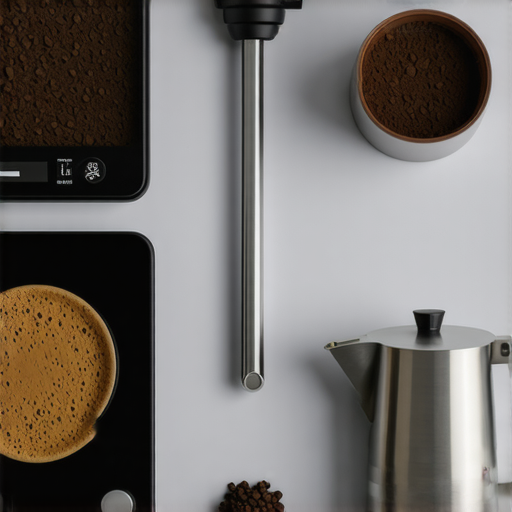

I remember the first time I watched a fellow barista wrestle with a stubborn metal knock box that refused to open silently. The clatter echoed through the shop, jolting everyone and revealing just how noisy and cumbersome traditional metal knock boxes can be. It was a lightbulb moment for me—why are so many professionals trading the familiar weight of metal for the lighter, more flexible silicone options? Ever found yourself frustrated by the loud bang of a metal knock box, especially during early mornings or late-night shifts? If so, you’re not alone. Today, we’re going to explore why the shift towards silicone knock boxes is gaining momentum among baristas in 2026. I’ll share my personal experience and show you how this simple change can revolutionize your workflow, reduce noise, and make your coffee routine smoother. So, if your current knock box feels like more of a noise nuisance than a helpful tool, stay tuned—you might just find your new favorite accessory here.
The Benefits of Switching to Silicone Knock Boxes
Is the Noise of Metal Knock Boxes Actually Worth the Hype?
Initially, I thought the weight and durability of metal meant it was the best choice. After all, it’s sturdy, long-lasting, and familiar. But I made a crucial mistake early on—ignoring how much noise it generated during quick pucks removal. That constant bang, bang, bang wasn’t just loud; it affected the entire shop environment, especially during early flights or late shifts when silence is golden. Switching to silicone knock boxes proved to be a game-changer. They absorb the impact more effectively, drastically reducing noise and creating a calmer workspace. Plus, their lightweight design has made cleanup and handling a breeze. For more tips on optimizing your workflow and reducing noise, check out our guide on [best knock box strategies to speed up your coffee rush](https://coffeeaccessories.espressotechguide.com/best-knock-box-strategies-to-speed-up-your-coffee-rush-evening). Have you faced similar frustrations with your current knock box? If so, it might be time to consider an upgrade that benefits your ears and nerves alike.
Prepare Your Workspace for Seamless Workflow
Start by arranging your essential tools within arm’s reach. Place your coffee scale at a comfortable height to easily monitor shot times and weights; use adjustable stands if needed. Keep your tamper, knock box, and milk pitcher close to your espresso station to minimize movement. Set up dedicated zones for grinding, tamping, and pouring to streamline your process and reduce cross-contamination. Remember, a tidy workspace enhances efficiency and accuracy—think of it as organizing your coffee ingredients for a smooth brew every time.
Calibrate and Maintain Equipment Regularly
Consistency begins with proper calibration. Use a reputable coffee scale like the best coffee scales to check weight accuracy weekly. Clean your milk pitcher with a Teflon-free cleaning brush to prevent residue buildup that affects pour quality; visit this guide for detailed instructions. Regular maintenance ensures your tools perform optimally, giving you consistent results and saving time caused by troubleshooting errors.
Optimize Your Tampers for Perfect Extraction
Invest in a calibrated, laser-leveled tamper to guarantee even pressure across the puck. An inconsistent tamp can cause channeling, leading to weak or bitter shots. Try a laser-led tamper for precision, and practice applying steady, downward force—imagine pressing a stamp evenly onto paper. As I did during an early morning shift, I replaced my standard tamper with a calibrated one, and noticed immediate improvement in shot consistency. Remember, a good tamp is the foundation of great espresso.
Master the Art of Milk Frothing
The key to impeccable latte art lies in proper milk steaming. Use a ceramic-coated pitcher to prevent scorching and ensure smooth pours. Start by purging your steam wand to remove excess water, then submerge it into cold milk, positioning the tip just below the surface. Turn on steam and angle the pitcher to create a vortex—like stirring cream into coffee—until the milk doubles in size, with a glossy, velvety texture. Practice controlling steam pressure and pitcher angle; I once over-frothing, resulting in a cloud-like foam that wasted milk, but refining my technique led to flawless, silky microfoam.
Perfect Your Pouring Technique
An even, controlled pour transforms milk into latte art. Hold the pitcher confidently, with a steady hand, and start pouring from a height to distribute foam evenly. As the cup fills, lower the pitcher closer to the surface to create intricate designs. Think of your pour as a brushstroke—precision is key. During a busy afternoon, I focused on gentle, continuous pours rather than hurried drips, which improved my art’s clarity and kept my workflow smooth amidst the rush. Use narrow spout pitchers for detailed art—visit this resource for the best options.
Practice, Evaluate, Adjust
Consistency is achieved through persistent practice and honest evaluation. Record your shots, noting tamp pressure, grind size, and pour technique. Use your precision scale to track weight accuracy, ensuring every shot meets your standard. When something doesn’t look or taste right, analyze each step: Was the puck evenly tamped? Was the milk textured properly? Adjust your method accordingly. As I once discovered, a slight change in grind size made all the difference in shot clarity. Fine-tuning your process is the secret to barista mastery.While many baristas focus on the obvious features of tools like coffee scales, tampers, and milk pitchers, the true mastery lies in understanding their hidden nuances. For instance, a prevalent misconception is that the most expensive, high-precision coffee scale automatically guarantees perfect espresso shots. In reality, factors like static charge buildup and proper calibration often have a greater impact on accuracy. Regularly cleaning scales with anti-static covers, such as those discussed in our guide to anti-static covers, can prevent drift and ensure reliable measurements. Failing to recognize these subtleties can lead to inconsistent results, despite seemingly top-tier equipment. Similarly, many underestimate the importance of tamper flatness, assuming that a slightly uneven tamped puck is inevitable. However, advanced tools like laser-guided tampers reveal that a crooked tamp is often a technique issue rather than a tool flaw. Misalignments can cause uneven extraction and bitter shots, which are easily avoidable once you understand the nuance. When it comes to knock boxes, the myth persists that robust metal designs are always superior. Contrarily, many baristas underestimate how noise and hygiene are affected by material choice. Noise-dampening silicone knock boxes, such as those recommended in our quiet knock box reviews, not only reduce disturbance but also improve cleaning ease. Recognizing these less obvious aspects can elevate your practice from average to professional. Moreover, choosing the right milk pitcher involves more than size and spout shape; heat conduction properties drastically influence foam quality. Ceramic-coated options prevent scorching and allow greater control during steaming. Additionally, advanced pour techniques—like adjusting pitcher angle and flow rate—are subtleties that distinguish a good latte from a masterpiece. Let me ask you—have you ever fallen into this trap of overlooking detailed nuances? If so, share your experience in the comments and let’s refine our craft together! Remember, mastery in coffee is often about mastering the details. For more in-depth tips, check out our knock box strategies, scale calibration techniques, and other essential resources to elevate your barista game in 2026.
Maintaining your barista tools over time is crucial to ensuring every shot is as perfect as the first. I personally swear by routine checks for my coffee scale, as even minor inaccuracies can throw off your entire brewing process. Regular calibration, especially using a precise coffee scale, helps catch drift caused by static or environmental factors. Similarly, your tamper benefits from periodic surface assessments; a laser-guided tamper can reveal subtle misalignments that affect extraction consistency. For milk pitchers, regular cleaning and inspections prevent residue build-up that hampers microfoam quality; detailed tips are available in our maintenance guide. Noise reduction is also vital—small upgrades like silicone knock boxes, such as those discussed in our quiet knock box reviews, can dramatically lower disruption during early hours. To stay ahead, consider setting a weekly schedule to inspect and clean your equipment, along with more advanced checks like verifying sensor accuracy on your scales. This proactive approach minimizes downtime and preserves tool longevity. Looking to elevate your routine further? Try implementing the impact-absorbing tampers that I recently adopted, which have helped reduce wrist strain during long shifts—an investment worth making. Want to dive deeper? Our comprehensive guide to essential barista tools offers more insights. Remember, consistent maintenance isn’t just about longevity; it directly impacts the quality and flavor of your espresso—after all, a well-kept tool is a good tool.
The Hardest Lesson I Learned About Coffee Scale, Espresso Tamper, Knock Box, Barista Accessories, Milk Pitcher
One of my most significant revelations was realizing that precision equipment isn’t just about the tools themselves but about maintaining their accuracy through diligent calibration. I once believed that an expensive coffee scale would be infallible—they’re highly touted, after all. However, static charges and environmental factors quickly proved me wrong, causing inconsistent readings that subtly sabotaged my shots. It was a lightbulb moment when I discovered that using anti-static covers significantly improved accuracy and consistency. Similarly, my journey with tampers taught me that even the slightest misalignment or uneven pressure can lead to channeling, and fixed-depth, laser-guided tampers became my trusted allies. These insights underscored that paying attention to the nuanced details of each piece of equipment could elevate a good shot to a great one.
My Essential Toolkit for Perfect Espresso in 2026
- Precision Coffee Scales: Trusted my best coffee scales for their reliability and ease of calibration, which are vital for consistency.
- Laser-Leveled Tampers: Investing in laser-guided tampers helped me apply even pressure, reducing channeling and bitterness.
- Quiet Knock Boxes: Upgrading to noise-dampening silicone knock boxes created a more peaceful environment, especially during early shifts.
- High-Quality Milk Pitchers: Ceramic-coated options like these ceramic-coated pitchers provided better thermal control and microfoam for latte art.
Let’s Sharpen Our Coffee Craft Together
Imagine approaching each brew with a mindset of continuous refinement. It’s about recognizing that every tweak—be it calibrating your scale, adjusting tamping pressure, or selecting an optimal milk pitcher—can make a real difference in your results. When I fixed my equipment’s subtle discrepancies and paid attention to the small details, my espresso quality skyrocketed. Now, I challenge you: what sneaky cause of inconsistency have you overlooked in your setup? Share your experiences below, and let’s grow our barista mastery together. Remember, in coffee, rarely is success about one big change—it’s about mastering the tiny, impactful improvements that define your craft.