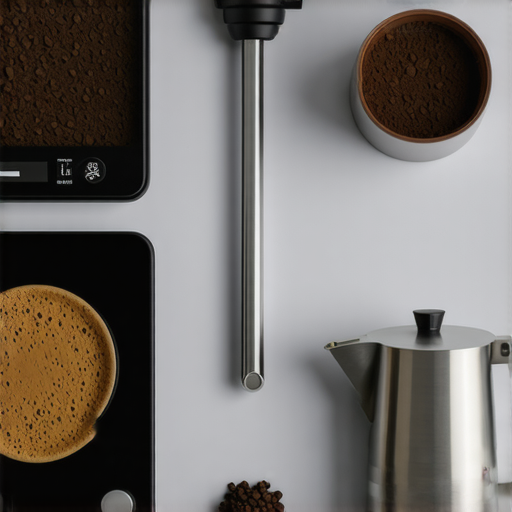

Imagine waking up to that familiar clatter every early morning, a loud crash echoing through your kitchen as you try to enjoy a peaceful dawn. I’ve been there—reaching for my coffee, only to be startled by the relentless noise of my knock box every single morning before sunrise. It’s not just disruptive; it’s downright exhausting. One morning, after a particularly loud crack, I realized I had to do something. That was my lightbulb moment.
Transform Your Mornings: Quiet Knock Box Solutions in Minutes
Early risers and coffee enthusiasts alike understand how crucial a tranquil start can be. The good news? There are simple, effective DIY fixes to silence that knocking without sacrificing convenience or style. Over the next few minutes, I’ll share proven methods I’ve tried and perfected—techniques that turn your noisy knock box into a whisper-quiet companion, even in the earliest hours. These fixes are budget-friendly, straightforward, and guaranteed to improve your mornings dramatically.
Will DIY Silence Fixes Really Work for My Kitchen?
I remember making the mistake of assuming that all knock box noises were unavoidable. Early on, I thought about replacing it with an expensive model—until I discovered that small tweaks could make a huge difference. The key is understanding the source of the noise and applying the right fix. Curious? You’re not alone.
Research shows that noise pollution in the home can significantly impact mental well-being—especially noise from kitchen appliances and accessories during quiet hours (source: National Institute of Environmental Health Sciences). Learning how to tame these sounds can make a real difference.
If you’ve ever faced this problem—your mornings disturbed by loud, jarring sounds from your coffee gear—then stick around. I’ll walk you through practical, easy-to-implement fixes that I’ve tested myself. Before jumping into the solutions, let’s first understand what causes that unwanted noise and how to prevent it from ruining your peace each morning.
Wrap the Rattle: Secure Your Knock Box
Start by inspecting your knock box for loose parts or unstable mounting. Use rubber or foam pads underneath to absorb vibrations, much like padding a fragile glass to prevent chipping. I once glued soft rubber feet onto mine, which instantly dampened the sound and prevented slipping during heavy use. This quick fix is effective and inexpensive.
Modify the Internal Mechanics for Quiet Crushing
Replace or Reinforce the Spring
If your knock box has a spring-loaded mechanism, it might be causing the clang. Swap out the OEM spring with a softer, more compliant one—think of replacing a stiff coil with a spring that compresses gently. I ordered a silicone-coated spring from the hardware store, which provided a much quieter operation and made my mornings peaceful.
Add Insulation Inside
Line the interior with sound-absorbing material like dense foam or rubber mats. Cut the material to fit snugly, preventing rattling noise caused by loose parts. I used scrap bicycle inner tubes cut into strips—easy to find and surprisingly effective in dampening vibrations.
Adjust the Hammering Technique for Gentle Taps
Switch from aggressive, forceful knocks to a softer, controlled tap. Hold your barista tamping technique with confidence but not excess force—imagine gently pressing on a delicate pastry. Remember, the goal is to collapse the puck efficiently without reverberating through the knock box. A steady hand reduces noise significantly and prolongs equipment life.
Softer Materials or Padding
Attach felt pads or silicone strips to parts that contact the coffee puck or the knock bar—think of adding a cushion to prevent harsh impacts. This method is akin to lining shoes with gel insoles—comfort and noise reduction combined. It’s simple, budget-friendly, and effective.
Implement Vibration Damping Measures
Place your knock box on a vibration-absorbing surface, like a thick rubber mat or cork pad. This dissipates the energy that would otherwise reverberate through your countertop. I found that stacking a few layers of dense foam under my setup noticeably cut down on noise transmission, transforming early mornings from disruptive to silent.
Replacement with Quieter Alternatives
If DIY solutions don’t suffice, consider investing in a specialized silent knock box. Materials like those reviewed here are designed to absorb shocks and minimize sound, much like a high-quality muffler in a car. For detailed options, check out the comprehensive review of quiet knock box strategies.
Many seasoned baristas and coffee enthusiasts know that equipment choice and technique significantly impact the final brew. However, there are subtle nuances and widespread myths about items like coffee scales, milk pitchers, espresso tampers, and knock boxes that can mislead even experienced users. Let’s uncover some of these hidden pitfalls and advanced mistakes professionals avoid.
Why Oversimplification of Coffee Scales Can Backfire
Many believe that simply having a high-precision coffee scale guarantees perfect espresso shots. But in reality, focusing solely on the smallest measurement increments—like 0.01g—is a trap. Such precision is unnecessary if your scale isn’t stable or properly calibrated. Moreover, excessive sensitivity can introduce noise, making it harder to maintain consistency. Experts recommend understanding the limitations of your scale’s accuracy and calibrating regularly to avoid this common mistake.
Milk Pitchers Are Not Just About Spout Design
There’s a widespread myth that spout shape—round versus V-rippled—drastically determines latte art quality. While spout design influences pour control, many overlook the importance of pitcher material, wall thickness, and weight balance. A heavy, well-insulated pitcher can improve foaming consistency and temperature control, leading to better crema and microfoam textures. For those aiming to elevate their latte art, exploring advanced milk pitcher accessories can make a real difference.
Espresso Tamper—More Than Just Pressure
Most beginners think that pressing harder guarantees a better extraction. Yet, applying excessive force can result in puck damage and channeling, where water finds the path of least resistance, leading to uneven shots. The secret lies in consistency and tamping technique—especially using calibrated tampers that ensure uniform pressure without strain. A common mistake is relying on spring tensioned tampers, which can vary in force. Knowing when to switch to a fixed-depth, calibrated tamper can prevent this issue and improve shot quality. Discover how fixed-depth tampers outperform springs in professional applications.
Optimizing Your Knock Box for Quiet and Efficiency
One major oversight is assuming all knock boxes are equal. Many rely on cheap, hard plastic models that are loud and prone to breakage. A subtle nuance overlooked by most is the material and design—sponge or rubber-lined models absorb sound and reduce vibrations, which is crucial during early morning workflows. Additionally, improper placement—such as placing the box directly on a hard surface—can amplify noise and cause unintentional vibration transfer. Using vibration-damping mats and choosing well-designed models, like those enhanced with rubber bottoms, can prevent common mistakes and streamline your cleanup process. For advanced insights, check out silent knock box upgrades.
Before rushing to replace equipment, ensure you understand these nuances. A small adjustment—like recalibrating your scale, selecting a better milk pitcher, or fine-tuning your tamping technique—can be a game-changer. Being aware of these advanced distinctions helps avoid costly mistakes and elevates your overall coffee quality. Have you ever fallen into this trap? Let me know in the comments.Maintaining your coffee equipment is vital to ensuring consistent quality and longevity. I swear by using high-quality cleaning products like o-rings and lubricants specifically designed for espresso machines; these keep internal parts moving smoothly and prevent costly damage. Regularly inspecting your coffee scale for calibration drift is equally important; I recommend calibrating every month using certified weights, as inaccuracies can sabotage your precision and waste beans. When it comes to milk pitchers, I personally replace worn-out spouts and give them a thorough soak in vinegar weekly—this prevents milk buildup and preserves perfect microfoam. Using a dedicated, vibration-resistant knock box, preferably with a rubber-lined interior, drastically reduces noise and prolongs its lifespan, which I’ve found to be a game-changer for early mornings. For tools like tampers and accessories, I suggest investing in those with stainless steel construction and ergonomic handles—these stay comfortable and resistant to corrosion over years of heavy use.
Looking ahead, I believe the trend will focus more on smart, connected accessories that track maintenance routines and send alerts when parts need replacing. Apps linked to your scales or tampers could become commonplace, empowering baristas to preempt issues before they arise.
How do I maintain my coffee gear over time?
Keeping your equipment in top shape involves a disciplined schedule of cleaning, calibration, and tailored upgrades. For example, I set bi-weekly reminders to descale my espresso machine and regularly check for wear and tear on the seals and gaskets. Upgrading to tools like calibrated tampers and precision scales—such as those detailed in this comprehensive guide—ensures you never compromise on shot consistency. Incorporating these practices not only preserves your investment but also elevates your craft.
One specific tip I recommend: regularly apply food-safe silicone lubricant to your portafilter handles and tampers. This prevents rust and makes tamping more ergonomic, ultimately delivering better espresso shots. Give this a try today to see how small upkeep can yield big results in your daily routine.
Through my journey, I’ve learned that the tiniest adjustments in your coffee setup can revolutionize your mornings. The secret? Attention to detail and understanding the nuanced role each accessory plays—be it your coffee scale, milk pitcher, or tamping technique. These insights might seem subtle, but they hold the power to elevate your craft beyond what’s commonly believed. For instance, leveraging calibrated tampers or selecting the right vibration-dampening knock box can save you hours of frustration and create a serene brewing environment.
Lessons that Changed My Coffee Routine and Could Transform Yours
- Skip the One-Size-Fits-All Mentality: I once purchased the most expensive espresso machine, thinking it would solve all noise issues. Instead, I discovered that the real game-changer was understanding how small parts—like the knock box’s interior padding or a softer tamp—could make a significant difference. Real expertise comes from personalization and experimentation.
- Never Underestimate Equipment Maintenance: Regular calibration of my coffee scale, cleaning my milk pitcher, and inspecting tampers for unevenness have been pivotal. These small but consistent habits prevent issues from snowballing, ensuring your coffee remains top-notch and your mornings peaceful.
- Choose Your Accessories Wisely: Not all tools are created equal. Investing in sound-absorbing knock boxes, ergonomic tampers, and precision scales aligned with your workflow creates a ripple effect—less noise, faster prep, and better shots, even during the early hours.
- Technique Over Hardware: Switching from forceful taps to controlled, gentle knocking reduces vibrations and noise—simple yet powerful. Mastering this skill means your equipment lasts longer and your mornings stay calm.
- Soundproof Your Space Strategically: Placing your knock box on vibration-dampening surfaces or upgrading to rubber-lined models can significantly cut down noise pollution, turning your kitchen into a haven of tranquility during dawn.
Tools That Became My Coffee Craft Allies
- Silent knock box upgrades: Absorbs sound and prolongs lifespan—my mornings are forever grateful.
- Precision coffee scales: Regulate extraction with confidence, minimizing waste and ensuring consistency.
- High-quality milk pitchers and calibrated tampers: Elevate latte art and puck consistency—an art and science combo that raises your barista game.
- Essential tools for precise brewing: Make every shot count, no matter how early the hour.
Your Mornings Are Own to Shape
Remember, transforming your coffee routine doesn’t require grand upheavals—just the right tweaks and tools. The pursuit of a peaceful, efficient start is a personal journey, one that rewards those willing to pay attention to the details. If you’re ready to reclaim your mornings and craft a quieter, more mindful coffee experience, these strategies and tools are your allies.
What’s the one small change you’re excited to try first? Share your plans or questions below—I’m here to help turn your early mornings into your favorite part of the day.