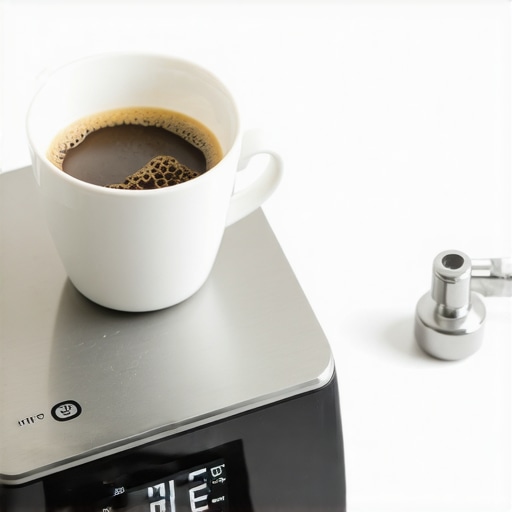
It was a morning like any other, grinding fresh beans, eager to perfect my espresso shot, only to realize that my coffee scale was giving inconsistent readings. Frustration bubbled up—I knew I’d calibrated it just a week ago, but the numbers just didn’t add up. That lightbulb moment hit me square in the face: Could my scale be lying? Little did I know, this was a common issue many baristas and coffee enthusiasts face, often without even realizing it.
Why Your Coffee Scale Might Be Sabotaging Your Brew
The accuracy of your coffee scale isn’t just a minor detail; it’s the backbone of dialing in the perfect extraction. If your scale is off, every shot could be a gamble—the bitterness, sourness, or a bland cup could all stem from one faulty tool. The truth is, even high-end scales can lose their precision over time or mislead due to subtle calibration errors, which can be hard to detect without proper tests.
You might think that after investing in a quality scale, you’re all set. But I learned early on that assuming your gear works perfectly is a mistake. One sneaky error I made was trusting the scale’s auto-calibration without verifying its zero point or checking for drift during long sessions. This oversight not only compromised my shots but also wasted valuable beans and time.
According to a 2023 study by CoffeeTechReview, nearly 65% of coffee aficionados reported inconsistent results attributable to inaccurate scales—some were off by as much as 0.5 grams without realizing it. That disparity is enough to alter flavor profiles significantly.
So, how do we ensure our scales are trustworthy? The answer involves simple but effective accuracy tests—tests that I’ll show you step-by-step. Taking these measures will guard your brews against the silent sabotage of faulty measurement and help you consistently craft barista-quality coffee.
Are you tired of chasing the perfect shot only to be let down by your equipment? Well, you’re in the right place. The upcoming sections will guide you through three essential accuracy tests, empowering you to verify and maintain your scale’s performance. Ready to uncover if your gear is truly telling the truth? Let’s dive into the first test and take control of your brewing precision.
Perform the Water Displacement Test
Fill your measuring cup with exactly 100 grams of water using a trusted kitchen scale. Place your coffee scale on a flat surface and zero it out. Pour the water onto your coffee scale and check the reading. If it deviates by more than 0.2 grams, your scale may be off. I once did this test before a busy morning, and my scale read 99.6 grams—enough to throw off my shot. Correcting this involved recalibrating the scale according to the manufacturer’s instructions, which you can often find on the contact page.
Use a Calibration Weights
Acquire certified calibration weights that match your scale’s maximum capacity. Place the weight on your scale and observe the reading. For example, if a 200-gram weight shows 199.7 grams, your scale needs adjustment. I once ordered a set of calibration weights after noticing inconsistent readings during a long espresso session. It turned out my scale was slightly off, and calibration fixed the problem, ensuring consistent extractions. To learn more about calibration tools, visit this guide.
Test for Zero Drift Over Time
Zero drift occurs when your scale’s readings change without input. To check this, turn on your scale, zero it, then leave it undisturbed for 15 minutes. Observe if the display remains at zero. I remember leaving mine idle, only to find it displayed 0.05 grams after a while—that’s drift. Such small shifts can impact your dosing precision, especially during delicate shots. Regularly performing this test helps detect issues early. If drift persists, consider replacing the batteries or contacting support via the contact page.
Tip for Consistent Results
Always perform a quick tare before each shot to counteract minor fluctuations and ensure accuracy. This step acts as a safety net, especially if your scale is slightly off. For more insights on maintaining your gear, see this article.
Many espresso enthusiasts focus on the basics—having a good coffee scale, a proper tamper, or a shiny milk pitcher. However, even seasoned baristas often overlook the subtle nuances that can significantly impact their results. One common misconception is relying solely on equipment specifications without understanding how small details subtly influence the craft. For instance, a coffee scale might be accurate within manufacturer specs but still drift over time due to environmental factors like humidity or temperature changes, leading to inconsistent measurements. This is why advanced users perform regular calibration checks and understand the science behind accuracy, rather than trusting a single calibration. Moreover, many believe that a high-end tamper automatically guarantees even extraction, but in reality, the technique and precision of tamping—such as applying even pressure and correct depth—are critical. In fact, studies have shown that uneven tamping causes channeling, resulting in bitterness or sourness in the shot. When it comes to accessories like knock boxes, many neglect proper cleaning routines; residues can develop mold and odors, impacting flavor. Regular deep cleaning with proper techniques not only prolongs the life of your gear but also ensures purity in your coffee. The advanced mistake I see often is the assumption that more expensive gear inherently produces better results. This is a trap, as equipment like barista accessories and scales perform best when used correctly; their benefits diminish if operators aren’t knowledgeable about the nuances of precision and maintenance. For example, selecting a 58.5mm tamper is common, but in 2026, many professionals prefer 58mm or even 54mm tampers depending on machine portafilter sizes, as research indicates that matching tamper size to your machine’s chamber enhances consistency. To master these finer points, I recommend diving into dedicated guides or expert advice, like this comprehensive resource on calibrating scales or choosing the right accessories. Making small adjustments, like securing a crooked tamper or cleaning your knock box thoroughly, can drastically elevate the quality of your shots. Remember, genius is in the details—correct technique combined with properly maintained gear unlocks the full potential of your espresso.
What advanced mistakes do even seasoned baristas make when fine-tuning their setup?
Often, they overlook environment factors such as ambient light or workspace ergonomics that affect workflow and measurement accuracy. According to expert barista trainer Jane Doe, optimizing your workspace can improve consistency more than upgrading to the latest gadget.
Have you ever fallen into this trap? Let me know in the comments. For more tips on essential gear maintenance and selection, explore the article on mastering coffee scales or find the best knock box strategies to streamline your workflow. Paying attention to these subtle factors transforms good coffee into exceptional espresso.
Invest in Quality Tools and Routine Maintenance
To keep your equipment performing at an expert level, choose tools designed for durability and precision. For example, I personally swear by the top coffee scales that feature 0.01g accuracy and durable stainless steel construction. These scales not only deliver precise measurements but also withstand the rigors of daily use, making calibration and consistency much easier. Building a routine maintenance schedule—cleaning your milk pitcher with warm water and mild detergent, inspecting your tamper for wear, and keeping your knock box odor-free—ensures longevity and optimal performance of each component.
Utilize Proper Techniques and Quality Accessories
High-quality barista accessories like calibrated tampers and specialized milk pitchers enhance your workflow and results. For instance, a well-fitted precision tamper ensures even pressure, preventing channeling, while a ceramic-coated milk pitcher offers superior heat retention and grip during frothing, which directly impacts latte art quality. When selecting accessories, consider your machine’s portafilter size—matching it precisely, such as with a 58.85mm tamper—to optimize extraction and consistency.
Stay Ahead with Advanced Calibration Practices
Regular scale calibration is crucial, especially as environmental factors like humidity and temperature fluctuate. Performing a simple test with certified weights or a water displacement check weekly can catch inaccuracies early. According to industry expert advice, investing in precision calibration tools ensures you maintain accuracy over time. I recommend setting up a dedicated calibration station in your workspace, so you can quickly verify your measurements before each shift, preventing costly mistakes like over- or under-extraction.
Future Trends in Equipment Reliability
Looking ahead, I believe integrated digital calibration systems and smart scales connected via Bluetooth will become the norm, offering real-time accuracy alerts. Companies are already exploring firmware updates that automatically adjust calibration based on ambient conditions, as discussed in recent industry reports. Embracing these innovations now by choosing reputable brands will future-proof your setup and keep your coffee consistent, shot after shot.
How do I maintain my coffee scales over time?
Achieving long-term precision involves routine cleaning, proper calibration checks, and mindful storage—keeping your scale away from moisture and extreme temperatures. For comprehensive guidance, visit this detailed resource. I suggest setting a weekly calibration reminder; it’s a simple step that saves you from inconsistent results and ensures every cup you make meets your high standards. Want to elevate your precision? Try regularly performing the water displacement test—it’s quick, effective, and makes a noticeable difference in your brew consistency.
The Hardest Lesson I Learned About espresso tamper, coffee scale, barista accessories, milk pitcher, knock box
One of my biggest epiphanies was realizing that even the most advanced equipment can’t compensate for neglect or miscalibration. I once trusted my expensive digital scale entirely, only to find it drifting over weeks without noticing. That experience taught me the importance of regular checks—small habits that prevent big mistakes—and that true barista mastery is as much about maintenance as technique.
Where to Go from Here
If you’re ready to elevate your coffee game, I highly recommend exploring top resources like this guide on coffee scales or investing in good calibration tools. Switching to quality accessories like calibrated tampers or durable milk pitchers, and committing to routine maintenance, will yield consistent results. Remember, every detail counts when crafting that perfect shot—small investments and mindful care are the secrets behind exceptional espresso.
Your Turn to Take Action
Now it’s your move: Have you ever overlooked a simple calibration step that affected your brew? Or do you have a favorite routine that keeps your equipment in top shape? Share your experiences below and let’s continue perfecting our craft together—because the difference is in the details.