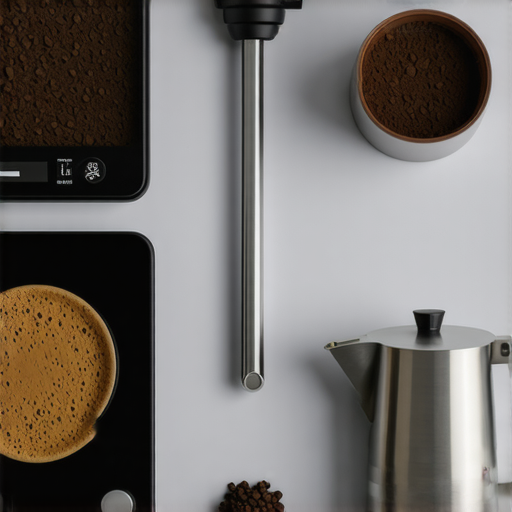

I remember the exact moment I realized my latte art was holding me hostage. It was a busy Saturday morning, the kind where the line snakes out the door, and everyone’s eyes are on your cup. I was trying to craft that perfect rosette, but my milk foam was spilling unevenly, creating a mess instead of that beautiful leaf. Frustration was setting in, and I knew I had to find a better way.
Have you ever felt like no matter how much practice you put in, your latte art just doesn’t turn out the way you want? That sinking feeling when your froth refuses to cooperate, or your pour’s symmetry is way off? Believe me, I’ve been there. But what changed everything for me was a surprisingly simple trick involving my milk pitcher—something I discovered was so overlooked that many baristas still ignore it.
Today, I’m going to share how a specific milk pitcher weight adjustment—something you can try right at home or in your café—completely fixed my latte art struggles. This is not just about aesthetics; it’s about gaining control and confidence behind the espresso bar. Because let’s face it, when your latte art is on point, it’s a sign that your entire coffee game is leveling up.
The Breakthrough That Made the Difference
Before this trick, I believed that perfect latte art was mostly about pouring technique and frothing skill. I invested countless hours watching tutorials, practicing pouring speeds, and tweaking milk textures. But no matter how diligently I practiced, my designs remained inconsistent.
Early on, I made a critical mistake—ignoring the role of balance and control in my milk pitcher. I thought the shape of the spout or the temperature of the milk mattered most. Turns out, the real game-changer was understanding how the weight of my milk pitcher affected my pouring precision. A heavier pitcher provided more stability, reducing unwanted shaking and allowing me to create cleaner, more precise designs.
By experimenting with different milk pitcher weights, I started to see a tangible difference in my pour control. It was like a lightbulb moment—trust me, this is a game-changing technique that can help any aspiring barista transform their latte art skills. If you’ve ever felt like your milk foam is fighting you, or that your pours are zig-zagging all over the cup, this trick can become your secret weapon.
Want to know how I pinpointed the perfect weight for my pitcher? Or how to select the right one that suits your pouring style? Keep reading, because the next steps will guide you through mastering this simple yet powerful technique. And if you’re worried about whether this really works or just sounds like a gimmick, I’ll share what I learned from early mistakes I made—like using a lightweight pitcher that lacked stability, which only made things worse. Learn from my mistakes and avoid wasting time trying random fixes.
If you’ve faced the frustration of uneven latte art or inconsistent pours, I invite you to stick with me. Up next, I’ll reveal the exact method I used to calibrate my milk pitcher’s weight and the science behind why it works so well. Trust me, this small adjustment made an enormous difference—making my latte art not only prettier but also much more reliable. Once you try it, you’ll wonder how you ever struggled without this tip.
Adjust Your Milk Pitcher for Superior Control
First, select a sturdy, well-balanced milk pitcher, preferably with a comfortable handle and a spout that matches your pouring style. Fill it with milk, about two-thirds full, to give you enough weight for stability without being cumbersome.
Stop Wasting Effort, Start Dominating
Pick up your pitcher and hold it at a comfortable angle. Swirl it gently to ensure the milk is evenly textured. Now, focus on the weight: gently increase the grip on your handle, pressing the pitcher closer to your palm. This simple change adds stability, reducing shaking during pours.
Calibrate Your Pouring Power with Micro-Movements
Apply slight pressure with your fingers to feel how the pitcher responds. If the pour is uneven, it may mean your pitcher is either too light or too heavy in your hand. Experiment by adding or removing milk or adjusting your grip until you find a sweet spot that offers control without fatigue. I once added a small weight to my pitcher handle by wrapping insulated tape—a quick fix that gave me better feel and less wobbling during my pours.
Optimize Your Tools for Consistency
Invest in a quality coffee scale (learn more about precise coffee scales) to measure your milk volume accurately each time. Precise measurements ensure consistent weight and texture, crucial for reliable latte art. When milk is too warm or too cold, it impacts how the pitcher feels in your hand. Maintain optimal temperature by following proper milk pitcher maintenance tips.
Practice Makes Perfect
Gather your tools and pour a few test cups, adjusting the pitcher’s weight with each attempt. Pay close attention to how minor changes affect your control. As I practiced, I noticed that a slightly heavier pitcher prevented wobbling, leading to cleaner, more consistent leaves. Remember, small adjustments in weight can significantly improve your pour precision, so keep experimenting until you find what feels best in your hand.
Refine Your Technique by Fine-Tuning
Once your pitcher’s weight feels right, focus on your pour speed and angle. Slow, steady pours combined with a balanced pitcher yield the best results. If your latte art borders on uneven, revisit the grip and weight—sometimes, even a slight shift can make all the difference. For detailed insights on maintaining your equipment and perfecting your craft, check out this comprehensive guide.
” alt=”Close-up of a barista adjusting a milk pitcher for latte art” title=”Barista calibrating milk pitcher weight for better control”/>When it comes to choosing barista accessories like coffee scales, milk pitchers, espresso tampers, and knock boxes, many enthusiasts fall prey to misconceptions that hinder their progress. A widespread myth is that all coffee scales are created equal; in reality, precision varies significantly. Relying solely on what’s affordable can lead to inconsistent shot extraction, as detailed in expert analyses of barista tools. Similarly, many believe that heavier milk pitchers are always better for latte art. While stability is important, a pitcher that’s too heavy for your grip can actually diminish control, leading to uneven foam distribution. Instead, the key subtlety lies in selecting a pitcher that balances weight and ergonomics—making your pours smoother and more predictable.
Another common trap involves espresso tampers. Some assume that the size of the tamper’s base is a one-size-fits-all solution, but this overlooks the importance of match-specific calibration. An improperly fitted tamper not only causes channeling but also impairs flavor extraction. Advanced baristas often calibrate their tampers to match the basket’s precise dimensions, which is a small but impactful step overlooked by many beginners.
Furthermore, the choice of knock box often gets oversimplified. Many think any knock box will suffice, but the nuanced difference comes in the materials—stainless steel, plastic, or rubber—affecting noise levels and cleaning ease. An incorrect selection could lead to faster wear or hygiene issues, especially if the knock box isn’t designed for frequent, heavy use.
From my experience, one of the most overlooked nuances is the integration of accessories—how the interplay between a calibrated tamp, suitable scale, and balanced pitcher can dramatically improve consistency. For instance, using a sensitive coffee scale to measure tamp pressure, combined with a high-quality, well-balanced pitcher, streamlines your workflow.
Be wary of the trap of focusing solely on individual tools without considering their synergy. As highlighted in the coffee industry experts’ guide, mismatched gear can negate the benefits each piece offers. For example, pairing a cheap tamper with a high-end scale doesn’t guarantee perfect shots; precision calibration across all tools is essential.
What most people get wrong is the assumption that more expensive accessories automatically deliver better results. In fact, understanding the nuances—like matching your tools to your specific workflow—yields far better improvements. Remember, even the best gear needs proper calibration and understanding to function optimally.
Thinking ahead, do you know how to fine-tune your accessories for maximum consistency? Dive into our detailed guides on matching tampers to baskets and maximizing scale accuracy. Avoid the trap of buying the latest gadget without understanding its role within your setup. Instead, focus on harmony and calibration.
Are you aware of the subtle differences your accessories could have? For example, using a calibrated tamper with a precise scale can eliminate dose inconsistencies, directly impacting shot flavor and crema quality. Don’t fall for the myth that tools are a quick fix—mastering their nuances is where real progress begins.
Have you ever fallen into this trap? Let me know in the comments.Maintaining your espresso gear isn’t just about cleanliness; it’s about preserving precision, consistency, and quality over time. A crucial aspect of this is choosing high-quality tools and adopting a routine that keeps them performing at their best. For instance, investing in a top-tier coffee scale, like the best barista-grade scales, ensures accurate dosing and extraction, which are vital for repeatable results. My preferred scale offers 0.01g precision, allowing me to dial in every shot meticulously, and it’s durable enough to handle daily use without drifting from calibration.
Equally important is regularly maintaining your milk pitcher to prevent bacteria buildup and preserve its smooth pour. The proper cleaning and care routine involves hand washing with non-abrasive brushes and avoiding dishwasher exposure that can degrade ceramic coatings. For my part, I check for any chips or deformities monthly to avoid irregular pouring, which can ruin latte art and affect milk frothing.
Your espresso tamper also benefits from periodic calibration. Using a calibrated tamper ensures consistent tamp pressure, leading to uniform extraction and better flavor profiles. I personally prefer a tamper with a comfort grip and a flat base of 58.5mm, matching my basket size precisely, as recommended by industry experts.
What about the knock box that hits your maintenance checklist? Choosing a model with a rubber or silicone base, like those highlighted in knock box tips, reduces noise and prevents damage to your counters. Regularly emptying and cleaning your knock box prevents sour odors and keeps hygiene top-notch.
How do I maintain my tools over time? — The key is routine inspections, proper storage, and gentle cleaning. Applying a mineral-based lubricant on hinges or moving parts helps prevent wear and squeaks. Additionally, always follow manufacturer recommendations for calibration and cleaning, which prolongs the life of your accessories.
Predicting future trends in tool maintenance, more baristas are leaning toward smart scales with Bluetooth connectivity that log data and suggest calibration schedules automatically. These innovations aim to bring consistency to even the busiest cafes.
Now, I challenge you to calibrate your espresso tamper using a digital scale tonight. Even a small adjustment can significantly impact your shot quality and flavor. For detailed guidance, visit our comprehensive tamper calibration article and elevate your coffee game to the next level.
The Hardest Lesson I Learned About Barista Gear, Coffee Scales, Milk Pitchers, and Espresso Tamper Secrets
One of the most profound realizations I had was that even top-tier tools can’t fix a flawed technique by themselves. I once invested in a high-precision coffee scale and a sleek milk pitcher, expecting instant perfection. Instead, I learned that understanding the nuances—like how a calibrated tamp or proper tool maintenance influences results—made all the difference. Accepting that mastery involves a combination of quality gear and consistent habits was a lightbulb moment.
Where to Elevate Your Coffee Craft Now
For anyone serious about refining their barista skills, I recommend exploring resources like comprehensive guides on milk pitchers and tampers and precision tips for coffee scales. Investing in quality tools that suit your workflow, combined with ongoing education, can elevate your coffee experience from good to extraordinary. Remember, the key is harmony among your tools and routines, not just the tools alone.
Your Turn to Elevate Your Coffee Game
Now, it’s your move. Have you noticed how small adjustments in tamp pressure or pitcher weight transformed your pours? Share your experiences below and let’s learn from each other’s journeys toward coffee mastery. And if you’re curious about specific gear or want personalized advice, don’t hesitate to reach out. Keep experimenting, refining, and enjoying the beautiful art of coffee making!
This story really resonates with me because I’ve been experimenting with different ways to stabilize my pour, especially when the cafe gets hectic. I never considered how much the weight of my pitcher could make such a noticeable impact on control and consistency. I’ve also wrapped some small weights with tape to test this theory, and I can confirm it’s a simple but effective trick. It’s intriguing how small, mindful adjustments can yield such a big difference in latte art quality. I’m curious—have others tried different materials for adding weight, like metal or even sand-filled grips? I’d love to hear about what works best across various pouring styles. This makes me think whether I should invest in a specifically weighted pitcher or just try more DIY tweaks with what I already have. Also, do you think this approach works equally well with different pitcher shapes and spout designs? Thanks for sharing such a practical tip—definitely adding this to my barista toolkit!