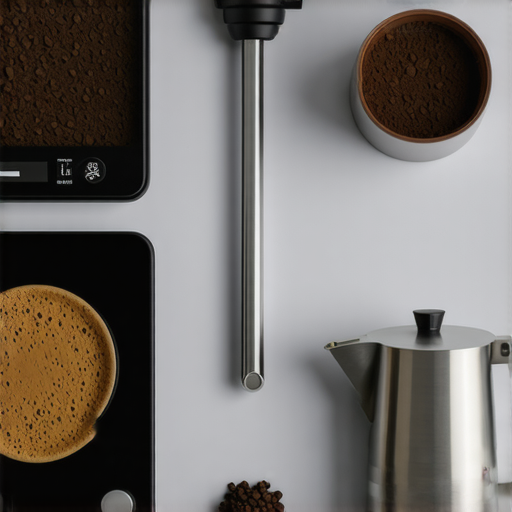

I remember the first time I accidentally over-dosed my espresso beans because my coffee scale’s precision just wasn’t enough. The grind felt perfect, the tamp was firm, but the shot tasted off—sour and thin, instead of rich and balanced. It hit me then, how a tiny miscalculation can wreck an entire brew. That lightbulb moment led me down the rabbit hole of ultra-precise scales; what I discovered is eye-opening. Today, I want to share why 0.01g precision is becoming the new standard for coffee enthusiasts and professionals alike. If you’ve ever struggled to hit that perfect shot, or wondered why your coffee just doesn’t taste as good as it should, keep reading. We’re going to explore how this tiny measurement can make or break your brewing process and how to embrace it for truly consistent results.
The Growing Need for Precision in Coffee
As the coffee world evolves, so do our expectations. Gone are the days when a rough estimate was acceptable. Modern baristas and home brewers alike recognize that subtle variations—less than a tenth of a gram—can lead to drastically different flavor profiles. Why is this shift happening now? Well, advancements in technology have made ultra-sensitive scales more affordable and reliable. In fact, a recent study highlighted that precision to 0.01g can significantly improve shot consistency, reducing waste and improving taste (source: Coffee Equipment Innovation Report 2024). But with these benefits come concerns. Many worry about whether investing in such high-precision equipment is truly worthwhile or just a marketing gimmick. I’ll admit, in the early days, I made a costly mistake—buying an expensive scale without ensuring it could maintain this precision during regular use. That misstep taught me the importance of choosing the right tools for reliable, long-term performance. If you’ve ever wondered whether it’s worth upgrading your gear or if your current scale can truly deliver this level of accuracy, you’re not alone. Luckily, I’ll guide you through what to look for and how to make the most of this precision, so your coffee can finally reach its full potential. Have you faced issues with inconsistent espresso shots despite following all the right steps? If yes, then this discussion is exactly what you need to take your brewing game to the next level.
Set Up Your Tools with Purpose
Before brewing, ensure your coffee scale is calibrated and placed on a flat surface. Think of it as calibrating a musical instrument—just as a musician needs tuning, your scale needs to be precise for consistent results. Next, select a barista accessory set that includes a tamper and milk pitcher suited for your style. My first attempt involved grabbing a random tamper and an old pitcher, leading to uneven tamping and poor milk frothing—an expensive lesson in tool selection. That’s why investing in quality accessories and understanding their purpose makes a tangible difference.
Measure with Purpose, Not Guesswork
When weighing coffee beans, aim for accuracy to 0.01g using your precision coffee scale. I remember a morning where I meticulously weighed 18.50g instead of a rough estimate—my shot was balanced, and the extraction was uniform. To do this correctly, tare your scale, add your beans, and record the weight. Adjust as needed based on your recipe. This practice eliminates inconsistencies, especially in dosing, which directly impacts extraction and flavor. Consistently measured doses serve as your foundation for great espresso.
Perfect Tamping Means Equal Pressure
Hold the tamper like a door handle—firm but controlled. Visualize pressing into a sponge evenly: no uneven spots, no wobbling. I once rushed this step with a cheap tamper, and my shot channeled—bad extraction leading to bitter flavors. Upgrading to a well-calibrated tamper like the ones featured here ensures consistent pressure. Apply steady downward force until the puck is level and firm. Remember, consistency in tamping is what transforms a decent shot into a remarkable one.
Maintain the Milk Pitcher for Smooth Froth
The quality of your milk froth hinges on your milk pitcher. Clean it thoroughly after each use—residual milk ruins the texture. When steaming, angle the pitcher slightly and position the steam wand just below the surface of the milk. Think of the milk like a swirling whirlpool—gentle, consistent motion creates microfoam. I once neglected pitcher maintenance, leading to clumpy froth that failed to pour smoothly. Proper care and technique turn steamed milk into a silky base for Latte Art and a balanced espresso experience.
Channel Your Grind and Extraction
This step ties everything together: adjust your grinder to produce a consistent fine grind—neither too coarse nor too powdery. During extraction, aim for a 25-30 second shot, collecting around 30ml for a single. Use your precision scale to time and measure accurately. I recall a day when a slight grind adjustment yielded a shot with sweet, complex notes I’d never tasted before. Fixing grind size and shot timing reduces bitterness and highlights flavor nuances, elevating your coffee game.
Consistent Practice, Consistent Results
Repetition builds muscle memory—pressing, weighing, and pouring with deliberate focus each time. As you refine your technique, keep a log of your adjustments and results, creating a personalized brewing blueprint. The key is to don’t rush the process; each step is vital. Remember, the goal isn’t perfection overnight but steady improvement through mindful execution and quality tools.
When it comes to enhancing your coffee brewing, many enthusiasts blindly follow popular advice without understanding the nuances or the potential pitfalls. One prevalent myth is that a knock box is merely a dumping station—many underestimate its importance in maintaining workflow efficiency and espresso freshness. In reality, a well-chosen knock box with rubber or silicone barriers can significantly reduce noise and prevent chipping, ensuring durability over time.
Similarly, there’s a misconception that any coffee scale suffices for precise dosing. But, as I discovered through experience, not all scales are created equal—cheap models often drift or lack the consistency needed for 0.01g accuracy. Relying on unreliable scales can introduce errors in dosing and extraction, leading to inconsistent flavor profiles. Advanced baristas understand that investing in a high-quality precision coffee scale pays off in repeatability and confidence.
What misconception do many have about tampers and their size? Many believe that a larger or smaller tamping diameter isn’t critical, but the truth is that using an improperly sized espresso tamper can cause uneven puck density, channeling, and bitter shots. The slight difference between a 58mm and 58.5mm tamper might seem trivial, but it profoundly impacts extraction quality. Paying attention to the right size and calibration is an advanced step many overlook, leading to subpar results despite other perfect techniques.
Another false belief centers around milk pitchers. Many think any pitcher with a spout can produce latte art, yet the shape and spout design influence pour control and microfoam creation. For instance, a sharp-edged spout offers better precision for intricate designs. Choosing the right milk pitcher can elevate your latte art from mediocre to remarkable, but many casual brewers miss this detail and settle for generic options.
Perhaps the most pervasive myth involves the barista toolset as a whole—many assume that high-end equipment guarantees perfect coffee. However, even the best tools require proper technique and maintenance. For example, a poorly calibrated tamper or a dirty scale can negate the benefit of premium gear, leading to wasted investment. Regular upkeep, technique refinement, and understanding the tool’s purpose are critical for real progression. For deeper insights, check out must-have barista accessories and upgrade your setup intelligently.
Have you ever fallen into this trap of oversimplifying or ignoring these details? Let me know in the comments. Remember, mastering the subtleties of your equipment often makes the difference between good and exceptional coffee.Maintaining your essential barista tools is crucial for achieving consistent, high-quality espresso shots over time. The lifespan of your coffee scale, knock box, milk pitcher, and tamper depends heavily on regular upkeep and proper handling. Start with your precision coffee scale. To ensure it remains accurate, clean the surface regularly with a soft, damp cloth and calibrate it weekly using certified calibration weights. This simple routine prevents drift and ensures your measurements stay trustworthy, which in turn maintains shot consistency.
How do I maintain my barista accessories over time?
Investing in quality products is just the first step; maintaining them preserves their performance. For your milk pitcher, thoroughly wash it after each steaming session to prevent milk residue buildup, which can clog spouts and affect pour precision. Use a gentle brush to clean the spout and avoid abrasive cleaners that could damage the surface. Regularly check your tamper for any signs of wear or warping; replacing a worn tamp ensures even pressure and prevents channeling. Keep your knock box clean and inspect the rubber barrier for cracks, replacing it when necessary to reduce noise and chipping. Emphasizing regular cleaning and inspection of your tools guarantees consistent results and extends their longevity. The future of coffee brewing points towards smarter, more durable equipment—consider tools with self-calibration features or improved materials to stay ahead. For example, some scales now incorporate automatic recalibration or Bluetooth connectivity for real-time accuracy monitoring, making maintenance even easier. Incorporate these advanced features into your routine to stay at the forefront of brewing precision. Ready to level up? Try calibrating your scale with a high-precision weight this week and witness immediate improvement in shot consistency. For additional tips on proper maintenance, reach out through our contact page.
Lessons That Changed My Barista Journey
One of the most profound lessons I learned was that overlooking the tiny details, like scale calibration or tamper size, can undermine even the best beans and recipes. I once thought my espresso machine was at fault when shots turned bitter, but it was a miscalibrated scale causing uneven dosing. That eye-opening moment taught me to trust my tools and understand their quirks, emphasizing that mastery hinges on attention to the smallest parts.
Another insight came from experimenting with milk pitcher shapes. I used a generic pitcher and struggled with microfoam until I discovered that a narrow, sharpened spout gave me better control, transforming my latte art and mouthfeel. This taught me that equipment choices directly influence technique and results, urging me to evaluate every tool for its specific purpose.
Lastly, I realized that consistent tamping isn’t just pressure—it’s about feeling and rhythm. Rushing this step or using an uneven tamper led to channeling and bitter shots. Practicing with a calibrated tamper and deliberate pressure made a night-and-day difference, revealing that technique and tools are intertwined in elevating coffee quality.