Walking into my coffee nook after a long day, confident that I’d finally nail that intricate latte art, I clumsily tilted my milk pitcher—and the foam splattered everywhere except on my cup. Been there? If you’ve ever wrestled with pouring perfect rosettas or hearts, you know how frustrating inconsistent results can be. I used to think it was all about steady hands and luck, but I soon realized the trick lies in the tools, especially the spout shape of your milk pitcher. The little difference in how the milk flows can make or break your latte art attempts. Today, I want to share a game-changing insight I picked up recently: the three spout shapes that will elevate your coffee art game in 2026.
The Power of the Right Milk Pitcher Spout Shapes
Have you ever wondered why some baristas effortlessly pump out stunning latte art while others struggle? It’s often about the *how*, not just the skill. One of my early mistakes was sticking to a standard, straight spout pitcher, thinking it was good enough. Turns out, that’s like trying to paint with a toothbrush when you need a fine-tipped brush. Choosing the right spout shape allows for precise control, enabling consistently beautiful designs. Think of your pitcher as a musical instrument; the spout shape is the key to mastering the melody of milk pouring. As I experimented, I discovered that investing in versatile pitcher spouts that are specifically designed for latte art can dramatically improve results. If you’ve faced this challenge, don’t worry—you’re not alone. And the good news? Mastering the right spout shapes can be straightforward with a little guidance. Want to make your latte art flawless? Let’s explore the three shapes that are set to dominate 2026, and how you can incorporate them into your routine. Want to skip straight to the practical tips? Check out our [ultimate guide to milk pitchers for latte art](https://coffeeaccessories.espressotechguide.com/ultimate-guide-to-milk-pitchers-espresso-tamper-for-better-coffee-art).
Is Your Latte Art Potential Being Hidden by Equipment?
When I first started, I believed that the secret was in pouring technique alone. I thought, “If I just practice more, I’ll get better.” But I was making a classic mistake early on: I used a generic pitcher without considering its design. As I learned from seasoned baristas, even the slightest change in the pitcher’s spout shape can unlock new pouring techniques, crucial for fine detailing. For example, a narrow, pointed spout offers better control for creating intricate patterns, while a wider, curved spout is perfect for larger, flowing designs. Recognizing that my equipment was limiting my potential was a lightbulb moment—one that made me realize I needed to upgrade if I truly wanted to impress. Investing time and small funds into the right tools, like a high-quality milk pitcher with the appropriate spout shape, can elevate your latte art from decent to breathtaking. Curious about how to choose the best pitcher? I highly recommend browsing the [top barista accessories in 2024](https://coffeeaccessories.espressotechguide.com/top-barista-accessories-milk-pitchers-espresso-tampers-for-coffee-art) to see options tailored for all skill levels. Now, with the right equipment, your focus can shift fully to technique—making every pour a potential masterpiece.
Perfect Your Milk Pouring Technique
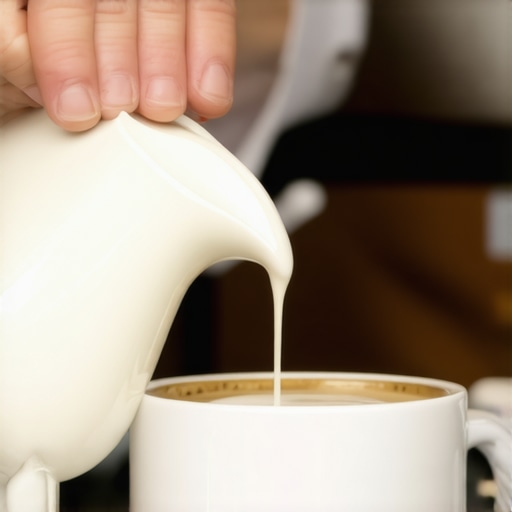
Begin by warming your milk pitcher and filling it with fresh, cold milk. As I did during my messy first attempt, hold your pitcher at a slight angle—about 45 degrees—to control the flow. When pouring, keep the tip close to the surface of the espresso, and start with a steady, gentle stream to establish the base pattern. As I struggled to form a heart, I found that slowing my pour and adjusting the pitcher position was key. Practice this by pouring slowly, aiming for a thin, consistent stream, which helps with precision when creating intricate designs.
Refine with Controlled Movements
Once the initial pattern begins to take shape, lift the pitcher slightly and move it in small, deliberate motions to add detail. Use your wrist to gently flick or wave the pitcher for leaves or rosettas. When I tried this for the first time, my latte art looked more like abstract blobs—yet, over time, focusing on controlled, small movements improved my results. Think of your hand as a fine-tipped brush; finesse and consistency matter more than speed.
Upgrade Your Tools for Better Results
The performance of your latte art hinges significantly on your equipment choice. Use a milk pitcher with a spout designed for fine control. For example, a pointed, narrow spout is like a fine-tipped pen—ideal for detailed work. My breakthrough came when I switched from a wide spout to a tapered one, making it easier to guide the milk precisely. Additionally, investing in a quality espresso tamper ensures your coffee base is evenly packed, which directly impacts the foam’s stability and flow during pouring. When I replaced my old tamper with a calibrated model, I achieved a more consistent espresso shot, simplifying the latte art process. Want to explore the latest tools? Check out our [top barista accessories in 2024](https://coffeeaccessories.espressotechguide.com/top-barista-accessories-espresso-tamper-tips-for-coffee-perfection).
Measure and Time Sip Precise Shots
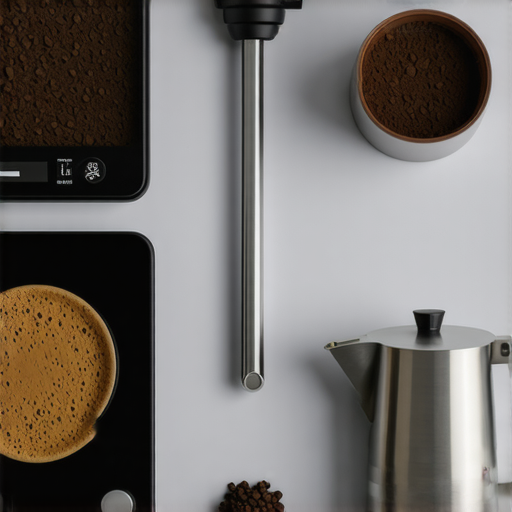
Consistency starts before the pour—using a coffee scale allows you to measure your coffee grounds precisely. During one early attempt, I overlooked measuring, leading to underextracted shots with thin crema, making it harder to pour latte art. After adopting a high-accuracy scale, I found that dialing in my espresso pulled perfect shots every time, with a rich, stable crema that’s ideal for pouring. Use the scale to weigh your coffee doses and extraction time, aiming for about 2 oz in 25-30 seconds. For best results, consider a scale with digital feedback, like our recommended [best coffee scales in 2024](https://coffeeaccessories.espressotechguide.com/best-coffee-scales-barista-tools-for-precise-espresso-2024).
Keep Things Flowing with the Right Accessories
Your workflow can be interrupted by equipment mishaps. Use a reliable knock box to quickly and hygienically dispose of used coffee pucks—it saves time and keeps your station clean. During busy mornings, I had a slow, noisy knock box that disrupted my rhythm—upgrading to a quieter, sturdier model made a noticeable difference. Regularly maintaining your milk pitcher by cleaning and polishing its surface prevents foam inconsistencies, as described in our maintenance guide. When all accessories are optimized, your focus stays on refining pouring technique, not battling equipment issues. For additional tips, browse the [must-have barista accessories in 2024](https://coffeeaccessories.espressotechguide.com/must-have-barista-accessories-to-take-your-coffee-game-to-the-next-level-at-midnight).
Applying these steps with deliberate intention transformed my latte art from chaotic blobs into elegant rosettas. Remember, perfecting the craft involves knowing your tools and mastering your pouring motion—practice with patience, and your skills will flow naturally.When it comes to elevating your coffee game, many enthusiasts fall prey to misconceptions about essential equipment like espresso tampers, milk pitchers, coffee scales, and knock boxes. One prevalent myth is that investing in high-end gear guarantees better latte art instantly. In reality, while quality tools are crucial, mastering technique remains paramount. For instance, some believe that an expensive latte tamper alone will produce perfect espresso shots, but improper tamping pressure or uneven distribution can still sabotage your results. It’s the combination of good tools and skilled handling that truly makes a difference.
Are All Barista Accessories Created Equal or Are Some Just Budget Tricks?
Many assume that all coffee scales or milk pitchers perform similarly, but subtle differences in design profoundly impact your brewing accuracy and pouring precision. A poorly designed milk pitcher may seem adequate, but a tapered spout specifically optimized for latte art offers superior control, leading to cleaner, more consistent patterns. Similarly, cheap knock boxes, while tempting, often lack durability and noise reduction features—disrupting your workflow and concentration. Research by coffee expert James Hoffmann highlights that equipment ergonomics and design nuances can elevate your skills well beyond raw expenditure. Don’t fall into the trap of believing that cheaper means better; instead, focus on proven features that align with your technique. Want to ensure your gear is up to the task? Check out our [top barista tools for 2024](https://coffeeaccessories.espressotechguide.com/top-barista-tools-coffee-accessories-for-better-coffee-art-in-2024).
Another common mistake is undervaluing maintenance. Neglecting to clean your milk pitcher or calibrate your coffee scale regularly leads to inconsistencies, no matter how expensive your equipment. For instance, buildup in your milk pitcher can cause uneven pouring, and uncalibrated scales introduce errors that compromise shot quality. Expert baristas recommend routine maintenance routines, as detailed in our [guide to equipment upkeep](https://coffeeaccessories.espressotechguide.com/how-to-maintain-your-milk-pitcher-for-flawless-latte-art-midday).
Being aware of these nuanced factors helps prevent common pitfalls and accelerates your progression from amateur to barista-level precision. Remember, excellence in coffee starts with understanding your tools as much as mastering your technique. Have you ever fallen into this trap? Let me know in the comments.Ensuring your coffee tools stay reliable over years of use is essential for maintaining high-quality results and streamlined workflows. I personally recommend investing in a high-quality coffee scale, like the precision espresso scale, which not only offers consistent measurements but also features a durable build that withstands daily use. Regular calibration is vital; I do this monthly using calibration weights and the manufacturer’s instructions to ensure accuracy in every shot. For tools like your milk pitcher, proper cleaning routines prevent buildup and foam defects, extending its lifespan. When it comes to your knock box, choosing models with sturdy, rust-resistant materials will save you future replacement costs and keep your station tidy. Additionally, maintaining your espresso tamper by checking its handle tightness and surface flatness prevents uneven tamping. Experts like James Hoffmann emphasize that equipment upkeep is often overlooked but crucial for consistent quality and efficiency. Looking ahead, I predict that smart, IoT-enabled barista tools will become more mainstream, providing real-time maintenance alerts and performance tracking directly via smartphone apps. To get ahead of this trend, I suggest trying out one smart accessory compatible with your setup, such as a connected coffee scale with app integration. How do I maintain my gear over time? The key is establishing a routine: daily cleaning, monthly calibration, and annual inspection. For detailed maintenance protocols, see our comprehensive maintenance guide. Taking these steps not only prolongs your equipment’s lifespan but also ensures every cup you serve maintains the espresso shop standard. Remember, investing time in upkeep yields dividends in consistency and flavor—try implementing a weekly equipment check to see immediate improvements in your brew quality.
What I Wish Someone Told Me About Barista Tools That Changed Everything
Early on, I believed that top-notch equipment alone would transform my coffee game, but I quickly learned that technique and understanding your tools are equally vital. One eye-opening lesson was realizing that even the most expensive milk pitcher can underperform if you don’t know the right pouring angle and flow control—saving me countless frustrating trials. Additionally, I discovered that calibrating my coffee scale regularly isn’t just maintenance; it’s a game-changer for consistently perfect espresso shots, especially as standards get higher in 2026. Lastly, I underestimated how much a good knock box reduces workflow disruptions; a sturdy, quiet model keeps my station tidy and my focus sharp, proving that investing in the right accessories saves time and improves quality over the long haul. These insights weren’t just tips—they shaped my entire approach, helping me produce barista-level coffee every day.
Gear Up for Why and How I Rely on Trusted Barista Resources
To sharpen my skills, I lean heavily on specific tools and guides that have stood the test of time. For example, I trust the comprehensive best coffee scales in 2024 because they combine accuracy with durability, ensuring every shot is precise—a non-negotiable in 2026’s competitive landscape. I also use the detailed ultimate guide to espresso tamper and milk pitcher to optimize my pouring techniques, making even complex latte art achievable. When I need quick, reliable advice, I visit contact us for expert tips—it’s like having a mentor by my side. These resources continually elevate my craft, keeping me aligned with best practices and innovations as they emerge.
Remember, Your Coffee Journey Is Just Getting Started
In the ever-evolving world of barista equipment leading into 2026, your willingness to learn and adapt is your biggest asset. Every upgrade, whether it’s a calibrated coffee scale or a better knock box, brings you closer to consistent excellence. So, don’t hesitate to experiment with new tools, refine your pouring technique, or seek advice from trusted sources. Your passion fuels your progress—embrace it, and watch your coffee craft ascend to new heights. Now is the perfect time to take that next step toward mastery—your perfect cup awaits!