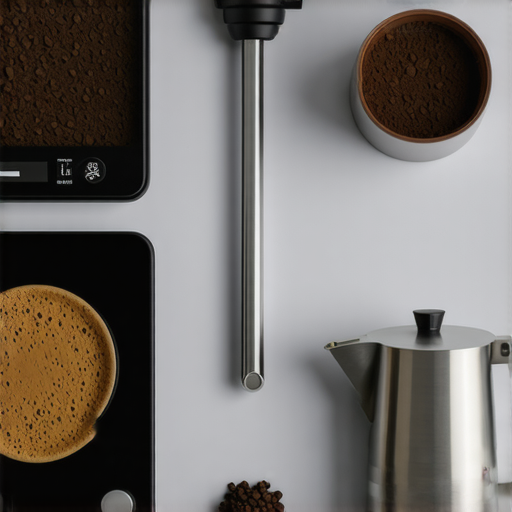
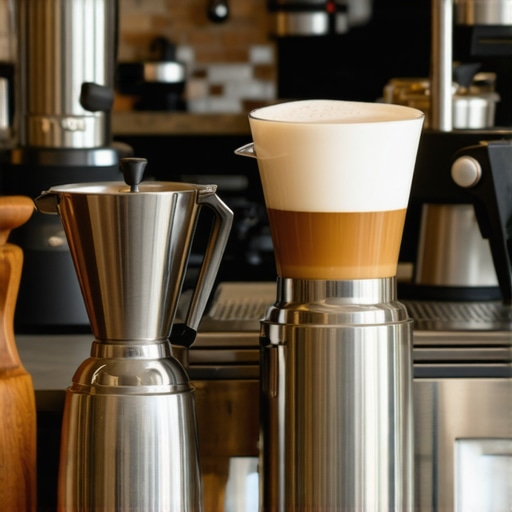
It was a rush, the espresso streaming too fast, the milk pitcher trembling in my hands, and suddenly… a ruined latte art design. I’ve been there—a moment when everything seems to fall apart right before you serve that perfect cup. I realized early on that having the right accessories isn’t just about aesthetics; it’s about consistency and confidence behind the espresso machine. If you’ve ever struggled with creating those smooth, intricate latte art patterns or wondered why your coffee doesn’t look as professional as it tastes, this post is for you. Today, I promise to show you how the right top barista tools—like milk pitchers, tampers, and coffee scales—can transform your brewing game. Imagine pouring latte art that captures attention, impresses friends, and keeps customers coming back. The secret lies in choosing quality accessories that fit your style and skill level. Ready to level up? Let’s dive into what makes these tools essential for every coffee enthusiast striving for that flawless finish.
Why Premium Coffee Accessories Make All the Difference
Start with the Right Tamper Pressure
In a real-world scenario, I once over-pressed the tamp, crushing the coffee grounds so hard that the espresso shot turned bitter and thin. To avoid this, use a consistent pressure—about 30 pounds—for every shot. Consider investing in a tamper with a calibrated pressure ring to help develop a rhythm. Check out the essential tampers that bring precision to your setup.
Apply Even Pressure
Place the tamper flat on the coffee bed, then press down by leaning your body weight into your elbows—think of stepping onto a scale and aiming to distribute your weight evenly. Practice this motion until it becomes second nature, ensuring a level surface that promotes uniform extraction. Remember, inconsistent tamping leads to channeling and uneven flavors in your espresso.
Utilize a Coffee Scale for Consistency
For instance, during a weekend shift, I measured the coffee dose and water weight meticulously. This eliminated the guesswork and vastly improved shot consistency. Use a digital scale with a timer, like the best barista scales, to weigh your coffee grounds and water precisely. A good rule is 18-20 grams for espresso shots, but always double-check your preferred recipe.
Perfect Your Grinding Level
Grinding too fine causes over-extraction; too coarse results in weak coffee. Adjust your grinder in small increments, and taste test each shot. Remember, consistency in grind size is key. Use your coffee scale to ensure each dose matches your target weight, and you’ll notice a marked improvement in shot quality. Regularly calibrate your grinder following manufacturer instructions or maintenance tips.
Master the Milk Pitcher Technique
Pouring smooth latte art is about controlling your milk’s texture and pouring angle. I once struggled, ending up with a jagged heart because my milk was too frothy. To fix this, learn the two-step pour: start with a slow, steady stream to settle the foam, then increase speed while maintaining a consistent height. Use a pitcher with a narrow spout for better control. Explore the best milk pitchers here for enhanced control and precision.
Maintain Your Equipment
Keeping your tools clean is crucial. Residue or dried milk can ruin your shot and affect the flavor profile. After each use, rinse your milk pitcher thoroughly and sanitize regularly. For thorough cleaning, follow this guide on maintaining your milk pitcher. Dirty equipment can drastically reduce your chances of achieving perfect latte art, so a daily cleaning ritual is essential.
Choose the Right Knock Box
Efficient cleanup matters. I once wasted 10 minutes searching for a good knock box during a busy session. Opt for a sturdy, easy-to-clean model with a wide opening. This allows for quick disposal of coffee puck and minimizes mess. For expert tips, refer to this knock box strategies post. Making this a priority streamlines your workflow and keeps your workspace tidy.
Integrate These Tools Seamlessly
When all your tools work in harmony—precise tamping, accurate dosing, controlled pouring, and swift cleanup—you elevate your brewing game. Practice each step methodically, keep your equipment well-maintained, and always be mindful of your technique. Being intentional and consistent is the secret to crafting espresso and latte art that looks as good as it tastes.Many coffee enthusiasts believe that the latest high-end tools automatically guarantee perfect espresso and latte art, but in my experience, that’s a misconception. For instance, a common mistake is assuming that a premium tamper can compensate for inconsistent grind size or tamping technique, which isn’t true. Even seasoned baristas know that technique and consistency matter more than hardware alone. Also, there’s a prevalent myth that a fancy milk pitcher will produce better microfoam, but without proper steaming technique and equipment maintenance, the quality won’t improve. An advanced mistake many overlook is neglecting the calibration and cleaning of their coffee scales; inaccurate measurements directly affect shot quality, especially when aiming for precision. According to expert barista training programs, even small calibration errors can lead to significant taste discrepancies, emphasizing the importance of regular scale maintenance. Another underappreciated nuance is the impact of knock box design on workflow. While many see it merely as a disposal tool, choosing a model with the right size and material can reduce noise and mess, contributing to a more efficient brewing process. However, one trap to avoid is relying solely on visual cues, like puck texture or foam appearance, without supportive measurements and technique checks. This can lead to inconsistency over time. So, even with top-tier gear, mastering proper technique is essential. If you want to ensure your equipment isn’t holding you back, consider regularly reviewing your process and maintenance routines by visiting resources like essential coffee scale guides. Have you ever fallen into this trap? Let me know in the comments.To keep your espresso setup performing at its best, regular maintenance is essential. Start with your coffee scale—calibrate it at least once a month using certified weights to ensure accurate measurements. I personally use the best barista scales with a tare function and a built-in timer, which makes a significant difference in shot consistency. For your milk pitcher, routine cleaning with a dedicated brush prevents residue buildup that can spoil latte art—you can follow the maintenance guide for tips. Your tamper and knock box also require periodic inspection; check for wear, and replace worn components to avoid compromising your tamping pressure or introducing contamination. Regularly disassemble and clean all accessories to prevent bacterial growth and ensure longevity. As trends in barista gear evolve, so do the best practices for maintenance, especially with the advent of smart scales that sync with brewing apps, offering real-time calibration checks. According to expert baristas, integrating a maintenance routine into your daily workflow reduces downtime and elevates your coffee quality over time.
How do I maintain my equipment over time?
Dedicate just a few minutes after each brew session to cleaning your tools. For instance, rinsing your milk pitcher thoroughly handles most residue, but periodically using a cleaning tablet designed for espresso equipment ensures thorough sanitation. Don’t forget to check the calibration of your coffee scale each quarter—this small step prevents flavor inconsistencies and keeps your measurements precise. For more detailed routines, you can visit our contact page or explore other resources that emphasize equipment longevity. Ready to upgrade your maintenance game? Try calibrating your coffee scale today following the method outlined in the scale calibration guide. Consistent upkeep is the key to lasting performance and incredible espresso every time.
The Hardest Lesson I Learned About Espresso Tools That Nearly Cost Me
One time, I believed that upgrading to a flashy milk pitcher would dramatically improve my latte art overnight. It didn’t. I realized that without mastering technique and routine maintenance, even the best gear can’t deliver consistent results. The lesson here is that tools are only as good as the user’s ability to leverage them—embrace continual learning and refine your skillset, not just your equipment.
My Favorite Resources That Keep My Coffee Game Sharp
Over the years, I’ve found that top coffee scales are essential for consistency, and quality milk pitchers give me better control over microfoam. For understanding proper maintenance, the maintenance guides are invaluable. These resources keep my setup on point and improve my brewing with every shot.
Your Next Step: Take Action Today
Remember, mastering espresso tamper techniques, selecting the right accessories, and maintaining your equipment pays dividends in taste and presentation. Don’t let the myth that gear alone makes perfect coffee hold you back. Commit to continuous improvement, and you’ll see your skills flourish. Why not start by calibrating your coffee scale or practicing a new tamping routine today? Your future self will thank you. Want to share your biggest lesson learned or ask questions? Drop a comment below and keep elevating your coffee craft.
Reading through this post really resonated with my own journey in perfecting coffee at home. I’ve learned that having quality tools is essential, but mastering consistent technique makes all the difference. I used to overlook the importance of a calibrated coffee scale and just estimate the amount of grounds, which led to inconsistent shots. Now, I always use a digital scale, and calibration has vastly improved my espresso’s quality. The part about tamping was a revelation—applying even, correct pressure is surprisingly tricky, but a tamper with a pressure ring really helps develop good habits. I’m also experimenting with different milk pitchers, trying to find that perfect pour. Does anyone have recommendations for beginner-friendly milk pitchers that still offer control and precision? I’d love to hear tips from others who’ve mastered their setup and what adjustments made the biggest difference in their latte art. It’s a constant learning process, but I believe the right mindset combined with quality accessories can truly elevate your coffee game.