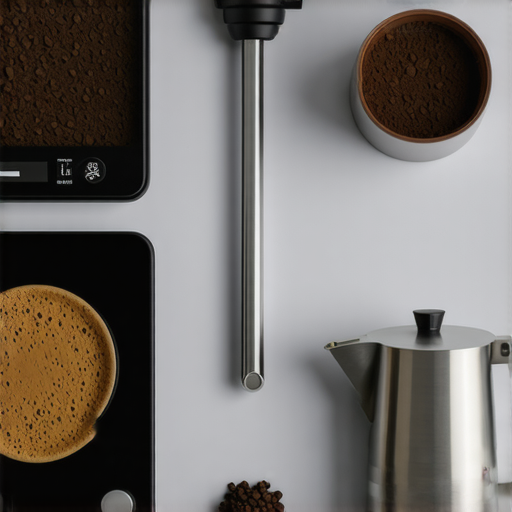
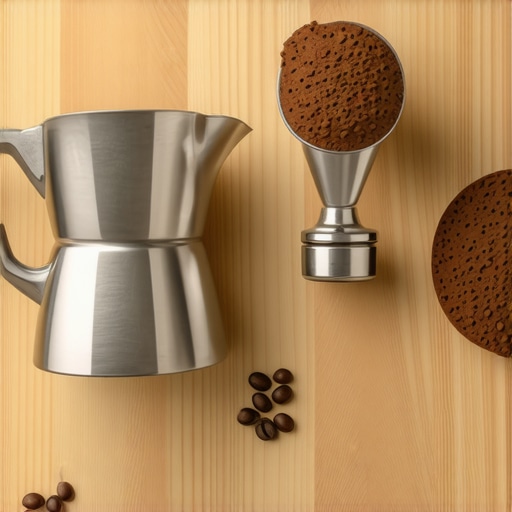
I remember the first time I tried pouring latte art, only to end up with a murky, uneven design that looked more like a toddler’s scribble than a professional masterpiece. Frustration washed over me. I had invested in the best coffee beans, a decent espresso machine, and endless hours practicing, but something was missing. That aha moment came when I realized that my tools—specifically my milk pitcher and tamper—weren’t just accessories but vital instruments that could make or break my coffee art.
Why Your Choice of Barista Accessories Can Make All the Difference
Choosing the right milk pitcher and espresso tamper isn’t just about aesthetics or brand hype. It’s about precision, consistency, and enabling you to push your coffee art to the next level. When I upgraded to a well-balanced, tapered pitcher, I found that controlling milk frothing became second nature. Similarly, adopting a tamping technique with a solid, ergonomic tamper helped me achieve those perfect, level shots that are the foundation of stunning latte art.
This shift wasn’t just about aesthetics — it impacted the flavor of my espresso, too! According to the Specialty Coffee Association, consistent tamping and milk texture are crucial for extracting optimal flavors and creating those beautiful patterns that wow your friends or customers. If you’re stuck pouring unremarkable coffee or feeling frustrated with inconsistent results, upgrading your accessories might be exactly what you need to unlock your true potential.
Now, have you ever faced the dilemma of whether investing in premium barista tools is truly worth it? I’ll share my journey, including my early missteps, so you can avoid common pitfalls and find the tools that suit your style and budget.
Is It Really Worth Investing in Fancy Barista Accessories?
When I first started, I bought cheap, generic tools, thinking I was saving money. Turns out, those inexpensive items often hindered my progress—leaking pitchers, uneven tampers, inconsistent milk frothing. I made a crucial mistake early on by neglecting the importance of quality tools. Once I committed to higher-quality accessories, my skills instantly improved, and I began enjoying the process more. If you’re skeptical about spending more, consider this: investing in the right equipment isn’t just about making better coffee, it’s about making your craft sustainable and enjoyable in the long run.
Having the right tools also reduces waste and ensures you’re getting the most out of your efforts. Want practical tips on selecting the best accessories for your home or café? Stay tuned, because the upcoming sections will walk you through choosing precision tools that fit your needs and budget. Plus, I’ll share some insider tricks to maintain your gear for flawless results every time—so stay with me!
Perfect Your Milk Texture with the Right Pitcher
Select a **tapered, stainless steel milk pitcher** that fits your hand comfortably. To improve pouring precision, practice steaming milk to the ideal microfoam consistency—smooth, glossy, and with tiny bubbles. Mimic the rhythm of pouring by starting slow, gradually increasing flow as you initiate your pattern. I once struggled with uneven designs, but switching to a well-balanced pitcher and dedicating time to steaming techniques transformed my latte art. For maintenance tips, see how to keep your pitcher in top shape here.
Accurate Shots Begin with Your Coffee Scale
Invest in a **digital coffee scale** that measures accurately to the gram. Before pulling your espresso, tare the scale with your portafilter in place. Distribute your coffee evenly into the basket, tamp with steady pressure using a **quality tamper**—preferably with an ergonomic handle—and then weigh your dose. When I first started, inconsistent tamping led to erratic extraction. Now, I weigh my tamped puck within ±0.2 grams and timing the shot, which ensures a uniform extraction. Master scales for espresso at here.
Speed Up Your Workflow with a Knock Box
After pulling shots, eject the puck into a **robust knock box**, ideally with a rubber buffer that reduces noise and protects your workspace. Practice knocking out the puck with a quick, controlled motion—think of it as a ‘door slam,’ not a tap. During busy mornings in my cafe, clearing spent grounds swiftly saved seconds per shot, cumulatively boosting efficiency. For strategies to keep your station tidy and speedy, explore knock box tips.
Select a Tamper That Aligns with Your Technique
Choose a **flat, heavy tamper** with a handle that feels natural in your grip. Focus on applying consistent, vertical pressure—imagine pressing a button directly down—avoiding tilt or uneven force. During my initial attempts, I kept tilting the tamper, resulting in uneven puck density and inconsistent shots. Switching to an ergonomic tamper and practicing firm, even pressure markedly improved my espresso quality. For insights on selecting and using a tamper effectively, see tamper techniques.
Combine Tools for an Artistic Finish
With your milk pitcher, scale, knock box, and tamper calibrated to your style, focus on seamless coordination. Start by prepping your equipment—clean, calibrated, and ready. During execution, pour milk steadily, observing the flow, and creating patterns with deliberate wrist movements. My first attempts looked chaotic, but recorded practice sessions revealed timing and flow adjustments. Repetition along with fine-tuning your tools will turn basic pours into art. For comprehensive accessory picks that elevate your coffee game, check must-have barista accessories.
When it comes to mastering espresso and latte art, many enthusiasts focus solely on technique, overlooking the nuanced roles that accessories play in their craft. However, a common misconception is that tools like the coffee scale or knock box are simple, static objects—things you buy once and forget. In reality, understanding the subtle complexities and potential pitfalls associated with these accessories can elevate your brewing game significantly.
For instance, many believe that any coffee scale with a digital display will suffice. Yet, not all scales measure with the same precision or speed. Cheaper models might drift over time or have inconsistent readings that subtly affect extraction quality. According to expert baristas, investing in a high-precision scale that measures to at least 0.1 grams minimizes variability, ensuring every shot is consistent. Skimping on this can lead to unpredictable flavors and disappointment, especially when trying to replicate a perfect shot regularly.
Similarly, the knock box is often mistaken for just a receptacle for used grounds. But overlooking its material, size, or dampening features can cause issues. A poorly chosen knock box—say, one with a fragile ceramic body or insufficient rubber buffer—may crack or produce excessive noise. This can distract you during busy hours or even damage your workspace. The key is selecting a durable, noise-reducing model that stands up to daily use. For insider tips on choosing the right knock box, check out this guide.
When it comes to milk pitchers, many think a simple stainless steel design is enough, but the real nuance lies in shape, weight distribution, and material quality. An improperly balanced pitcher can hinder your pour control, especially during intricate latte art. Moreover, some believe that all pitchers are equally easy to clean—that’s a myth. Residue buildup can lead to bacterial growth or impacts on milk texture over time. Regular maintenance, including thorough cleaning with proper tools, is often overlooked but crucial for consistent microfoam. For detailed maintenance tips, see here. Additionally, advanced baristas often customize their pitchers or select ones with specific spout designs to enhance pouring precision, which beginner models might lack.
What about the espresso tamper? It’s tempting to think that any flat-bottomed tamper works. However, the fit between your tamper and your portafilter basket matters more than most realize. An ill-fitting tamper can cause uneven tamping pressure distribution, leading to channeling during extraction. Some professionals swear by weighted, ergonomically designed tampers, which can significantly improve consistency. Remember, even pressure application is vital; inconsistent tamping can cause flavor disparities that are hardly noticeable at first but become evident with practice. For advanced tamper strategies, tap into expert insights here.
Ultimately, each accessory’s role goes beyond surface appearance or basic function. They’re integral to building a reliable, repeatable workflow. One common trap is assuming equipment doesn’t require routine upkeep or that enhancements are unnecessary beyond the basics. In fact, small tweaks—like calibrating your scale regularly or upgrading to a better knock box—can have a disproportionate impact on your results. Remember, mastering these nuances sets apart an amateur from a seasoned barista. Have you ever fallen into this trap? Let me know in the comments.
Maintaining your barista tools isn’t just about cleanliness; it’s about preserving precision and extending the lifespan of your equipment, ensuring every shot, pour, and grind remains flawless. For instance, a well-maintained milk pitcher that is cleaned regularly prevents residual buildup, which can adversely affect microfoam quality and the aesthetics of latte art. Similarly, calibrating your coffee scale ensures precision in tamping and dosing, directly influencing shot consistency. An overlooked aspect is the knock box, which, if cleaned and checked for damage, prevents unwanted noise and prolongs its usability. Regular maintenance might seem tedious but it saves costly replacements and guarantees your tools perform at their peak, helping you craft impeccable coffee consistently.
Lessons I Wish I Could Rewind And Apply Sooner
One of the toughest yet most valuable lessons I’ve learned is that investing in high-qualitybarista accessories isn’t a luxury—it’s a necessity for consistent excellence. I used to believe that any coffee scale or milk pitcher would do, but my early experiments showed that poor equipment hampers technique and flavor. The tipping point was realizing that the right tools—be it a precision coffee scale or an ergonomically designed tamper—enable a smoother workflow and elevate your artistry. Additionally, I discovered that routine maintenance for these tools isn’t just cleaning; it’s about preserving accuracy and performance, which is often overlooked by many enthusiasts. Embracing this mindset early on could have saved me months of frustration, and it can do the same for you. Remember, mastering coffee isn’t solely about pouring skills but also about understanding and nurturing your equipment’s potential. This shift in approach transformed my entire coffee journey and can do the same for your craft.
Reading this post really resonated with my own journey in perfecting coffee art. I used to think that technique alone would lead to great latte designs, but I soon realized that the right tools, like a good milk pitcher and a solid tamper, can dramatically improve the consistency and quality of my pours. Investing in high-quality accessories was a game-changer for me, especially since they help reduce common issues like uneven tamping or difficult milk frothing. The advice about maintaining and selecting tools carefully is so important—it often gets overlooked but makes a real difference. Has anyone else found that upgrading their accessories, even gradually, helped boost their confidence behind the espresso machine? I’m curious to hear what specific tools made the biggest difference in your setup.
This post really hits home about the importance of having the right tools to elevate your coffee game. I’ve been guilty of skipping on quality accessories early on, thinking they’re just extras, but I’ve since realized how much they affect both the workflow and the final product. A well-balanced milk pitcher, for example, improved my control significantly, making pouring latte art much easier and more consistent. Also, I found that investing in a good tamper and scale didn’t just help with aesthetics—they actually improved the taste of my espresso through more uniform extraction. I agree that maintenance is often overlooked; regular cleaning and calibration keep everything functioning smoothly and prolong the lifespan of the tools. For anyone just starting out or even those looking to refine their craft, what’s been your most effective upgrade so far, and how has it changed your approach to making coffee?