My Journey into the World of Milk Pitchers and Barista Tools
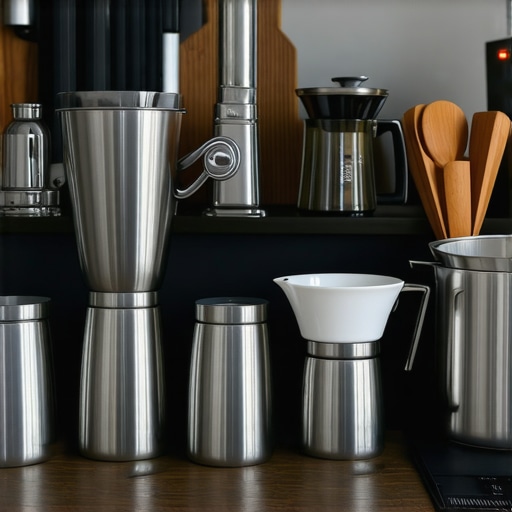
Ever since I started exploring the art of coffee-making, I’ve been fascinated by the little tools that make a big difference—especially milk pitchers. I remember my first purchase, a simple stainless steel pitcher, which transformed my latte art attempts from shaky scribbles to somewhat recognizable hearts and rosettas. That little investment ignited my passion for perfecting every pour and understanding how the right accessories can elevate your coffee game.
Why Choosing the Right Milk Pitcher Matters More Than You Think
When I delved deeper into espresso and milk steaming, I realized that a quality milk pitcher isn’t just about aesthetics; it’s about control. The shape, size, and material of your pitcher influence the steam flow and the consistency of your milk foam. For example, a narrow spout provides better precision, crucial for intricate latte art. I learned that proper maintenance keeps your pitcher in top shape, ensuring every pour is smooth and consistent.
Barista Accessories That Can Transform Your Coffee Experience
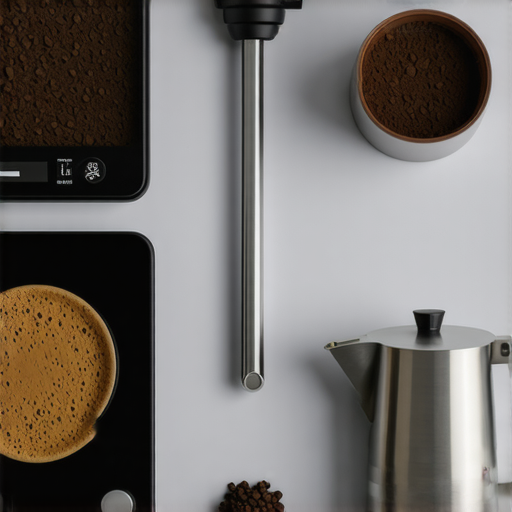
Beyond milk pitchers, I discovered a range of accessories that made my brewing process more efficient and enjoyable. From high-precision coffee scales to versatile knock boxes, each tool has a role in creating better coffee. I especially appreciate the must-have accessories that help me streamline my workflow during busy mornings.
How Do I Select the Perfect Milk Pitcher for My Needs?
What should I consider when choosing a milk pitcher?
In my experience, size and spout design are the most critical factors. I started with a 12 oz pitcher, ideal for single servings, but now prefer a 20 oz one for multiple drinks. The material also matters; stainless steel is durable and easy to clean. If you’re serious about latte art, look for a pitcher with a well-designed spout that allows for precise control. The shape of the pitcher influences the texture of your milk and the flow of your pour, making it easier to create those beautiful patterns.
Join the Coffee Conversation
If you’re passionate about elevating your barista skills, I’d love to hear about your favorite accessories or tips. Feel free to share your experiences or ask questions in the comments below!
Remember, mastering your tools is just as important as mastering your technique. For more insights into maintaining your gear, check out the best coffee scales and barista tools. Happy brewing!
Beyond Basics: How Professional Baristas Choose Their Milk Pitchers
While many home baristas start with a standard stainless steel pitcher, seasoned professionals understand that the nuances of pitcher design can significantly influence their craft. They often select pitchers based on specific characteristics such as spout angle, diameter, and material to achieve consistent microfoam and intricate latte art. For instance, a narrower spout allows for finer control when creating delicate patterns, while the pitcher’s weight distribution impacts pour stability. Investing in the right accessories is crucial for elevating your skills, especially during those early morning rushes or late-night experimentation sessions.
Optimizing Milk Texturing: The Role of Steaming Technique and Equipment
Achieving silky, glossy microfoam involves more than just the pitcher; it requires a nuanced steaming technique. Experts recommend adjusting the steam wand’s position and pressure to manipulate the milk’s temperature and texture precisely. Controlling the angle and distance of the wand from the pitcher’s surface influences the turbulence within the milk, which directly affects the microfoam quality. Regularly cleaning and maintaining your pitcher, as outlined here, ensures no residual buildup hampers your control and results.
What Can the Choice of Material and Size Tell Us About Your Coffee Style?
Material choices like stainless steel, copper, or even silicone can impact thermal retention and ease of handling. Stainless steel, for example, offers durability and a neutral temperature, making it a popular choice among many baristas. Size, on the other hand, should align with your typical beverage volume. A 20 oz pitcher provides flexibility for multiple drinks or larger pours, while a 12 oz pitcher lends itself to precision work on single servings. Balancing these factors allows you to customize your setup for your unique coffee style and workflow.
How Do I Fine-Tune My Technique for Consistent Latte Art?
Expert baristas often emphasize the importance of the pouring technique—controlling flow rate, height, and movement. Practicing slow, steady pours while focusing on the milk’s surface tension can dramatically improve pattern clarity. Additionally, using a high-precision coffee scale helps monitor pour consistency, ensuring each cup is as perfect as the last. For those serious about their craft, exploring barista tools and scales can make a noticeable difference in precision and confidence.
Interested in elevating your brewing game? Feel free to share your experiences or ask for tips in the comments below. Remember, mastering your tools is a journey—each adjustment brings you closer to barista-level perfection. For more insights into maintaining and upgrading your gear, visit our contact page.
Refining Your Technique: The Subtle Art of Pouring Precision
After years of experimenting with different pitchers and steaming techniques, I’ve come to realize that the finesse of your pour is often what distinguishes a good latte from a truly stunning one. It’s not just about controlling the flow but about understanding the micro-movements that create intricate patterns. I remember during one late-night session, I focused intensely on the tilt of the pitcher and the speed of my wrist, noticing how tiny adjustments led to more defined hearts and rosettas. This level of control requires patience and a deep awareness of your tools and your own movements.
The Impact of Pitcher Material and Shape on Microfoam Consistency
Choosing the right material and shape isn’t merely a matter of preference—it’s a strategic decision that influences your milk texture. Stainless steel is my go-to for its durability and thermal stability, but I’ve also experimented with copper pitchers, which respond faster to temperature changes. The shape of the spout is equally critical; a narrower spout allows for more precise control over the flow, especially when creating delicate patterns. I’ve found that a slightly curved, elongated spout provides better leverage, giving me the ability to make subtle, controlled movements that enhance the quality of my latte art. For those interested in professional-grade tools, investing in a high-quality pitcher can significantly elevate your craft—more on this here.
How Do I Overcome Common Challenges in Milk Texturing?
What are some advanced tricks to achieve silky microfoam consistently?
Beyond basic steaming, mastering the subtle nuances requires a combination of technique and equipment tuning. One challenge I often encounter is achieving uniform microfoam without large bubbles. I’ve learned that adjusting the angle of the steam wand and maintaining a steady, gentle motion helps create a smooth, glossy surface. Additionally, controlling the milk’s temperature precisely—ideally around 140°F (60°C)—prevents overheating and preserves the microstructure. Regularly cleaning and maintaining my pitcher also plays a vital role. Residual milk buildup or scratches can disrupt the flow and cause uneven foam. For detailed maintenance tips, check out this guide. Ensuring your tools are in top shape allows for more predictable results, especially during those crucial busy hours.
What Does Your Choice of Pitcher Say About Your Personal Coffee Style?
In my personal journey, I’ve realized that selecting a milk pitcher is a reflection of your brewing philosophy. Do you prefer quick, bold pours that emphasize speed and volume, or do you lean towards meticulous, delicate designs that showcase your finesse? For example, I gravitate towards larger, heavier pitchers for multi-cup routines, but I keep a smaller, more nimble pitcher for detailed artwork. Material choice also reveals your priorities—stainless steel offers durability and neutrality, whereas copper or silicone might appeal to those seeking unique aesthetic or thermal properties. Ultimately, your pitcher becomes an extension of your craft, shaping not just the milk texture but also your approach to each pour.
Join the Conversation: Share Your Insights and Experiences
Every barista’s journey is unique, and I’d love to hear about your experiences with different pitchers, steaming techniques, or troubleshooting challenges. Have you discovered any tricks that consistently improve your microfoam or latte art? Feel free to share your stories or ask questions in the comments below! Remember, mastering your tools is an ongoing process, and each new insight brings you closer to barista-level perfection. For further tips on maintaining and upgrading your gear, visit our contact page.
Refining Microfoam: How Do Professional Baristas Achieve Consistent Results?
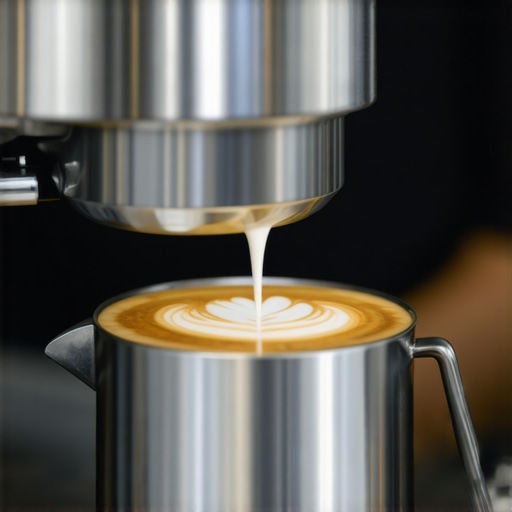
Achieving flawless microfoam requires an intricate balance of technique, temperature control, and equipment quality. Over the years, I’ve discovered that the key lies in the subtle manipulation of the steam wand’s position and the milk’s temperature plateau—ideally around 140°F (60°C)—to prevent overheating and preserve the delicate microstructure. Regularly calibrating your steam wand pressure and employing a slow, consistent motion ensures the creation of silky, glossy microfoam with minimal large bubbles. Advanced baristas often use a coffee scale to monitor flow rate and pour timing, which significantly enhances repeatability and precision. This meticulous attention to detail enables the microfoam to support intricate artwork, elevating your latte art to professional standards.
How Can Material and Shape of Your Pitcher Influence Your Artistic Expression?
The material and shape of your pitcher are more than mere preferences—they are strategic choices that directly impact your ability to craft detailed latte art. Stainless steel remains the top choice for its durability, thermal stability, and ease of cleaning, allowing for consistent temperature management. Copper pitchers, with their rapid thermal responsiveness, are favored by some for quick adjustments, especially during high-volume periods. The spout’s design—narrow, elongated, or curved—affects the pour’s control and finesse. I’ve found that a slightly curved, elongated spout offers superior leverage, enabling delicate, controlled movements necessary for complex patterns. When selecting a pitcher, consider how its shape complements your typical workflow and artistic ambitions, as it becomes an extension of your creative expression.
What Are the Latest Innovations in Barista Tools That Can Elevate Your Craft?
Staying ahead in the coffee game involves embracing innovative accessories that streamline workflow and enhance precision. Modern barista tools such as ergonomic tampers, precision tamping mats, and advanced milk frothing thermometers contribute to consistency and comfort during demanding sessions. Additionally, digital scales with integrated timers and flow rate monitors enable meticulous control over extraction and pouring. Integrating these tools into your routine not only refines your technique but also fosters a professional mindset that appreciates the nuanced art of coffee-making. To explore more about these innovations, I recommend reviewing specialized gear that complements your unique style and elevates your overall craft.
How Do I Overcome Common Challenges in Milk Texturing and Microfoam Formation?
What are some lesser-known tricks to prevent large bubbles and achieve velvety microfoam?
One of the most persistent challenges is avoiding large bubbles that ruin the smoothness of microfoam. I’ve learned that maintaining a consistent steam wand angle—usually slightly tilted and submerged just below the milk surface—promotes gentle agitation, which reduces turbulence and large bubble formation. Incorporating a “whirlpool” motion by gently swirling the pitcher during steaming helps distribute heat evenly and break down larger bubbles. Additionally, pre-heating your pitcher and milk to near the target temperature ensures a stable environment, making microfoam formation more predictable. Regularly inspecting and polishing your pitcher’s interior can eliminate scratches or residual buildup that might disrupt flow—more details on such maintenance can be found here. Practicing these techniques consistently transforms your milk texturing into a refined, expert skill.
What Personal Philosophy Shapes Your Choice of Pitcher and Technique?
My approach to selecting tools and refining technique stems from a desire to marry efficiency with artistry. I prefer larger, heavier pitchers for volume-focused routines, emphasizing speed without sacrificing control. Conversely, for detailed latte art, I opt for smaller, more nimble pitchers with fine spouts to enable delicate, precise movements. My material choice—predominantly stainless steel—ensures durability and temperature neutrality, allowing me to focus solely on technique. I believe that your tools are an extension of your personal coffee philosophy; they influence not only your workflow but also your creative potential. Embracing this mindset elevates both your technical mastery and your artistic expression, transforming routine coffee preparation into a form of personal artistry.
Engage and Elevate: Share Your Advanced Techniques and Insights
Every seasoned barista develops unique tricks and preferences that push the boundaries of latte art. I invite you to share your experiences—whether it’s a specific technique for microfoam creation, a favorite tool, or a troubleshooting tip that consistently works for you. Engaging with a community of passionate coffee enthusiasts accelerates growth and inspires innovation. Remember, mastery is an ongoing journey, and each refinement brings your craft closer to perfection. For further insights into maintaining and enhancing your gear, visit our contact page.”
,{
Things I Wish I Knew Earlier (or You Might Find Surprising)
The Subtle Power of Spout Design
Looking back, I underestimated how crucial the spout shape and size are for latte art. Initially, I thought any stainless steel pitcher would do, but I was amazed when switching to a narrow, elongated spout dramatically improved my control. It’s funny how such a small design tweak can unlock a new level of finesse in your pours.
Material Matters More Than I Thought
At first, I chose stainless steel for durability, but experimenting with copper pitchers revealed faster heat responsiveness and a different feel. The material affects not just the look but the microfoam quality—something I discovered through trial and error. It’s worth exploring different options to find what truly complements your style.
Size Influences Your Technique and Workflow
I used a 12 oz pitcher for single cups, but once I tried a 20 oz, I realized it gave me more versatility, especially during busy mornings. The size impacts how you control your pour and the microfoam texture—bigger isn’t always better, but it can be more forgiving for larger drinks.
Regular Maintenance Is the Unsung Hero
It’s easy to overlook, but keeping your pitcher clean and free of scratches makes a visible difference. Residual milk or scratches can disrupt the flow, making microfoam creation more challenging. I now incorporate a routine cleaning ritual that keeps my tools performing at their best.
Balancing Technique and Equipment for Consistency
Even with a perfect pitcher, your steaming technique is vital. I’ve learned that controlling the steam wand angle and maintaining a steady motion minimizes bubbles and creates silky microfoam. Mastering this balance has been a game-changer in achieving professional-looking latte art.
Personal Style Shapes Tool Choice
My approach reflects my personal coffee philosophy—preferring larger pitchers for volume and nimble ones for detail work. The choice of material and shape is a reflection of your unique style, making your coffee craft more authentic and satisfying.
Resources I’ve Come to Trust Over Time
- Espresso Tech Guide: The comprehensive guides on maintenance and accessories have been invaluable for me, especially the detailed advice on pitcher maintenance.
- Barista Hustle: Their articles on steaming techniques and microfoam creation are top-notch, helping me refine my craft with expert tips.
- Home Barista: A friendly resource filled with practical advice and product reviews that helped me choose the right gear for my needs.
Parting Thoughts from My Perspective
To me, mastering the art of coffee isn’t just about perfecting your pour but understanding how your tools—especially milk pitchers—can elevate your craft. Small adjustments in spout shape, material, or size can unlock new potential, making each cup a personal masterpiece. Remember, the journey involves continuous learning and experimentation, so don’t hesitate to explore different options and techniques. If this resonated with you, I’d love to hear your thoughts or tips—share your experiences in the comments! And if you’re looking to deepen your barista toolkit, check out must-have accessories to take your coffee game further. Happy brewing!
Reading through this post really resonated with me, especially the part about how much the right pitcher can influence latte art quality. I started with a basic stainless steel pitcher, but after trying a narrower spout, I noticed how much finer control I gained, making my patterns much cleaner. It’s fascinating how small tweaks in the tool can open up new creative possibilities. I also found that pre-heating my pitcher and milk helps achieve that velvety microfoam more consistently, which makes a noticeable difference in my pours.
I’m curious, for those who have experimented with different materials like copper or silicone, how did it impact your steaming and pouring experience? Do you prefer one over the others for specific types of latte art or workflow? I’d love to hear other variations and tips to refine the process further.
I really enjoyed reading about your journey with milk pitchers and the nuanced impact of design choices. I agree that the spout shape and material can drastically influence the control and creaminess of the microfoam. I personally started with a stainless steel pitcher but recently switched to a copper one for its quick heat responsiveness. It’s fascinating how the material can alter the feel during steaming and affect the microfoam consistency. Has anyone noticed a difference in long-term durability between copper and steel, especially with regular cleaning? I find that maintaining the inside surface is crucial to prevent scratches that disrupt flow, which often leads to microfoam issues.
Also, I’d love to hear tips from others about handling larger pitchers during busy mornings. Do you find the added volume makes it trickier to maintain precision? It seems like a balance between size for versatility and control. Overall, this post has inspired me to experiment more with different tools to elevate my latte art. What’s been your biggest breakthrough in selecting the right pitcher for different styles or workflows?
This post really resonated with me, especially the idea of how small design tweaks in pitchers can make a big difference in latte art. I started with a basic stainless steel pitcher, but after switching to one with a narrower spout, my control improved dramatically. It’s incredible how such a simple change can unlock new possibilities in pouring delicate patterns. I also found that pre-heating the pitcher helps achieve that smooth microfoam consistency consistently. I’m curious—have others noticed a significant difference in their microfoam quality when switching between materials like copper and steel? I’ve heard copper responds faster to temperature adjustments, but I wonder about its long-term durability and maintenance. For busy mornings, I try to keep my large pitchers well-balanced to avoid losing control, but handling bigger volumes can still be tricky. Do you have any tips for maintaining precision when working with larger pitchers during rush hours or for more complex designs? Looking forward to hearing everyone’s experiences and tips to push my latte art further.
I really appreciate this in-depth discussion about how the design and materials of milk pitchers influence microfoam and latte art. Personally, I’ve experienced that switching from stainless steel to copper pitchers made a noticeable difference, especially in how quickly the milk heats up and responds during steaming. The better thermal responsiveness of copper helps me maintain more consistent microfoam, which is critical for detailed art. However, I sometimes worry about the long-term durability of copper given the regular cleaning and potential scratches over time. Has anyone found effective ways to preserve copper pitchers without compromising their thermal benefits?
I also wonder about handling larger pitchers during busy shifts. I’ve started to use 16 oz models instead of 20 oz, as I find they’re easier to control, especially for intricate pours, even though the extra volume would seem advantageous. Do other baristas have favorite pitcher sizes for balancing ease of use and versatility? It seems like finding the right combination of size and shape is a personal journey, but I’d love to hear more about how others have refined their choices based on their workflow. For those who’ve experimented with different materials and sizes, what’s been your biggest epiphany?
Reading this post really resonated with me, especially the part about the importance of spout design. I used to think any stainless steel pitcher would do, but after trying a narrow, elongated spout, I’ve noticed a dramatic improvement in my control, especially for intricate latte art. It’s amazing how small modifications can lead to a big difference in results. I’ve also been experimenting with different materials—stainless steel versus copper—and I agree that copper responds faster to temperature changes, which I find helpful in maintaining microfoam consistency. However, I am curious about how these materials hold up over time and with frequent cleaning. Have others noticed more maintenance issues with copper? Also, what’s your take on handling larger pitchers during busy mornings? I personally prefer a 16 oz pitcher for better control, but would love to hear if anyone has tips for maintaining precision with bigger volumes during high-pressure service. It’s clear that finding the right combination of tool design and technique is key to elevating our craft, and I’m eager to keep experimenting. Would love to hear your insights or any tricks you’ve picked up along the way!