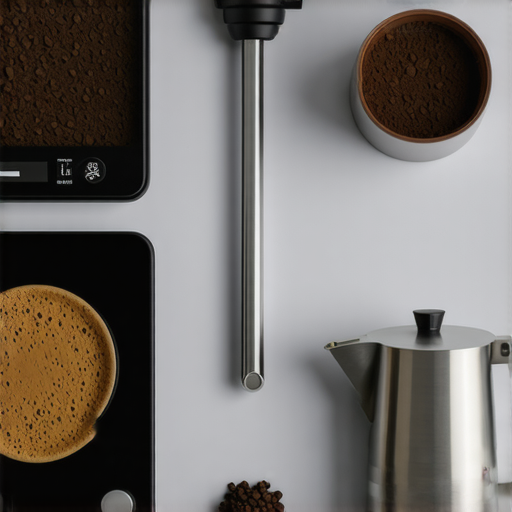
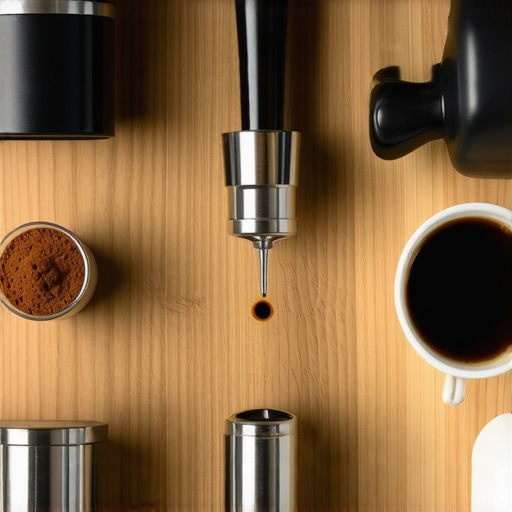
It was a typical busy morning in my home café when I nearly gave up after a failed espresso shot. The grind was perfect, the tamp felt right, but something was off—the shot lacked that rich crema and vibrant aroma I was chasing. Frustration crept in as I realized my trusty tools weren’t quite enough. That lightbulb moment hit me hard: even the best beans need the right accessories and techniques to truly shine.
Why the Right Barista Tools Can Transform Your Coffee Game
In my early days, I made a crucial mistake—believing that good beans alone could deliver stellar espresso. Turns out, even premium ingredients struggle without proper accessories. From ensuring your milk pitcher is flawless for latte art to having a precise coffee scale to dial in your shots, each tool plays a pivotal role. I’ve learned that investing in quality accessories isn’t just about convenience; it’s about elevating every cup you brew.
Have you ever faced a similar struggle where your coffee just didn’t meet expectations despite your effort? Trust me, I’ve been there, and I’m here to share what I’ve discovered so you don’t have to learn everything the hard way.
Is Your Coffee Equipment Actually Worth the Hype?
In my early days, I fell for the hype around certain tools—like the latest espresso tamper or fancy knock box—thinking they’d automatically produce better coffee. I was wrong. A mistake I often made was overlooking the importance of maintenance and proper technique, especially with accessories that seemed impressive but lacked practical usability. A simple tip I found invaluable was maintaining my milk pitcher regularly—a step I detailed in my guide to flawless latte art maintenance, which you can check out [here](https://coffeeaccessories.espressotechguide.com/how-to-maintain-your-milk-pitcher-for-flawless-latte-art-midday).
Understanding the real impact of quality accessories and how to choose the right ones has revolutionized my brewing process. Quite a shift, right?
As we dive deeper into this topic, I’ll show you how to select the best tools, maintain them, and use them correctly—so you can finally achieve those barista-quality shots sitting comfortably in your own kitchen. Ready to elevate your brewing? Let’s get started.
Choosing and Using Your Milk Pitcher Properly
Start with the right milk pitcher that fits your needs—aim for one with a narrow spout for better control. When steaming milk, position the pitcher at a slight angle and immerse the steam wand just below the surface. Pause briefly to create microfoam, then tilt the pitcher to incorporate air evenly. I once struggled with large bubbles, but after practicing with a smaller pitcher and maintaining a consistent steam pressure, I achieved silky latte art. Regularly clean your pitcher to prevent milk residue buildup; check out this guide for maintenance tips.
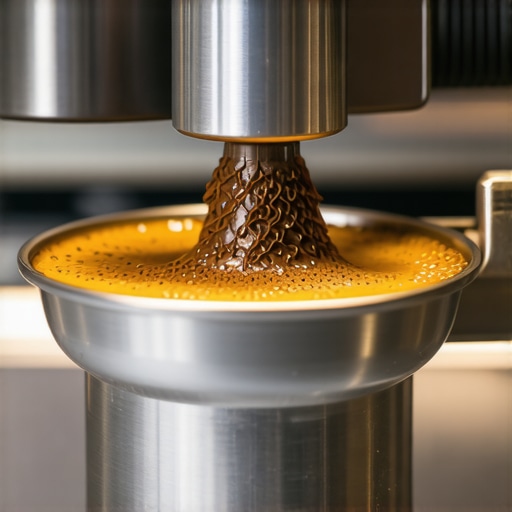
Dialling in Your Coffee with a Precise Scale
Invest in a quality coffee scale that measures grams and seconds accurately. Place your portafilter on the scale, tare it, then grind your coffee directly into the basket. Use the scale to measure your dose—most baristas aim for 18-20 grams depending on your machine. For the optimal extraction, record your shot time, usually 25-30 seconds. I once used a less precise scale and over- extracted, leading to bitter espresso. Upgrading to a dedicated barista scale allowed me to be consistent and improve rapidly.
Perfecting Your Tamper Technique
Choose a tamper with a handle that feels comfortable and a flat base that matches your basket size. Before tamping, distribute the coffee grounds evenly—tapping gently or using a distribution tool. Apply firm, even pressure straight down—think of tamping as stamping, not twisting. I once used an uneven tap, and my shots flowed inconsistently. After switching to a calibrated tamper, my consistency improved dramatically. For detailed tips, visit this resource to learn how proper tamping influences flavor.
Streamline Your Workflow with a Knock Box
Using a sturdy knock box makes discarding used grounds quick and hygienic. Keep it close to your grinder or espresso station. When your shot pulls, knock the puck out with a firm tap—avoid forcing it, as that can damage your portafilter or make cleanup messy. I once hurried without a knock box, leading to spilled grounds all over the counter. After switching to a reliable knock box like the best-in-class model, my process sped up, and cleaning became effortless.
Practicing and Perfecting Your Technique
Consistent practice with your accessories reinforces muscle memory. Set aside dedicated time to pull shots, paying close attention to the way you tamp, steam, and pour. Record your results—note variables like shot time, tamp pressure, and milk texture. Like me, you’ll find small adjustments make big differences over time. Remember, the goal is precision and flow—avoid rushing, and take the time to calibrate each step. For more detailed techniques, visit this comprehensive guide.When it comes to elevating your coffee game, many enthusiasts fall into common traps by oversimplifying the role of accessories like milk pitchers, coffee scales, knock boxes, and tampers.
Is Your Focus on Quality or Just the Hype? Think Again
While upgrading to reputed brands is often seen as the golden ticket, the real edge lies in understanding the nuances of maintenance and technique. For example, a high-end milk pitcher can only perform optimally if thoroughly cleaned, as residue buildup hampers microfoam quality—check out this maintenance guide. Additionally, many believe that the most expensive coffee scale guarantees precision, but without proper calibration and understanding of tare function, accuracy remains elusive.
Are You Using Your Tools to Their Full Potential? Maybe Not
Often, baristas focus on acquiring equipment but neglect mastering proper technique—tamping pressure, milk texturing, or shot timing. For instance, using a tamper with an improper handle design can cause uneven pressure distribution, affecting flavor extraction. A common myth is that the bigger the tamped puck, the better the shot; in reality, consistency and precise tamping are more critical, as supported by research from the Specialty Coffee Association.
Advanced Mistake to Dodge: Overreliance on Accessories
Another pitfall is depending too heavily on tools to fix technical flaws in your brewing process. A perfect scale won’t compensate for inconsistent grind size or uneven tamping. Mastering these variables through deliberate practice yields far better results than merely upgrading equipment.
What About the Small Details That Make BIG Differences?
Pay attention to accessories’ details—like a knock box’s material and placement—to streamline workflow, or the spout design of a milk pitcher for better pour control. For example, a well-designed knock box facilitates quick puck disposal without spillage, boosting efficiency during busy hours—see this strategy guide. Remember, nuances such as proper cleaning, calibration, and technique consistency often determine if your coffee truly reaches barista-level quality. So, before rushing to buy the latest gadget, ask yourself: are you leveraging your current equipment effectively? If not, a slight adjustment can lead to significant improvements. Want to dive deeper into mastering your tools? Explore this comprehensive guide. Have you ever fallen into this trap? Let me know in the comments.Maintaining your espresso accessories is essential for achieving reliable, high-quality results every time. I personally prioritize regular cleaning of my milk pitcher using a gentle brush and warm, soapy water, as outlined in this maintenance guide. For my coffee scale, I calibrate it monthly with certified weights to ensure precision—accurate measurements are crucial for every shot. When it comes to my knock box, I replace the rubber inserts annually to prevent stubborn coffee residue and ensure hygiene. Using a high-quality espresso tamper with a calibrated handle not only improves tamp consistency but also reduces wear over time, prolonging its lifespan. To keep your accessories performing optimally, establish a routine checklist: clean after each use, inspect for signs of wear, and replace parts as necessary. Trends suggest that smart cleaning devices and automated calibration tools are emerging, hinting at a future where maintenance becomes even more effortless. How do I maintain my equipment over time? By dedicating time each week to cleaning, inspecting, and calibrating—small habits that deliver big consistency. For example, regularly checking the calibration of your coffee scale with a certified weight can prevent errors that lead to over or under-extraction, which significantly affects flavor. Invest in a precision calibration weight, available from specialty suppliers, and schedule monthly verification sessions. As your skills grow, incorporating these disciplined maintenance routines ensures your tools support your espresso mastery, rather than hinder it. Remember, the longevity and performance of your gear directly impact your coffee quality, so treat each accessory as an investment in your craft. If you’re ready to elevate your maintenance game, I highly recommend trying out a dedicated calibration weight for your scale—precision is everything.
3 Surprising Truths I Discovered About Barista Accessories That Changed Everything
One of the most eye-opening lessons I learned was that investing in high-quality tools isn’t just about bragging rights; it’s about building a consistent and reliable brewing process. For example, maintaining my high-end coffee scale with regular calibration meant I could trust every measurement, leading to a noticeable boost in shot consistency. I realized that even the fanciest milk pitcher won’t deliver perfect microfoam if it’s neglected—simple regular cleaning makes all the difference. Also, I used to think that a premium tamper would automatically improve my espresso, but mastering proper tamping techniques proved more impactful than the tool itself. This journey taught me that technical mastery combined with well-maintained accessories creates the foundation for exceptional coffee every time.
My Toolbox for Coffee Confidence
Over the years, I’ve found that certain resources have been game-changers. The Ultimate Guide to Espresso Tamper and Milk Pitchers helped me choose tools that fit my style, ensuring better pours and latte art. Trusted brands like Baratza for scales have consistently delivered precision I can rely on, thanks to their robust calibration features. I also lean on forums and online communities, where experienced baristas share real-world tweaks and maintenance tips. These sources keep me motivated and informed, transforming my approach from trial-and-error to deliberate practice.
Your Coffee Journey Starts Now
Embracing the details of accessories and maintenance has been my secret to elevating my coffee game. Remember, the magic isn’t solely in the equipment—it’s in how you care for and use it diligently. Every small habit, like rinsing your milk pitcher after each use or calibrating your scale monthly, adds up to barista-level results. So, are you ready to take your coffee craft seriously and make those fine adjustments? Your perfect espresso is just a few mindful habits away. Share your favorite accessory or tip below—I’d love to hear how you’re leveling up your brewing!
,