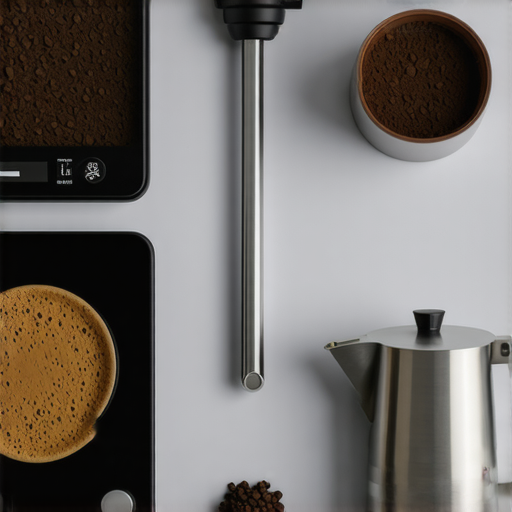
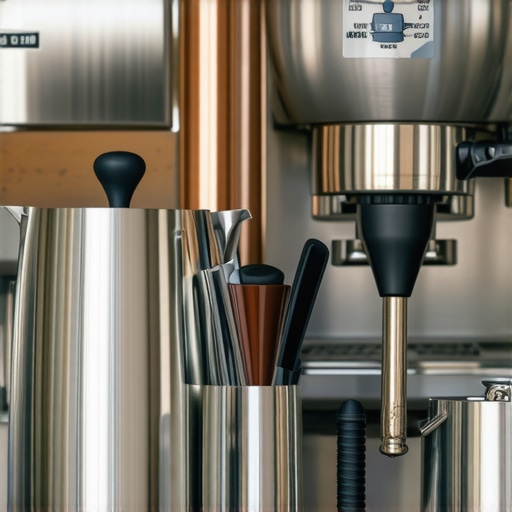
I remember the first time I tried to craft a perfect latte art, only to be met with a spilled milk pitcher and a stubborn, uneven tamper. It was a frustrating morning that made me realize something crucial: my tools weren’t just accessories—they’re the foundation of every beautiful pour and sip. That lightbulb moment pushed me to dive deeper into the world of barista gear, discovering how the right milk pitcher and tamper can transform your coffee experience.
Why Your Equipment Could Be Holding You Back
Most home baristas don’t realize that swapping out a cheap milk pitcher or neglecting the importance of a properly tamped shot can dramatically impact their coffee’s quality. I used to think it was all about the beans and technique, but I soon learned that even the best espresso machine can’t compensate for a wobbly tamper or an uneven pour. Investing in quality accessories has made a noticeable difference in my coffee’s consistency and presentation, and I bet it can do the same for you.
Is All That Fancy Gear Really Necessary?
Honestly, I once dismissed the hype around specialized accessories as unnecessary bling. My early mistake was brewing with a generic tamper and a flimsy pitcher, thinking they wouldn’t matter much in the long run. But I learned that specialized tools—like a perfectly weighted tamper and a well-designed milk pitcher—don’t just make the process easier; they elevate your entire coffee game. Want to see how upgrading your tools can improve your latte art? Check out some of the top barista tools tailored for this purpose.
To prevent falling into the trap of believing that any tool will do, I recommend paying attention to the details and choosing accessories designed for consistency and comfort. If you’re tired of inconsistent shots or messy pours, this is the place to start.
Ready to discover how the right tools can change your coffee routine? Let’s explore the key accessories that transformed my approach—and could do the same for you.
Choose the Right Tamper for Consistent Pressure
To achieve that silky, even espresso shot, start with a well-designed espresso tamper. When I first switched from a wobbly, lightweight tamper to a solid, stainless steel one, my tamping became more uniform, leading to better extraction. Place your tamper flat on the coffee bed, apply steady downward pressure, and avoid twisting. Think of it like pressing a pancake: even pressure across the surface ensures overall perfection.
Perfect Your Milk Pour Technique with a Quality Pitcher
Select a milk pitcher with the right spout for latte art. I recommend a 12-20 oz pitcher with a narrow tip—helpful for controlling the flow. When I practiced my pour, I focused on extending my arm in a steady motion and pouring from slightly above the cup, like a slow waterfall. This method prevents splashes and creates consistent microfoam that makes latte art pop. Regularly clean and maintain your pitcher; a build-up of milk residue disrupts the pour and can ruin your art. Check out this guide for maintenance tips.
Get Precise Measurements with a Coffee Scale
Using a coffee scale might seem like overkill, but it’s essential for consistency. I once eyeballed my dose, leading to varying shot strengths. Once I shifted to a digital scale with a timer, I started weighing my dose (around 18-20 grams) and ensuring extraction times of 25-30 seconds. This way, every shot tastes the same, and every pour is balanced. Place your cup on the scale during extraction and note the weight loss; this ensures accurate brew ratios and flavor extraction. Remember, precision in measurement translates directly to quality in taste—no guesswork needed.
Optimize Your Workflow with a Knock Box
A good knock box keeps your station tidy and speeds up prep. After pulling a shot, I tap the used puck into the knock box, freeing the portafilter swiftly. A sturdy, non-slip box saves time and reduces mess, especially during busy mornings. When I adopted a metal knock box with a spring-loaded arm, cleanup was faster and quieter. It’s like having a dedicated trash can for coffee grounds—so crucial for maintaining efficiency and cleanliness. Keep it close to your espresso machine; moving around wastes precious seconds during your rush. A well-maintained, regularly emptied knock box streamlines your espresso routine and keeps mood high.
By meticulously selecting and maintaining these tools—the tamper, milk pitcher, scale, and knock box—you’ll notice a remarkable difference in your espresso quality and workflow. Every step brings you closer to consistent, professional-level drinks, turning coffee from a routine into a craft.
Many coffee enthusiasts assume that investing in high-end equipment like a digital coffee scale or a precision espresso tamper guarantees perfect results every time. However, they often overlook subtle nuances that make a significant difference. For instance, the myth that any scale will do can lead to inconsistent shots if you don’t choose one with smooth operation and proper calibration. Similarly, many believe a generic tamper suffices, but in reality, a poorly weighted or wobbly tamper complicates even the most advanced technique. These are advanced mistakes that many make in pursuit of perfection.
Why do some baristas fail despite using top-tier tools?
The answer lies in understanding tool nuances. For example, a milk pitcher that isn’t properly maintained or a scale with inconsistent readings can sabotage even the best brewing technique. More subtly, the choice of a barista accessory like a knock box’s material or the spout shape of the pitcher influences workflow and latte art quality. The key is understanding that every tool’s nuance affects your espresso and foam—it’s not just about having good equipment but choosing the right one for your specific routine.
In fact, research indicates that even a minor mismatch in tamping pressure or scale calibration can lead to flavor inconsistencies, as demonstrated by expert baristas in industry studies. Making sure your tools match your skill level and workflow is crucial, and neglecting this can cause common errors such as uneven tamping or over/under-dosing. For example, a scale should be responsive and able to handle small weight changes with precision; otherwise, it may mislead your doses. Similarly, a wobbly tamper can create uneven puck density, sabotaging extraction.
Ultimately, mastering these nuances takes experience and understanding that the smallest details matter. Improving your technique involves not just better training but also investing in tools thoughtfully suited to your needs. Check out some must-have barista accessories that elevate your routine. Remember, a little extra knowledge can turn good coffee into great coffee. Have you ever fallen into this trap? Let me know in the comments.
Investing in high-quality barista accessories is only half the battle; maintaining them over time ensures your coffee routine remains flawless. Regularly cleaning your milk pitcher prevents milk residue buildup that can disrupt microfoam quality, which is crucial for latte art. Similarly, your coffee scale requires periodic calibration to maintain accuracy, ensuring consistent shot weights and extraction times. For your scale, a simple routine of zeroing before each session keeps measurements reliable. The espresso tamper should be checked for wear and replaced if wobbling arises to maintain uniform tamping pressure. A worn tamper compromises extraction consistency; replacing it preserves shot quality. Proper upkeep extends the life of your tools and preserves their precision, ultimately saving you money and frustration over time.
How do I maintain my barista equipment to ensure longevity?
Establish a cleaning routine tailored to each piece: scrub your milk pitcher after every use, calibrate your scale weekly, and inspect your tamper for wear. Using brushes and cleaning agents suitable for each material prevents microbial growth and preserves performance. Additionally, storing tools in a dry, dust-free environment shields them from corrosion and damage. Following manufacturer recommendations for maintenance ingredients and procedures extends their functional lifespan and guarantees continued precision. Paying attention to these details transforms maintenance from a chore into a routine that pays dividends in coffee quality.
Why staying on top of maintenance can future-proof your setup
As technology and craftsmanship evolve, keeping your tools in prime condition positions you to adopt new techniques and equipment more seamlessly. Regularly calibrated scales and well-maintained accessories allow you to experiment with new brewing parameters confidently, knowing your tools won’t limit your progress. A detailed maintenance schedule also minimizes unexpected breakdowns, saving time and money in repairs or replacements. Moreover, showcasing immaculate tools can inspire confidence when sharing your setup online or with guests, elevating your barista persona. Investing time in upkeep aligns with the trend toward precision craftsmanship, a hallmark of the next generation of coffee aficionados.
If you haven’t already, try incorporating a weekly calibration check for your coffee scale. A simple zeroing and visual inspection can dramatically improve your shot consistency. Remember, advanced coffee brewing is as much about meticulous tool maintenance as it is about technique. For expert tips on tool care, consult industry resources like the barista accessory guide. Don’t let neglect undermine your efforts—implement a dedicated maintenance routine today and keep your coffee game sharp!
The Hardest Lesson I Learned About Coffee Tools
One of my biggest surprises was realizing how much subtle variation in tamping pressure or scale calibration could derail my shot consistency. Initially, I thought my technique alone dictated quality, but I discovered that even small discrepancies in my tools could introduce errors. This taught me to pay closer attention to calibration and tool maintenance, understanding that perfection is often in the details.
How Choosing the Right Equipment Accelerates Your Progress
Investing in a quality coffee scale or a properly weighted espresso tamper was a game-changer for me. These tools brought a level of precision that allowed me to experiment confidently, knowing my measurements and pressure were consistent. It’s like giving yourself a reliable map in a territory full of variables—performance becomes predictable and improvements accelerate.
A Simplest Change That Made Me Feel Like a Barista
Upgrading my knock box transformed my workflow. Instead of wasting seconds fiddling with a messy, wobbly container, I adopted a sturdy, spring-loaded box. Cleanup became faster, and I spent less energy worrying about mess, which allowed me to focus more on pouring the perfect latte art. Sometimes, it’s the smallest gear change that elevates your entire routine.
Why Precision and Maintenance Are Your Best Friends in Coffee Crafting
Investing in tools is just the first step—caring for them ensures long-term success. Regular cleaning of your milk pitcher, calibration of your scale, and inspection of your tamper are routines that keep your equipment performing at the highest level. Proper maintenance means consistent shots, flavorful extracts, and a confident barista in you who knows that their tools are reliable.
Make Yourself a Coffee Legend: Dive Deep, Keep Improving
Remember, the craft of coffee isn’t static. Each day offers an opportunity to refine your skills and improve your setup. These seemingly small adjustments—choosing better tools, maintaining them diligently—build towards mastery. I invite you to explore some must-have barista accessories that can push your coffee game even further. Think of this as your next step in transforming routine into artistry.
Your Turn to Elevate Your Coffee Game
Your equipment choices and maintenance routines are the secret weapons in brewing coffee that sings. Are you ready to give your tools the attention they deserve? Switching up one piece of gear or cleaning your scale more regularly could be the upgrade you need. What’s the first thing you’ll change today? Share your plans or experiences below; I’d love to hear your story!
.
Reading this post really resonated with me, especially the part about the significance of choosing the right tools. I used to underestimate how much equipment can influence the final result—until I invested in a good tamper and a quality milk pitcher. The difference in my latte art was night and day. I’ve also started using a digital scale, which helped me dial in my doses and timing for consistently better shots. For those just starting, do you find that upgrading your tools makes a noticeable difference early on, or does it take time to see the benefits? Personally, I think it’s a bit of both. Attention to detail in maintenance and technique often goes hand in hand. Would love to hear other experiences or tips on developing a better workflow with these accessories.