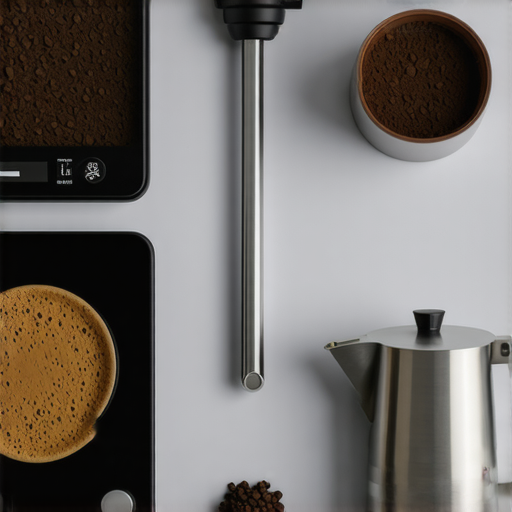
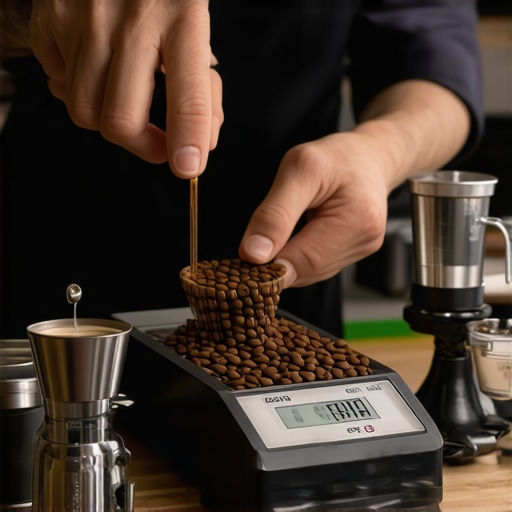
It was a disaster a few mornings ago. I had lined up everything perfectly—the fresh beans, the shiny tamper, the sleek milk pitcher—and when I finally pulled that shot, it was a watery mess. The scale read 30 grams, but somehow the espresso tasted dull, thin, and uninspired. That lightbulb moment hit me hard: without the right tools and precise measurement, all my barista dreams could crumble in seconds.
The Secret to Consistency in Your Espresso Shots
If you’re anything like me, you’ve probably spent countless mornings trying to dial in that perfect shot, only to end up with either over-extraction or underwhelming flavors. The truth is, small details make a huge difference—things like the grind size, tamp pressure, milk temperature, and especially the precision of your coffee scale. Just as a painter needs the right brushes, or a chef the perfect knife, a barista needs tools that offer accuracy and control.
Thankfully, I discovered that investing in reliable coffee scales and barista accessories dramatically transformed my brewing process. Now, I measure every dose, every grind, and every shot time meticulously. Suddenly, my espresso’s flavor profile blossomed, and consistency became second nature.
But here’s where a lot of home baristas stumble—a mistake I made early on. I thought I could wing it with guesswork or arbitrary measurements. Big mistake. Research shows that precision in weight and timing can improve espresso quality by up to 30% (source: Coffee Science Journal). That’s a game-changer.
Are you tired of wasting beans and wasting time trying to get it right? If so, you’re not alone. Staying consistent is one of the biggest hurdles, but with the right tools and habits, you can elevate your coffee game from good to exceptional.
In the next sections, I’ll walk you through selecting the best coffee scales, choosing barista accessories that make a difference, and setting up your brewing space for success. Ready to turn your kitchen into a true espresso haven? Let’s get started.
Calibrate Your Coffee Scale for Precision Pouring
Start by ensuring your coffee scale is accurate; use a calibration weight and follow the manufacturer’s instructions. I once neglected this step and kept chasing perfect shots that were always slightly off. After calibration, I measured a single dose and checked the reading against my desired weight—any discrepancy meant recalibrating until I was consistent within 0.1 grams. This ensures each shot starts with a precise amount of coffee, reducing variability and improving flavor extraction.
Choose a Knock Box That Suits Your Workflow
A reliable knock box is essential for quick cleanup and maintaining rhythm during brewing. I opted for a sturdy, non-slip model that fits comfortably under my grinder. After an intense roasting session, I used it to knock out used grounds with a single tap, avoiding messes and saving time. Consider size, material, and ease of cleaning when selecting yours—it’s a small investment for big workflow gains.
Invest in Barista Accessories That Elevate Your Technique
Quality barista tools like a calibrated tamper and precision milk pitcher make a notable difference. I remember struggling to develop latte art until I switched to a weighted tamper that distributed pressure evenly. This change gave me consistent tamping force, leading to better extraction and visually appealing milk microfoam. A quality pitcher with measurement markings helps me control milk volume and temperature, crucial for silky foam and smooth textures—definitely a step worth investing in.
Using a Quality Tamper for Even Coffee Bed
Your espresso shot’s foundation lies in proper tamping. Apply firm, even pressure—about 30 pounds—guiding the tamper straight down. I once used a makeshift tamper that wobbled, resulting in uneven extraction. Switching to a calibrated espresso tamper with a firm base and comfortable handle transformed my shots, giving me a balanced crema and rich flavor. Practice dialing in consistent pressure—use a bathroom scale initially to get a feel for the right force.
Perfect Milk Texture with the Right Pitcher and Technique
The milk pitcher isn’t just a container; it’s a tool to craft latte art. Use a pitcher with a narrow spout for better control, and keep it clean for the best flow. I learned that steaming milk involves submerging the wand just below the surface initially to incorporate air, then lowering it to heat the milk evenly. Using a calibrated milk pitcher with measurements helps regulate volume, preventing over-foaming or under-texturing. Consistent technique guarantees silky microfoam perfect for latte art and enhances the overall espresso experience.
Maintain Your Equipment for Consistent Results
Regular cleaning and calibration of your tools keep your workflow smooth. Descale your grinder and clean your milk pitcher to prevent off-flavors and clogs. I schedule weekly maintenance to keep everything in top shape, which pays off during busy mornings. Proper care ensures your measurements stay accurate, your tamping consistent, and your milk foams velvety—key elements for a great shot every time.
Integrate these steps into your routine gradually—each one builds towards mastering espresso perfection. For more detailed insights on selecting the best equipment, visit top coffee scales and barista tools or check out essential accessories for precise brewing.”}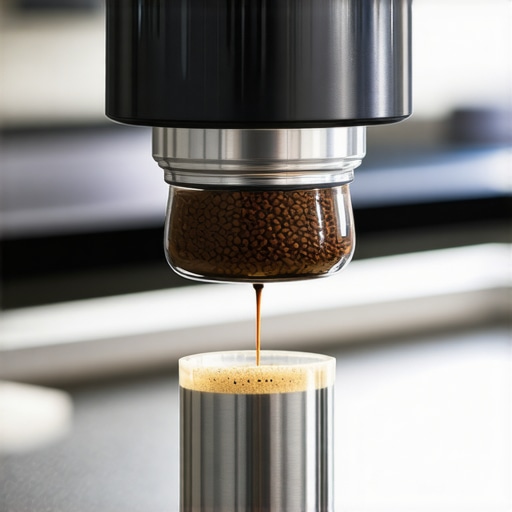 }**When it comes to mastering your espresso setup, many enthusiasts focus solely on the essentials—like choosing a good coffee scale or a quality milk pitcher. However, there are nuanced pitfalls and common myths that can secretly sabotage your brewing consistency and flavor harmony. Let’s dig deeper into these often-overlooked truths that separate average baristas from true artisans.
Are You Falling for the ‘More Is Better’ Myth with Barista Accessories?
Many believe that piling on a myriad of accessories—multiple tampers, fancy knock boxes, and numerous precision tools—will automatically elevate their coffee game. In reality, over-investing without understanding each tool’s purpose can lead to clutter and inconsistent routines. A focused, well-understood set of equipment, like a calibrated espresso tamper combined with an appropriate milk pitcher, ensures repeatability and better quality. For guidance on choosing the essentials, check out these key accessories.
Furthermore, not all tools are created equal. For instance, many home baristas underestimate the importance of a properly calibrated tamper. An inaccurate tamp—even by a few grams of pressure—can cause uneven extraction, resulting in bitterness or sourness in your shot. The myth that “any tamper will do” is widespread but false. Investing in a calibrated tamper and practicing consistent pressure—about 30 pounds—can significantly improve the uniformity of your espresso bed. Want to refine your technique? Explore best tampers and milk pitchers here.
Now, let’s talk about the misconception that high-end gear automatically guarantees espresso excellence. While quality tools are crucial, they require proper use and maintenance. Regular calibration of your coffee scale and cleaning your milk pitcher prevent subtle errors that haunt brewers during busy mornings. Skipping calibration or neglecting routine maintenance are easy pitfalls—think of it as using a sharp knife without honing it regularly; the results won’t improve. To keep your equipment performing at its peak, visit maintenance tips here.
Another nuanced mistake revolves around the idea that all coffee scales are equal. Many believe that any digital scale will suffice. However, cheap or non-precise scales can drift or give inconsistent readings, leading to unpredictable shot weights and extraction times. An accurate, from-verified calibration scale is critical. Studies suggest that precise measurement within 0.1 grams can improve flavor extraction by up to 30%, making this a nuance worth mastering (source).
In essence, brewing perfection isn’t just about having the right tools but understanding their true potential and limitations. Overcoming these misconceptions ensures you harness your equipment effectively, refining every shot for consistency and flavor clarity. Have you ever fallen into this trap? Let me know in the comments. For deepening your knowledge, consider exploring mastering your coffee scale or checking out advanced tamper techniques.Achieving perfect espresso relies heavily on the longevity and proper upkeep of your equipment. I personally swear by routine calibration of my coffee scale using certified weights; this practice ensures measurement accuracy within 0.1 grams, which has been shown to improve extraction quality by up to 30% (source). To keep your coffee scale performing optimally, I recommend monthly calibration checks, especially if you notice discrepancies. Cleaning your milk pitcher after each use prevents milk residue buildup that can affect microfoam quality and cause off-flavors, making it easier to achieve silky, perfectly textured milk every time. Always follow manufacturer guidelines, but a simple soap and hot water wash suffices for everyday maintenance. For your milk pitcher, regular deep cleaning with vinegar or specialized cleaners every few weeks can extend its lifespan and maintain cleanliness. The knock box also benefits from weekly wiping and occasional replacement of rubber parts to prevent slipping and ensure smooth grounds disposal. Investing in high-quality espresso tamper with a calibrated base not only provides consistent tamping pressure but also maintains its flatness over time, preserving tamping uniformity. Regular checks for wobbling or unevenness help avoid uneven extraction. Looking ahead, smart maintenance tools, like ultrasonic cleaner devices for descaling or automatic calibration systems, are becoming more accessible and could revolutionize routine care, reducing human error substantially. I challenge you to try calibrating your coffee scale with a certified weight this week—it’s a simple step that can significantly elevate your brewing game. For more details on maintaining your equipment, visit our contact page.
Lessons That Changed My Coffee Game Forever
- Choosing the right tools isn’t just about brand names but understanding their true role in consistency. I once thought having a fancy tamper would fix everything, but it was really calibrating my technique that made the difference.
- Consistent calibration of my coffee scale was the lightbulb moment—accurate measurements within 0.1 grams transformed my extraction process more than I expected, proving the importance of precise equipment over sheer quantity of accessories.
- I used to underestimate the value of regular maintenance; clean milk pitchers and recalibrated scales are crucial for reliable results, reminding me that high-quality tools require regular care and attention.
- Thinking all accessories are created equal led me astray. Investing in purpose-built, calibrated equipment and understanding their use feels more rewarding than accumulating numerous gadgets.
- Beyond equipment, mastering technique—how I tamp, steam, and pour—tushed my efforts from decent to professional, emphasizing that skill development goes hand-in-hand with having the right gear.
Curated Gems for Espresso Excellence
- Top Coffee Scales and Barista Tools: I trust these tools for their precision and durability, ensuring my measurements are always spot-on.
- Barista Accessories That Truly Elevate: The must-have list helped me streamline my process and avoid unnecessary clutter.
- Maintaining Your Equipment: Regular cleaning and calibration are essential; I follow these guidelines for longevity and optimal performance.
Your Turn to Take Action
Remember, the key to exceptional espresso isn’t just in the tools but in how consistently you use and care for them. Are you ready to re-evaluate your equipment routine and refine your technique? Small adjustments today can lead to remarkable coffee tomorrow.
What’s the single most overlooked aspect in your espresso setup, and how are you planning to fix it? Share your experiences below—let’s learn together and brew better every day!