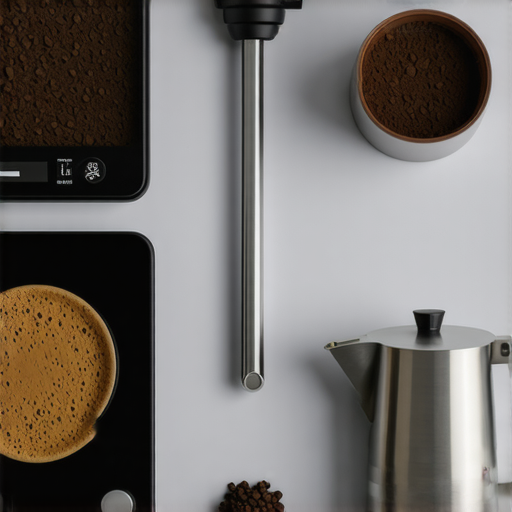
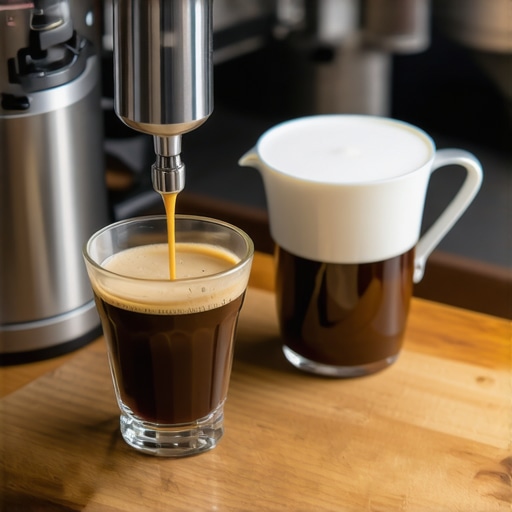
I remember the morning I finally got it right—my latte art looked almost professional. But honestly, it was more luck than skill at that point. Earlier, I had wasted so many milk pitchers and tampered with my espresso tamper, wondering why my attempts kept turning out less than picture-perfect. The turning point came when I realized that the tools I used—especially my milk pitcher and tamper—weren’t just accessories; they were essential to shaping beautiful coffee art. If you’ve ever felt frustrated because your foam doesn’t swirl into that silky leaf or rosetta, you’re not alone. Trust me, I’ve been there.
How a Tiny Adjustment Can Transform Your Coffee Creations
When I first started, I underestimated the power of the right espresso tamper and milk pitcher. I thought, “As long as I tamp firmly and pour the milk, it’ll look fine.” But small nuances in the shape, weight, and even the material of these tools can make or break your latte art. After upgrading to high-quality options, I noticed my pours became more consistent and my foam smoother. It’s surprising how much difference a good coffee scale and a well-balanced tamper can make, especially when aiming for those perfect shots and designs.
Could Your Equipment Be Holding You Back?
Here’s a little truth I wish I knew earlier: using cheap, poorly designed tools is a common mistake that hampers progress. Early on, I relied on a subpar tamper that didn’t give me consistent pressure, leading to uneven extraction and dull-looking art. Learning to choose the best tamper and milk pitcher for my brewing style was a game-changer. If this sounds familiar, know that making these upgrades can dramatically improve your results.
So, are you facing struggles with achieving that flawless coffee art? Let’s delve into why the right tools are your secret weapon for elevating your barista game.
Pick the Right Milk Pitcher for Silky Foam
Choosing a milk pitcher is like selecting a paintbrush—size, shape, and material all influence your ability to create intricate latte art. Opt for a pitcher with a narrow spout and a sturdy handle; these features give you better control during pouring. I once switched from a large, flimsy pitcher to a smaller, stainless-steel one, and immediately noticed an improvement in my foam’s texture and my pouring precision. To see how your choice affects your pour, experiment with different shapes and sizes—remember, a good milk pitcher can elevate your latte art game significantly.
Calibrate Your Coffee Scale for Consistent Shots
Accurate measurement is critical in espresso-making, directly impacting the quality of your coffee art. I once neglected to use a proper coffee scale and ended up with uneven shots that ruined my preliminary designs. Invest in a high-quality, tare-accurate scale, and develop a habit of weighing your coffee grounds before tamping. This micro-adjustment ensures consistency every time, helping you anticipate how much foam you’ll need for a flawless pour.
Master the Art of Tamp Pressure
The tamping process shapes the foundation of your espresso shot. Applying too little pressure results in weak extraction, while too much creates an over-compact shot with dull crema. I learned to apply consistent, firm pressure—about 30 pounds—by practicing with a bathroom scale. Recognize that the espresso tamper you choose should fit comfortably in your hand and have a flat base to distribute pressure evenly. Regularly maintaining your tamper’s flatness and cleanliness ensures optimal contact with your coffee puck, leading to better extraction and cleaner latte art.
Streamline Your Workflow with a Knock Box
Speed and organization influence a barista’s ability to produce consistent art. My first knock box was a cluttered mess, slowing down my process. Upgrading to a sturdy, easy-to-clean knock box allowed me to quickly discard used puck and move on without breaking rhythm. Position it within arm’s reach to minimize movement, and develop a routine for cleaning and emptying it—this keeps your workspace efficient and focuses on your pouring skills instead of tool management.
Refine Your Technique Through Practice and Feedback
The best tools won’t help if your technique isn’t sharp. I recommend recording your pours, analyzing the motion, and adjusting your hand angles and pouring speed. Small improvements, like slowing your pour to allow the foam to settle, can make a big difference. Consider seeking feedback from fellow baristas or participating in online coffee communities, where constructive criticism can accelerate your learning curve. Remember, mastery comes through consistent practice, fine-tuning your equipment setup, and understanding the core principles of espresso and milk harmony.
By integrating these concrete steps—choosing the right tools, calibrating your measurements, applying proper tamping pressure, organizing your workflow, and practicing intentionally—you’ll notice a significant leap in your latte art quality. Keep experimenting, stay patient, and let your confidence grow with each perfectly poured cup.
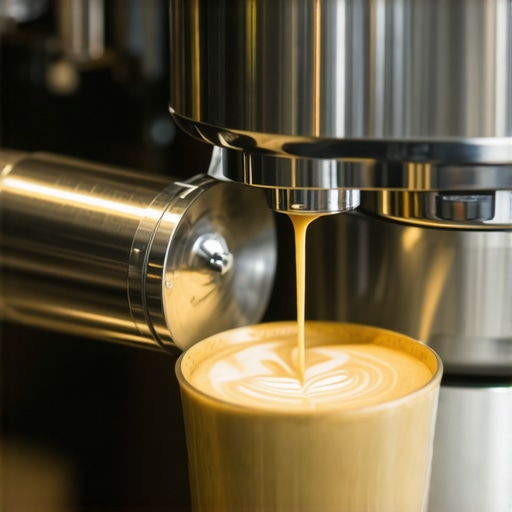
Many coffee enthusiasts believe that selecting the right coffee scale or a stylish espresso tamper is enough to elevate their brewing game. However, this mindset often overlooks the subtle yet impactful nuances that distinguish a good tool from a truly exceptional one. Let’s dig deeper into what most people get wrong about these essential accessories and how mastering these details can make all the difference.
Don’t Fall Into the Precision Trap
It’s common to think that simply measuring your coffee grounds with a coffee scale guarantees perfect shots. But the real nuance lies in calibration. Many scales claim high accuracy, yet their tare function might be inconsistent, leading to minute measurement errors over time. Regularly calibrating your scale against a known weight ensures your measurements remain reliable, preventing subtle deviations that compound with each shot. Neglecting this detail can cause your extraction variables to drift, affecting everything from crema quality to flavor balance. For advanced baristas, understanding how to fine-tune your scale’s precision is crucial—not just to get consistent results, but to push the boundaries of espresso excellence.
Want to ensure your scale stays accurate? Check out this comprehensive guide on mastering coffee scales and keep your measurements sharp.
Mastering the Art of Fatigue-Free Tamping
Many believe that the right espresso tamper is defined solely by its weight or the material—stainless steel versus aluminum, for example. But the subtlety that often goes unnoticed is ergonomic design. An ergonomically optimized tamper reduces the strain on your wrist during repetitive tamping, leading to more consistent pressure application over time. If your tamping feels tiring or uneven, it might not just be about strength but about choosing a tool that fits your hand perfectly. This can significantly improve shot consistency and, consequently, your latte art outcomes. Remember, even the slightest variation in tamp pressure can alter extraction and foam texture. Advanced baristas pay close attention to these ergonomic details to refine their craft.
Looking for a tamper that minimizes fatigue? This expert-approved list of tampers will help you pick the right one tailored to your hand size and tamping technique.
Why Many Skip the Maintenance and How It Affects Quality
A surprising oversight among baristas is neglecting the maintenance of their milk pitchers and other accessories. Over time, mineral buildup and corrosion diminish their performance, impacting foam quality and precision pouring. A common mistake is using abrasive cleaners that damage the surface, creating micro-scratches where bacteria and residue can hide. Instead, regular cleaning with gentle brushes and proper maintenance routines prolong tool life and ensure consistent results. For instance, a neglected milk pitcher can develop microscopic deformations, affecting the flow and spray pattern—spoiling latte art. Advanced baristas understand that a well-maintained tool is a cornerstone of top-tier coffee making and dedicate time to routine upkeep.
For a detailed maintenance schedule, visit this maintenance guide—trust me, your future self will thank you.
So, are you aware of the little technical nuances that can make or break your coffee experience? The details—like proper calibration, ergonomic design, and maintenance—are where mastery begins. Drop a comment if you’ve ever fallen into this trap or discovered a hidden hack that transformed your workflow. Remember, perfecting your tools isn’t just about equipment—it’s about elevating your craft to an art form.Maintaining your barista toolkit in top condition is essential for consistent, high-quality coffee. Start by regularly calibrating your coffee scale with known weights to ensure precision in every shot. Invest in a high-quality, moisture-resistant cleaning brush for your milk pitcher to prevent mineral buildup and corrosion, which can subtly affect foam texture and flow. Use a dedicated cleaning schedule, including gentle detergents and soft cloths, to prolong the lifespan of your barista accessories, and always dry them thoroughly to prevent rust or microbial growth.
How Do I Keep My Equipment Running Smoothly Over Time
Regular inspection of your espresso tamper for flatness and the knock box for secure fit ensures optimal performance. Consider using protective sleeves or mats for your barista tools during off-hours, especially if your workspace is prone to dust or temperature fluctuations. Additionally, investing in maintenance kits, such as descaling solutions for espresso machines and lubricants for moving parts, can prevent costly repairs down the line. Experts recommend consulting dedicated professional advice periodically to ensure your setup remains optimal. I personally find that dedicating just 10 minutes weekly to these routines drastically reduces equipment failure and keeps my workflow seamless. Expect these practices to become second nature, allowing your focus to stay on perfecting each pour rather than troubleshooting gear. Going forward, as technology advances, anticipate integrated smart sensors and app notifications that will monitor your tools’ health in real-time, making maintenance even more intuitive. Now’s a good time to experiment with incorporating a simple schedule for regular upkeep—try setting weekly reminders for calibration and cleaning to keep your tools at peak performance.
What the Pros Won’t Tell You About Your Coffee Gear
One of my biggest lightbulb moments came when I realized that even the most reputable coffee scale can become unreliable if not periodically calibrated. It’s easy to assume that quality equipment will stay perfect forever, but subtle drift can throw off your measurements, affecting flavor and presentation. Regular calibration against certified weights is a game-changer that separates average brewers from true artisans. Trust me, that tiny effort yields big results in consistency and confidence.
Another little-known insight involved my espresso tamper. When I chose a model with ergonomic design, my tamping became less tiring, more precise, and my shots more uniform. It’s not just about weight; your grip and wrist comfort are vital for the consistency every barista strives for. Small ergonomic tweaks can drastically improve your results and reduce fatigue during those long brewing sessions.
Also, neglecting routine maintenance on my milk pitchers and other accessories led to micro-scratches and mineral buildup, subtly hampering my foam quality. Simple, regular cleaning routines with the right tools can make your equipment last longer and perform better—don’t overlook this vital step. Over time, these small upkeep efforts translate into big leaps in your espresso quality and latte art finesse.
Why Small Details Make the Biggest Difference in Your Coffee Craft
Choosing the right milk pitcher isn’t just about aesthetics—it’s about control. A narrower spout and the right material, like stainless steel, help you pour more precisely and create intricate latte art effortlessly. Upgrading my pitcher transformed my pouring ability almost overnight, demonstrating that small equipment enhancements can unlock new creative potential. Play around with different shapes and sizes—what feels intuitive to you might be the secret weapon for your signature designs.
Similarly, understanding your coffee scale isn’t just about hitting numbers. It’s about mastery—learning to calibrate it regularly and weigh your grounds ensures every shot is consistent and reliable. This micro-precision impacts everything from shot flavor to foam texture, making you more confident in your process and your artistry. Remember: precision is an investment, and your future self will thank you for it.
Finally, honing your tamping technique—with a comfortable, well-designed tamper that fits your hand—can mean the difference between a good shot and a great one. Applying uniform pressure ensures even extraction, which translates into better flavor and stunning latte art. Small ergonomic considerations can make a big impact on your consistency and stamina, especially during busy mornings.
Take Control and Elevate Your Coffee Journey
Embrace these hidden aspects of your barista tools—regular calibration, ergonomic choices, diligent maintenance—and watch your craft elevate to new heights. Your skills will improve not just because of your efforts, but because of the quality and reliability of your tools. Remember, mastering the details is what transforms good coffee into exceptional art. Keep pushing your boundaries, and never underestimate the power of small, deliberate improvements in your brewing arsenal. Your perfect latte art awaits—go get it!
Reading this brought back my own early struggles with latte art. I used to rely on generic, inexpensive pitchers and tampers, which often led to uneven shots and inconsistent foam textures. Upgrading to a more ergonomically designed tamper and a narrow, stainless steel pitcher really changed my game. I found that these small adjustments made pouring much more controlled, which improved my designs significantly. Sometimes, I wonder how many other baristas overlook these subtle yet impactful tool choices, focusing only on technique. Have others experienced similar leaps in quality after selecting tools that fit their hand ergonomics or pouring style? Also, I’ve noticed that regular maintenance and calibration—like cleaning my milk pitcher and checking my scale—prevent a lot of issues. It’s interesting how minor routines can preserve tool performance and flavor consistency over time. I’m curious—what are some overlooked maintenance steps that have made a big difference for others here?