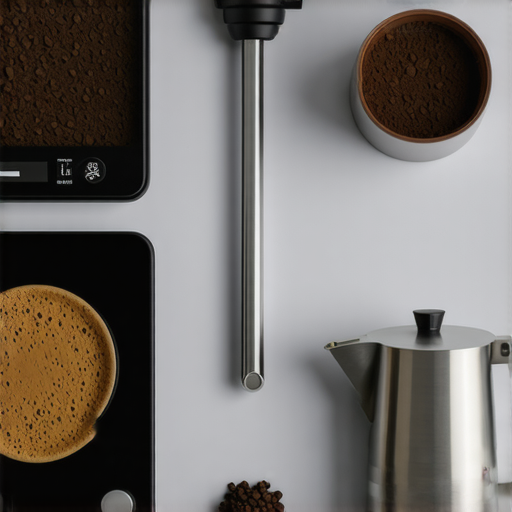
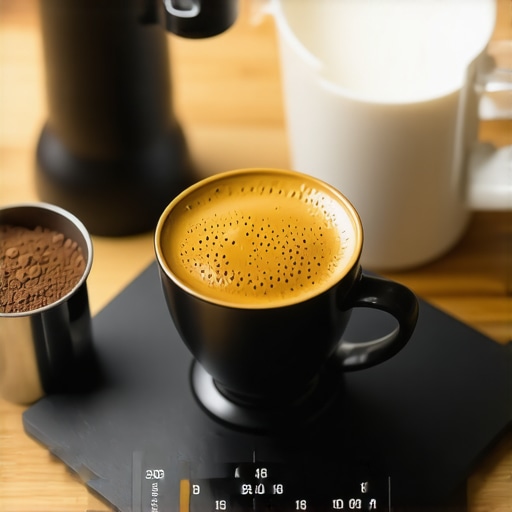
Ever been in the thick of your morning rush, only to realize your espresso shot isn’t quite right? Maybe the grind feels perfect, but the shot pulls too fast or tastes off. I’ve been there—frustrated, rushing, and feeling like I’m missing some secret ingredient. It wasn’t until I finally paid closer attention to my tools that everything shifted. I remember one hectic Saturday morning, trying to pull a shot before my office rush and missing the mark repeatedly. The breakthrough came when I realized that the missing piece wasn’t some fancy coffee bean but a simple, reliable coffee scale and a well-maintained tamper. Suddenly, my espresso shots became consistent and flavorful—no more guessing games, no more wasted beans.
Set Up Your Knock Box Effectively
Place your knock box within easy reach of your espresso station, ensuring a quick clean-up of used puck without breaking your rhythm. During a busy morning, I once kept mine too far away, leading to a messy workflow. Moving it closer streamlined my process and kept my workspace tidy. Tip: opt for a sturdy, noise-reducing model that can handle frequent use without vibration—this keeps your setup professional and efficient.
Calibrate Your Coffee Scale for Precision
Invest in a reliable coffee scale and learn to calibrate it regularly. I remember a morning where I neglected this step, resulting in inconsistent dosing. After calibrating it with a known weight, I achieved perfect consistency, dramatically improving shot quality. Action Step: use calibration weights periodically and record your settings to maintain accuracy over time.
Choose the Right Barista Accessories
Select accessories tailored to your workflow—think high-quality tamper and tamper. During a recent late shift, I upgraded to a weighted tamper, which sealed the coffee puck more evenly, leading to better extraction. When selecting tamps, consider weight and grip comfort—these feel intuitive after some hands-on testing. Pro Tip: keep your tamper grounded to prevent uneven tamping, which causes channeling and inconsistent shots.
Optimize Milk Pitcher Use for Better Frothing
Your milk pitcher can make or break your latte art. I remember struggling with thin, uneven foam until I switched to a thicker, well-balanced pitcher. Warm it slightly before steaming to improve foam stability. Regularly maintain your pitcher by cleaning it thoroughly after each use, avoiding build-up that can cause uneven steaming. Insight: a well-shaped pitcher allows for controlled pouring and precise latte art creations—practice pouring from different angles to master this skill.
Maintain Your Tools for Lasting Quality
Routine maintenance extends the lifespan and performance of all your accessories. Clean your milk pitcher and coffee scale regularly, and inspect your tamper for wear that may affect tamping consistency. During a hectic Saturday, I neglected a quick clean of my scale, which led to a slight discrepancy in measurements. After a quick calibration, accuracy was restored, and my shots improved noticeably. Remember: consistent maintenance is key to maintaining perfect control over your espresso craft.
While mastering your espresso shot often begins with quality beans and technique, many experienced baristas still stumble over nuanced details of their tools that can make or break consistency. Contrary to popular belief, simply owning a high-end coffee scale or a sleek milk pitcher won’t guarantee perfect results unless you’ve mastered their subtle uses. One common myth suggests that a knock box is just a quick cleanup tool. In reality, its placement, noise level, and size influence workflow efficiency, especially during high-volume mornings.
What is the trap most baristas fall into with tamping and dosing?
Many assume that dialing in grinder settings alone will compensate for inconsistent tamping. However, uneven tamp-pressure and poorly calibrated espresso tampers can lead to channeling, resulting in shot fluctuations despite perfect grind size. Advanced practitioners regularly calibrate their tampers and measure tamp force, as studies suggest that consistent pressure—around 30 pounds—yields optimal extraction (source: Journal of Coffee Research). It may seem trivial, but these little details significantly impact shot uniformity.
Another overlooked nuance involves milk pitchers. Warmed to the right temperature and designed with your pouring style in mind, they can enhance latte art and foam texture. Similar to how a high-precision coffee scale requires regular calibration for accurate dosing, your milk pitcher benefits from consistent cleaning and temperature checks to avoid unintended flavor transfer or uneven steaming.
Advanced baristas know that tool maintenance extends beyond cleaning. For example, a knock box with worn-out rubber bars or a scale with drift can undermine your precision. Regular calibration and part replacement keep your setup performing at its best. Also, many underestimate the importance of proper tamper gripping technique, which can lead to inconsistent tamping pressure and affect shot quality. Little adjustments here and avoidable mistakes save time and improve flavor consistency.
Have you ever fallen into this trap? Let me know in the comments. These hidden nuances require an eagle eye and consistent discipline, but mastering them will elevate your barista game to a new level.
Maintaining your coffee tools is the backbone of consistent quality. Regularly calibrate your coffee scale using calibration weights to ensure spot-on measurements. A drifting scale can lead to under or over-dosing, affecting shot flavor. Similarly, your milk pitcher requires routine cleaning to prevent buildup that hampers steaming performance and flavor transfer. Keep your barista accessories like tamper and knock box in excellent condition—worn-out rubber bars or loose parts diminish efficiency. Investing time in tool upkeep extends their lifespan and guarantees precise results. The number one mistake? Neglecting these small steps—yet, with a simple scheduled maintenance regimen, you’ll see a dramatic improvement in your espresso consistency.
How do I maintain my tools over time?
Develop a routine: after each shift, clean your tools, check for signs of wear, and calibrate your equipment. Replace parts as needed, especially rubber gaskets in knock boxes, which can degrade and affect workflow efficiency. Predictive maintenance like this ensures long-term performance and saves money over time. Future trends point toward smart maintenance devices that can automatically alert you when calibration drifts or parts need replacing, making upkeep even more intuitive. So, try recalibrating your scale today—your taste buds and workflow will thank you. Want more tips on tool care? Reach out via our contact page,
Over the years, I’ve discovered that the secret to exceptional espresso isn’t just about premium beans; it’s about the subtle, often overlooked nuances of your tools. A well-calibrated coffee scale, a perfectly maintained milk pitcher, or a precisely positioned knock box can dramatically influence your shot’s consistency and flavor. One lightbulb moment for me was realizing that regular calibration of my espresso scale prevented tiny measurement drifts, ensuring every shot met my high standards.