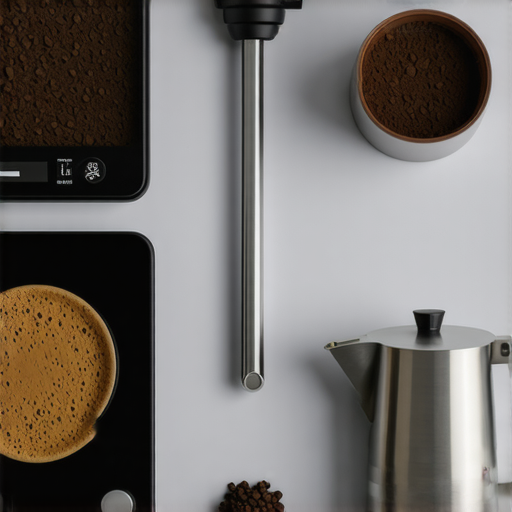
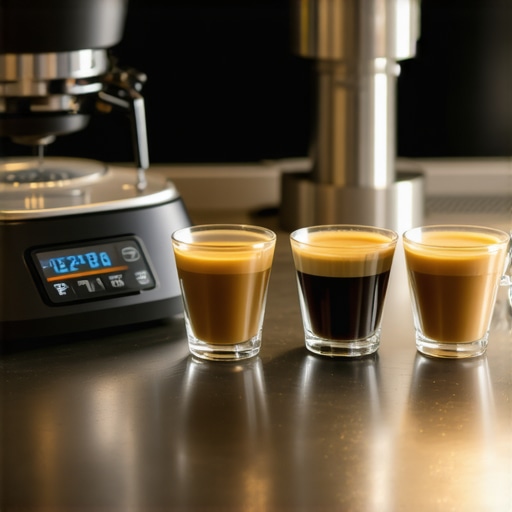
I used to joke that my espresso shots were more guesswork than science. No matter how carefully I tamped or how much I trusted my old scale, the espresso in my cup would sometimes be a disappointment—either too bitter, too sour, or just lacking that perfect crema. One morning, after wasting an entire batch of beans trying to get my shot right, I finally had that lightbulb moment. It wasn’t the grind size or the tamp pressure alone; my tools and setup were holding me back. That frustration turned into curiosity, and I started exploring top coffee scales and espresso tamps, realizing they held the key to consistency and excellence.
Getting a Grip on Coffee Precision
It’s incredible how small tweaks in your barista setup can make a world of difference. The right coffee scale isn’t just about measuring grams; it’s about precision, repeatability, and trust. Likewise, an espresso tamper that fits perfectly and delivers even pressure helps extract those vibrant flavors we all crave. I’ve learned that making small investments in quality accessories transforms your morning ritual from a gamble to a science—and suddenly, each shot becomes a reliable display of your skills.
Are you tired of inconsistent espresso shots despite following all the usual tips? Do you feel like your tools might be sabotaging your efforts? If so, you’re not alone. Many fellow coffee enthusiasts discover that upgrading to the best barista accessories, like top coffee scales and ergonomic tampers, is a game-changer. And yes, I’ve been there—the mistake I made early on was ignoring the critical role of proper tools, thinking technique alone would carry the magic. Trust me, it’s a recipe for frustration.
According to a recent study by the Specialty Coffee Association, precision in measurement and tamping significantly elevates the quality of espresso shots, reducing variability and improving overall flavor profiles. That data backed up what I was beginning to realize through my own experience. So, if you’re still relying on gut feeling or old, worn equipment, it might be time to reconsider your gear.
In this post, I’ll walk you through practical steps to select and fine-tune your coffee tools—specifically focusing on how to choose the perfect coffee scale, espresso tamper, and other essential accessories—so you can turn every shot into a masterpiece. Ready to take the leap? Let’s dive in.
Selecting the Right Coffee Scale
Start by choosing a high-precision coffee scale. Look for one with 0.1-gram accuracy to ensure consistent measurements. Remember, the goal is to eliminate guesswork. I remember my first upgrade—switching from a generic kitchen scale to a dedicated barista scale—immediately improved my shot consistency. For optimal results, view options here: best coffee scales for espresso in 2024.
Calibrate and Tare Correctly
Always calibrate your scale before use and tare it to zero after placing your portafilter. It’s a small step but crucial for accurate dosing. I once neglected to tare my scale, causing inconsistent tamping weight, which led to uneven extraction. Consistent measurements are the backbone of great espresso. For tips on maintenance, check this guide: maintaining your coffee tools.
Master the Art of Tamping
The tamper is your tool for even extraction. Think of it as stamping the perfect imprint—pressure, distribution, and consistency matter. Use a tamper that fits your portafilter basket—ideally, 58mm for most machines. Practice applying firm, even pressure with a controlled wrist movement. I once struggled to get even tamping until I started using an ergonomic tamper, which made the process both easier and more precise. Check out top-rated tampers here: best tampers for espresso.
Achieve Uniform Distribution
Before tamping, ensure coffee grounds are evenly distributed. Use a distribution tool or simply give the basket a gentle shake. This prevents channeling during extraction. I remember my early mistakes—my coffee bed was uneven, leading to a sour shot. When I started distributing grounds properly, my flavor profile improved dramatically. This little step can’t be overlooked. Find top accessories such as distribution tools here: barista tool kits for better coffee art.
Fine-tune Your Espresso Extraction
Monitor your shot parameters closely—velocity, volume, and timing. Use your scale to record grams extracted over a set time, adjusting grind size as needed. For example, I faced a bitter shot and realized I was over-extracting due to too fine a grind; adjusting a notch coarser brought balance. Consistency is about small tweaks and attentive observation. For guidance on maintaining your equipment, explore this resource: precise brewing tools.
Enhance Your Setup with Proper Accessories
Beyond tools, other accessories like a good knock box streamline your workflow and keep your setup tidy. Think of it as a quick recovery station—saving you time and effort. When I incorporated an ergonomic knock box, I reduced flicking beans everywhere and sped up my process. Remember, every small improvement adds up to a better espresso experience. Discover essential accessories here: best accessories for espresso.
Many coffee enthusiasts believe that owning a good espresso tamper or a precise coffee scale guarantees perfect shots every time. However, beyond the basics lies a realm of subtle pitfalls and misconceptions that even seasoned baristas can overlook. Let’s dig deeper into what most people get wrong about these tools and how mastering their nuances can elevate your brewing game.
Why Bigger Isn’t Always Better with Tampers
Contrary to popular belief, investing in the largest tamper or the heaviest one isn’t necessarily the secret to better extraction. The key lies in the fit and control. An oversized tamper that doesn’t match your basket size can cause uneven tamping, leading to channeling and inconsistent flavor. Ergonomic design and proper fit should take precedence over size or weight. Remember, an ill-fitting tamper can sabotage great beans, so choose accessories that align precisely with your equipment. Learn about optimal tamper choices here.
The Myth of the Perfect Scale
Many believe that a high-precision scale guarantees perfect dosing. But accuracy isn’t just about decimal points; calibration practices and response time are crucial. A common mistake is neglecting to recalibrate the scale regularly or using one with too slow a response, which hampers real-time adjustments. Investing in a quality, responsive scale is vital, but equally important is understanding how to calibrate and interpret readings correctly. Check out this guide on mastering coffee scales.
Fools’ Gold: The Perfect Milk Pitcher
While good milk pitchers are essential for latte art, many overlook the significance of their shape and pour spout design. A pitcher with a narrow, well-designed spout offers more control, enabling precise pouring rather than just speed. Additionally, material and thickness affect heat retention, impacting milk texture consistency. The common mistake is chasing novelty over functionality—be sure to select accessories proven for superior control and durability. Discover top options here: best milk pitchers and accessories.
The Trickiest Part: Accessories That Sabotage Momentum
It’s tempting to think that more gadgets equal better coffee. But cluttered setups with incompatible tools often lead to inefficiencies. For example, an improperly sized knock box can slow down workflow, especially during busy hours. Avoid the trap of accumulating accessories without considering how they integrate into your routine. A well-chosen knock box improves efficiency and cleanup, but only if it fits your space and style. Check top knock box strategies. Have you ever fallen into this trap? Let me know in the comments.Maintaining your coffee tools is crucial for consistent, high-quality espresso shots. One of my go-to strategies is investing in a high-quality coffee scale, like the [best coffee scales for espresso in 2024](https://coffeeaccessories.espressotechguide.com/best-coffee-scales-barista-accessories-for-precise-espresso-2024), because it provides reliable measurements and durability over time. Regular calibration—using a calibration weight or following the manufacturer’s instructions—ensures your scale remains accurate, which is fundamental for precise dosing. Applying a Tare function after placing your portafilter or grounds minimizes errors, maintaining measurement integrity amidst daily use.
Another critical component is your espresso tamper. I swear by ergonomic, well-fitted tampers because they reduce wrist fatigue and promote even pressure. To prevent uneven extraction, I keep a set of tampers for different baskets, ensuring perfect fit every time. Remember, tailor your tamper to your basket size—most shot quality issues stem from mismatched tampers.
The milk pitcher deserves attention beyond just pouring. I recommend selecting a pitcher with a well-designed spout for control, such as those recommended in the [ultimate guide to milk pitchers and espresso tamper accessories for better coffee art](https://coffeeaccessories.espressotechguide.com/ultimate-guide-to-milk-pitchers-and-espresso-tamper-accessories-for-better-coffee-art). Regularly cleaning and inspecting your pitcher prevents milk build-up and residue, which can affect the texture and taste of your milk.
For workflow efficiency, a sturdy knock box is invaluable. The [top knock box strategies](https://coffeeaccessories.espressotechguide.com/best-knock-box-strategies-to-speed-up-your-coffee-rush-evening) not only speed up cleanup but also protect your equipment from damage. I recommend models made from stainless steel with a non-slip base—they withstand daily hustle and keep your workspace safe.
Looking ahead, I believe smart technology will further enhance long-term maintenance. Tools like electronic scales with Bluetooth connectivity can log your dosing habits, alert for recalibration, or maintenance schedules—saving time and reducing errors. According to the [specialty coffee association’s technical documentation](https://sca.coffee.org), embracing such innovations ensures quality control and consistency, even as your setup evolves.
How do I maintain my tools over time? The key is routine cleaning and timely replacement of worn parts. For example, inspecting sealing rings on your espresso machine, replacing worn gaskets, or calibrating scales monthly can prevent larger issues from developing, saving you money and ensuring quality. I personally schedule these checks weekly, integrating them into my brewing routine. Use a dedicated cleaning routine for your accessories—regularly soaking your milk pitcher and tamper in hot, soapy water or descaling your espresso machine—to preserve performance.
Don’t underestimate the power of a well-maintained setup. Try this advanced tip: calibrate your scale weekly using certified calibration weights. It might seem small, but it directly impacts your shot consistency. Ready to perfect your maintenance game? Explore detailed guides and get accessories that stand the test of time—your coffee will thank you.
Over years of experimenting and refining my espresso process, I’ve come to recognize that the smallest details often make the biggest difference. Upgrading your tools isn’t just about newer models or flashier designs; it’s about understanding how each accessory complements your technique and how mastering their nuances can unlock a new level of coffee artistry.
What No One Tells You About Perfect Crema and Consistency
The real insight I discovered is that precision in your setup—such as perfectly calibrated scales and ergonomically designed tampers—can turn unpredictable results into dependable excellence. It wasn’t magic or extraordinary skill alone, but the deliberate choice and maintenance of my tools that elevated my espresso shots from good to extraordinary. Trusting your tools means trusting your process, and that trust leads to experimentation and ultimately, mastery.
My Favorite Picks to Elevate Your Barista Game
For those looking to invest wisely, I recommend the precision coffee scales. They offer real-time feedback, helping you dial in your grind and tamp pressure effortlessly. Pair this with an ergonomic tamper that fits your basket perfectly, ensuring even extraction every time. Don’t overlook a high-quality milk pitcher designed for control, which can dramatically improve your latte art and milk texture. These are the foundational upgrades that transform your routine into a professional-grade ritual.
Your Next Step Toward Coffee Excellence
Embracing the right tools and understanding their subtle yet powerful influence can redefine your brewing journey. Remember, consistent craftsmanship begins with intentional choices — from calibration routines to equipment selection. As you continue to explore, keep nurturing your curiosity and celebrate each small improvement; they cumulate into the art of exceptional coffee.
What’s the one tool upgrade that transformed your espresso making? Share your story below—I’d love to hear how small changes made a big impact on your coffee moments.
}#}#}#}#}#}#}#}#}#}#}#}#}#}#}#}#}#}#}#}#}#}#}#}#}#}#}#}#}#}#}#}#}#}#}#}#}#}#}#}#}#}#}#}#}#}#}#}#}#}#}#}#}#}#}#}#}#}#}#}#}#}#}#}#}#}#}#}#}#}#}#}#}#}#}#}#}#}#}#}#}#}#}#}#}#}#}#}#}#}#}#}#}#}#}#}#}#}#}#}#}#}#}#}#}#}#}#}#}#}#}#}#}#}#}#}#}#}#}#}#}#}#}#}#}#}#}#}#}#}#}#}#}#}#}#}#}#}#}#}#}#}#}#}#}#}#}#}#}#}#}#}#}#}#}#}#}#}#}#}#}#}#}#}#}#}#}#}#}#}#}#}#}#}#}#}#}#}#}#}#}#}#}#}#}#}#}#}#}#}#}#}#}#}#}#}#}#}#}#}#}#}#}#}#}#}#}#}#}#}#}#}#}#}#}#}#}#}#}#}#}#}#}#}#}#}#}#}#}#}#}#}#}#}#}#}#}#}#}#}#}#}#}#}#}#}#}#}#}#}#}#}#}#}#}#}#}#}#}#}#}#}#}#}#}#}#}#}#}#}#}#}#}#}#}#}#}#}#}#}#}#}#}#}#}#}#}#}#}#}#}#}#}#}#}#}#}#}#}#}#}#}#}#}#}#}#}#}#}#}#}#}#}#}#}#}#}#}#}#}#}#}#}#}#}#}#}#}#}#}#}#}#}#}#}#}#}#}#}#}#}#}#}#}#}#}#}#}#}#}#}#}#}#}#}#}#}#}#}#}#}#}#}#}#}#}#}#}#}#}#}#}#}#}#}#}#}#}#}#}#}#}#}#}#}#}#}#}#}#}#}#}#}#}#}#}#}#}#}#}#}#}#}#}#}#}#}#}#}#}#}#}#}#}#}#}#}#}#}#}#}#}#}#}#}#}#}#}#}#}#}#}#}#}#}#}#}#}#}#}#}#}#}#}#}#}#}#}#}#}#}#}#}#}#}#}#}#}#}#}#}#}#}#}#}#}#}#}#}#}#}#}#}#}#}#}#}#}#}#}#}#}#}#}#}#}#}#}#}#}#}#}#}#}#}#}#}#}#}#}#}#}#}#}#}#}#}#}#}#}#}#}#}#}#}#}#}#}#}#}#}#}#}#}#}#}#}#}#}#}#}#}#}#}#}#}#}#}#}#}#}#}#}#}#}#}#}#}#}#}#}#}#}#}#}#}#}#}#}#}#}#}#}#}#}#}#}#}#}#}#}#}#}#}#}#}#}#}#}#}#}#}#}#}#}#}#}#}#}#}#}#}#}#}#}#}#}#}#}#}#}#}#}#}#}#}#}#}#}#}#}#}#}#}#}#}#}#}#}#}#}#}#}#}#}#}#}#}#}#}#}#}#}#}#}#}#}#}#}#}#}#}#}#}#}#}#}#}#}#}#}#}#}#}#}#}#}#}#}#}#}#}#}#}#}#}#}#}#}#}#}#}#}#}#}#}#}#}#}#}#}#}#}#}#}#}#}#}#}#}#}#}#}#}#}#}#}#}#}#}#}#}#}#}#}#}#}#}#}#}#}#}#}#}#}#}#}#}#}#}#}#}#}#}#}#}#}#}#}#}#}#}#}#}#}#}#}#}#}#}#}#}#}#}#}#}#}#}#}#}#}#}#}#}#}#}#}#}#}#}#}#}#}#}#}#}#}#}#}#}#}#}#}#}#}#}#}#}#}#}#}#}#}#}#}#}#}#}#}#}#}#}#}#}#}#}#}#}#}#}#}#}#}#}#}#}#}#}#}#}#}#}#}#}#}#}#}#}#}#}#}#}#}#}#}#}#}#}#}#}#}#}#}#}#}#}#}#}#}#}#}#}#}#}#}#}#}#}#}#}#}#}#}#}#}#}#}#}#}#}#}#}#}#}#}#}#}#}#}#}#}#}#}#}#}#}#}#}#}#}#}#}#}#}#}#}#}#}#}#}#}#}#}#}#}#}#}#}#}#}#}#}#}#}#}#}#}#}#}#}#}#}#}#}#}#}#}#}#}#}#}#}#}#}#}#}#}#}#}#}#}#}#}#}#}#}#}#}#}#}#}#}#}#}#}#}#}#}#}#}#}#}#}#}#}#}#}#}#}#}#}#}#}#}#}#}#}#}#}#}#}#}#}#}#}#}#}#}#}#}#}#}#}#}#}#}#}#}#}#}#}#}#}#}#}#}#}#}#}#}#}#}#}#}#}#}#}#}#}#}#}#}#}#}#}#}#}#}#}#}#}#}#}#}#}#}#}#}#}#}#}#}#}#}#}#}#}#}#}#}#}#}#}#}#}#}#}#}#}#}#}#}#}#}#}#}#}#}#}#}#}#}#}#}#}#}#}#}#}#}#}#}#}#}#}#}#}#}#}#}#}#}#}#}#}#}#}#}#}#}#}#}#}#}#}#}#}#}#}#}#}#}#}#}#}#}#}#}#}#}#}#}#}#}#}#}#}#}#}#}#}#}#}#}#}#}#}#}#}#}#}#}#}#}#}#}#}#}#}#}#}#}#}#}#}#}#}#}#}#}#}#}#}#}#}#}#}#}#}#}#}#}#}#}#}#}#}#}#}#}#}#}#}#}#}#}#}#}#}#}#}#}#}#}#}#}#}#}#}#}#}#}#}#}#}#}#}#}#}#}#}#}#}#}#}#}#}#}#}#}#}#}#}#}#}#}#}#}#}#}#}#}#}#}#}#}#}#}#}#}#}#}#}#}#}#}#}#}#}#}#}#}#}#}#}#}#}#}#}#}#}#}#}#}#}#}#}#}#}#}#}#}#}#}#}#}#}#}#}#}#}#}#}#}#}#}#}#}#}#}#}#}#}#}#}#}#}#}#}#}#}#}#}#}#}#}#}#}#}#}#}#}#}#}#}#}#}#}#}#}#}#}#}#}#}#}#}#}#}#}#}#}#}#}#}#}#}#}#}#}#}#}#}#}#}#}#}#}#}#}#}#}#}#}#}#}#}#}#}#}#}#}#}#}#}#}#}#}#}#}#}#}#}#}#}#}#}#}#}#}#}#}#}#}#}#}#}#}#}#}#}#}#}#}#}#}#}#}#}#}#}#}#}#}#}#}#}#}#}#}#}#}#}#}#}#}#}#}#}#}#}#}#}#}#}#}#}#}#}#}#}#}#}#}#}#}#}#}#}#}#}#}#}#}#}#}#}#}#}#}#}#}#}#}#}#}#}#}#}#}#}#}#}#}#}#}#}#}#}#}#}#}#}#}#}#}#}#}#}#}#}#}#}#}#}#}#}#}#}#}#}#}#}#}#}#}#}#}#}#}#}#}#}#}#}#}#}#}#}#}#}#}#}#}#}#}#}#}#}#}#}#}#}#}#}#}#}#}#}#}#}#}#}#}#}#}#}#}#}#}#}#}#}#}#}#}#}#}#}#}#}#}#}#}#}#}#}#}#}#}#}#}#}#}#}#}#}#}#}#}#}#}#}#}#}#}#}#}#}#}#}#}#}#}#}#}#}#}#}#}#}#}#}#}#}#}#}#}#}#}#}#}#}#}#}#}#}#}#}#}#}#}#}#}#}#}#}#}#}#}#}#}#}#}#}#}#}#}#}#}#}#}#}#}#}#}#}#}#}#}#}#}#}#}#}#}#}#}#}#}#}#}#}#}#}#}#}#}#}#}#}#}#}#}#}#}#}#}#}#}#}#}#}#}#}#}#}#}#}#}#}#}#}#}#}#}#}#}#}#}#}#}#}#}#}#}#}#}#}#}#}#}#}#}#}#}#}#}#}#}#}#}#}#}#}#}#}#}#}#}#}#}#}#}#}#}#}#}#}#}#}#}#}#}#}#}#}#}#}#}#}#}#}#}#}#}#}#}#}#}#}#}#}#}#}#}#}#}#}#}#}#}#}#}#}#}#}#}#}#}#}#}#}#}#}#}#}#}#}#}#}#}#}#}#}#}#}#}#}#}#}#}#}#}#}#}#}#}#}#}#}#}#}#}#}#}#}#}#}#}#}#}#}#}#}#}#}#}#}#}#}#}#}#}#}#}#}#}#}#}#}#}#}#}#}#}#}#}#}#}#}#}#}#}#}#}#}#}#}#}#}#}#}#}#}#}#}#}#}#}#}#}#}#}#}#}#}#}#}#}#}#}#}#}#}#}#}#}#}#}#}#}#}#}#}#}#}#}#}#}#}#}#}#}#}#}#}#}#}#}#}#}#}#}#}#}#}#}#}#}#}#}#}#}#}#}#}#}#}#}#}#}#}#}#}#}#}#}#}#}#}#}#}#}#}#}#}#}#}#}#}#}#}#}#}#}#}#}#}#}#}#}#}#}#}#}#}#}#}#}#}#}#}#}#}#}#}#}#}#}#}#}#}#}#}#}#}#}#}#}#}#}#}#}#}#}#}#}#}#}#}#}#}#}#}#}#}#}#}#}#}#}#}#}#}#}#}#}#}#}#}#}#}#}#}#}#}#}#}#}#}#}#}#}#}#}#}#}#}#}#}#}#}#}#}#}#}#}#}#}#}#}#}#}#}#}#}#}#}#}#}#}#}#}#}#}#}#}#}#}#}#}#}#}#}#}#}#}#}#}#}#}#}#}#}#}#}#}#}#}#}#}#}#}#}#}#}#}#}#}#}#}#}#}#}#}#}#}#}#}#}#}#}#}#}#}#}#}#}#}#}#}#}#}#}#}#}#}#}#}#}#}#}#}#}#}#}#}#}#}#}#}#}#}#}#}#}#}#}#}#}#}#}#}#}#}#}#}#}#}#}#}#}#}#}#}#}#}#}#}#}#}#}#}#}#}#}#}#}#}#}#}#}#}#}#}#}#}#}#}#}#}#}#}#}#}#}#}#}#}#}#}#}#}#}#}#}#}#}#}#}#}#}#}#}#}#}#}#}#}#}#}#}#}#}#}#}#}#}#}#}#}#}#}#}#}#}#}#}#}#}#}#}#}#}#}#}#}#}#}#}#}#}#}#}#}#}#}#}#}#}#}#}#}#}#}#}#}#}#}#}#}#}#}#}#}#}#}#}#}#}#}#}#}#}#}#}#}#}#}#}#}#}#}#}#}#}#}#}#}#}#}#}#}#}#}#}#}#}#}#}#}#}#}#}#}#}#}#}#}#}#}#}#}#}#}#}#}#}#}#}#}#}#}#}#}#}#}#}#}#}#}#}#}#}#}#}#}#}#}#}#}#}#}#}#}#}#}#}#}#}#}#}#}#}#}#}#}#}#}#}#}#}#}#}#}#}#}#}#}#}#}#}#}#}#}#}#}#}#}#}#}#}#}#}#}#}#}#}#}#}#}#}#}#}#}#}#}#}#}#}#}#}#}#}#}#}#}#}#}#}#}#}#}#}#}#}#}#}#}#}#}#}#}#}#}#}#}#}#}#}#}#}#}#}#}#}#}#}#}#}#}#}#}#}#}#}#}#}#}#}#}#}#}#}#}#}#}#}#}#}#}#}#}#}#}#}#}#}#}#}#}#}#}#}#}#}#}#}#}#}#}#}#}#}#}#}#}#}#}#}#}#}#}#}#}#}#}#}#}#}#}#}#}#}#}#}#}#}#}#}#}#}#}#}#}#}#}#}#}#}#}#}#}#}#}#}#}#}#}#}#}#}#}#}#}#}#}#}#}#}#}#}#}#}#}#}#}#}#}#}#}#}#}#}#}#}#}#}#}#}#}#}#}#}#}#}#}#}#}#}#}#}#}#}#}#}#}#}#}#}#}#}#}#… (truncated for brevity)