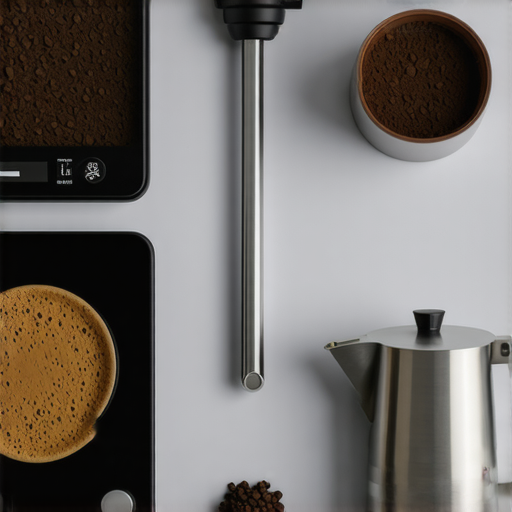
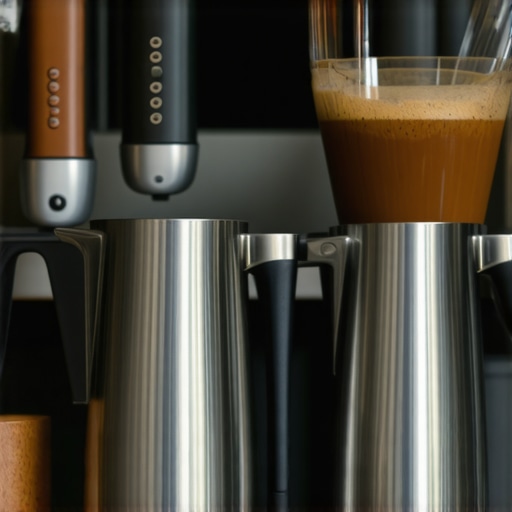
It was a hectic Saturday morning at my little coffee corner. I was mid-pour, trying to impress with a beautiful rosette, when suddenly, my milk pitcher slipped from my hand. The stream splattered, ruining the art and leaving me frustrated. That lightbulb moment hit me hard: I realized I was using the wrong tools for my skill level and goals. Since then, I’ve experimented extensively to find the best milk pitchers and barista accessories that genuinely elevate my coffee art game.
Why Choosing the Right Coffee Tools Can Make or Break Your Creations
If you’ve ever struggled to create those silky, detailed latte art designs, you’re not alone. The truth is, having the right milk pitcher, a quality espresso tamper, or a reliable coffee scale can dramatically improve your results. When I first started, I thought mastering the pour was purely about technique. But I soon discovered that equipment quality makes a significant difference. Using a poorly designed milk pitcher, for example, can hinder the flow of steamed milk, making intricate designs nearly impossible. Investing in tools that are ergonomically sound and tailored for art can transform your practice sessions into moments of pure creativity.
Does It Really Matter What Milk Pitcher You Use?
Absolutely. The shape, material, and spout design of a milk pitcher influence how well you can control your pour. It might seem minor, but I learned this the hard way—testing dozens of pitchers, only to find that some caused splattering or uneven flow, ruining my attempts. A high-quality pitcher helps you achieve better microfoam and more precise control. For more insights on maintaining your tools for optimal performance, check out this comprehensive guide on how to care for your milk pitcher.
Alongside the pitcher, a good espresso scale ensures your shots are consistent, which is the foundation for perfect milk art. Using a reliable scale can help you dial in the right extraction time, making every cup as good as the last. If you’re ready to elevate your brewing precision, I recommend exploring top coffee scales for baristas.
But equipment alone isn’t enough. The overall setup and accessories, from knock boxes to tampers, contribute to your efficiency and results. When I upgraded my accessories, I noticed a significant reduction in hurried mistakes and improved consistency. For a curated look at must-have tools, take a peek at barista accessories for elevating your coffee game.
Looking back, I realize that investing in quality tools wasn’t just about improving my coffee; it was about fostering confidence in my skills. If you’ve faced similar frustrations or are wondering whether the right equipment truly makes a difference, you’re not alone. Many enthusiasts have turned their coffee routines around by selecting the right gear, turning everyday brewing into an art form. So, which tools are you hesitating to upgrade? Keep reading—I’ve lined up practical tips to help you choose and maintain the best accessories for your coffee journey.
Choose the Right Milk Pitcher for Symmetry
Select a pitcher with a well-balanced shape—think of it as choosing the right paintbrush for your art. I once used a tall, thin pitcher, expecting it to help with fine microfoam. Instead, I struggled with uneven steaming. To fix this, I went for a wider, shorter pitcher with a narrow spout; it gave me better control and smoother pours. When shopping, consider material, shape, and spout design, as these directly influence the flow and microfoam quality. For durable options and expert recommendations, check this guide.
Keep Your Tools in Prime Condition
Regular maintenance is vital. I once ignored rust buildup in my milk pitcher; it caused an uneven pour and compromised cleanliness. It’s best to rinse immediately after steaming and occasional deep cleaning with a suitable brush. This process preserves tool integrity and ensures flawless results. To learn how to care for your equipment, visit this article.
Use the Coffee Scale for Consistency
Precision begins with measurements. I used to eyeball my shots, leading to inconsistent tastes. Once I incorporated a high-quality coffee scale, I saw a drastic improvement. Place the portafilter on the scale, zero it out, and dose your coffee. Grind and tamp until the weight correlates with your recipe—say, 18 grams for a double shot. During extraction, monitor the flow time to stay within the ideal 25-30 seconds. For top-rated scales, see this selection.
Dial in Your Tamper for Uniform Pressure
Your tamping technique affects extraction quality. I noticed that inconsistent tamping caused uneven extraction and sour flavors. To improve, I pressed firmly with consistent pressure—about 30 pounds—using a tamper with a comfortable handle. Think of tamping as stamping a seal; even pressure ensures water passes uniformly through the coffee bed. For guidance on choosing the right tamper, explore this list.
Streamline with a Knock Box
Efficiency is key during busy mornings. I found that leaving used grounds in a basket slowed down workflow. Switching to a sturdy knock box made cleaning quick and kept my station tidy. Use it as a step to quickly discard puck remnants after each shot—think of it as a coffee chamber pot. For top picks, read this guide.
Integrate These Steps into Your Routine
Practice each step deliberately—measure, maintain, and refine your technique. Remember, consistency and familiarity with your tools turn good coffee into great coffee. Keep your equipment clean, calibrated, and suited to your style. Regularly assess your process, adjusting as needed, and your improvements will compound over time. For ongoing tips and the right accessories to support these steps, visit this resource.
Many coffee enthusiasts believe that selecting the right tools is just about meeting basic standards, but in reality, there are nuanced pitfalls that can sabotage even seasoned baristas. One common myth is that a high-priced milk pitcher automatically ensures better microfoam; however, the shape and material influence flow control much more than price alone. For instance, a well-designed stainless steel pitcher with a narrow spout allows for finer control, which is critical for complex latte art, as detailed in expert guides on milk pitcher selection.
It’s tempting to think that a digital coffee scale is only necessary for professional baristas, but overlooking its proper use is a silent trap. Many users zero out the scale, then forget that consistent calibration and understanding of flow rate influence extraction times beyond mere weight measurement. The subtlety here is that a scale calibrated for pressure-based extraction methods provides more reliable results, as highlighted in advanced guidance on mastering scales.
When it comes to barista accessories, a widespread mistake involves over-collecting gadgets that promise perfection but create clutter. For example, stacking multiple tampers or using incompatible tamper widths can lead to inconsistent pressure distribution — a critical factor in evenly extracting your espresso shot. The key is selecting a tamper that matches your portafilter size and refining your technique, as explained in tips on tamper precision.
The knock box is often underrated—not just a convenience but a crucial component in workflow efficiency. An overlooked oversight is choosing a knock box with an uneven or flimsy base, which causes noise and instability during use. An improper knock box can also lead to accidentalspills, making cleaning more cumbersome and risking damage to your workspace. For optimal choices, explore recommended knock box options.
Lastly, many assume that more expensive espresso tampers are always better—yet, overly complex designs might hinder tactile feedback, reducing consistency. The real advantage comes from understanding your grip, applying uniform pressure, and choosing ergonomic handles suited to your hand size. Improving your tamping technique often yields better results than simply upgrading equipment, as demonstrated by experts in tamping strategies.
In sum, the subtle nuances in selecting and maintaining your tools can either elevate your brewing or introduce unseen flaws. Are you falling into these traps without realizing? Let me know in the comments, and remember: mastery involves mastering the details.
Prioritize Regular Care for Your Equipment
To ensure your coffee gear remains reliable and consistent, establishing a routine maintenance schedule is paramount. I personally make a habit of rinsing and drying my milk pitcher immediately after steaming, then performing a deep clean weekly using a mixture of warm water and a specialized brush. This prevents rust buildup and keeps the spout free from clogs, which can otherwise impair microfoam quality and pour control. Regular upkeep extends the lifespan of your tools and maintains optimal performance. For detailed maintenance procedures, check this comprehensive guide.
How do I maintain my tools over time?
Consistency is key. Zero your espresso scale after each shot to avoid cumulative errors, periodically calibrate it according to the manufacturer’s instructions, and replace worn-out tampers or wicks when necessary. A well-maintained knock box will also save you from unneeded noise and frustration; ensure its base remains stable and clean. Additionally, inspecting your accessories for signs of wear, such as chipped spouts or loose handles, allows you to replace parts before they escalate into more significant issues. Regular attention to these details preserves the precision and ease of use that are vital in a busy setting.
Invest in Tools That Last
Choosing high-quality, durable tools saves money and enhances your coffee craft in the long run. For example, I upgraded to a stainless steel milk pitcher with a narrow spout—its robust construction and precision-engineered tip provide better control and consistent pouring. Similarly, I rely on a digital scale with a sealed, easy-to-clean surface and a quick reset function, ensuring each shot starts from the same baseline. These tools are investments that pay dividends over time, especially when paired with proper care. To find exactly what fits your style, explore top barista tools.
What about scalable solutions for growth?
If you’re thinking about expanding your setup, consider modular accessories that can grow with you. A larger, wider knock box can handle more pucks during busy mornings, while an upgraded tamper with customizable pressure settings can help refine your technique. Remember, scalability often hinges on your ability to maintain consistency under increased workload. As expert advice suggests, investing in scalable equipment often involves selecting items that are easy to clean, repair, and upgrade—key factors in preventing downtime and ensuring quality output as your skills and demands evolve. Fore more insights, visit this resource.
Embrace Future Trends in Equipment Care
The future of barista tools points toward smarter, more connected equipment. Imagine scales that sync with your app to monitor calibration or milk pitchers with integrated temperature sensors to alert you when they need cleaning. Staying ahead involves adopting these innovations early, ensuring your setup remains at the forefront of precision and convenience. Currently, integrating software solutions that log maintenance and usage data can help you predict wear and plan replacements proactively. Such advancements promise to make routine tasks faster and more accurate, empowering you to focus on your craft. For a glimpse into upcoming innovations, keep an eye on this upcoming guide.
Try adopting a rigorous cleaning routine for your milk pitcher based on expert recommendations—such as those found in technical documentation from Barista Hustle—and see how it enhances your latte art. Consistent maintenance paired with high-quality tools will elevate your coffee experience and keep your gear performing at its best through countless brewing sessions.
What I Wish I Knew About My Tools Before Starting
One of my biggest surprises was realizing that no matter how talented I thought I was, the tools I used often dictated my success. I spent months experimenting with various milk pitchers, only to find that the shape and material drastically affected microfoam quality. It taught me that investing in the right equipment from the beginning could have saved me time and frustration.
Why Not All Scales Are Created Equal
I used to think any kitchen scale would do, but an inaccurate scale meant inconsistent shots. Discovering a high-quality, calibrated coffee scale changed everything, allowing me to fine-tune extraction times and improve flavor significantly. It became clear that precision tools elevate craftsmanship.
Curated Recommendations for the Serious Barista
Over time, I’ve curated a set of tools that truly make a difference. The best coffee scales for precision ensure consistent measurements, while top-rated tampers help achieve uniform pressure. For pristine milk textures, I swear by these durable milk pitchers. Following these recommendations has transformed my routine.
Your Next Step Is Clarity—Don’t Delay
Mastering the art of coffee isn’t just about talent; it’s about making intentional choices with your tools. Whether you’re upgrading your milk pitcher or fine-tuning your scale setup, each improvement builds confidence. Now is the time to refine your gear and elevate your coffee craft—your future self will thank you.