Ever had that frustrating moment where your perfectly pulled espresso shot looks more like abstract art than a smooth, velvety crema? I’ve been there. I remember thinking that all the fancy equipment in the world wouldn’t fix my latte art mishaps—until I realized the real secret was in the details. It’s not just about buying the best tamper or the sleekest milk pitcher; it’s about understanding how these tools work together to elevate your coffee game. That lightbulb moment changed everything for me, transforming my daily coffee routine into a satisfying ritual of precision and artfulness.
Why Choosing the Right Tools Can Transform Your Coffee Experience
From my early days of hacking together makeshift tampers and shaky pitchers, I learned that the difference between a good cup and a great one often comes down to the tools I use. An inexpensive tamper might seem like a minor investment, but it can make or break the consistency of your espresso shot. The same goes for milk pitchers—those shiny, well-shaped pitchers aren’t just for aesthetics; they’re vital for creating that beautiful, smooth milk foam that’s essential for coffee art. When I upgraded to high-quality barista accessories, everything improved—shots were more consistent, and my latte art became more impressive.
Today, I want to help you avoid the common pitfalls I fell into early on. If you’ve ever wondered whether your equipment is holding you back or if you’re just not sure how to get that perfect swirl or rosette, you’re in the right place. We’ll explore the ins and outs of selecting the right espresso tamper and milk pitcher, and I’ll share practical tips to help you craft coffee that’s not only delicious but also visually stunning. Ready to turn your kitchen into a mini coffee shop? Let’s dive into how the right tools can make all the difference.
Is Your Equipment Really the Problem or Are You Falling for Coffee Myths?
One mistake I made early on was buying the most expensive tamper and expecting instant perfection. Spoiler alert: it doesn’t work that way. Even the priciest gear won’t help if you don’t know how to use it properly. According to a study from the Specialty Coffee Association, consistency in tamping and milk steaming is crucial for great coffee, regardless of the equipment’s price. So, before you invest in the latest gadgets, let’s understand what really matters and how to use your current tools more effectively.
If you’ve faced the frustration of inconsistent shots or failed latte art, don’t worry—you’re not alone. And more importantly, you’re about to learn how to fix it. Keep reading, and I’ll walk you through everything you need to know to choose the best tamper and milk pitcher for your coffee journey, supported by expert advice and my personal experiences.
Dial in Your Scale for Precision
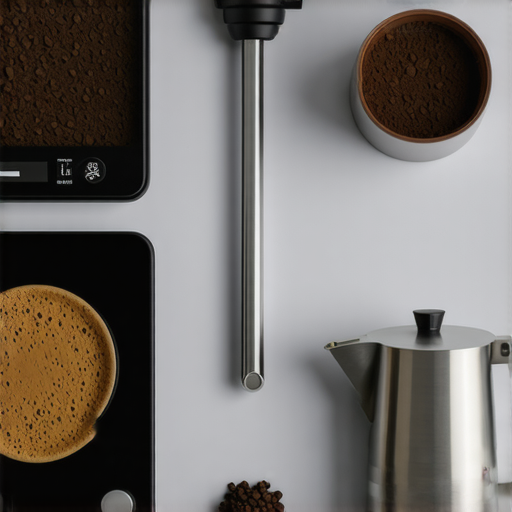
Start with a high-quality coffee scale like the best coffee scale for baristas. Place your portafilter on the scale and tare it to zero. Grind your coffee directly into the portafilter, aiming for the right dose based on your machine’s requirements. Use the scale to measure your tamping pressure—about 30 pounds is ideal. I once thought I could eyeball it, but after investing in a good scale, my shots became more consistent and flavorful. Precision here prevents under or over-extraction, which impacts flavor and crema quality.
Perfect Your Tamping Technique to Ensure Uniformity
Choose a tamper that fits your hand comfortably and matches your coffee puck size—usually 58mm for home machines. After dosing, distribute the coffee evenly with a finger or a distribution tool, then apply firm, even pressure on the tamper, aiming for 30 pounds of force. Think of tamping like pressing a stamp evenly onto paper—pressure matters. I once rushed through tamping, resulting in uneven extraction. When I slowed down and used consistent force, my espresso shots improved dramatically, with better crema and flavor. For tips on choosing the right tamper accessories, check the link.
Streamline Your Milk Frothing Process
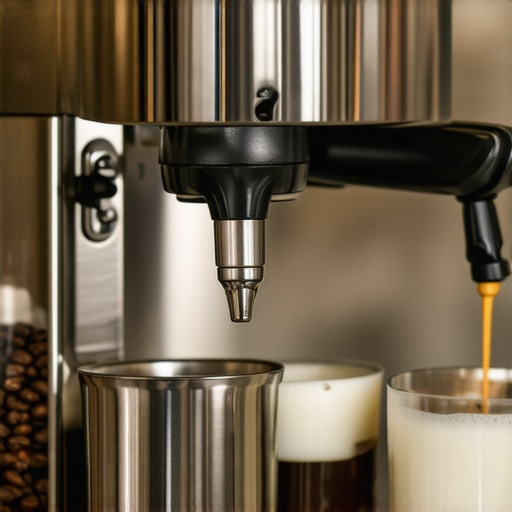
Select a high-quality, well-shaped milk pitcher with a spout designed for precision pour. Use fresh, cold milk, and purge your steam wand before frothing. Submerge the tip just below the milk surface and turn on the steam. Keep the pitcher at a slight angle, and move it in small circles to create a whirlpool. When the milk reaches about 140°F, turn off steam and tap the pitcher on the counter to remove large bubbles, then swirl for a glossy finish. I learned this technique after watching a tutorial, and it transformed my latte art from messy to stunning. Regularly maintain your pitcher by cleaning and polishing it—see how here.
Efficiently Clear Used Coffee Grounds with a Knock Box
Use a sturdy knock box to quickly dispose of used coffee puck without making a mess. Position it close to your espresso machine for quick disposal. When I first started, I’d drop the puck on the counter, which was messy and inefficient. Now, I simply knock the portafilter into the box with a quick, confident tap. This saves time and keeps your workspace tidy. For the best strategies, see the knock box tips.
Choose Essential Accessories for Consistent Results
Invest in barista tools specifically designed for precision, like a coffee scale, a quality tamper, and a well-shaped milk pitcher. These small adjustments elevate your brewing process, turning a good cup into a great one. Remember, every step counts—consistent tamping, accurate measurement, and proper steaming are the secrets to cafe-quality coffee at home. For further gear recommendations, explore top barista accessories.
Keep Your Equipment in Top Shape
Regular cleaning maintains the performance of your tools. For your milk pitcher, follow the maintenance guide. Tamping and grinding tools should be cleaned and checked for wear. A well-maintained setup ensures every shot is repeatable and delicious. Remember, even the best tools need proper care to perform their best, so schedule regular cleanings and inspections.
If you think that simply buying a high-end coffee scale or a fancy tamper guarantees barista-level results, think again. Many coffee enthusiasts fall into common traps by focusing on gear rather than technique. Let’s dig deeper into what most people get wrong about essential tools like coffee scales, espresso tampers, milk pitchers, and knock boxes, and how to avoid these pitfalls.
Why Your Scale Might Be Sabotaging Your Shots
Contrary to popular belief, not all coffee scales are created equal. While many assume that any digital scale with a tare function will improve precision, the reality is that cheap, low-resolution scales can introduce inaccuracies that ruin your shot. An advanced coffee scale designed for baristas offers higher accuracy and better stability, which are critical for consistent dosing and tamping pressure measurement. Beware of scales that drift or have poor calibration; these can lead to uneven extraction and bitterness. Remember, precision in measurement is vital, but only if your equipment is reliable.
Espresso Tamper: More Than Just a Flat Surface
Many believe that a good tamper is simply one that fits the portafilter and feels comfortable. However, the right tamper must also provide consistent pressure and distribute coffee evenly. The common myth is that pressing harder makes a better puck, but over-pressing risks uneven tamping, which causes channeling. My advice: use a tamper with a comfortable handle and a precise, flat base that matches your portafilter size. Practice applying exactly 30 pounds of pressure—this is where many go wrong, and it affects shot quality more than you realize. In fact, small nuances in tamping technique can have a big impact on extraction, according to industry experts.
Milk Pitchers: Shape Matters More Than You Think
Many believe that any stainless steel pitcher will suffice for steaming milk. But a well-shaped pitcher with a narrow spout actually makes latte art easier and more consistent. The misconception is that larger or shiny pitchers are better; in reality, the size and spout design influence the pour control. One trap to avoid is using a pitcher that’s too wide or too heavy, which hampers your ability to create delicate rosettes or hearts. Invest in a quality pitcher that fits your hand comfortably and allows precise, steady pours.
Knock Box: Think Beyond Just Disposing of Pucks
Many assume that a knock box is just a trash can for coffee grounds, but a proper knock box can significantly improve workflow and cleanliness. The trap is neglecting its placement; a poorly located knock box forces you to reach or makes knocking awkward, increasing the chance of spills or damage. Choose a sturdy, well-placed knock box that’s easy to clean and durable enough to withstand daily use. Remember, efficient workflow reduces mistakes and saves time, especially during busy mornings.
How to Avoid Falling for Equipment Myths
One of the biggest misconceptions is that expensive gear automatically leads to perfect results. While quality tools are important, technique still reigns supreme. The industry-backed study from the Specialty Coffee Association emphasizes that consistent practice and understanding of your equipment are more impactful than price alone. My advice: Master your current tools first, then upgrade thoughtfully.
Have you ever fallen into this trap? Let me know in the comments. Remember, the right tools combined with proper technique are your best bet for elevating your coffee game.
Keeping your coffee tools in top condition is crucial for maintaining consistent quality and extending their lifespan. Regular maintenance not only ensures precise measurements and perfect tamping but also prevents costly replacements down the line. For instance, cleaning your milk pitcher after each use removes milk residues that can corrode the metal and affect future frothing quality. Similarly, the knock box should be emptied regularly and cleaned to prevent mold and odors, ensuring a hygienic workspace.
For your coffee scale, calibration is key. Use calibration weights periodically to verify accuracy, especially if the scale is used frequently or moved around. This prevents miscalculations that could lead to over or under-extraction, impacting flavor and crema. Many professionals recommend cleaning the scale surface with a damp cloth and avoiding harsh chemicals that might damage sensitive electronics.
When it comes to tamping tools, inspecting the base for wear or dents is essential. A flat, undamaged tamping surface ensures even pressure distribution. I personally check my tamper’s handle for looseness monthly and replace it if I notice any wobbling, as inconsistent tamping directly affects shot quality. Remember, investing in a high-quality tamper with a sturdy handle and flat base is worthwhile, but maintaining it is equally important.
For milk pitchers, a gentle polishing with a non-abrasive cloth keeps the surface smooth and shiny, preventing milk build-up that can harbor bacteria. Also, check the spout for cracks or deformities that could hinder precise pouring. Regularly inspecting and maintaining your equipment ensures each shot remains as good as the first, saving you money and frustration over time.
Looking ahead, the trend in coffee tool maintenance is moving toward smart, tech-enabled solutions. For example, some scales now feature Bluetooth connectivity and auto-calibration, making upkeep easier and more reliable. This integration helps baristas focus more on craft than on equipment troubleshooting. As technology advances, expect even more intelligent tools that notify you when maintenance is due, ensuring your setup always performs at peak level.
To get started, I highly recommend setting a weekly maintenance routine—clean your milk pitcher, calibrate your scale, inspect your tamper and knock box. These small habits will pay off by delivering consistently excellent coffee and prolonging your investment. Why not try a quick calibration of your scale today? It’s a simple step that can make a noticeable difference in your espresso quality, and it’s an easy way to keep your tools working perfectly for years to come.
The Hardest Lesson I Learned About Coffee Tools
One of the toughest lessons was realizing that even the most expensive tamper or milk pitcher won’t improve your coffee if you don’t practice proper technique. I used to believe upgrading my equipment alone would make me a barista overnight. It wasn’t until I focused on consistent tamping pressure and milk steaming techniques that I saw real progress. This taught me that mastery comes from understanding your tools, not just buying them.
Small Details Make a Big Difference in Coffee Craft
Choosing a well-shaped milk pitcher with a narrow spout changed how I poured latte art. The difference wasn’t in the size or shininess but in the control it gave me. I also learned that regularly cleaning and maintaining my tools prevents small imperfections from ruining my shots. These subtle adjustments elevated my coffee from good to exceptional.
The Myth of Perfect Equipment Without Practice
I used to think that a top-tier coffee scale would fix my inconsistent shots. I discovered that even the best scale is useless if it’s poorly calibrated or unreliable. Regularly verifying accuracy and understanding how to use the scale effectively was a game-changer. The same applies to tampers and knock boxes—techniques matter more than price tags.
Invest in Your Skills Before Upgrading Gear
Many fall into the trap of constantly chasing new equipment without mastering their current tools. My breakthrough came when I focused on perfecting my tamping pressure, milk frothing, and shot timing. When I finally practiced intentionally, my results improved dramatically. Remember, the right tools are just the beginning; technique makes all the difference.
Turning Your Coffee Routine Into an Art
By understanding the nuances of coffee scale calibration, tamping pressure, and milk pouring, I transformed my daily coffee into a rewarding ritual. It’s about patience, practice, and paying attention to details that many overlook. Your journey to better coffee starts with respecting your tools and honing your skills.
Reading this post really resonated with me, especially the part about understanding that even high-end tools won’t improve your coffee without proper technique. I used to think upgrading my equipment was the quick fix, but I quickly learned that mastering tamping pressure and milk steaming made a bigger difference in my shots. I’ve found that consistent practice, like measuring tamp pressure with a bathroom scale, really pays off. It’s also intriguing how much subtle details, such as the shape and feel of a milk pitcher, can influence the latte art outcome. I’m curious—what are some common mistakes people make when starting to finesse their tamping or steaming techniques? And has anyone experimented with using different tampers or pitchers to see what produces the best results? I believe that combining quality tools with dedicated practice truly elevates the whole coffee experience—I’d love to hear how others have improved their workflow and final cup quality through technique and equipment tweaks.
This post really hit home for me, especially the emphasis on technique over gear quality. I initially thought that simply purchasing top-of-the-line tampers and pitchers would transform my coffee, but I quickly realized that consistent practice is key. I started using a small digital scale to measure tamping pressure, aiming for about 30 pounds, and that made my shots much more stable. It’s fascinating how small adjustments—like changing the angle or shape of the milk pitcher—can have such a noticeable impact on latte art. I’ve also been experimenting with different spout designs, and I found that narrow, pointy spouts give me better control for intricate designs. One challenge I still face is maintaining consistency during busy mornings when I rush. Does anyone have tips on staying precise under time pressure? I’d love to hear how others keep their technique sharp when speed is essential. Overall, investing in good tools combined with mindful practice continues to elevate my brewing game.