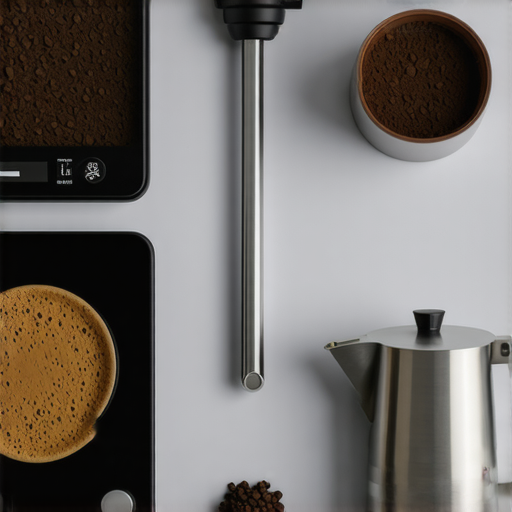
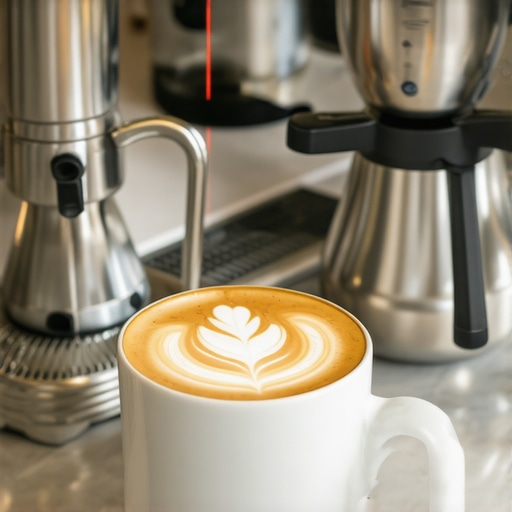
Ever had that heart-sinking moment when you pour your latte and the foam looks more like a sad cloud than a beautiful heart or rosette? I’ve been there, staring at a disappointing swirl, wondering what I did wrong. Turns out, the secret isn’t just in the beans or the espresso shot—it’s in the tools I use, especially my milk pitcher and espresso tamper. I used to think that a good coffee was all about the beans and the machine, but I learned the hard way that precision and technique matter just as much, if not more, when it comes to coffee art.
Why the Right Tools Make All the Difference
When I first started experimenting with latte art, I wasted countless milk pitchers that either spilled too easily or didn’t hold enough milk for a proper pour. My tamper was a cheap, poorly fitting piece of metal that I thought was good enough—until I realized that uneven tamping led to inconsistent espresso shots. That lightbulb moment hit me hard. I discovered that investing in quality barista tools isn’t just about bragging rights; it’s about elevating your entire coffee game.
Are Fancy Tools Really Worth the Hype?
Early on, I made the mistake of thinking that all tampers and pitchers are created equal. Spoiler: They’re not. I bought a cheap tamper that didn’t fit my portafilter, which led to uneven extraction. That’s like trying to paint a masterpiece with a blunt brush. Since then, I’ve learned that a good espresso tamper and milk pitcher are investments in your barista journey. They help you control the shot quality and milk texture, making your latte art not just a dream but a reality.
But don’t get me wrong—these tools won’t turn you into a barista overnight. It’s about learning to use them correctly, maintaining them well, and understanding what makes a top-notch tool worth the cost. Curious about how to pick the best equipment? Check out my favorite picks for top barista accessories.
So, if you’ve ever faced the frustration of inconsistent espresso shots or a latte that looks more like a science experiment gone wrong, you’re not alone. But here’s the good news: mastering your tools can transform your coffee from average to artful. Ready to dive into the practical steps that will elevate your brew? Let’s go!
Perfect Your Scale and Tamp Technique
Start with your coffee scale. Use it to measure your coffee grounds precisely—aim for 18-20 grams for a double shot. When tamping, press evenly with your espresso tamper to ensure uniform extraction. I once struggled with inconsistent shots until I switched to a tamper that fit my portafilter snugly. Now, I press with consistent pressure, about 30 pounds, to get a balanced extraction.
Mastering the Tamping Pressure
Apply steady, firm pressure—imagine pressing a button with just enough force to turn it on. Practice with a bathroom scale if needed, and aim for 30 pounds of pressure. I spent a morning practicing on a cheap scale, and the difference was clear: my shots became more uniform and flavorful. Remember, precision scales are your best friend here—use them to develop muscle memory and consistency in tamping.
Control Milk Texture and Pouring
Temperature control is critical. Use your milk pitcher to steam milk to about 150°F, which produces silky microfoam ideal for latte art. I once over-steamed, creating large bubbles and ruining my pour. Now, I listen for a slight hissing sound and feel the pitcher’s temperature with my hand—if it’s too hot, I stop steaming. Keep your pitcher clean and well-maintained; a dirty or dented pitcher hampers your pour precision. For tips on maintenance, check out https://coffeeaccessories.espressotechguide.com/how-to-maintain-your-milk-pitcher-for-flawless-latte-art-midday.
Perfect Your Pouring Technique
Begin with a steady, controlled pour from a height of about 2 inches to distribute the microfoam evenly. Then, lower the pitcher closer to the cup and pour in a thin, steady stream to create your design. I remember my first try—messy but fun—until I watched a tutorial and practiced the wrist flick and steady pour. The key is to keep your hand steady and maintain a consistent flow. Practice makes perfect, and over time, your latte art will become more intricate and impressive.
Speed Up with the Right Accessories
Time is crucial during busy mornings. Use a knock box to quickly dispose of used grounds without mess, and keep your workspace organized. A well-chosen knock box strategies can save seconds, making your workflow smoother. Also, consider investing in a precision coffee scale to ensure every shot hits the mark.
Consistent practice with these tools and techniques will transform your coffee brewing. Remember, the secret isn’t just the equipment but how you use it. Keep experimenting, refining your grip, pressure, and pour, and soon you’ll craft coffee that looks as good as it tastes.
Many coffee enthusiasts and even seasoned baristas fall into misconceptions that can hinder their progress and enjoyment of brewing the perfect cup. Let’s dig deeper into some of the most common myths and advanced pitfalls related to essential tools like coffee scales, espresso tampers, milk pitchers, and knock boxes. Understanding these nuances can elevate your coffee game significantly.
Why the Size and Material of Your Coffee Scale Matter More Than You Think
Contrary to popular belief, not all scales are created equal. Some beginners assume that any digital kitchen scale will do, but in the world of espresso, precision is king. A cheap scale with poor calibration can lead to inconsistent doses, affecting extraction and flavor. Invest in a high-quality coffee scale that offers accurate readings and a stable platform. Interestingly, some advanced users overlook the importance of a scale’s response time; a slow response can cause timing errors during extraction, especially when dialing in shots. Remember, a well-calibrated, responsive scale is your best friend for consistency.
Dispelling the Myth that All Tampers Are Equal
Many believe that a tamper is just a simple metal disc, but in reality, the shape, weight, and fit of your espresso tamper dramatically influence extraction quality. A poorly fitting tamper can cause uneven pressure, leading to channeling and under-extraction. Moreover, some baristas underestimate the importance of applying consistent tamping pressure—about 30 pounds—every time. This consistency is crucial for reproducible shots. Beware of cheap tampers that don’t match your portafilter size or don’t distribute pressure evenly; they’re a trap that hampers your progress. For advanced brewers, considering a calibrated tamper with a pressure guide or a tamper with a comfortable handle can make a real difference.
Think All Milk Pitchers Are Just for Frothing? Think Again
Many assume that any stainless steel pitcher will do, but the shape, spout design, and size significantly affect pouring control. A common mistake is using a pitcher that’s too large or too small for your steaming needs, which can make microfoam difficult to achieve. Additionally, the material and cleanliness of your milk pitcher impact heat retention and pouring precision. Dented or dirty pitchers impede the flow and cause inconsistent latte art. Advanced baristas often opt for pitchers with a narrow spout for better control and a well-maintained surface for microfoam consistency. Regularly cleaning and maintaining your pitcher is an often overlooked step that can prevent issues during critical pours.
Why Your Knock Box Can Be Your Hidden Weak Point
The knock box is more than just a container; it’s a key part of your workflow. Many users underestimate its role, using cheap or overly small models that slow down cleanup and disrupt workflow during busy periods. An ideal knock box should be sturdy, easy to clean, and positioned conveniently to minimize motion. Advanced users also recognize that a silent or splash-proof design can reduce noise and mess, making the process more efficient. Investing in a quality knock box and adopting proper disposal techniques can save precious seconds, especially during high-volume sessions.
In conclusion, every tool in your coffee arsenal has its quirks and advanced considerations. The details—like response time of your scale, fit of your tamper, design of your pitcher, and robustness of your knock box—can make or break your brewing consistency. Don’t fall into the trap of oversimplifying these tools; instead, learn their nuances and refine your technique. Want to dive deeper into equipment mastery? Check out my must-have barista accessories list for tips and recommendations. Have you ever fallen into this trap? Let me know in the comments!” ,
Maintaining your barista tools like coffee scales, tampers, milk pitchers, and knock boxes is essential for consistent results and long-term investment in your craft. Regular upkeep not only ensures precision but also extends the lifespan of these crucial accessories. From calibration to cleaning techniques, knowing how to care for your equipment keeps your brewing game sharp and reliable.
How do I maintain my coffee scale over time?
Precision scales are the backbone of accurate dosing, so regular calibration is a must. I recommend checking your scale’s calibration every few months using certified calibration weights. Store your scale in a dry, stable environment away from humidity and temperature fluctuations, which can affect readings. Always clean the surface with a soft, damp cloth—avoid harsh chemicals that could damage sensitive electronics. If your scale has a response time that seems sluggish, it might need recalibration or replacement. For detailed maintenance tips, visit this guide on coffee scales.
What about keeping tampers and milk pitchers in prime condition?
Proper cleaning is vital. After each use, rinse your milk pitcher with warm water and dry it thoroughly to prevent rust and buildup. For tampers, avoid dropping them or exposing them to corrosive substances—regularly check for dents or deformations that can cause uneven tamping. A quick wipe with a stainless steel cleaner can keep your tamper shiny and smooth, aiding consistent pressure application. Remember, a well-maintained tool performs better and contributes to better espresso every shot.
How can I prolong the life of my knock box?
Choose a sturdy, well-designed knock box made from durable materials like high-grade stainless steel. Regularly clean it to prevent coffee oil buildup, which can cause odors or rust. For added longevity, consider applying a light coat of food-safe oil to metal parts to prevent corrosion. Position your knock box on a stable, non-slip surface to avoid unnecessary impacts that can loosen joints or damage the structure. With routine maintenance, your knock box will stay sleek and functional for years, supporting your workflow during busy hours.
Looking ahead: Trending tools and maintenance innovations
In the future, expect smarter, more automated tools that monitor calibration and cleanliness via app integrations, making maintenance even easier. Advances in self-cleaning surfaces and antimicrobial coatings will reduce the effort needed to keep accessories pristine. Staying proactive with regular maintenance routines today prepares you for seamless, high-quality brewing tomorrow. Try implementing a weekly cleaning schedule for your tools, and notice how your consistency improves. For more tips on investing in the right accessories, check out my recommended list of barista essentials.
What I Wish I Knew When I Started Making Coffee
One of the hardest lessons I learned was that even the best beans and machines can’t save a bad tamp or uneven pour. Investing in quality tools like a precise coffee scale or a well-fitting espresso tamper drastically improved my consistency. The difference was night and day, and it made me realize that mastery is about the details most overlook.”
My Favorite Resources for Coffee Mastery
Over time, I found that certain tools and guides truly helped elevate my game. I trust the best coffee scales for precision because they respond quickly and stay calibrated. The ultimate guide to milk pitchers and tampers taught me how shape and material influence microfoam and pouring control. And for workflow efficiency, a sturdy knock box became my secret weapon during busy mornings. These resources are the backbone of my brewing evolution.”
Your Next Step Toward Coffee Excellence
If you’re serious about elevating your coffee craft, don’t hesitate to invest time and money into quality tools and education. The right scale, tamper, and pitcher can turn an average brew into a stunning cup of coffee. Remember, mastery isn’t about perfection but continuous improvement. Keep experimenting, learning, and refining your technique—your perfect cup is waiting. Ready to take your coffee skills to the next level? Check out my must-have barista accessories list for inspiration. What’s the biggest challenge you face in perfecting your coffee? Let me know below!”},