Ever had that frustrating moment when your perfectly brewed espresso turns out flat or your latte art looks more abstract than artistic? I sure have. I remember countless mornings where I struggled to get that silky smooth crema or a symmetrical leaf on my latte, only to end up with a disappointing pour. It was a lightbulb moment for me—realizing that the tools I used, especially my tamper and milk pitcher, could make or break my coffee craftsmanship.
Why Your Barista Tools Can Make All the Difference
When I first started experimenting with home brewing, I thought that good beans and a fancy espresso machine were enough. Turns out, the real secret lies in the details—like how I tamped my espresso or frothed my milk. A proper espresso tamper ensures even pressure, creating a uniform extraction, which is the foundation for a good shot. Similarly, a quality milk pitcher helps you control milk frothing, leading to better microfoam essential for latte art.
Many beginners overlook these small but critical tools, thinking they’re just accessories. But I learned the hard way—skipping the right tamper or a well-shaped pitcher often results in uneven shots and messy milk pours. And let me tell you, nothing kills the mood faster than pouring a beautiful heart only to see it collapse because of poor technique or faulty tools.
What We’ll Cover Today
In this guide, I’ll share my personal experience and practical tips on choosing the best espresso tampers and milk pitchers, how to use them effectively, and avoid common mistakes. Whether you’re just starting out or looking to upgrade your equipment, this post will help you elevate your coffee game. Ready to stop wasting beans and milk? Let’s dive into the secrets behind perfect coffee art.
Is This Stuff Really Worth the Hype?
I admit, I was skeptical at first. I bought a fancy tamper and a shiny pitcher, thinking they were just gimmicks. But I made a mistake early on—using a cheap tamper that didn’t fit my portafilter, which led to uneven tamping and bitter shots. That was a costly lesson. Once I switched to a quality tamper and a well-designed milk pitcher, everything changed. Coffee became more consistent, and my latte art improved dramatically. If you’ve ever wondered whether investing in better tools is worth it, I can tell you from experience—absolutely. For more insights, check out this resource on essential barista accessories.
So, if you’ve faced the frustration of inconsistent shots or messy pours, you’re not alone. The good news is, with the right tools and techniques, you can turn your coffee routine into a true craft. Let’s get started!
Set Your Scale for Precision
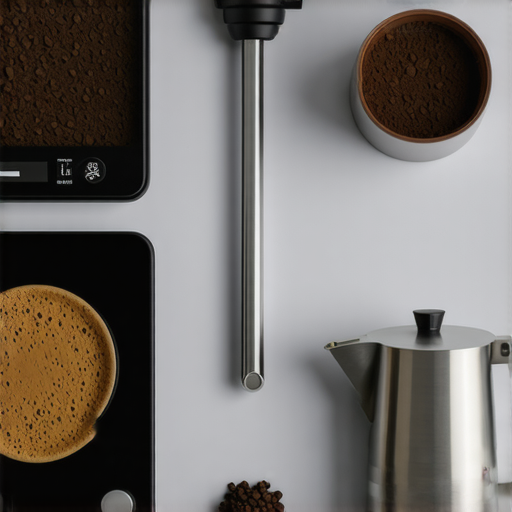
Start by calibrating your coffee scale before grinding. Place it on a flat surface and turn it on, ensuring it reads zero. Think of your scale as the foundation of your espresso craft—without accurate measurement, even the best beans fall flat. I remember once trying to eyeball my shot, which led to inconsistent results. After I switched to a precision scale, my shots became reliably perfect, saving beans and time.
Choose and Prepare Your Tamper
Select a quality espresso tamper that fits snugly into your portafilter. When tamping, think of it like pressing down evenly on a cake batter—consistent pressure ensures uniform extraction. I once used a cheap tamper that wobbled, resulting in uneven shots and bitter flavors. Switching to a well-fitted tamper allowed me to apply even pressure effortlessly, leading to a balanced, flavorful shot every time.
Master Milk Frothing with the Right Pitcher
Pick a milk pitcher with a well-shaped spout for control. The shape of the spout influences how you pour microfoam—think of it as controlling a paintbrush. I remember struggling with a dull spout that splattered milk everywhere. Once I switched to a pitcher with a narrow, curved spout, my latte art improved dramatically. Remember to keep your milk pitcher clean and well-maintained for the best results.
Use a Knock Box for Efficiency
Invest in a knock box to discard used coffee pucks swiftly. Think of it as a trash can with a purpose—placing it within arm’s reach speeds up your workflow. I once left my used puck on the counter, which slowed me down during busy mornings. Now, knocking out pucks into a dedicated box keeps my workspace tidy and efficient.
Combine Your Tools for Consistent Results
The real magic happens when you integrate these tools seamlessly. Use your scale to measure grind dose, tamp with your tamper, and pour milk with your milk pitcher. This coordinated approach minimizes variables and maximizes quality. I once experimented with this setup, and my shots became more consistent, eliminating guesswork and reducing waste.
For more tips on maintaining your equipment, visit this guide. Remember, mastering these tools is a process—practice makes perfect, and your coffee game will thank you for it.
Many coffee enthusiasts believe that investing in high-quality tools automatically guarantees perfect espresso and latte art. However, even seasoned baristas can fall into nuanced traps that undermine their efforts. Let’s dig deeper into what most people get wrong about essential barista accessories and how to avoid these pitfalls.
Why Overemphasizing Equipment Quality Can Backfire
It’s tempting to think that simply buying the most expensive coffee scale, premium espresso tamper, or sleek milk pitcher will instantly elevate your brewing. The reality is, many users overlook the importance of proper calibration, maintenance, and technique. A common myth is that expensive tools are inherently better; in truth, how you use them often matters more than their price tag. Regular calibration of your scale and correct tamping pressure are critical to consistency.
The Hidden Danger of Poor Maintenance
Another mistake is neglecting maintenance. A dirty milk pitcher or a poorly cleaned knock box can harbor bacteria and cause uneven pours or inconsistent microfoam. It’s a trap to think that equipment maintenance is optional; in reality, neglecting this step leads to degraded performance over time. A simple routine of cleaning and inspecting your tools can save you from costly replacements and subpar results.
Is Your Technique the Real Limiter?
Advanced baristas understand that technique often outweighs equipment quality. For example, a proper tamping technique involves consistent pressure and distribution. Similarly, mastering milk frothing requires more than just a good pitcher; it’s about controlling the angle, position, and temperature. Even the best tools won’t compensate for improper technique. Practice, along with periodic technique assessments, is essential for elevating your coffee game.
How Can Advanced Users Benefit from Better Tools?
For experienced baristas, understanding the nuanced differences in barista accessories can make a tangible difference. For instance, a knock box with a solid, stable design reduces puck debris and speeds up workflow. Similarly, a precision scale with a faster response time allows for more accurate dosing, which directly impacts shot quality. The key is to match your tools with your skill level and workflow, optimizing every step of the process.
Remember, the true secret lies in harmonizing your tools, technique, and routine. If you want to explore more about how to refine your setup, visit this contact page for expert advice. Have you ever fallen into this trap? Let me know in the comments.
Keep Your Coffee Gear in Peak Condition
Consistent performance from your barista tools depends on proper maintenance and understanding the longevity of your equipment. Regularly cleaning your milk pitcher prevents build-up that can affect microfoam quality, while inspecting your knock box for wear and tear ensures smooth puck disposal. For a precise shot every time, calibrate your coffee scale at least once a month, especially if you notice fluctuating readings. Maintenance isn’t just about cleaning; it’s about extending the lifespan of your tools and maintaining consistent quality. If you want to keep your tools functioning flawlessly, adopting a routine maintenance schedule is essential — I recommend dedicating 5 minutes after each session for thorough cleaning and weekly calibration checks.
My Recommended Equipment for Longevity and Precision
When choosing equipment, I prioritize durability and precision. My favorite coffee scale is the Hario V60 Drip Scale because it responds quickly and offers excellent accuracy, which is crucial for consistent dosing. For tamping, I swear by the Rattleware Tamper; its weight and fit give me confidence that I’m applying even pressure. My milk frothing has improved since switching to the Espresso Parts Milk Pitcher with a narrow spout, allowing me to control microfoam flow precisely. Investing in quality tools with replaceable parts and easy-to-clean designs can save you money and hassle over time. As trends evolve, I predict that smart scales with app integration will become standard, offering real-time feedback and data logging for even better consistency — stay tuned for more innovations!
How do I maintain my equipment over time?
Developing a maintenance routine is key to preserving your tools’ performance. For example, regularly descaling your espresso machine and cleaning your scale ensures accuracy. Deep-clean your milk pitcher and knock box weekly, using appropriate cleaning solutions and brushes. Keep your tampers free of coffee grounds and check for wobbling or damage. For scales, I recommend recalibrating with certified weights monthly. Remember, the key is consistency — set reminders, create a checklist, and treat maintenance as part of your brewing routine. Properly maintained equipment not only lasts longer but also ensures every cup meets your highest standards. For additional tips, feel free to reach out through this contact page.
By integrating these maintenance practices and investing in high-quality equipment, you can elevate your coffee game significantly. So, why not start today? Pick one item from your setup, like your milk pitcher or scale, and give it a thorough check. Small steps lead to big improvements over time.
The Hardest Lesson I Learned About Coffee Tools and Technique
One of my biggest lightbulb moments was realizing that no matter how high-end my espresso machine or beans were, my results would still suffer without proper technique. I once spent a fortune on a fancy espresso tamper but used it incorrectly, which led to uneven shots. The tool itself isn’t magic—mastering how to use it with consistent pressure is what made all the difference.
Why Calibration Matters More Than Price
I used to believe that buying the most expensive coffee scale would instantly improve my brewing. Turns out, regular calibration and understanding the limits of your equipment are what truly boost quality. I learned to recalibrate monthly, and my shots became more reliable and waste less beans.
Cleaning is a Secret Weapon
Neglecting maintenance was a mistake I paid for. A dirty milk pitcher or worn knock box reduces performance. I now dedicate five minutes after each session to cleaning and inspecting, which keeps my tools performing their best and my results consistent.
Technique Over Equipment
Even with the best tools, technique is king. Perfect tamping involves even pressure and proper distribution, while milk frothing requires control of angle, temperature, and flow. I found that practicing these skills regularly, rather than just upgrading tools, led to the most noticeable improvement in my coffee art and flavor.
The Power of Harmonizing Tools and Routine
Combining a scale, tamper, and milk pitcher” is essential for consistency. I experimented with this approach, and my results stabilized, making my coffee routine more predictable and enjoyable. Remember, the secret isn’t just in the tools but in how you use and maintain them.