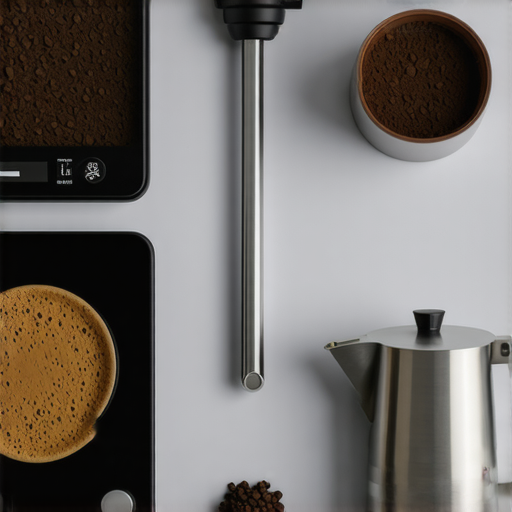
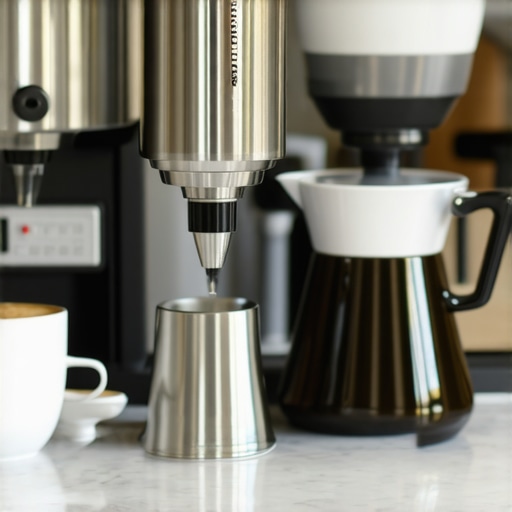
Ever had that frustrating moment where your perfectly steamed milk turns into a frothy mess, or your espresso shot falls flat because of uneven tamping? I know I have. I used to think that just having good beans and a decent espresso machine was enough. But soon, I realized that the right barista accessories can make all the difference. The lightbulb moment hit me when I watched a barista effortlessly craft intricate latte art with tools that I thought were just gimmicks. That’s when I started digging into the world of milk pitchers and espresso tampers. Today, I want to share the secret sauce that can transform your coffee game from average to artful, especially if you’re tired of inconsistent pours and flat shots.
Why Good Accessories Matter More Than You Think
Let’s be honest. Coffee making is a craft, and like any craft, it demands precision. The difference between a decent cup and a stunning latte art masterpiece often comes down to the tools you use. Early on, I made a rookie mistake—thinking that a cheap tamper would do the trick. Spoiler: it doesn’t. An unreliable tamper led to uneven pressure on my coffee puck, resulting in weak shots. That mistake taught me that investing in quality espresso tampers and milk pitchers is a game-changer. Not only do these tools improve your shot extraction, but they also set the stage for stunning latte art that can wow your friends or customers.
Is Investing in Accessories Really Worth It?
Many skeptics wonder if all these fancy tools are just hype. I get it. When I started, I was wary too. But studies show that baristas who use professional accessories consistently produce higher-quality coffee. For instance, a well-designed knock box speeds up the workflow, saving precious time during busy mornings. Plus, proper tools help prevent common mistakes—like over-tamping or uneven milk frothing—that can ruin your brew. I remember once trying to save a few bucks on a cheap tamper, only to realize that it was causing my espresso shots to be uneven and bitter. That’s a mistake I won’t repeat. Ensuring you have the right accessories isn’t just about aesthetics; it’s about consistency, efficiency, and elevating your overall coffee experience.
So, if you’ve faced the struggle of inconsistent espresso shots or lackluster latte art, stay tuned. We’re about to dive into the essential accessories that can turn your home or shop into a true barista haven. Ready to boost your coffee game? Let’s get started!
Set Up Your Scale with Precision
Start by investing in a high-quality coffee scale. Place it on a flat, stable surface and turn it on. Zero it out before you start brewing. When I first used a precision scale, I realized I was consistently over or under-dosing my coffee. I adjusted my dose and tamp pressure based on the exact weight, which immediately improved shot consistency. Remember, accurate dosing is the foundation of great espresso.
Choose and Use the Right Tamper
Select a tamper that fits your portafilter snugly. Hold the tamper with a firm grip and apply even pressure, aiming for about 30 pounds of force. I once rushed through tamping and pressed unevenly, resulting in a weak, sour shot. Practice a consistent tamping motion to ensure uniform puck density. A good espresso tamper makes this step easy and reliable, crucial for shot quality.
Perfect Your Milk Frothing Technique
Use a clean, well-maintained milk pitcher that feels comfortable in your hand. When frothing, angle the pitcher slightly and position the steam wand just below the surface of the milk. Start steaming with a steady motion, creating a whirlpool to incorporate air evenly. I struggled initially, often ending up with froth that was too bubbly or milk that’s too hot. Regularly cleaning and maintaining your pitcher, following tips from this guide, ensures your milk stays smooth and perfect for latte art.
Speed Up with a Knock Box
A knock box is essential for quick disposal of used coffee grounds. Keep it close to your machine, so knocking out the puck feels effortless and minimizes mess. I learned the hard way that a flimsy knock box often spilled grounds, wasting time and creating cleanup chaos. Opt for a sturdy, easy-to-clean model that suits your workflow, especially during busy mornings.
Align Your Workflow for Consistency
Combine these accessories by establishing a routine: weigh your dose, tamp evenly, steam milk to the right texture, and clean your tools regularly. I found that sticking to a consistent process, aided by reliable tools, dramatically improved my shot quality and latte art. Incorporate regular maintenance, like cleaning your milk pitchers and scales, to keep everything performing at its best.
Many coffee enthusiasts assume that investing in high-quality accessories like scales, tampers, or milk pitchers guarantees perfect results. However, there are nuanced pitfalls and misconceptions that can sabotage even the most well-meaning baristas. Let’s dig deeper into what most people get wrong about these tools and how to avoid common traps that hinder your coffee mastery.
Are All Scales Created Equal for Precision
While it’s true that a good coffee scale is fundamental, many assume that any digital scale with a timer will suffice. The reality is that precision scales specifically designed for baristas offer 0.1g accuracy and repeatability, which are critical for dialing in espresso shots. Using a generic kitchen scale might lead to inconsistent dosing because of less precise readings. Beware of cheap, non-calibrated scales; they can give you a false sense of accuracy, leading to inconsistent pulls and wasted beans. Investing in a dedicated barista scale is one of the smartest improvements you can make—don’t fall into the trap of thinking all scales are equal.
Why Many Tamper Tips Fail to Deliver Consistency
People often believe that pressing harder or using a heavier tamper will produce a better puck. Here’s the truth: pressure consistency matters more than force. Many novices press unevenly, creating puck channels that lead to uneven extraction. The secret is to apply firm, even pressure—about 30 pounds—using a quality tamper that fits snugly into your portafilter. An over-tamped or uneven tamp can cause channeling, resulting in weak or bitter shots. Tip: Practice with a bathroom scale to learn what 30 pounds feels like—this advanced method ensures every shot is uniform. Many think that tamping is just pressing down—it’s about control and consistency, not brute force.
Milk Pitchers Are Just for Frothing
Many believe that any stainless steel pitcher will do, but this is a trap. The best milk pitchers are designed for specific frothing techniques, with features like a well-balanced weight, a narrow spout for latte art, and a smooth surface for easy cleaning. Poorly chosen pitchers can lead to inconsistent froth and difficulty pouring latte art. Regular maintenance, such as following proper cleaning routines, ensures your pitcher remains smooth and free of milk residue that can affect frothing quality. Remember, a good pitcher is an extension of your hand—choose wisely and maintain it well.
Knock Boxes Are Just a Convenience
On the surface, a knock box seems like a simple tool for disposing of used grounds. Yet, many underestimate its importance. Using a flimsy or poorly designed knock box can lead to spillage, wasted time, and a messy workspace—especially during busy periods. The hidden nuance is choosing a sturdy, easy-to-clean model that fits seamlessly into your workflow. High-quality knock boxes with a non-slip base and ample capacity prevent accidents and ensure quick, efficient cleanups. This seemingly minor accessory can significantly impact your speed and cleanliness, helping you maintain consistency in your brewing routine. Don’t dismiss this tool as just a convenience; it’s a productivity booster.
What Advanced Strategies Can Elevate Your Coffee Setup?
For seasoned baristas or serious enthusiasts, integrating these tools with advanced techniques makes a difference. For example, calibrating your scale regularly ensures ongoing accuracy, while experimenting with tamping pressure and milk temperature control can refine shot consistency and latte art. Remember, the key lies in understanding that these tools are part of an integrated system—each must be used with intention and precision to truly elevate your coffee game.
Have you ever fallen into this trap? Let me know in the comments and share your experiences!
Maintaining your coffee accessories is crucial for consistent, high-quality brews. From your trusty milk pitcher to your precision coffee scale, regular upkeep ensures longevity and performance. My personal routine includes daily rinsing and weekly deep cleaning, especially for my milk pitcher, which is vital to avoid milk residue buildup that can compromise latte art quality. Investing in high-quality cleaning brushes and descaling solutions has been a game-changer, preventing stubborn stains and mineral deposits that can affect accuracy and hygiene.
For knock boxes, I recommend checking for secure lids and non-slip bases to handle high-volume mornings without spills. Regularly emptying and disinfecting them prevents odors and mold. When it comes to scales, calibration is key. I use a calibration weight monthly to maintain accuracy, which in turn keeps my dosing consistent. This simple step has saved me countless wasted beans and uneven shots.
For your milk pitcher, I suggest inspecting the spout for any dents or residue that can clog pouring. Proper cleaning with a dedicated brush and avoiding abrasive cleaners preserves the smooth surface, making pouring latte art much easier. Additionally, rotating your scale’s batteries or power source ensures it stays ready for use, preventing unexpected shutdowns during critical brewing moments.
Beyond routine cleaning, I also recommend tracking usage patterns and scheduling preventive maintenance. For example, descaling your espresso machine and recalibrating your scale every three to six months can prevent performance drops. My tip is to set reminders for these tasks; it’s a small step that pays off by maintaining peak tool performance. In the future, I predict that smart cleaning devices with automatic calibration features will become standard, further simplifying upkeep and ensuring perfect results every time.
How do I maintain my coffee tools over time?
The key is consistency. Incorporate cleaning routines into your daily workflow—rinsing your milk pitcher immediately after use, wiping down your tamper and scale, and disinfecting your knock box. Using specialized cleaning solutions designed for coffee equipment, like descaling agents, can extend the lifespan of your tools. Remember, neglecting maintenance can lead to performance issues and costly replacements. My advice is to treat your tools like investments; regular, mindful care will ensure they serve you well for years to come. And don’t forget, staying informed about evolving maintenance techniques through trusted resources can keep your coffee setup in top shape. For comprehensive tips, check out the essential maintenance strategies and keep your tools performing at their best. Ready to try an advanced tip? Perform a monthly calibration of your scale using a certified calibration weight — it’s a simple step that guarantees your dosing remains precise, directly impacting your shot quality.
The Hardest Lesson I Learned About Coffee Tools
One of my most painful realizations was that cheap, poorly fitting tampers ruin more shots than I ever imagined. It took a few bitter experiences to understand that investing in a high-quality, well-fitting tamper is essential for consistency. Now, I always choose a tamper that fits my portafilter snugly and practice applying even pressure — it’s a game changer.
My Biggest Mistakes with Milk Pitchers
I used to think all stainless steel pitchers were created equal. That was a mistake. I found that choosing a well-balanced pitcher with a narrow spout made pouring latte art much easier. Regular cleaning and maintenance also prevent residues that can mess up my frothing. These small details transformed my milk steaming from a chore into an art.
Why I Stopped Underestimating Scales
Initially, I relied on eyeballing my doses, which led to inconsistent shots. Discovering a dedicated barista scale with 0.1g accuracy made me realize how precise dosing impacts flavor. Regular calibration keeps me on track, and now, every shot is a step toward perfection.
The Unexpected Power of a Sturdy Knock Box
I used to settle for flimsy knock boxes that spilled grounds and slowed me down. Upgrading to a robust, easy-to-clean model sped up my workflow and kept my workspace tidy. It’s funny how a simple tool can boost productivity so much when chosen wisely.
Lessons That Changed My Approach to Coffee
The main takeaway? Your accessories aren’t just add-ons—they’re foundational. Proper tools help you avoid common pitfalls, improve consistency, and turn brewing into a true craft. Paying attention to these details has made my coffee routine more enjoyable and my results more reliable.
Curated Recommendations for Your Coffee Setup
My top pick for a precision coffee scale is the Baratza Sette 30 AP — it’s reliable and ultra-accurate. For tampers, the Espro tampers fit snugly and provide consistent pressure. My favorite milk pitcher is the Rattleware because of its balance and spout design. For a sturdy knock box, the EUREKA model is unbeatable for high-volume mornings. These tools have helped me consistently brew better coffee — I highly recommend trying them.
Fuel Your Coffee Passion
Now, it’s your turn. Don’t let subpar tools hold back your brewing potential. Invest in quality accessories, learn their quirks, and develop your routine. The future of your coffee mastery depends on the tools you choose today. Ready to elevate your coffee game and craft stunning latte art every time? Dive into these essentials and share your progress below.
What’s the biggest mistake you’ve made with your coffee accessories, and how did you fix it? Let me know in the comments!
Reading this post really made me realize how subtle details in coffee accessories can make such a big difference in the final cup. I used to think that lightly tamping was enough or that cleaning my milk pitcher once a week was sufficient, but I’ve noticed improvements since I started paying closer attention to equipment maintenance and proper tamping techniques. Investing in a quality tamper and scale has noticeably enhanced my consistency, and I now feel more confident when trying latte art. One challenge I still face is frothing milk without forming bubbles or overheating it – does anyone have tips on maintaining optimal milk temperature while frothing? I’d love to hear how others manage to keep their milk silky smooth and temperature just right for that perfect pour.