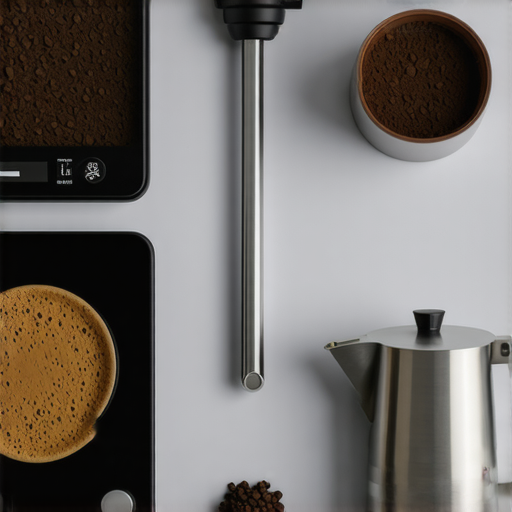
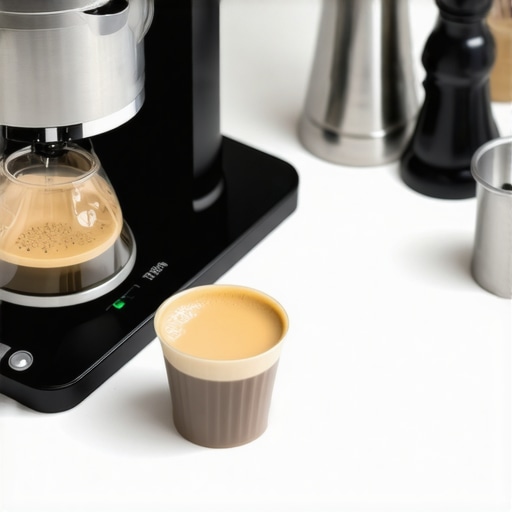
Ever had that frustrating moment where your espresso shot just doesn’t turn out right? I remember countless mornings where I’d meticulously grind, tamp, and pull my shot only to end up with a watery or overly bitter brew. It was a lightbulb moment for me when I realized that the issue wasn’t just technique but precision. That’s when I discovered the magic of using a top coffee scale and the right barista accessories. These tools transformed my coffee game overnight. If you’re tired of inconsistent shots and want to elevate your barista skills, stick around. I’ll share what I’ve learned about selecting the best gear to make every espresso shot perfect, from understanding the importance of precision to choosing accessories that actually make a difference.
Why Precise Measurement Matters in Espresso Crafting
Espresso is all about balance. The right amount of coffee, the perfect tamp, and optimal extraction time—each detail counts. Early on, I made a rookie mistake: I relied solely on my intuition and visual cues. Turns out, that’s not enough. A top coffee scale helps you measure the coffee dose and shot weight with precision, ensuring consistency every time. That small investment paid off in big flavor improvements. Plus, it’s surprisingly easy to use once you get the hang of it. For those serious about perfect espresso, understanding the impact of precise measurements is crucial. Want to learn how to avoid the common pitfalls and get your shots dialed in? I’ve got some tips coming up that will clarify everything and help you avoid the mistakes I made early on.
Is All the Hype Around Coffee Scales Justified?
Honestly, I was skeptical at first. I wondered if a fancy scale was just a gimmick. But after trying one, I realized it’s a game-changer. The key is choosing a scale designed for baristas—something that’s accurate, easy to read, and quick to respond. A mistake I made early on was relying on a kitchen scale that wasn’t sensitive enough, leading to inconsistent results. Once I switched to a purpose-built coffee scale, my shots became more repeatable, and I could experiment confidently. If you’re still on the fence, I recommend checking out some of the top-rated options and reading reviews from fellow coffee enthusiasts. The right gear can truly take your espresso to the next level.
Ready to get serious about your coffee? In the next sections, I’ll walk you through selecting the best scale and accessories, plus some insider tips to master your technique. Trust me, once you start measuring precisely, you’ll never go back to guesswork.
,
Set Up Your Scale Correctly
Start by placing your coffee scale on a flat, stable surface. Turn it on and let it calibrate if needed. When I first did this, I overlooked the importance of a level surface, which caused inconsistent readings. After adjusting my setup, I noticed my doses became much more precise and repeatable. Use the tare function to zero out your cup or portafilter, ensuring you’re measuring only the coffee or espresso weight. This simple step is crucial for consistency. Proper calibration and placement are the foundation for accurate measurement throughout your brewing process.
Select the Right Accessories for Your Workflow
Invest in a high-quality tamper that fits your portafilter perfectly. A well-fitting tamper provides even pressure, preventing channeling and uneven extraction. I learned this the hard way when my inconsistent tamping ruined my shot—until I switched to a precision tamper and practiced applying steady, firm pressure. Pair it with a quality milk pitcher for steaming milk with control and finesse, especially if you enjoy latte art. These tools aren’t just accessories; they are extensions of your technique that elevate your espresso quality. Remember, even the best beans and machine need proper handling with the right gear to shine. Check out top barista accessories for more ideas.
Master the Technique with Precise Measurements
Focus on your dose and yield. For example, I used to eyeball my coffee amount, which led to variability. Now, I weigh my coffee dose directly on the scale designed for baristas. A common mistake is not accounting for water absorption or not zeroing the scale after tamping—these small adjustments matter. To get consistent shots, weigh your coffee dose before brewing, and keep track of the shot weight. Many baristas aim for around 18-20 grams of coffee and 36-40 grams of espresso out in about 25-30 seconds. Fine-tuning these numbers with your scale ensures each shot is just right. Think of it as cooking with a precise recipe—measurements are everything.
Refine Your Technique Through Practice
Apply what you’ve learned by pulling test shots, adjusting grind size, tamp pressure, and shot time. I recommend recording your measurements and tasting each shot to identify what needs tweaking. For instance, I once increased tamp pressure slightly after noticing my shot was too quick, which improved flavor extraction. Consistency in measurement allows you to methodically troubleshoot. If you encounter issues, revisit your setup: is your scale accurate? Is your grind consistent? Use your accessories, like a knock box to quickly clear used grounds or a knock box to save time during your routine. Remember, mastery comes from consistent practice and fine adjustments.
Keep Your Equipment in Peak Condition
Proper maintenance ensures your measurements stay accurate. Regularly calibrate your scale and clean your accessories. A dirty tamper or milk pitcher can affect your results. For instance, I once ignored cleaning my milk pitcher, which caused uneven steaming. Now, I dedicate a few minutes daily to cleaning and calibrating to keep my tools performing at their best. Well-maintained gear leads to reliable measurements and better espresso. If you need advice on maintenance routines, check out the contact page.
While it’s tempting to believe that simply owning a high-quality coffee scale and good accessories guarantees perfect espresso, there’s a common misconception many overlook: the nuances of proper technique and setup. In my experience, the real pitfalls aren’t always obvious, even to seasoned baristas. Let’s dig deeper into what most people get wrong, the myths they believe, and the advanced mistakes that can sabotage your brewing excellence.
Why Precision Isn’t Just About Equipment
Everyone talks about the importance of accurate measurement, but few realize that the way you use your tools is equally critical. For example, many assume that a scale is just for weighing. In reality, improper calibration, placement on uneven surfaces, or neglecting to zero out your containers can introduce significant errors. These small oversights lead to inconsistent shots, even if your equipment is top-tier. The hidden nuance here is that precision involves not just the tool but also the setup and routine. Regular calibration routines, like using the appropriate calibration methods, are often underestimated—yet they are essential for maintaining accuracy over time.
Furthermore, many believe that using a scale with high sensitivity automatically solves all measurement problems. However, if the scale isn’t placed on a stable, level surface, or if it’s not correctly zeroed, the readings can be misleading. The key is consistency. Always ensure your setup is optimal—use a dedicated espresso-grade scale that responds quickly to small weight changes, and double-check your calibration daily. This ongoing attention to detail prevents the trap of relying solely on equipment without proper technique. Want a step-by-step guide? Check out the ultimate guide to coffee scales.
Common Myths That Hold You Back
One widespread myth is that more expensive accessories automatically lead to better results. While quality tools are important, the real difference-maker is how you integrate them into your workflow. For instance, I once invested in a fancy tamper that felt perfect in hand, but failed to improve my shots because I neglected proper tamping technique. The myth here is that tools compensate for skill. In truth, advanced baristas understand that mastery comes from combining quality gear with precise technique and routine adjustments.
Another misconception is that consistency only depends on measurements. But subtle factors like tamp pressure, grind size, and even ambient temperature influence the shot significantly. Advanced baristas know that measuring is just part of the equation. They focus on developing a systematic routine—tamping at a consistent pressure, adjusting grind based on shot timing, and cleaning equipment regularly. These small details, often overlooked, are what truly separate good shots from great ones. Want to avoid these pitfalls? Regularly review your routine and seek feedback from experienced sources, or consult resources like the contact page for expert advice.
How Do You Prevent Technique Drift Over Time?
As you gain experience, it’s easy to develop ingrained habits that drift away from optimal practices. This is a subtle but common advanced mistake. For example, I noticed that my tamping pressure varied over weeks because I got comfortable with my routine. Over time, these small inconsistencies compounded, affecting flavor and extraction. The solution is to implement a routine audit—regularly record your measurements, review your technique, and calibrate your equipment. Using accessories like a knock box or a dedicated pitcher helps streamline your workflow, but only if you maintain discipline. A good practice is to revisit your routine weekly and compare your latest shots against previous results. As coffee expert James Hoffmann emphasizes, consistency is about discipline, not just equipment. Keep refining your approach, and don’t assume that what worked yesterday is perfect today. Regular training and feedback help you stay aligned with your high standards.
Have you ever fallen into this trap? Let me know in the comments. Mastery in espresso craft is a journey of continual refinement, where paying attention to these hidden nuances makes all the difference.
Keeping your espresso setup in top shape isn’t a one-and-done task; it requires ongoing maintenance and the right tools to ensure your shots stay consistently excellent. Over time, even the best equipment can drift from optimal performance—calibration can shift, parts can wear out, and cleaning routines might slip. That’s why I’ve developed a systematic approach to maintenance that keeps my gear performing at peak levels day after day.
How do I maintain my tools over time?
First, regular calibration of your coffee scale is essential. I calibrate mine weekly using certified weights, which guarantees that my measurements stay precise. I also clean my milk pitcher and tamper after each use, preventing buildup that could affect tamping pressure or milk frothing quality. Additionally, I regularly inspect and replace worn gaskets and seals on my espresso machine—these small parts can significantly impact extraction quality if neglected.
Beyond cleaning, I invest in a set of high-quality accessories, including a precision tamper and a durable knock box, which streamline my workflow and help me maintain consistency. These tools aren’t just for convenience—they’re vital for preserving the precision I need for perfect shots. I also set reminders to descale my machine every three months, especially when brewing with hard water, to prevent mineral buildup that can impair performance. Regular maintenance like this keeps all components functioning smoothly and extends their lifespan.
Tools I recommend for long-term success
One absolute must-have is a quality coffee scale. I prefer models with 0.1-gram sensitivity and quick response times—they’re invaluable for measuring doses, shot yields, and even tamp pressure. Pair this with a precision tamper that fits your portafilter snugly; I swear by a tamper with a calibrated pressure guide, which helps me develop a consistent tamping rhythm.
For steaming milk, I recommend a stainless steel milk pitcher with a well-designed spout. I personally favor a 600ml size—it’s versatile for different drinks and easy to handle. Proper cleaning routines, including soaking and scrubbing with a dedicated brush, prevent milk residue buildup. Additionally, a knock box helps me clear spent grounds quickly, maintaining a tidy workspace and reducing shot variability caused by leftover coffee particles.
Looking ahead: The future of espresso tools
Advancements in smart technology are making their way into the barista world, with digital scales that connect to apps for detailed shot analysis and maintenance reminders. I predict that in the next few years, machine learning algorithms will help us fine-tune parameters automatically based on your brewing patterns. Until then, sticking to reliable, well-maintained tools and disciplined routines remains the best strategy for consistent excellence. I highly encourage you to try integrating a precision scale and establish a regular maintenance schedule—these small steps can have a profound impact on your espresso quality.
Remember, the key to long-term success is consistency. Regularly check and maintain your tools, keep your routines disciplined, and don’t hesitate to seek advice if something feels off. If you’re ready to upgrade your setup or need expert guidance, visit our contact page for personalized recommendations. Keep your gear in shape, and your shots will thank you!
The Hardest Lesson I Learned About Perfect Espresso
One of the most eye-opening moments in my coffee journey was realizing that even the slightest inconsistency in measurement could ruin an entire shot. I used to think technique alone was enough, but I found that precise measurement with a top coffee scale is the secret weapon for repeatable excellence. This taught me that mastery is about controlling every variable, no matter how small.
Three Myths About Espresso That Held Me Back
- Big budgets fix everything: I believed that expensive accessories would automatically improve my shots. But I learned that integrating quality tools with disciplined technique is what truly matters.
- Measurement isn’t necessary: I used to rely on visual cues, which led to inconsistency. Now, weighing every dose and yield has transformed my results.
- Once perfect, always perfect: I thought my technique was set once I found a good routine. Regular calibration and routine audits keep my espresso consistently top-notch.
What Experts Won’t Tell You About Maintaining Your Coffee Gear
Proper maintenance is the unsung hero of good espresso. I didn’t realize that regular calibration of my scale and thorough cleaning of my tamper and milk pitcher kept my measurements reliable. Even small wear and tear can skew results, so I now set weekly routines for calibration, cleaning, and inspection. This discipline ensures my setup consistently delivers perfection, saving me hours of troubleshooting and countless wasted shots.