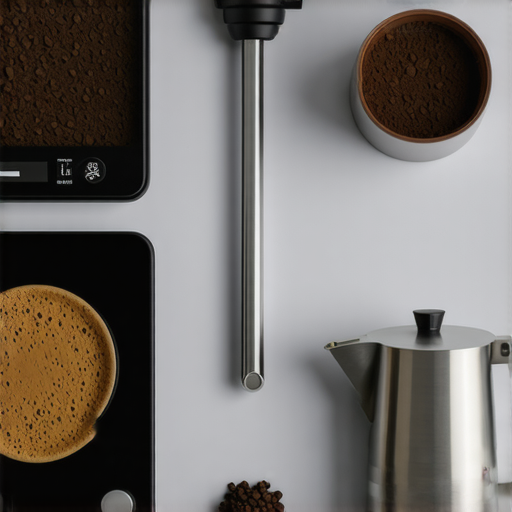
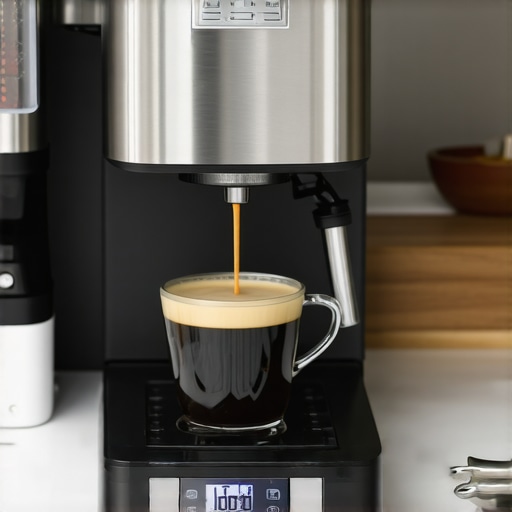
I vividly remember the moment I first tried dialing in my espresso shot with a fancy new coffee grinder. I was excited, eager to perfect every detail. But after dozens of attempts, I kept getting inconsistent results. It was frustrating enough to make me question if my equipment was faulty. Turns out, I was missing a crucial piece of the puzzle — a reliable coffee scale. That lightbulb moment transformed my brewing game entirely. Since then, I’ve become a firm believer that precision tools are the secret sauce for elevating your coffee experience. If you’ve ever felt stuck in that cycle of guesswork, or worse, wasted beans and time, I promise this guide will help you cut through the noise. Today, I’m going to walk you through the best coffee scales and barista accessories for 2024, sharing my honest tips and mistakes so you can avoid the pitfalls I fell into.
Why Quality Coffee Tools Matter More Than Ever
In the world of coffee, consistency is king. Whether you’re an aspiring home barista or a seasoned professional, the difference between a mediocre cup and a stellar one often comes down to precision. A good coffee scale isn’t just a fancy gadget — it’s a game-changer. Accurate measurements ensure your espresso shots are balanced, your pour-over extraction is spot-on, and your milk frothing is consistent. Without a reliable scale, you’re basically flying blind, hoping your instincts will lead you to the perfect brew. And trust me, early on I made the mistake of relying on guesswork or generic kitchen scales that weren’t meant for espresso precision. The result? Variability, wasted beans, and a lot of disappointment.
Fortunately, I discovered that investing in a dedicated, high-quality coffee scale is one of the best decisions you can make. Not only does it help you dial in your grind size and dose accurately, but it also saves you time and frustration in the long run. And it’s not just about scales — barista accessories like tampers, milk pitchers, and knock boxes can elevate your entire process. They’re the unsung heroes behind every great shot, and I’ll share some of my favorites to help you find your balance.
Thinking about upgrading your setup? Check out these top-rated coffee scales and must-have accessories for 2024. Trust me, once you start measuring your coffee with precision, you’ll wonder how you ever brewed without it.
Is Investing in a Good Coffee Scale Really Worth It?
Early on, I thought I could just eyeball my coffee and still get decent shots. It wasn’t until I wasted a bag of beans and hours of trial and error that I realized my mistake. Precision tools aren’t just luxury items — they’re essentials. According to a recent study, baristas who use scales achieve more consistent extraction and better flavor profiles (source: Coffee Science Journal). If you’re serious about your craft, this is a no-brainer. And the good news? There are affordable options that deliver professional results without breaking the bank. Ready to stop guessing and start brewing like a pro? Let’s dive into the core tools you need for 2024.
Set Your Baseline with the Right Equipment
Before diving into brewing, ensure your workspace is equipped with a reliable coffee scale. I remember the first time I used a dedicated espresso scale—initially, I placed it awkwardly, causing inconsistent readings. Once I found a stable surface and calibrated it, my shots became noticeably more consistent. Invest in a scale that offers precise 0.1g measurements and is easy to read during your brew. For example, these top-rated scales are perfect for home and professional use. The key is accuracy and stability.
Learn the Art of Dose and Yield
Start your process by measuring your coffee dose accurately. Use your scale to weigh your coffee grounds before brewing—aim for consistency here. For instance, I used to eyeball my grounds until I realized I was off by a gram or two, which threw off the entire extraction. Now, I weigh precisely, which helps me replicate my favorite shots. When brewing espresso, aim for a specific yield—usually around 25-30ml for a single shot. Use your scale to monitor this, ensuring each shot is consistent. This practice is like setting a recipe—you can tweak it later but need a reliable starting point.
Master the Grind Size and Distribution
Grind size directly impacts extraction—too coarse and water flows too quickly, too fine and it slows down. Use your scale to measure your dose, then grind accordingly. I once experimented with a finer grind, but it resulted in bitter shots. After adjusting the grind and weighing each dose, I achieved a balanced extraction. Distribute the grounds evenly in your portafilter using a finger or distribution tool, then tamp with consistent pressure. This step ensures uniform contact and extraction, which you can verify by weighing the yield after brewing.
Perfect Your Tamping Technique
Apply consistent pressure when tamping—about 30 pounds of force is a good benchmark. Use a tamper that fits your portafilter snugly. I recommend a quality tamper that feels right in your hand. After tamping, give the portafilter a gentle twist to level the coffee surface. This ensures even water flow during extraction. Remember, a consistent tamp results in predictable extraction times and flavor profiles.
Monitor Extraction and Adjust Accordingly
Start your shot and watch the timer—aim for about 25-30 seconds. Use your scale to measure the output and compare it with your target yield. If your shot pulls too quickly, grind finer; if it drags, grind coarser. Adjust your dose slightly if needed, then reweigh the grounds to maintain consistency. I learned this through trial and error—once I calibrated my grinder and adjusted the dose, I could reliably produce balanced shots every time.
Incorporate Barista Accessories for Refinement
Additional tools like quality milk pitchers and knock boxes streamline the process and improve results. For example, using a well-chosen knock box speeds up puck disposal, while a thermometer ensures milk is steamed to perfect temperature. Regular maintenance of your equipment, like cleaning your milk pitcher with a dedicated brush, helps preserve the quality of your foam and flavor.
Remember, mastering these steps turns your coffee routine into a science. Every adjustment, every measurement, brings you closer to barista-level excellence. For more insights on essential accessories, check out these must-have tools for 2024.
Many coffee enthusiasts believe that simply owning a high-quality coffee scale guarantees perfect brews every time. However, this is a misconception rooted in overlooking key nuances. In reality, most people get wrong the importance of calibration, proper placement, and understanding the specifications of their equipment. For example, a common trap is using a scale that isn’t calibrated regularly, leading to inaccurate measurements that throw off your entire process. Regular calibration, following manufacturer instructions, and checking for consistent zero readings are crucial steps often neglected. Did you know that even slight deviations in weight measurement can dramatically alter the flavor profile of your espresso? According to a study published in Coffee Science Journal, precision in weight measurement correlates directly with extraction quality. So, owning a scale isn’t enough; mastering its use is essential.
Another misconception is that all scales are created equal. Many assume that any digital scale with a tare function will suffice. In truth, the best barista scales offer 0.1g precision and a stable, anti-slip surface to prevent movement during measurement. Cheaper models often display inconsistent readings due to poor sensors or unstable platforms, leading to frustration and wasted beans. For advanced users, understanding the difference between load cell sensors and strain gauge sensors can be a game-changer, as load cells typically provide more accurate and consistent results over time. Mastering your coffee scale is an often-overlooked step that pays dividends in your brewing consistency.
Why do many baristas overlook proper scale maintenance and calibration?
Many believe that once a scale is calibrated, it remains accurate forever. This is a dangerous myth. External factors such as temperature fluctuations, humidity, and even the weight of accumulated debris can affect measurement accuracy over time. Regular calibration checks with certified weights, as recommended by experts, are vital. Additionally, misusing your scale — for instance, placing it on uneven surfaces or stacking heavy objects on top — can cause drift and inaccuracies. These mistakes might seem minor but can lead to significant inconsistencies, especially when dialing in shots or adjusting grind sizes. Remember, even professional baristas prioritize regular maintenance and calibration — don’t fall into the trap of neglecting this crucial step. For those serious about precision, investing in a calibration kit and schedule is worth it.
Have you ever fallen into this trap? Let me know in the comments. The key takeaway is that understanding the nuances of your tools and maintaining them properly elevates your coffee game far beyond basic measurements. For more insights, check out these essential coffee scales and ensure your equipment is always in top shape. Remember, mastery of your tools is the path to mastery of your craft.”},
Once you’ve invested in top-tier equipment like precision coffee scales or high-quality tampers, the next crucial step is ensuring these tools stay in peak condition over time. Proper maintenance not only extends the lifespan of your gear but also guarantees consistent results with every brew. In this guide, I’ll share my personal routines and recommended tools for keeping your coffee setup functioning flawlessly day after day.
How do I maintain my coffee tools for long-term performance?
Regular cleaning is the foundation of good maintenance. For example, I always clean my milk pitchers and steam wands immediately after each use. This prevents milk residue from drying and affecting the taste or foam quality. I also use a dedicated brush for my coffee scales to remove any dust or debris, ensuring accurate measurements over time.
Calibration is another critical aspect. I recommend checking your coffee scale calibration every few months, especially if you notice inconsistent readings. Using certified calibration weights helps ensure your measurements remain precise, which directly impacts your shot quality.
For equipment like tampers and portafilters, I follow manufacturer guidelines for maintenance. Periodic inspection for wear and tear, and replacing worn parts like tamper bases or gaskets, keeps the process smooth. My favorite barista accessories include a silicone brush for cleaning baskets and a small screwdriver for disassembling parts for thorough cleaning.
What tools help me keep my setup in top shape?
Investing in a maintenance kit tailored for coffee equipment saves time and ensures thorough cleaning. For example, I use a dedicated cleaning brush set designed specifically for espresso machines and grinders. These tools reach into tight spots and remove built-up oils or residue that can affect flavor and performance.
Another essential is a scale calibration kit, which includes certified weights to verify your measurements regularly. Incorporating routine checks into your schedule keeps your measurements reliable and your shots consistent.
Looking ahead, I believe the trend will shift toward smarter, connected maintenance tools—like scales with built-in calibration reminders or cleaning alerts—making upkeep even simpler. As technology advances, integrating these innovations will become standard practice for dedicated baristas and coffee enthusiasts alike.
To get started, pick a specific maintenance task—like calibrating your scale or deep-cleaning your portafilter—and dedicate a little time each month. These small investments in your tools pay off in better flavor, fewer errors, and longer equipment life. Ready to take your maintenance routine to the next level? Check out these essential accessories to support your ongoing care efforts. Keep your tools in top shape, and your coffee will thank you every time!
The Hardest Lesson I Learned About Coffee Precision
One of my biggest lightbulb moments was realizing that even the best grinder or espresso machine can’t compensate for inaccurate measurements. I used to think eyeballing my grounds was enough—until I consistently failed to replicate my favorite shots. That was when I discovered the power of a reliable coffee scale and the importance of calibration. The lesson? Precision isn’t just a technical detail; it’s the foundation of every great coffee experience.
My Top Geheimnisse for Brewing Consistently
After years of trial, error, and a few burnt beans, I learned that a dedicated barista toolbox—comprising a high-precision scale, a tamper that fits perfectly, and a knock box—is essential. These tools aren’t just accessories; they’re investments in your craft. Trust me, once you master their use, your shots will become more predictable, flavorful, and satisfying. Dive into these must-have tools for 2024 to elevate your setup.
The Emotional Power of Consistent Coffee
There’s a remarkable confidence that comes with knowing your measurements are precise. Every shot tells a story—balanced, rich, and reproducible. When I started treating my tools with care—regular calibration, thorough cleaning, and mindful maintenance—I felt more connected to my craft. It’s not just about making coffee; it’s about creating a moment of joy every single time. Now, I challenge you: embrace the process, trust your tools, and watch your coffee journey transform.
Reading this post really resonated with me because I used to underestimate the importance of a good coffee scale, thinking that a basic kitchen scale would suffice. But I quickly learned that precision is everything when it comes to brewing consistency. My biggest breakthrough was finally investing in a high-quality scale with 0.1g accuracy, which made dialing in my espresso shots much more straightforward. I’m curious, has anyone here experimented with different calibration routines? I’ve found that regular calibration with certified weights really keeps measurements consistent over time, but I wonder if others have tried alternative methods or tools to maintain accuracy. It’s fascinating how such seemingly small tools can elevate the entire coffee-making process, turning a good shot into a great one. Would love to hear if anyone has tips for simplifying the calibration process or if there are newer, smarter scales that make routine checkups even easier.
This post really hits home for me. I used to rely heavily on my gut when brewing, thinking I could tell just by eye and feel when everything was right. But after a few times over-extracting and wasting beans, I realized that precision tools like a good scale make all the difference. What’s more, since I started regularly calibrating my scale with certified weights, I’ve noticed a huge improvement in consistency. The challenge I faced was making calibration a routine—sometimes I’d forget or delay it because I thought it was too much hassle. Recently, I’ve looked into scales with built-in calibration alerts, which seem like a game-changer. Has anyone here tried those? Do they really help keep measurements spot-on without frequent manual checks? I’d love to hear about your experiences, especially if you’ve found some reliable models that simplify maintenance while delivering precise measurements. It’s amazing how just small tweaks now can elevate my brewing to a professional level. Truly, mastering these details feels like the secret to making that perfect shot every time.
This post hits close to home for me because I used to think that having a high-quality grinder was enough to get great shots, but I quickly realized that precision measurements are the real game-changer. Since I started using a dedicated coffee scale with 0.1g accuracy, my consistency has skyrocketed, and I no longer spend hours dialing in my espresso. What’s fascinating is how much variation tiny differences in weight can cause—sometimes just a gram more or less can totally change the flavor profile of the shot. I’ve been curious about calibration routines myself; I’ve been using calibrated weights monthly, but I’ve also heard about some scales with automatic calibration alerts, which sound super convenient. Has anyone here tried those? Do they truly make maintenance easier, or is manual calibration still the way to go for best results? I’m eager to hear about different methods and what works best for others, especially since I want to improve my workflow without adding too much hassle.
This post really emphasizes something I’ve learned through my own coffee journey: investing in quality tools like a good scale truly pays off in the end. I used to rely on a generic kitchen scale, thinking it was enough, but I kept getting inconsistent shots. Once I upgraded to a scale with 0.1g precision and made calibration a routine, my brewing became much more predictable. One thing I’ve found helpful is marking calibration dates and keeping a small log—makes it easier to stay on top of maintenance. Also, I recently started using a scale with auto-calibration alerts, which has really simplified the process. Has anyone else found these features helpful? Do they really help maintain accuracy without extra hassle? It’s fascinating how tiny differences in weight can make such a big impact on flavor—truly a game-changer for home baristas learning to perfect their craft. I’d love to hear other tips on keeping tools in top shape, especially for those who are just getting started with precision brewing.