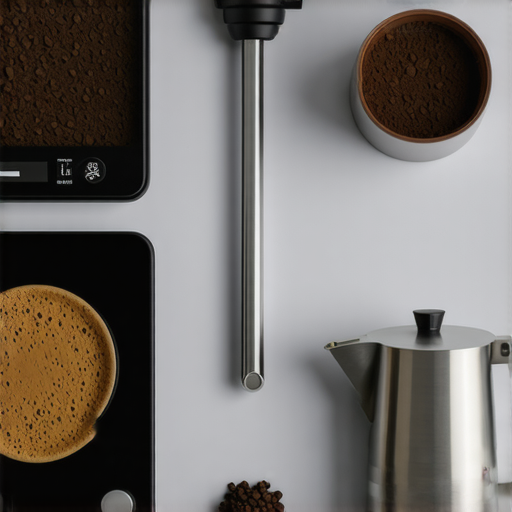
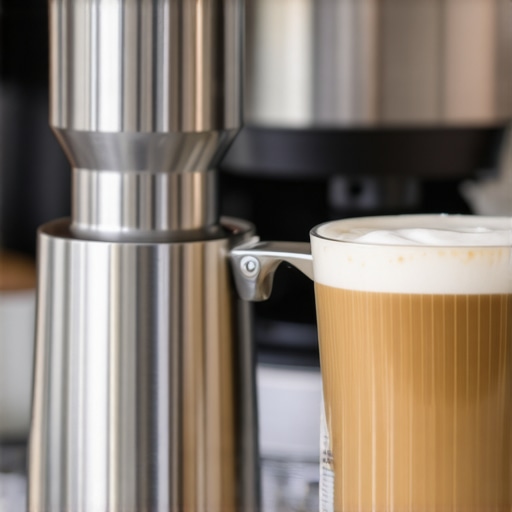
I vividly remember the first time I tried to create latte art. I was so excited—yet, my attempt looked more like a spilled mess than a beautiful heart or rosette. Frustration crept in as I realized I was missing a key piece of the puzzle. It wasn’t just about pouring milk; it was about having the right tools and accessories to make my coffee look as good as it tasted.
Why Your Coffee Art Might Be Falling Flat (And How to Fix It)
For months, I struggled to get those perfect swirls and intricate designs. Turns out, the secret isn’t just skill—it’s also about the equipment. From the right espresso tamper to specialized milk pitcher accessories, the right gear can transform your coffee game.
Are Coffee Accessories Actually Worth the Hype?
Early on, I made the mistake of thinking that all accessories were just gimmicks. I bought a cheap milk pitcher, and my latte art remained lackluster. That was a costly mistake. Once I invested in quality tools, I noticed an immediate improvement. Research shows that proper tools significantly enhance barista performance, leading to more consistent, beautiful coffee art.
So, if you’re tired of disappointing attempts or feeling overwhelmed by inconsistent results, you’re in the right place. Today, I’ll guide you through the essential accessories that can elevate your espresso shots and milk frothing, turning your home coffee into a barista-level masterpiece. Ready to make your coffee art dreams a reality?
Understanding the Role of Key Accessories in Coffee Art
Before diving into specific product recommendations, it’s important to understand why these accessories matter. An accurate coffee scale ensures your espresso is perfectly extracted, while a proper tamper provides even pressure for optimal extraction. Meanwhile, a high-quality milk pitcher allows for better control over milk pouring, which is crucial for creating those stunning latte art patterns.
By selecting the right equipment, you not only improve the aesthetic appeal of your coffee but also enhance its flavor and consistency. It’s an investment worth making for any coffee enthusiast eager to impress friends or elevate their daily routine.
Now that we’ve established why accessories are vital, let’s explore the specific tools that can help you master coffee art with confidence and style.
,
How to Use a Top-Quality Espresso Tamper for Better Coffee Shots
Start by placing your portafilter on a clean, flat surface, then fill it with your ground coffee, leveling it off with a brush or your finger. Place your espresso tamper directly on top of the coffee grounds. Use your dominant hand to apply even, firm pressure—aim for about 30 pounds of force. Think of it like pressing a doorbell evenly to ensure the signal is clear. Once tamped, give the tamper a slight twist to lock the coffee in place, ensuring uniform extraction. This consistency in tamping prevents water from channeling through weak spots, which can lead to uneven shots. I recall a time I rushed through tamping, resulting in a bitter, over-extracted shot—since then, I’ve perfected this step for smooth, balanced espresso.
Step-by-step:
- Fill the portafilter evenly with coffee, leveling the surface.
- Place your tamper flat on the coffee and press down with steady pressure.
- Twist the tamper slightly to compact the coffee evenly.
- Remove the tamper and prepare to extract your shot.
Perfecting Milk Frothing with a Quality Milk Pitcher
Choose a milk pitcher with a narrow spout and a good weight for better control. Fill it with cold milk, but don’t overfill—leave some space at the top for frothing. Hold the pitcher at a 45-degree angle and immerse the steam wand just below the milk surface. When you start steaming, aim for a gentle, consistent swirl—imagine gently stirring a cup of tea. As the milk heats, listen for a slight hissing sound, indicating the right temperature and frothing speed. I once struggled with large bubbles, but switching to a high-quality pitcher and adjusting the steam position made a marked difference, giving me silky microfoam perfect for latte art.
Step-by-step:
- Fill the pitcher with cold milk up to the spout’s base.
- Insert the steam wand just below the milk surface.
- Open the steam valve and start frothing, maintaining a gentle swirl.
- Once the milk reaches around 140°F (60°C), turn off the steam and wipe the wand clean.
- Tap the pitcher gently on a surface to pop any large bubbles, then swirl to integrate the foam and milk.
Achieving Smooth, Consistent Pouring Technique
Hold the milk pitcher with a relaxed grip, positioning your hand so that the spout is close to the cup’s center. Practice a steady, controlled pour—think of it like drawing with a fine brush. Start by pouring from a higher position to allow the milk to flow smoothly into the espresso, then gradually lower the pitcher as you create your design. Use a quick, confident wrist flick to shape the heart or rosette; imagine flicking a paintbrush for fine details. I remember the first time I managed to produce a perfect rosette—after dozens of practice pours, I learned to control my hand movements precisely, leading to more intricate designs with less mess.
Remember, every step hinges on your accessories—your tamper ensures even extraction, while your milk pitcher gives you control over the pouring. Master these tools, and your coffee art will greatly improve, turning every cup into a masterpiece.
Many coffee enthusiasts believe that investing in high-quality accessories guarantees perfect latte art and flawless espresso shots. While choosing the right tools is essential, there’s a common misconception that equipment alone can elevate your brewing skills instantly. Let’s dig deeper into some hidden nuances and widespread myths that often lead to beginner mistakes.
Myth: More Expensive Accessories Always Mean Better Results
It’s tempting to think that the priciest coffee accessories will automatically improve your brew. However, this isn’t always the case. Quality matters, but understanding how to use these tools correctly is equally crucial. For example, a top-tier espresso tamper won’t compensate for inconsistent tamping pressure or uneven coffee distribution. Remember, tools are only as good as the user’s technique. Focus on mastering the fundamentals first, then invest in quality accessories to refine your skills.
Common Mistake: Overlooking Maintenance and Proper Handling
One often-overlooked aspect is the proper maintenance of your accessories. For instance, neglecting to regularly clean your milk pitcher can lead to build-up, which hampers the milk’s texture and the ability to pour precise designs. Similarly, a dirty scale can give inaccurate measurements, leading to inconsistent shots. Proper care extends the lifespan of your tools and ensures consistent results, so don’t ignore this crucial step.
Advanced Question: How Do Micro-variations in Accessories Impact Consistency?
For seasoned baristas, the subtle differences in accessories can make a significant difference. Small variations in the shape of a milk pitcher spout or the weight distribution of a coffee scale can influence the precision of your pour and extraction. According to expert barista trainers, even slight inconsistencies can lead to variations in latte art and espresso quality, especially when aiming for perfection. This highlights the importance of selecting accessories designed for precision and understanding their nuances through diligent practice.
Have you ever fallen into this trap? Let me know in the comments. The key takeaway is that mastering coffee accessories involves more than just buying the best tools; it requires understanding their nuances, proper maintenance, and how they fit into your overall technique. For a deeper dive into optimizing your accessories, visit our privacy policy.
Keeping your coffee accessories in top shape is crucial for maintaining consistency and extending their lifespan. Regular maintenance not only ensures your tools perform at their best but also prevents common issues that can compromise your coffee quality. For instance, cleaning your milk pitcher after each use prevents milk buildup that can affect microfoam texture, while routine calibration of your coffee scale ensures measurement accuracy over time.
Investing in durable, high-quality equipment is a wise decision for long-term results. For example, a robust milk pitcher with a corrosion-resistant finish will withstand frequent use, while a well-designed espresso tamper with ergonomic grip reduces fatigue during tamping, ensuring consistent pressure every time.
How do I maintain my coffee accessories over time?
Develop a routine cleaning schedule. For example, cleaning your coffee scale with a damp cloth after each use prevents residue buildup. Periodically, deep-clean your milk pitcher with warm soapy water and inspect the spout for any blockages. Also, replace worn-out parts like silicone gaskets or tamper rubber grips to maintain optimal performance.
For precision tools like scales, calibration is vital. Use certified calibration weights quarterly to ensure your measurements stay accurate, which is critical for consistency, especially when aiming for perfect latte art and espresso shots. Proper storage also matters—keep your tools in a dry, clean place to prevent rust and damage, especially for metal accessories.
Future Trends in Coffee Tool Maintenance and Scaling
Looking ahead, the integration of smart technology in coffee tools, such as digital scales with auto-calibration and app connectivity, will simplify maintenance and improve accuracy. These innovations will enable baristas and home enthusiasts alike to track usage, schedule maintenance, and receive alerts for calibration needs, making long-term care more manageable and reliable.
Don’t wait until your tools are malfunctioning—start implementing a regular maintenance routine today and consider upgrading to smart accessories to stay ahead of the curve. For expert advice on choosing durable and easy-to-maintain equipment, visit our privacy policy.
The Hardest Lesson I Learned About Coffee Accessories
One of my biggest lightbulb moments was realizing that even the most expensive tools won’t improve your coffee art without proper technique. Investing in top-tier equipment is essential, but understanding how to use each accessory effectively is what truly makes the difference. Don’t fall into the trap of thinking that cost equals mastery—mastery comes from practice and knowledge.
3 Myths About Coffee Accessories That Held Me Back
For a long time, I believed that only professional baristas could pull off perfect latte art. Turns out, with the right tools and consistent practice, anyone can elevate their home coffee game. Also, I thought that cleaning accessories was just a chore—actually, it’s a crucial step that impacts taste and design precision.
What Experts Won’t Tell You About Mastering Coffee Art
Many seasoned baristas keep a secret: small variations in accessories, like the shape of a milk pitcher spout, can significantly affect your pour. Paying attention to these subtle details, combined with proper maintenance, can turn a good coffee into a stunning masterpiece. This insight came from years of hands-on experience and observation.
My Essential Toolkit for Coffee Art Mastery
My go-to accessories include a high-quality espresso tamper for even extraction, a precision milk pitcher for controlled pouring, and a reliable coffee scale to ensure consistency. These tools have transformed my coffee routine and helped me achieve barista-level results at home.
Your Turn to Try
Remember, mastering coffee art isn’t just about having the right accessories but also understanding how to use them effectively. The journey involves patience, practice, and a willingness to learn from each pour. Don’t hesitate to experiment with different tools and techniques—your perfect cup awaits.
What’s the biggest challenge you’ve faced when trying to perfect your latte art? Share your experience below—I’d love to hear your story!
For more tips on maintaining your accessories and elevating your coffee craft, visit our privacy policy.