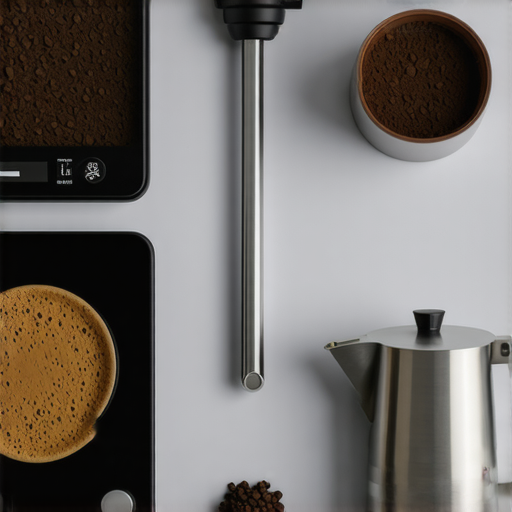
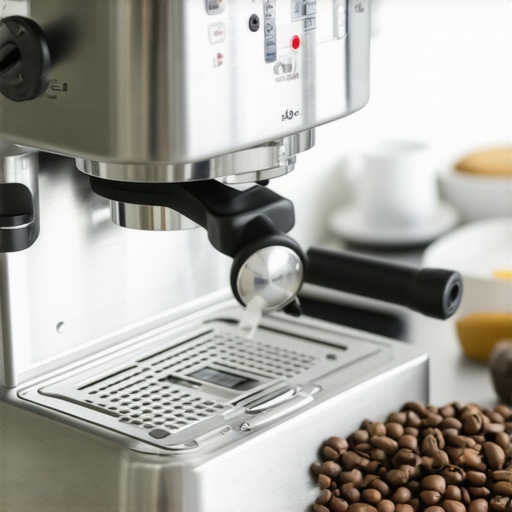
I remember the first time I tried making espresso at home. I was eager, excited, but also completely lost. My shots were inconsistent, sometimes watery, sometimes too bitter. It was frustrating—until I realized the missing piece: precision. That tiny, digital scale I overlooked was the game-changer. Once I started measuring every ounce, every gram, my espresso game transformed overnight.
Why Precision Matters in Your Coffee Routine
In the world of coffee, especially espresso, consistency is king. You might have the best beans, a high-end espresso machine, and a talented barista’s touch. But without precise measurements, even the finest ingredients can falter. According to coffee expert Scott Rao, “Accuracy in dose and extraction is crucial to achieving the perfect shot” (source).
That’s where coffee scales and barista accessories come into play. They’re not just tools for the pros—they’re essential for anyone serious about elevating their coffee experience. Whether you’re aiming for the crema-rich espresso or the silky smooth latte art, precision equipment ensures every shot is consistent and perfect.
Have you ever faced the disappointment of under-extracted or over-extracted espresso? Or maybe you’ve struggled to replicate that barista-quality drink at home? If so, keep reading. Today, I’ll walk you through the must-have barista accessories that will help you master your craft and turn every cup into a masterpiece.
Is Investing in Coffee Scales and Accessories Really Worth It?
Early in my journey, I made the mistake of relying on guesswork—measuring by eye or using unreliable tools. The result? Inconsistent espresso shots and wasted beans. It wasn’t until I invested in a good quality coffee scale that everything changed. The precision and control it provided made brewing almost foolproof.
If you’re skeptical about whether these tools are worth the investment, I completely understand. But trust me—once you see the difference in your shots, you’ll wonder how you ever brewed without them. Ready to learn how to pick the best equipment for your needs? Let’s dive in.
Set Up Your Coffee Scale Correctly
Start by placing your coffee scale on a flat, stable surface. Turn it on and calibrate if necessary—many scales have a tare function that resets the weight to zero. For example, I once skipped this step and ended up with inconsistent doses, which affected my shot quality. Always zero out your scale before measuring your coffee grounds or water.
Choose the Right Scale
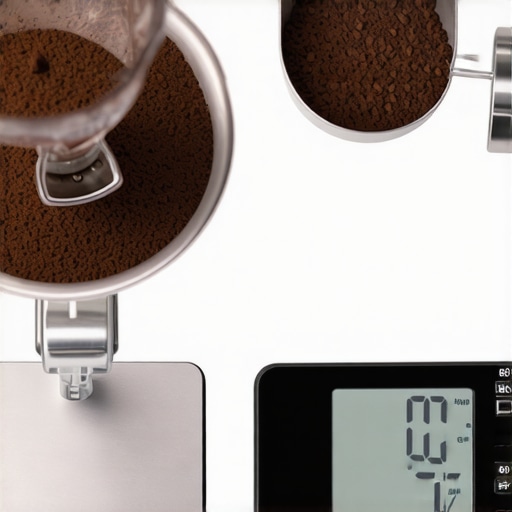
Opt for a digital scale with at least 0.1-gram precision for accuracy. My favorite is the best coffee scale for espresso brewing, as it offers quick response time and durability. Investing in a quality scale is like giving your espresso a reliable roadmap—your shots will be consistently better.
Measuring Coffee Grounds with Precision
Use your scale to measure the exact amount of coffee grounds before tamping. For a standard double shot, aim for 18-20 grams. I recommend weighing your grounds directly into the portafilter; this removes guesswork and ensures consistency. When I first tried this, my shots became more balanced and flavorful because I was no longer relying on eyeballing the dose.
Fine-tune Your Dose
Adjust your coffee amount based on taste and extraction time. A too-fine dose can lead to over-extraction, while too coarse might cause under-extraction. Keep a record of your measurements to refine your process over time. Remember, small changes in weight can significantly impact your shot quality, especially when you’re experimenting for the perfect flavor.
Timing and Water Measurement
Besides coffee grounds, measuring water with your scale is equally vital. Use a separate container or the same scale with a tare function to measure water volume precisely. For a double shot, aim for about 36-40 grams of espresso in total—this includes both the coffee grounds and extraction yield. I once misjudged the water amount, resulting in a weak shot; after correcting this, I tasted a richer, more balanced espresso.
Monitor Extraction Time
Use a timer to track how long the water takes to pass through the coffee—ideally 25-30 seconds. Some scales come with a built-in timer, making it easier to monitor. Consistent timing ensures your extraction is optimal, which is critical for flavor and crema quality. When I started timing my shots, I noticed a dramatic improvement in consistency and flavor profile.
Utilize Barista Accessories for Further Precision
Beyond scales, accessories like tampers, milk pitchers, and knock boxes help refine your process. For instance, a calibrated tamper ensures even pressure, affecting extraction. Properly maintained milk pitchers, as explained in this guide, allow for better frothing control. Using these tools in tandem with your scale creates a disciplined routine that yields barista-quality shots every time.
< >
>
While many coffee enthusiasts focus on the obvious aspects like grind size or water temperature, there’s a subtle yet critical misunderstanding that can undermine even the most carefully curated coffee setup: the assumption that precision is straightforward and universally applicable. Let’s dig deeper into what most people get wrong about achieving consistent, barista-quality espresso at home.
Myth: More Precision Means Always Better Results
Many believe that the more precise your measurements, the better your coffee. While precision is essential, overdoing it can lead to rigidity and neglecting other vital factors. For instance, obsessing over weighing every gram without adjusting for bean freshness, tamping pressure, or machine variability can actually hinder your progress. Scott Rao emphasizes that precision must be balanced with an understanding of the entire brewing process (source).
Oops: Neglecting the Nuances of Extraction Time
A common mistake is to rely solely on weight measurements, ignoring the importance of timing. Even with perfect dose and water measurements, extraction time can vary due to grind consistency or machine pressure. An advanced mistake many make is assuming that a precise weight guarantees extraction quality, but without monitoring shot time, you risk over- or under-extraction. According to the Specialty Coffee Association, timing and weight should be considered together for optimal results (source).
How to Avoid These Pitfalls
First, use your scale as a starting point, but don’t become a slave to absolute numbers. Adjust your grind size, tamping pressure, and extraction time based on taste and shot appearance. Second, incorporate a timer to monitor extraction duration, aiming for about 25-30 seconds for a standard double shot. This dual approach—measurements plus timing—ensures consistency and allows you to troubleshoot effectively.
What Advanced Baristas Know That Beginners Often Miss
Experienced baristas understand that *every variable* interacts with others. For example, a slight change in grind size affects extraction time, which in turn influences flavor and crema. They also recognize that equipment calibration and maintenance, such as ensuring your milk pitcher or tamper are spot-on, play crucial roles in the final outcome. Mastery of these nuances separates good home baristas from great ones.
Remember, achieving perfect espresso is a blend of science and art. Don’t fall into the trap of thinking that measurements alone will guarantee success. Balance precision with awareness of the entire process, and always be ready to adapt and refine your technique. Have you ever fallen into this trap? Let me know in the comments.
Keeping your coffee setup in top shape is crucial for maintaining the quality of your espresso shots over time. Even the best equipment requires regular care and strategic upgrades to ensure consistent performance and flavor. In this post, I’ll share the specific tools I personally rely on for maintenance, how to keep everything running smoothly, and where the future of coffee tools is headed.
How Do I Maintain My Coffee Equipment Over Time?
Regular maintenance is the backbone of long-term espresso excellence. For my espresso machine, I follow a strict cleaning schedule, including descaling every 3-6 months depending on water hardness. I use a specialized descaling solution like an industry-recommended descaler to prevent mineral buildup, which can affect temperature stability and shot quality. Additionally, I clean the group head and portafilter daily with a brush and flush water through the system to keep residues at bay.
My milk frothing equipment benefits from thorough cleaning, especially the steam wand. I use a dedicated wand cleaner and follow a weekly deep clean routine with a solution recommended in this guide. Proper maintenance preserves the wand’s performance and prevents bacteria buildup, ensuring every latte art session remains hygienic and beautiful.
Tools I Recommend for Maintenance
One essential tool I swear by is a high-precision digital scale. I use it not only for brewing but also for measuring cleaning and descaling solutions accurately, ensuring I follow manufacturer instructions precisely. This helps avoid over- or under-application, which can damage components or reduce effectiveness.
Another must-have is a professional-grade brush set designed specifically for espresso machines. I use a small, stiff brush to clean the group head and shower screen thoroughly. Regular brushing prevents coffee oils and residues from accumulating, which can cause uneven extraction and off-flavors.
For my grinder, I rely on a dedicated cleaning kit that includes a grinder brush, cleaning tablets, and a vacuum. Keeping your grinder burrs clean ensures consistent grind size and flavor.
Future Trends in Coffee Maintenance Tools
Looking ahead, I predict an increase in smart, IoT-enabled maintenance devices. Imagine a coffee machine that automatically alerts you when descaling is needed or when burrs require cleaning — all managed via an app. This trend will make maintenance more proactive, reduce downtime, and extend equipment lifespan.
Try This Advanced Maintenance Tip
One technique I highly recommend is using a ultrasonic cleaner periodically on removable parts such as portafilters and shower screens. It effectively removes stubborn coffee oils and residues that regular cleaning might miss, restoring equipment to near-new condition. Incorporate this into your routine every few months for optimal performance.
Remember, consistency in maintenance not only preserves your equipment but also elevates your coffee game. Invest in quality tools, follow a routine, and stay informed about upcoming innovations to keep your espresso setup running flawlessly for years to come.
The Hardest Lesson I Learned About Espresso Precision
One of my biggest lightbulb moments was realizing that obsessing over measurement alone isn’t enough. I used to think that perfect espresso was all about the right grind and beans, but I overlooked the importance of consistent dosing. Once I started measuring every dose meticulously, I discovered that the subtle variations in weight could make or break the shot.
3 Myths About Coffee Scales That Held Me Back
I used to believe that any digital scale would do the job. However, I found that not all scales are created equal—precision, response time, and durability matter. My advice? Invest in a high-quality coffee scale with at least 0.1-gram accuracy. It’s a game-changer that makes your brewing process more reliable and enjoyable.
What Experts Won’t Tell You About Perfect Espresso
Many seasoned baristas know that mastering timing and measurement together is essential. I learned that focusing solely on weight without monitoring extraction time can lead to inconsistent results. Combining precise measurements with a timer helped me dial in the flavor and crema of my espresso shots, elevating my home brewing to professional levels.
I completely agree with the emphasis on precision—I’ve experienced firsthand how measuring every gram of coffee can dramatically improve shot consistency. It’s interesting that so many home baristas overlook this simple yet powerful step, preferring to rely on intuition or rough estimates. Since incorporating a quality digital scale into my routine, I’ve noticed not only more balanced flavors but also a significant reduction in wasted beans. My question is, how do others adjust their measurements when switching between different bean types or roast levels? Do you find that you need to recalibrate your dosing each time, or do you stick to a standard weight? I’m curious about your experiences because adapting to different beans has been quite the learning curve for me. Looking forward to hearing your insights—perhaps there are some proven tips on maintaining consistency across various roast profiles.
Reading this post really resonated with my own journey in home espresso brewing. I initially thought I could eyeball my doses and timings, but it wasn’t until I invested in a quality digital scale that I truly started to see improvements. One challenge I encountered was adjusting my measurements when switching between different bean types and roast levels. I found that some beans, especially darker roasts, tend to extract quicker, so I often do small tweaks—like reducing the dose slightly or adjusting tamp pressure—to maintain consistency. I’d love to hear from others: do you have specific strategies for calibrating your doses based on bean origin or roast? Also, how do you manage changes in grind size alongside these measurements? It’s clear that precise measurement is vital, but the overall consistency seems to depend on the whole routine. Any tips on streamlining this process while tasting consistently great shots?
I really appreciated this detailed post on the importance of precision and the use of quality tools for perfect espresso. As someone who has been experimenting at home for a while, I can attest that investing in a good digital scale has been transformative. One thing I’ve learned is that consistency isn’t just about measuring the right amount once; I’ve developed a routine of weighing and recording my doses for different beans and roast levels. Interestingly, darker roasts do generally require slight reductions in dose because they tend to extract faster, but I still adjust based on taste and shot timing. It’s a balancing act between precise measurements and visual/timing cues. Has anyone found an effective way to calibrate doses specifically for different beans without having to extensively retune each time? Also, do you incorporate any apps or digital tools to help keep track of your custom routines? I’d love to hear more about how others approach this aspect of consistency and routine refinement.
This post hits the mark about the importance of precision in home espresso brewing. I’ve definitely found that using a high-quality digital scale makes all the difference when it comes to consistency. A point I’d add is that adapting measurements when switching between different beans or roast levels is crucial. I personally keep a small adjustment routine—often slightly reducing the dose for darker roasts since they tend to extract faster. Tying this into grind size adjustments helps me fine-tune flavor, but it’s a learning process. Have any of you experienced similar challenges, and how do you approach recalibrating your doses? I believe that keeping detailed notes on your measurements and resulting flavors helps in building a more consistent routine over time. Also, do you think it’s better to calibrate your grinder for each bean type, or does a single setting suffice? Looking forward to hearing your strategies—sharing best practices can really elevate our home brewing skills.